

















-
×
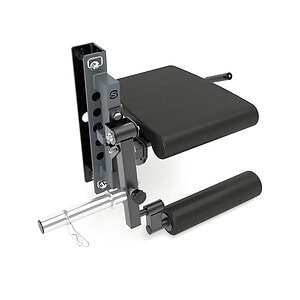
 9329 H.P. Tray Adapter
1 × 31,72€
9329 H.P. Tray Adapter
1 × 31,72€
From the Summit of Strength 2026 in Cesena the new scientific evidence explained by Prof. Antonio Paoli
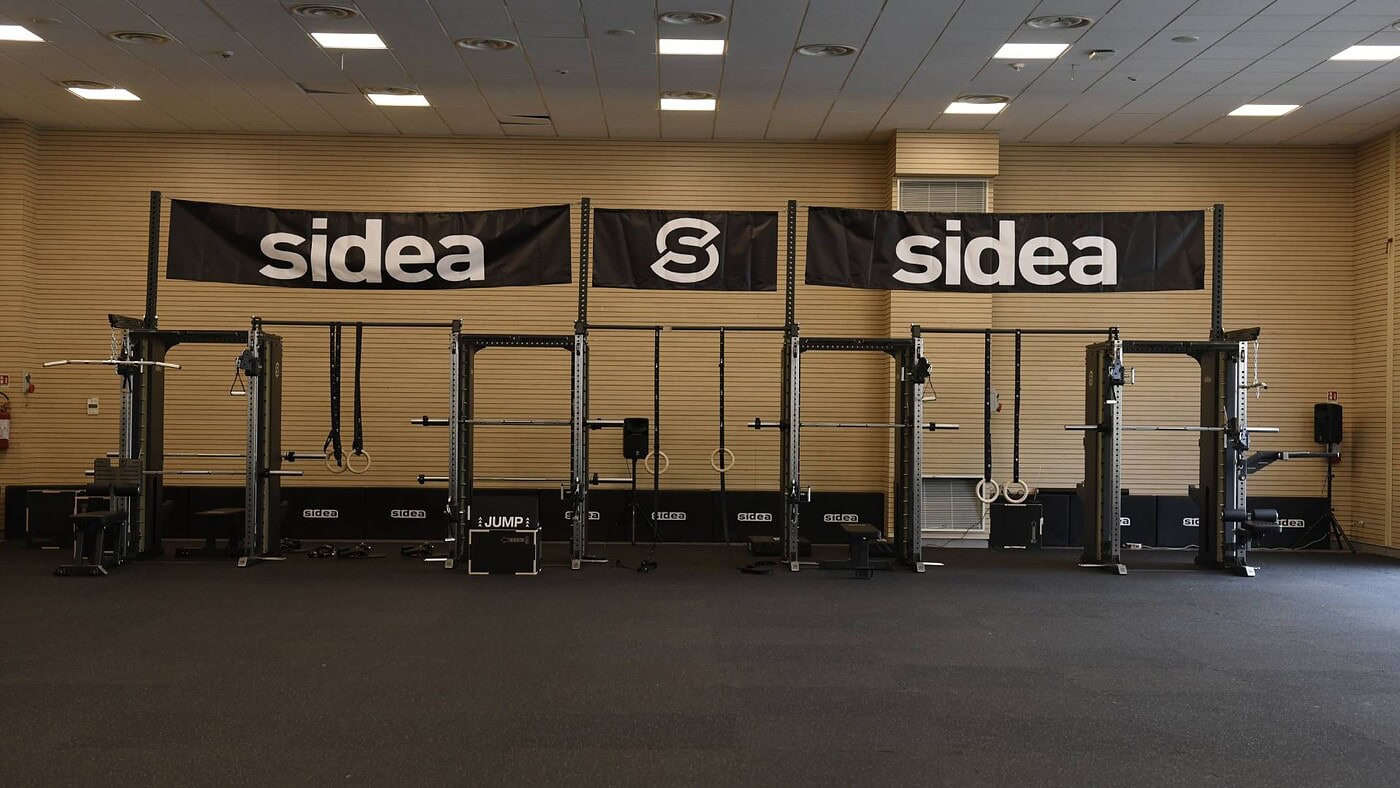
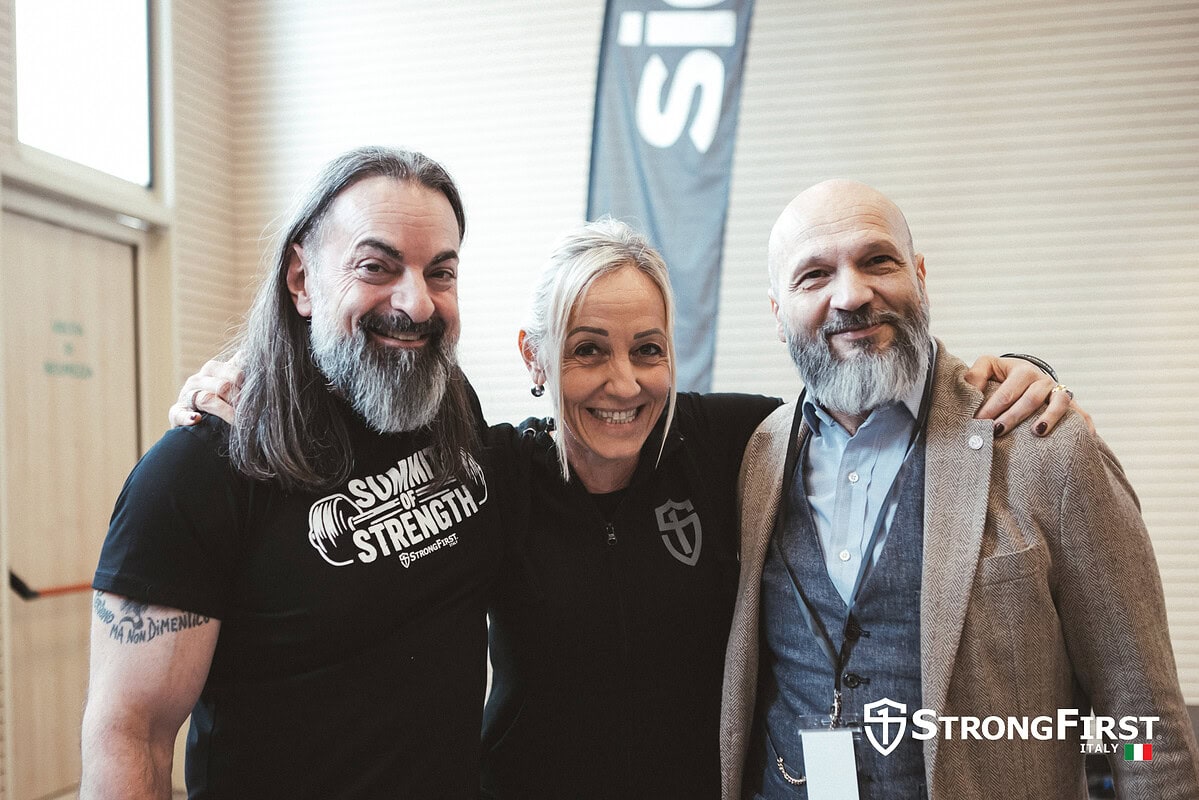
On 1 February 2026, Cesena hosted the Summit of Strength, an event organised by StrongFirst and sponsored by SIDEA, the European benchmark for professional equipment dedicated to strength training, functional training and athletic preparation.
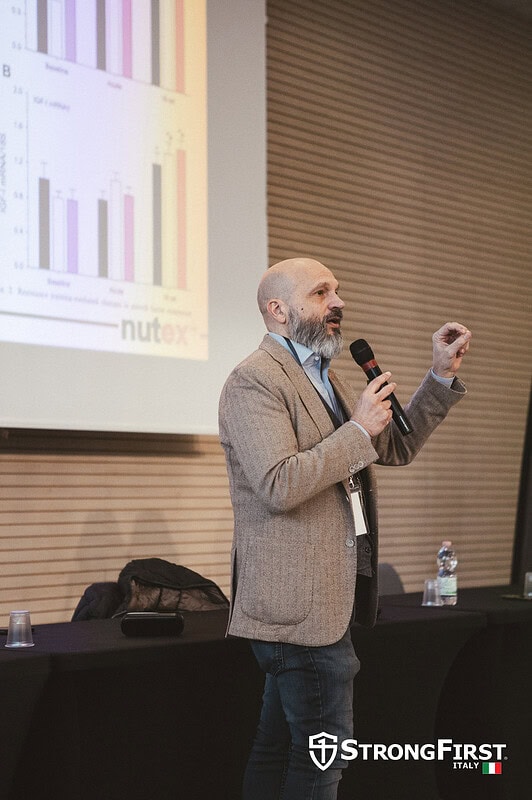
Among the most eagerly awaited speakers at the convention was Prof. Antonio Paoli, lecturer at the University of Padua and director of the Nutrition and Exercise Physiology Laboratory, addressed one of the most debated topics in the world of training:
“Hypertrophy and strength: a linear relationship?”
A question of interest:
- personal trainer
- strength coach
- powerlifter
- athletic trainers
- bodybuilding enthusiasts
- functional training and hybrid training practitioners;
- athletes wishing to increase strength and muscle mass effectively.
For years, the concept “more muscles = more strength” was taken almost for granted.
But the science of training today tells a much more complex and interesting story.
Muscle strength and hypertrophy: the relationship exists, but is not automatic
One of the key concepts that emerged during the Summit of Strength 2026 is that:
Muscle growth contributes to strength potential, but does not automatically guarantee a proportional increase in performance.
In other words:
- you can increase muscle mass without becoming much stronger;
- one can become much stronger even without huge increases in muscle volume.
According to Paoli, strength is a multifactorial capacity influenced by:
- nervous system;
- muscle quality;
- biomechanics;
- execution technique;
- muscle architecture;
- intermuscular coordination;
- nutrition and recovery.
This explains why a seemingly paradoxical phenomenon is often observed in the gym:
Why do some “small” athletes lift more weight than very muscular individuals?
Prof. Paoli called this scenario the “Gym Paradox”.
Who practices:
- powerlifting,
- weightlifting,
- streetlifting,
- strength training,
- functional fitness,
seen it dozens of times.
Two people tackle the same exercise - squat, bench press or deadlift - but one can move the load with apparent ease while the other struggles enormously, despite having more muscle mass.
This is because:
Strength is not only dependent on muscle size
Muscle mass is the “engine”, but the end result also depends on:
- neurological efficiency;
- fibre recruitment;
- activation speed;
- technique;
- biomechanical levers;
- coordination skills.
Muscle quality: the true meaning of “strong muscle”
During the lecture, Paoli explored the concept of muscle quality, i.e. the ability of a muscle to produce force in relation to its size.
Two people can have:
- the same muscle volume;
- the same circumference;
- the same lean mass;
but express completely different levels of strength.
What does muscle quality depend on?
Several factors come into play:
Muscle fibre typology
Fast fibres (type IIx) produce more force and power than slow fibres.
Neural efficiency
The nervous system determines:
- how many fibres are activated;
- how quickly they are activated;
- how effectively they cooperate with each other.
Molecular properties
The behaviour of contractile proteins and the actin-myosin cycle also directly influence force production.
Muscle architecture: it also matters how the muscle is built
One of the most fascinating aspects discussed during the surgery concerns the architecture of the skeletal muscle.
It is not enough to have “more muscle”:
The way the fibres are organised counts a lot.
Angle of pennation
The pennation angle indicates the inclination of the fibres with respect to the tendon.
An increase in pennation allows
- place several fibres in the same volume;
- increase the physiological section of the muscle;
- increase strength potential.
However, beyond certain biomechanical limits, efficiency decreases.
Length of files
Muscles with longer fascicles tend to favour:
- speed;
- explosiveness;
- range of motion.
More “compact” muscles, on the other hand, are often better suited to maximal force production.
Strength training: the fundamental role of the nervous system
One of the most important messages of the Summit of Strength was that:
Strength is also a neurological skill
In the early stages of strength training, performance gains often occur even before true muscle hypertrophy is observed.
This happens because the nervous system rapidly improves its ability to:
- recruiting motor units;
- activate high threshold fibres;
- increase the discharge frequency;
- synchronise muscle groups;
- reduce neural inhibition.
In practice, the body becomes more efficient in utilising the muscle already present.
What is Rate of Force Development (RFD)?
Among the more technical but also more useful topics for understanding real performance, Paoli spoke about Rate of Force Development (RFD).
The RFD represents:
the ability to develop strength in the shortest possible time.
This parameter is crucial in:
- sprint;
- jumps;
- changes of direction;
- combat sports;
- weightlifting;
- athletic preparation;
- functional training.
According to the evidence presented at the congress, the ability to express force quickly is often more relevant than just absolute maximal force.
Muscle hypertrophy: remains fundamental, but must be contextualised
The surgery certainly did not diminish the importance of hypertrophy.
Increasing muscle mass means increasing the potential for force production.
However:
There is no perfectly linear relationship between hypertrophy and strength
The studies presented show strong individual variability:
- some people achieve huge strength gains with little hypertrophy;
- others increase muscle volume a lot but improve performance relatively little.
This explains why apparently identical programmes can produce completely different results.
Nutrition and strength: how much does nutrition really matter?
Another central theme addressed by Prof. Paoli concerns the role of nutrition in strength performance.
Studies were presented on:
- Time Restricted Eating (TRE);
- intermittent fasting;
- ketogenic diet;
- energy metabolism;
- inflammation;
- recovery;
- balance between protein synthesis and degradation.
Evidence shows that certain nutritional strategies can:
- improve body composition;
- reduce fat mass;
- influence hormonal balance;
- modulate fatigue and inflammation;
without necessarily compromising maximum strength
What does this mean for those who train?
The conclusions of Prof. Antonio Paoli's speech at the Summit of Strength 2026 are extremely practical.
If the goal is maximal strength:
you have to work on:
- technique;
- coordination;
- neural efficiency;
- motor recruitment;
- quality of movement;
- multi-joint exercises;
- specific strength training.
If hypertrophy is the goal:
become central:
- training volume;
- mechanical tension;
- recovery;
- nutrition;
- load progression;
- fatigue management.
SIDEA and the culture of physical preparation
The Summit of Strength 2026 was more than just an educational event.
It was a moment of confrontation between:
- science of training;
- strength training;
- biomechanics;
- sports nutrition;
- athletic preparation.
SIDEA has always promoted a vision of training based on:
- quality of movement;
- research;
- technical update;
- performance development;
- professional strength and conditioning equipment.
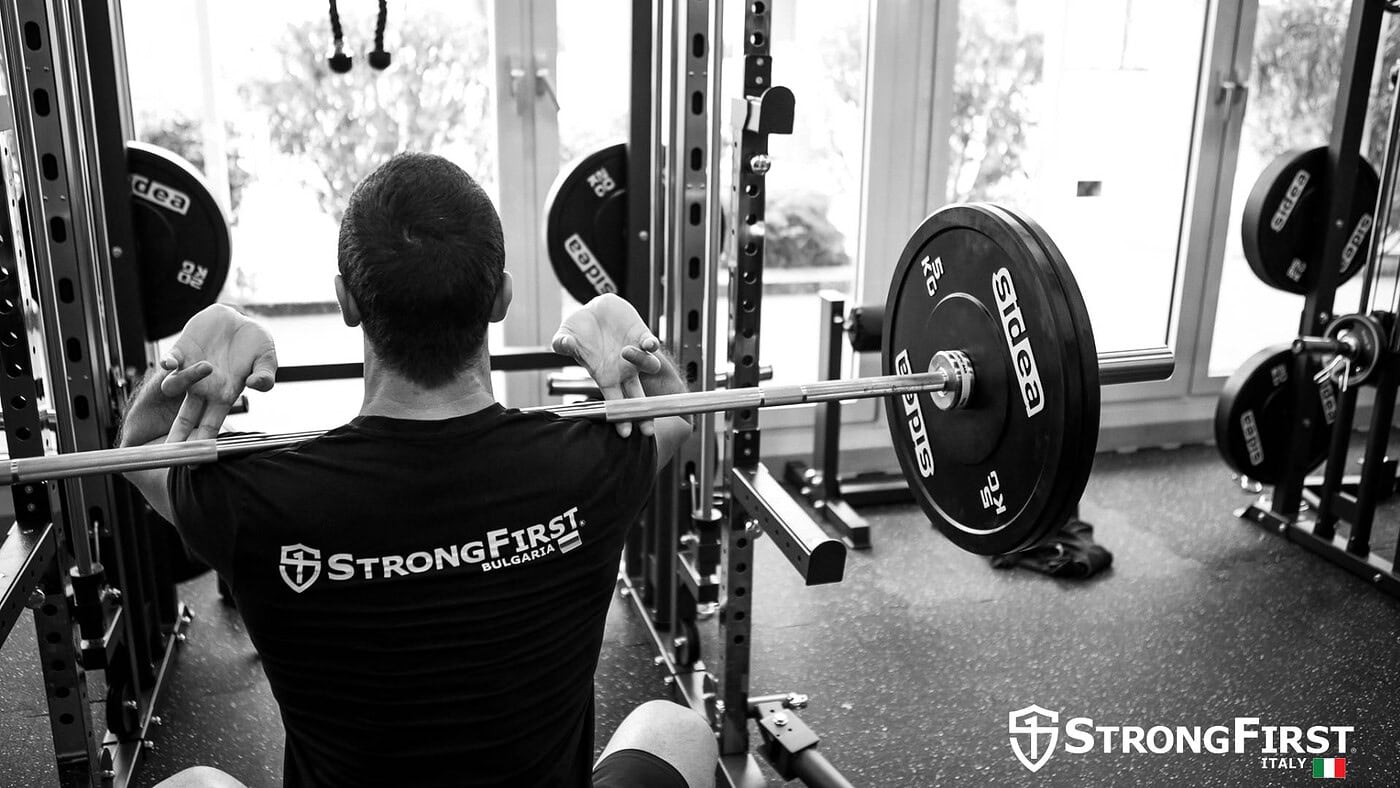
This is why supporting high-profile scientific events such as the Summit of Strength perfectly represents the SIDEA philosophy:
Train better to become truly stronger.
Conclusion: being bigger does not automatically mean being stronger
The final message that emerged from Prof. Antonio Paoli's lecture is clear:
Strength cannot be reduced to muscle size alone.
The performance results from the interaction between:
- nervous system;
- muscle architecture;
- biomechanics;
- technique;
- nutrition;
- muscle quality;
- coaching experience.
And it is precisely this complexity that makes the world of strength training so fascinating.
For coaches, athletes and fans, the real goal should not just be “getting bigger”, but:
build a body capable of expressing strength in an efficient, coordinated and functional manner.
Dr. M. Maraldi
High Performance Packs
2.293,60€ FEES and TAXES NOT INCLUDED
Questo prodotto ha più varianti. Le opzioni possono essere scelte nella pagina del prodotto


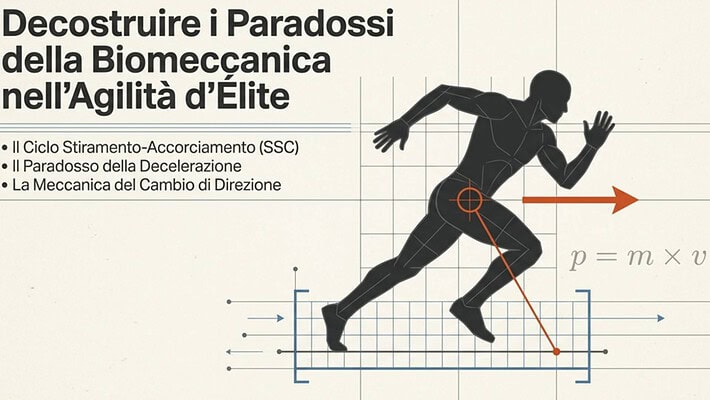
Elite agility: why changing direction isn’t just a matter of strength
Introduction: Agility is not just about being quick on your feet. When we talk about agility, the temptation [...]
30
Jun
Jun
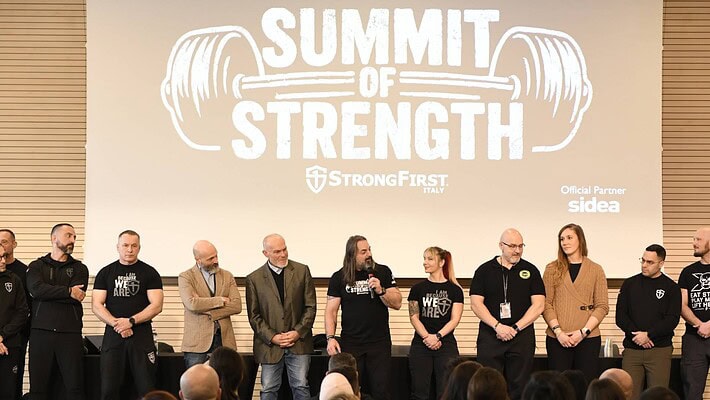
Maximum strength and team sports
When strength becomes performance: Dr Mauro Franzetti’s contribution to the Summit of [...]
26
Jun
Jun
ATHX Games 2026: what it is, how it works and how to prepare for the hybrid competition
The evolution of HYBRID training In recent years, competitive fitness has evolved towards formats that are increasingly [...]
18
Jun
Jun
Definitive Guide to Bumper Plate Selection: How Not to Get Your First Set Wrong and Optimise Performance
The truth that no one tells you? Choosing a bumper disc is not just a matter [...]
29
May
May
Structure Governs Function: Dr Luca Franzon at the Summit of Strength in Cesena
A journey into the myofascial system that is revolutionising strength, movement and performance - from 1 [...]
26
May
May

The Ultimate Guide to Choosing SIDEA Handlebars
How and why choosing the right dumbbell for your workout The Dumbbell As An Investment [...]
22
May
May
Hypertrophy and strength: does being more muscular really mean being stronger?
From the Summit of Strength 2026 in Cesena the new scientific evidence explained by Prof. Antonio [...]
15
May
May
StrongFirst Summit of Strength 2026 in Cesena: Tiago Proença's BASE System
When “functional training” stops being a slogan Functional training is probably one of the most [...]
15
Apr
Apr
 Defibrillator AED
 Gift CardSidea
 Spare parts