















-
×
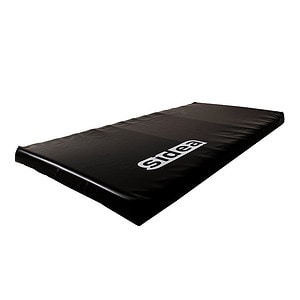 0405 Big Mat
1 × 229,51€
0405 Big Mat
1 × 229,51€ -
×
 9021/1 Pair of anklets
2 × 38,13€
9021/1 Pair of anklets
2 × 38,13€ -
×
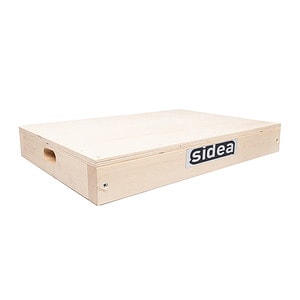 9114 Wooden Step h10
1 × 105,23€
9114 Wooden Step h10
1 × 105,23€ -
×
 R9088/28 Aiop Decorative Cover - 2.4
1 × 11,52€
R9088/28 Aiop Decorative Cover - 2.4
1 × 11,52€
When strength becomes performance: Dr Mauro Franzetti’s contribution to the Summit of Strength
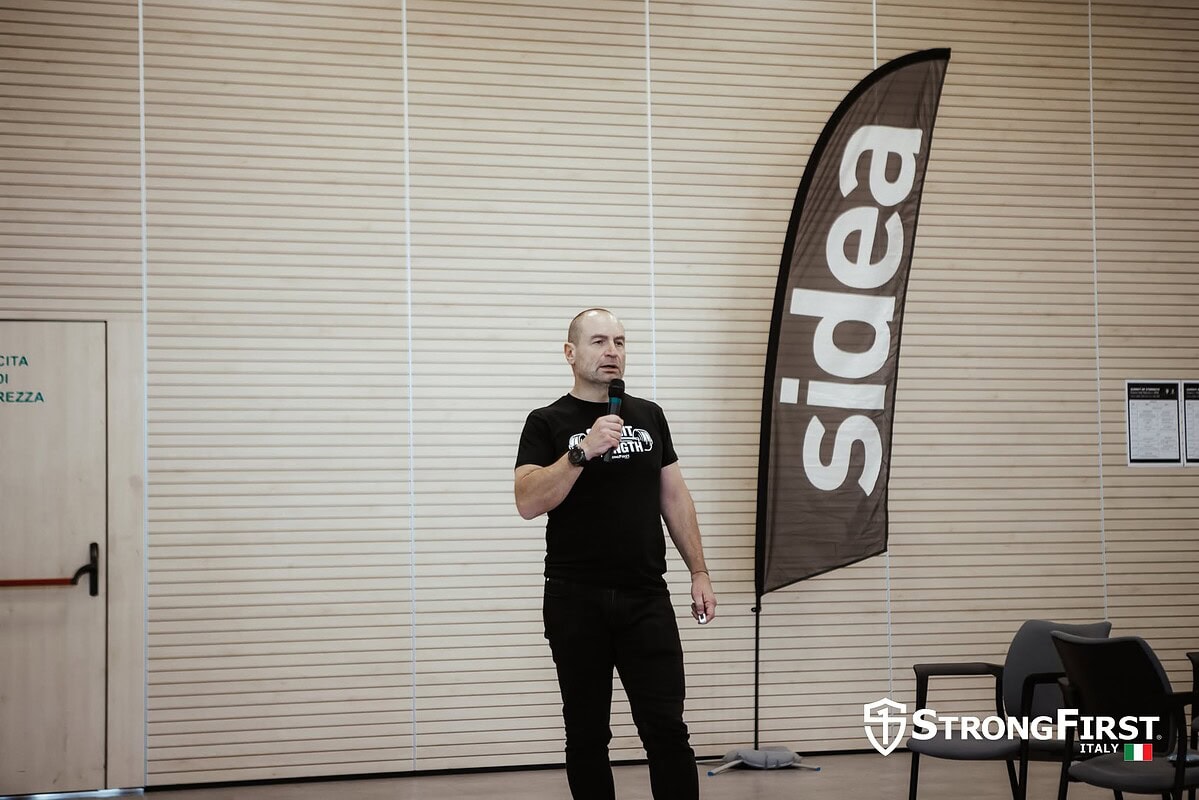
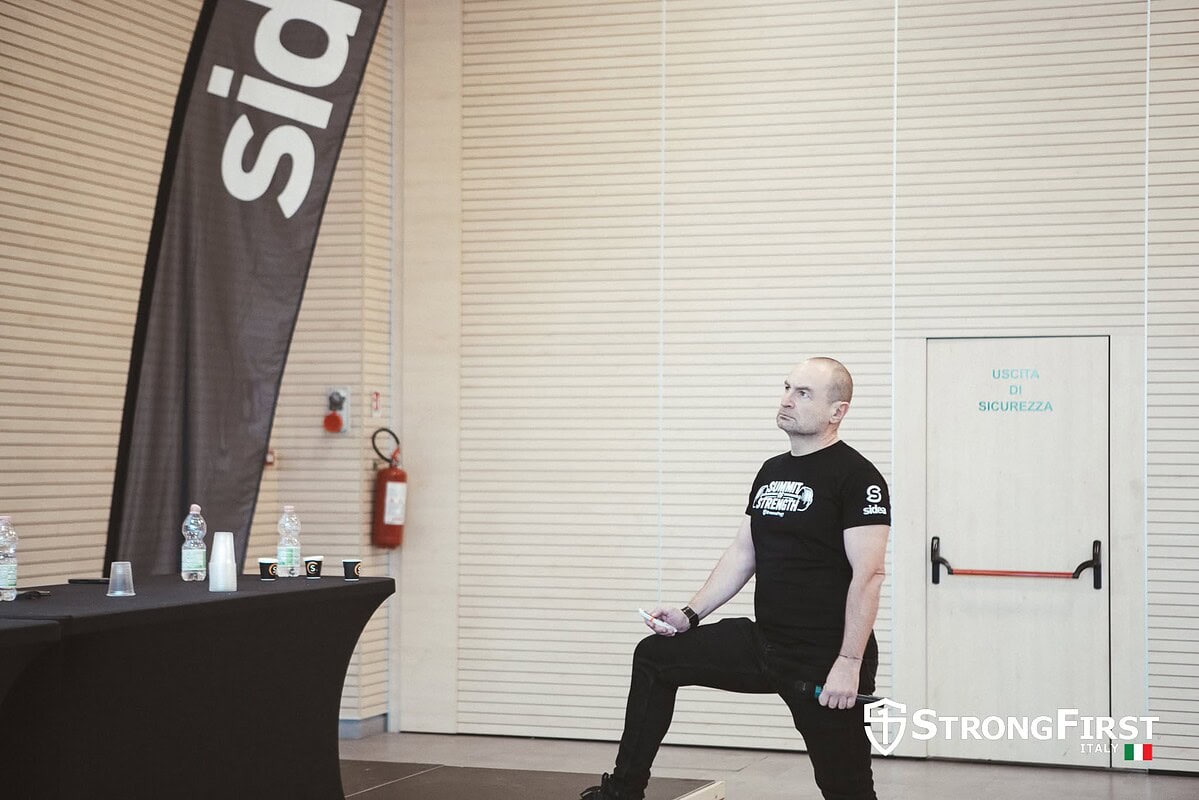
On 1 February 2026, Cesena hosted the Summit of Strength, a StrongFirst event sponsored by SIDEA, dedicated to the culture of strength, athletic training and the dissemination of scientific knowledge applied to movement.
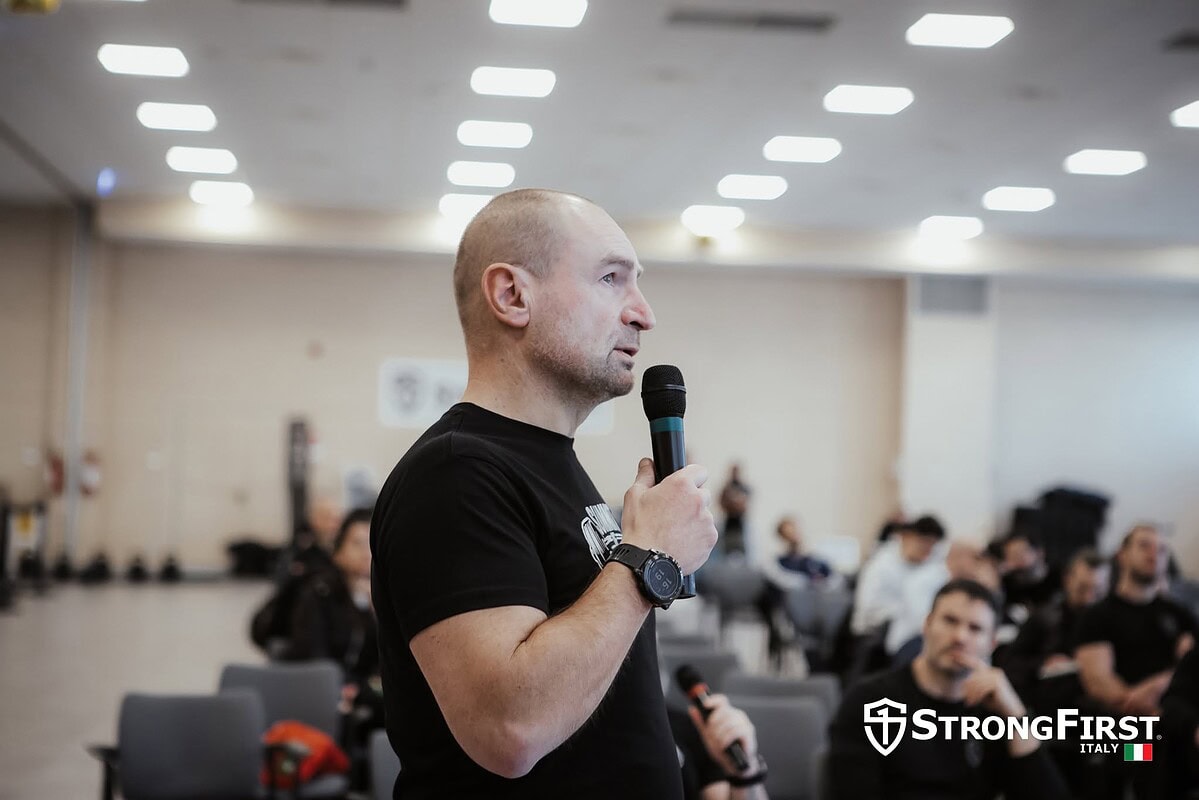
One of the most notable presentations of the day was that given by Dr Mauro Franzetti, PhD, a professional strength and conditioning coach and StrongFirst Elite, who addressed a key issue for those working in modern sport: the role of maximum strength in team sports, with particular reference to football.
A topic that may seem technical, but is in fact fundamental to understanding how modern athletic performance is built. Because these days, talking about strength no longer means talking solely about barbells, heavy loads or maximum strength tests. It means talking about acceleration, deceleration, changes of direction, injury prevention, the ability to repeat intense efforts and the quality of movement.
In other words, it means talking about what’s actually happening on the pitch.
Modern football has changed: it’s more intense, faster and more physically demanding
One of the starting points for Dr Franzetti’s presentation was the change in the way football is organised.
Compared with the 1970s and 1980s, modern football demands that players cover greater distances, but above all, it requires a higher proportion of high-intensity actions. It is not just “how much” one runs that matters, but how one runs: accelerating, braking, changing direction, breaking away, challenging opponents and maintaining technical composure under pressure.
This point is also crucial for the general public: a modern footballer is not simply an athlete with great stamina. He is an athlete who must generate force in a very short space of time, direct it in the right direction and manage it in unpredictable situations.
A match is not a continuous run. It is a sequence of intermittent, explosive and multi-directional actions. And in this context, maximum strength becomes a crucial physical foundation.
Maximum strength isn’t just about “lifting more”
In everyday language, maximum strength is often associated with the ability to lift a very heavy load just once. This is a correct definition, but it is incomplete.
In the context of team sports, maximum strength acts as a sort of general “engine”. The more force an athlete is able to generate, the greater their potential to demonstrate power, speed, stability and control.
This does not mean that every footballer has to train like a powerlifter. Rather, it means that adequate strength development enables the athlete to cope better with the demands of the match: to accelerate more effectively, withstand tackles, brake with greater control, reduce the energy cost of certain movements and cope better with the demands of the season.
Strength, therefore, is not an end in itself. It is a tool that serves performance.
Acceleration and deceleration: the invisible heart of performance
One of the most interesting aspects of the presentation was the role of acceleration and deceleration.
When we talk about speed in football, the focus is often on sprinting. But the actual game is also — and above all — about deceleration. Every change of direction, every mark, every run to get free, every press and every counter-attack requires the ability to accelerate and then decelerate quickly and efficiently.
Deceleration places a great deal of strain on the muscles, tendons and joints. Braking means absorbing force. It means controlling the body whilst inertia pushes it in one direction and the game requires you to move in another.
This is why Dr Franzetti has placed great emphasis on training in braking, eccentric loading, foot placement control and the ability to manage horizontal forces. It is not enough to be strong “when pushing”; you must also be strong when stopping.
And this is precisely where modern physical training meets injury prevention. An athlete who is better at decelerating not only performs better: they are also potentially better protected against overuse and high-risk situations, particularly for the knees, hamstrings and the structures involved in changes of direction.
Vertical vector or horizontal vector? The answer lies in the context
Another key point in the presentation concerned a much-debated question in strength and conditioning: to improve sporting performance, is it better to use exercises with a vertical force vector, such as squats and vertical jumps, or exercises with a horizontal force vector, such as pushes, resistance sprints and hip thrusts?
As is often the case in the science of training, the most useful answer is not a rigid one.
Dr Franzetti emphasised that the choice of exercises must take into account the specific nature of the movement, but without falling into the trap of merely imitating the sport superficially. Strength training does not mean replicating a match in the gym. It means building physical qualities that can be transferred to the pitch.
For this reason, an effective programme can include both vertical-dominant and horizontal-dominant exercises. Squats, deadlifts, jumps, pushing exercises, braking and acceleration are not competing elements: they are different components of the same framework.
The question is not “which exercise is the best overall?”, but “which exercise is best for this athlete, at this moment in time, with this particular goal in mind?”.
Combined training: can strength and endurance go hand in hand?
In team sports, strength is never trained in an ideal environment. Athletes also have to run, do metabolic work, practise tactics, recover, travel, play matches in quick succession and manage fatigue.
This gives rise to the concept of concurrent training, that is, the combination of strength training with aerobic or metabolic training.
The risk, when training is poorly planned, is the so-called interference effect: one stimulus can reduce the adaptation brought about by another. But this does not mean that strength and endurance are incompatible. It means that they must be planned carefully.
The message is extremely practical: in team sports, it is not enough simply to know which exercises to include. You need to know when to include them, at what intensity, in what volume, and how far apart from other training stimuli.
Planning therefore becomes a key skill. It is not merely an organisational detail: it is an integral part of the outcome.
Bilateral and unilateral: not a choice, but a combination
Another topic addressed by Dr Franzetti concerns the relationship between bilateral and unilateral exercises.
Bilateral exercises, such as squats and deadlifts, generally enable the development of high levels of overall strength. Unilateral exercises, such as lunges, split squats and single-leg variations, on the other hand, place significant demands on stability, control, coordination and the management of asymmetries.
In team sports, where most movements involve alternating weight-bearing, twisting or dynamic balance, unilateral training plays a very important role. However, this does not detract from the value of bilateral exercises.
The conclusion reached is clear: a well-structured programme should include both. General strength and specific strength should not be viewed as two separate worlds, but as different levels of the same process.
Range of motion and specific angles: the body needs to be trained, not just “positioned”
The debate on specific angles is another topic that features heavily in athletic training.
Is it better to train within ranges of motion similar to those used in the sport, or to use a wider range of motion?
Here too, the answer is not an ideological one. Training must adhere to the principle of specificity, but without compromising the all-round development of physical qualities. An adequate range of motion can contribute to the development of strength, muscle mass, active mobility and the tissues’ ability to tolerate stress in different positions.
For the athlete, this means having more motor resources at their disposal. And in real-life sport, where situations are never entirely predictable, having more resources often means moving more effectively.
Planning a season: strength as a skill
The final part of the presentation brought the topic down to a very practical level: how to plan strength training over the course of a sporting season.
Dr Franzetti presented examples of annual planning, distinguishing between the pre-season phase, the competitive period and the later stages of the season. The aim is not to train everything all the time, but to distribute the training stimuli intelligently.
In the initial phase, technique is developed, motor patterns are consolidated, load benchmarks are established, and the athlete is prepared to tolerate higher intensities. During the season, however, strength must be maintained and developed without compromising freshness, match readiness and recovery.
One of the most interesting concepts is that of strength as a skill. Strength is not just a muscular quality: it is a neuromuscular skill. It must be learnt, refined, maintained and integrated into movement.
This approach moves beyond the old muscle-centred view and takes athletic training in a more modern direction: strength is not separate from coordination, technique and motor control. It is part of the way in which the athlete solves problems during the game.
The SIDEA philosophy: equipment, culture and the science of movement
The value of an event such as the Summit of Strength extends beyond a single day of training. Its importance lies in the cultural direction it points towards.
For SIDEA, sponsoring initiatives of this calibre means promoting a vision of training based on expertise, method and responsibility. Equipment is never just an object: it is a tool through which coaches, trainers, physiotherapists and athletes create high-quality movement.
This is precisely where SIDEA’s philosophy stems from: Move Smarter, Get Stronger, Live Better.
Training better does not simply mean doing more. It means understanding why you make a particular choice, what adaptation you are aiming for, and how that adaptation can improve your performance, health and quality of movement.
In this regard, SIDEA does not merely provide solutions for gyms, sports centres, functional studios and professional facilities. SIDEA is committed to helping foster a more informed culture of training, in which science is not confined to laboratories but becomes a practical language for those working in the field every day.
From the field to the gym: bridging the gap between research and practice
Dr Mauro Franzetti’s presentation clearly demonstrated just how important it is to build a bridge between scientific research and practical application.
The science of training must not become a source of unnecessary complexity in its own right. It must help us make better choices: selecting exercises, adjusting training loads, allowing for recovery time, understanding the athlete’s needs, and adapting the training programme to the competition calendar.
At the same time, practice cannot be based solely on intuition or personal experience. Experience is fundamental, but it becomes even more powerful when guided by data, scientific literature and a coherent methodological approach.
It is precisely in this context that events such as the Summit of Strength prove invaluable: forums where professionals from different fields can exchange ideas, keep up to date and develop a common language.
Conclusion: strength as a way of life, not just a trend
Dr Franzetti’s presentation at the Summit of Strength in Cesena reiterated a fundamental concept: in team sports, maximum strength is not merely an added bonus. It is the foundation upon which acceleration, deceleration, power, control, resilience and consistent performance are built.
But strength, to be truly effective, must be trained systematically. It must form part of a well-thought-out programme. It must be integrated with technique, performance models, injury prevention and the actual demands of the season.
This is the message that SIDEA promotes through its commitment to raising awareness of the science of movement: to make training more mindful, more effective and better tailored to the real needs of athletes, coaches and professional organisations.
Because strength is not just a physical quality.
It’s a culture.
And it is from this culture that a smarter way of training, becoming stronger and living better emerges.
FAQ
What is the purpose of maximum strength in team sports?
Maximal strength provides a fundamental physical basis for generating power, acceleration, stability, the ability to resist force and control during deceleration. It is not only useful for lifting heavy loads, but also for improving the overall quality of sporting performance.
Why is deceleration so important in football?
Deceleration enables athletes to slow down, change direction, react to opponents and control their bodies in high-intensity situations. It is a crucial skill for both performance and injury prevention.
Is it better to do bilateral or unilateral exercises?
In team sports, it is beneficial to incorporate both. Bilateral exercises help to develop high levels of overall strength, whilst unilateral exercises improve control, stability, coordination and the management of asymmetries.
What is concurrent training?
Concurrent training is the combination of strength training and metabolic or endurance training. In team sports, it is unavoidable, but it must be carefully planned to avoid interference and optimise adaptations.
What role does SIDEA play in popularising the science of movement?
SIDEA promotes a training culture based on methodology, scientific evidence and practical application. Through events, educational content and professional training solutions, SIDEA helps to foster a more informed understanding of strength, movement and physical conditioning.
In summary
Dr Mauro Franzetti, a StrongFirst Elite strength and conditioning coach, presented on the role of maximal strength in team sports at the 2026 Summit of Strength, sponsored by Sidea. In modern football, accelerations, decelerations and intermittent movements require strength as the foundation for power, control and injury prevention. Concurrent training, bilateral-unilateral integration and seasonal programming transform strength into neuromuscular skills that can be transferred to the pitch.
Domande frequenti
-
Maximal strength is the driving force that enables athletes to generate high levels of power in a very short space of time. A greater ability to generate force translates into more effective acceleration, better control when braking and a reduction in the energy cost of high-intensity movements. It is not about lifting maximum loads in competition, but about building a neuromuscular foundation that improves explosive qualities and motor control.
-
Deceleration requires eccentric work, control of foot placement and the ability to manage horizontal forces. Exercises such as controlled braking, progressive changes of direction, single-leg exercises and movements that emphasise the load-absorption phase prepare muscles, tendons and joints to withstand the impact of repeated braking. Deceleration is more demanding than propulsion and requires specific training to reduce the risk of injury to the knees and hamstrings.
-
Concurrent training is the combination of strength training with metabolic or endurance work. In team sports, it is unavoidable: athletes must build strength whilst also running, employing tactics and playing closely contested matches. The risk lies in the interference effect, whereby one type of training reduces the body’s adaptation to the other. Intelligent planning resolves this problem: spreading training stimuli over time, balancing intensity and volume, allowing sufficient recovery time, and ensuring that strength training sessions are spaced apart from metabolic sessions.
-
Bilateral exercises such as squats and deadlifts enable the development of high levels of overall strength and form the basis of general training. Unilateral exercises such as lunges, split squats and single-leg variations introduce demands for stability, coordination and the management of asymmetries, which are fundamental in sports where movements involve alternating weight-bearing. An effective programme incorporates both: general strength through bilateral exercises, and specific control and injury prevention through unilateral exercises.
-
There is no set answer. The choice depends on the specific nature of the movement and the stage of preparation. Squats and vertical jumps develop strength and power in the vertical direction, whilst push-offs and resistance sprints work on the horizontal vector typical of acceleration. Strength training is not about replicating match situations in the gym, but about building transferable physical qualities. A comprehensive programme incorporates both directions, selecting exercises based on the athlete, the stage of the season and the objectives.
-
During the pre-season, technique is developed, movement patterns are consolidated and athletes are prepared to cope with high levels of intensity. During the competitive season, strength must be maintained and developed without compromising freshness and recovery for matches. The training programme spreads the training stimuli over time: volume and intensity vary according to the fixture list, accumulated fatigue and the athlete’s availability. Strength becomes a skill to be maintained, not an isolated training block.
-
Strength is not merely a muscular quality; it is a neuromuscular skill. It must be learnt, refined, maintained and integrated into movement. This approach goes beyond a muscle-centred view: strength is not separate from coordination, technique and motor control. It is the way in which the athlete solves problems during play. Treating it as a skill means training it through technical progressions, feedback, variability and transferability to the real sporting context.
-
An athlete with good levels of maximum strength copes better with the demands of the season, manages decelerations and changes of direction with greater control, reduces the energy cost of certain movements and protects joints, tendons and muscles. Strength improves the ability to absorb repeated stress, stabilises the joints in high-risk situations and prepares the tissues to withstand the stresses of the game. It is not an absolute guarantee, but it provides a crucial physical foundation for reducing the risk.


Rack Station
582,55€ 1.471,63€Fascia di prezzo: da 582,55€ a 1.471,63€ FEES and TAXES NOT INCLUDED
Questo prodotto ha più varianti. Le opzioni possono essere scelte nella pagina del prodotto

Does strength come from the ground? The Military Press and the body’s hidden synergy
Before you can push, you need something to push against. Before force comes support. [...]
29
Sep
Sep
PHA and Jump Sets on the 9089K1 Cable Station: train strength, circulation and muscle density all in one station
PHA and Jump Sets on the 9089K1 Cable Station: build strength, improve microcirculation by increasing [...]
28
Jul
Jul
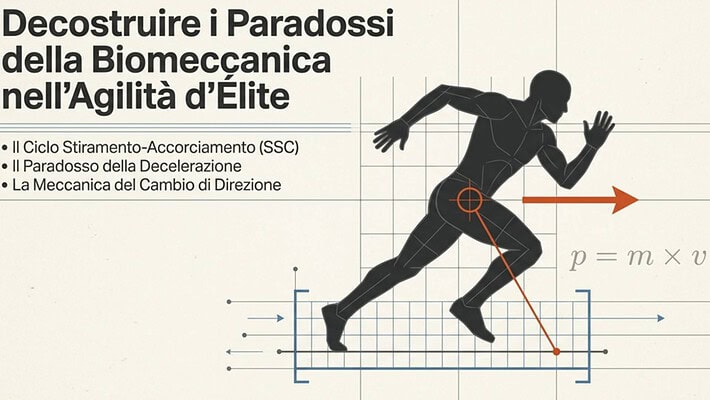
Elite agility: why changing direction isn’t just a matter of strength
Introduction: Agility is not just about being quick on your feet. When we talk about agility, the temptation [...]
30
Jun
Jun
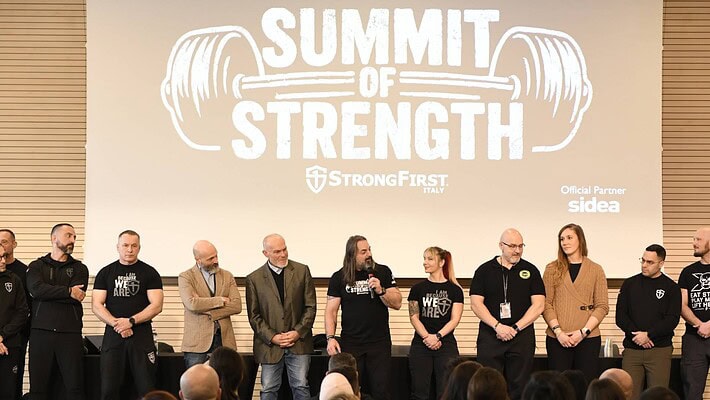
Maximum strength and team sports
When strength becomes performance: Dr Mauro Franzetti’s contribution to the Summit of Strength [...]
26
Jun
Jun
ATHX Games 2026: what it is, how it works and how to prepare for the hybrid competition
The evolution of HYBRID training In recent years, competitive fitness has evolved towards formats that are increasingly [...]
18
Jun
Jun
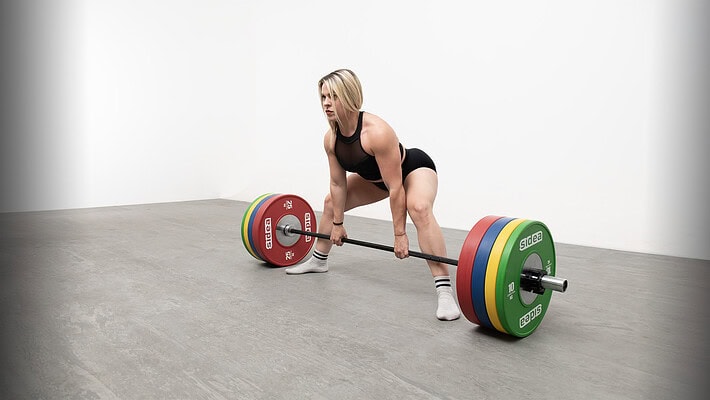
Definitive Guide to Bumper Plate Selection: How Not to Get Your First Set Wrong and Optimise Performance
The truth that no one tells you? Choosing a bumper disc is not just a matter [...]
29
May
May
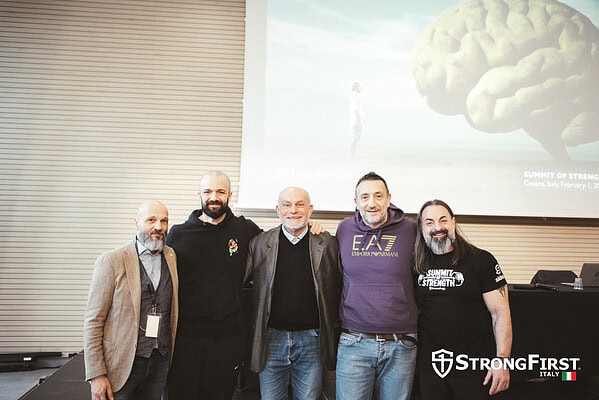
Structure Governs Function: Dr Luca Franzon at the Summit of Strength in Cesena
A journey into the myofascial system that is revolutionising strength, movement and performance - from 1 [...]
26
May
May

The Ultimate Guide to Choosing SIDEA Handlebars
How and why choosing the right dumbbell for your workout The Dumbbell As An Investment [...]
22
May
May
 Defibrillator AED
 Gift CardSidea
 Spare parts