















ACCORDING TO MINISTERIAL DECREE 15 AUGUST 2015- MINISTERIAL DECREE 12 APRIL 2019 AND MINISTERIAL DECREE 18 OCTOBER 2019
The materials that we use to furnish our business, like all the other materials that will be present within it, contribute more or less significantly to combustion in the event of a fire.
For this reason, materials are classified by their reaction to fire, so that we can choose the ones that will be the safest to include in the context of our activity.
The choice of materials is very important in counteracting or reducing the damage of a possible fire: the greater the risk of our activity, the more it will be necessary to use materials that do not contribute to the fire, in order to ensure that the occupants can escape safely and that the rescuers can intervene without danger to their health.
The reference legislation in force for fire prevention is the 'Fire Prevention Code', i.e. the technical standards for fire prevention in Annex 1 to Ministerial Decree of 3 August 2015 as amended and supplemented
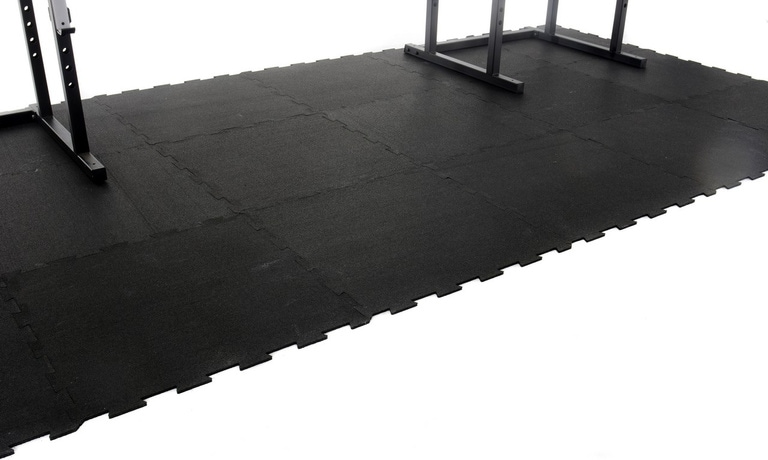
ECOGYM E-class floor covering
CLASSES OF MATERIALS
As indicated by the fire prevention code in chapter S1, where the reaction to fire of the materials present within the activity is assessed, we find a classification of materials in groups called GM0, GM1, GM2,GM3,GM4, each grouping both materials classified according to the Italian and European classification system with similar fire behaviour within the same group.
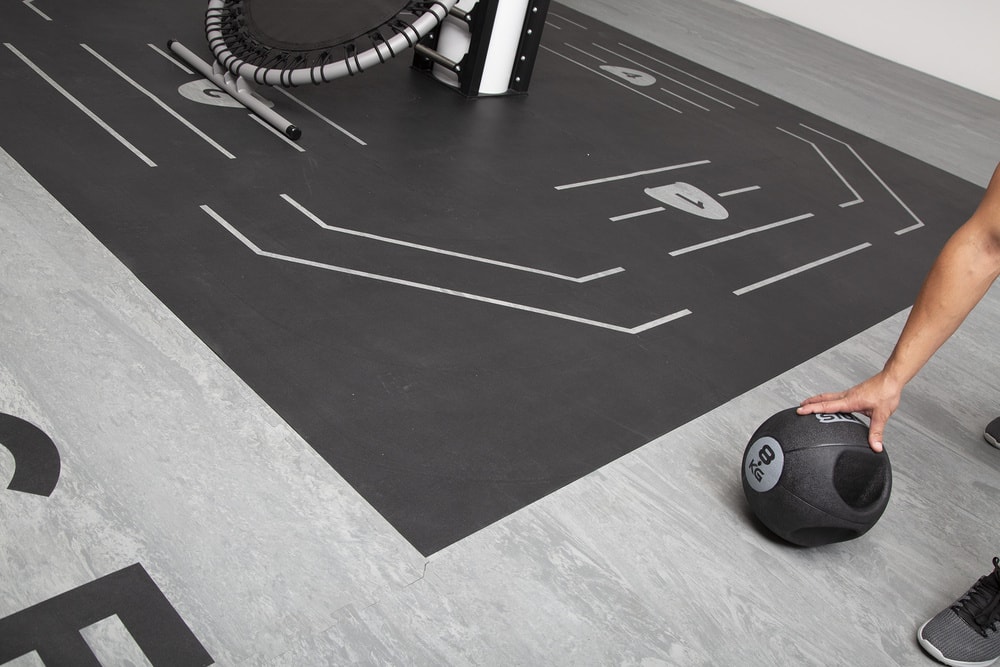
OUTRACE class C floor covering
REACTION TO FIRE: reaction to fire is a passive fire protection measure that exerts its main effects in the initial phase of a fire, with the aim of limiting the ignition of materials and the propagation of fire. It refers to the fire behaviour of materials under actual end-use conditions, with particular regard to the degree of fire participation they exhibit under standardised test conditions.
SIDEA has a wide range of floors classified for fire resistance, suitable for every situation and for every activity, in particular it has materials classified as GM4 (class E), GM3 (class C) and GM2 (class B).
HOW CAN I FIND OUT WHAT MATERIALS AND FLOORING I CAN USE IN MY GYMNASIUM?
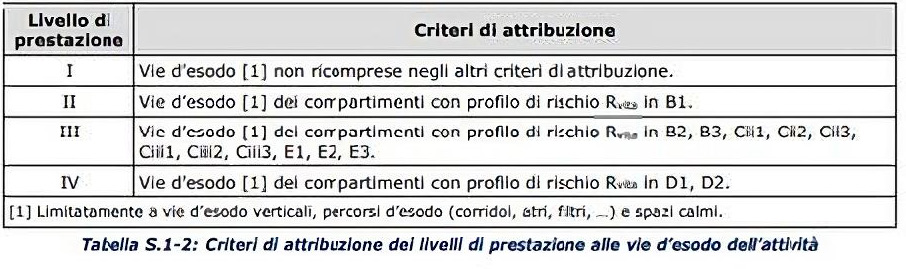
The Ministerial Decree of 3 August 2015 works through the so-called 'performance levels', which in this case, in chapter S1 concerning reaction to fire, depend entirely on the Life Risk level we have in our activity, it represents the type of occupants and the rate of combustion of the elements present within the activity.
In the case of a gymnasium, the type of occupants we will have will always be "in a state of wakefulness who are unfamiliar with the building", hence type B, and we will have a rate of combustion of the materials that will vary between slow (1) and medium (2), we can therefore conclude that in an activity of this type we can only have two types of life risk: B1 or B2.
Let us therefore analyse the two possible cases for a gymnasium.
In Chapter S.1 of the Ministerial Decree of 3 August 2015, we find a distinction between materials that can be used along escape routes and those that can be used throughout the rest of the activity.
In both cases, the code offers us 4 levels of performance of which we will consider s level II and level III for table S.1-2 concerning escape routes
while for the materials to be used in the rest of the activity, shown in table s.1-3 we will consider levels I and II
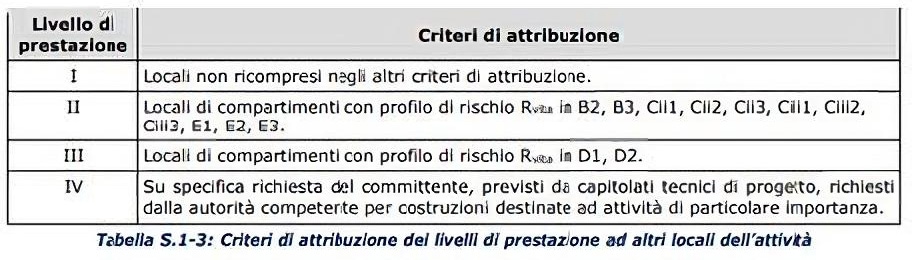
*The difference between a B1 and B2 life risk lies in the fire load, it therefore depends on what is kept inside the gymnasium (equipment and materials in the gymnasium) and whether the combustion of materials is considered to be at a "medium" or "slow" rate. This is an assessment that is made by the fire planner at the design stage and therefore cannot be made independently by the employer (unless he is not competent to do so).
GYM WITH LIFE RISK PLACED IN B1:
in this first case for the escape routes we can use materials classified as GM3 and in particular, among the flooring classified for reaction to fire by Sidea, can be used:
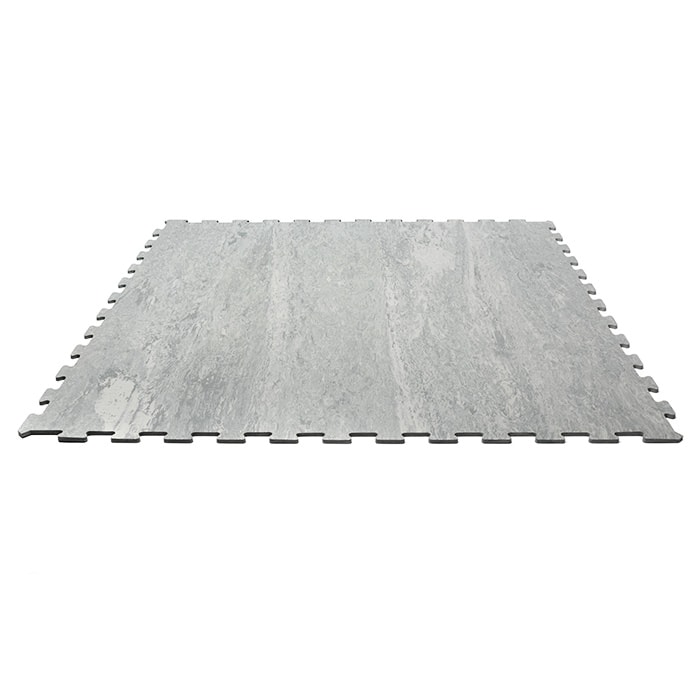
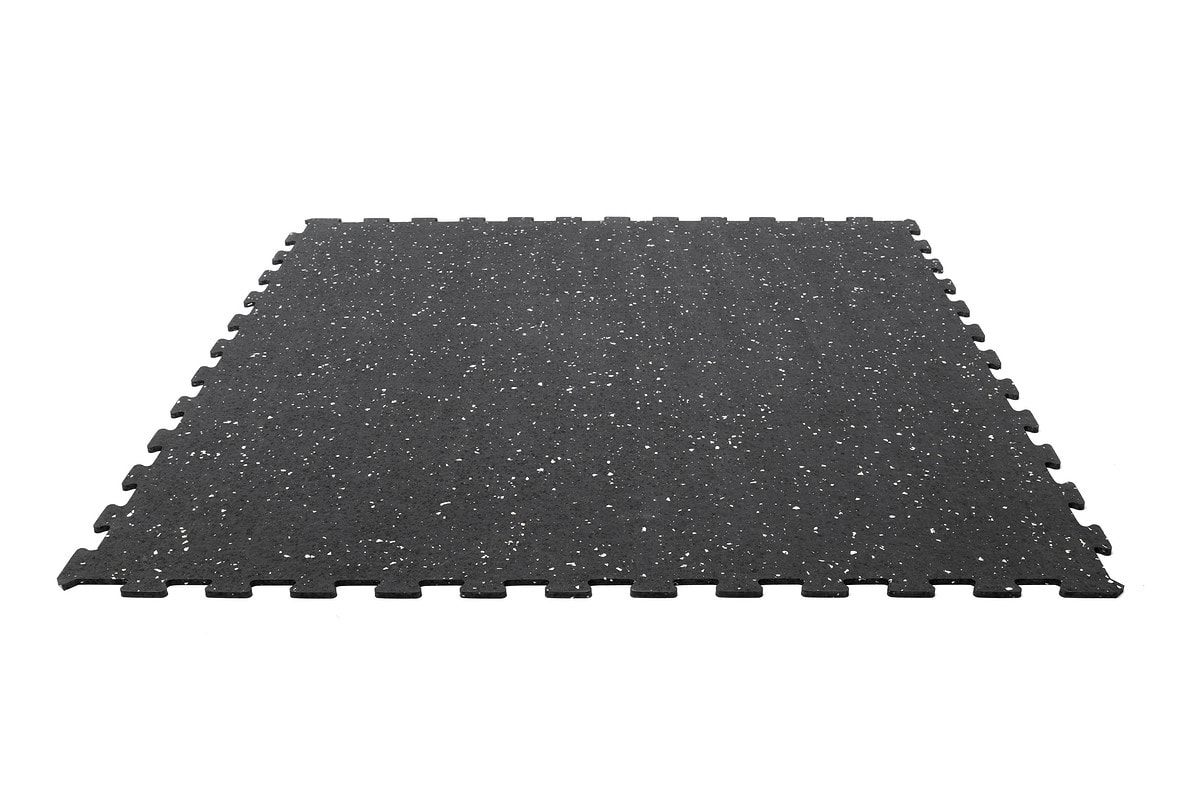
Both Class C (GM3)
While for the rest of the activity, we have no constraints on the classification of the materials used, so we can stay on the same as above or we can also use flooring
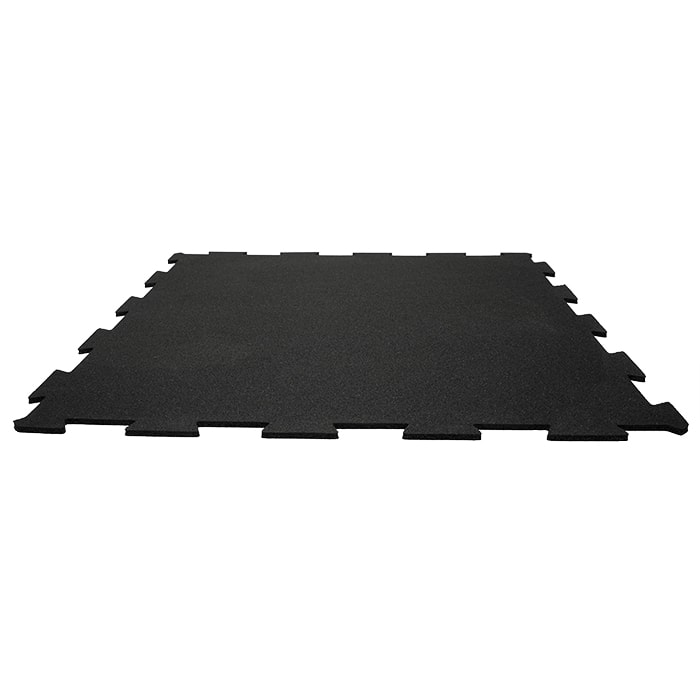
GYM WITH LIFE RISK PLACED IN B2:
In this case along the escape routes we should use GM2 type materials such as:
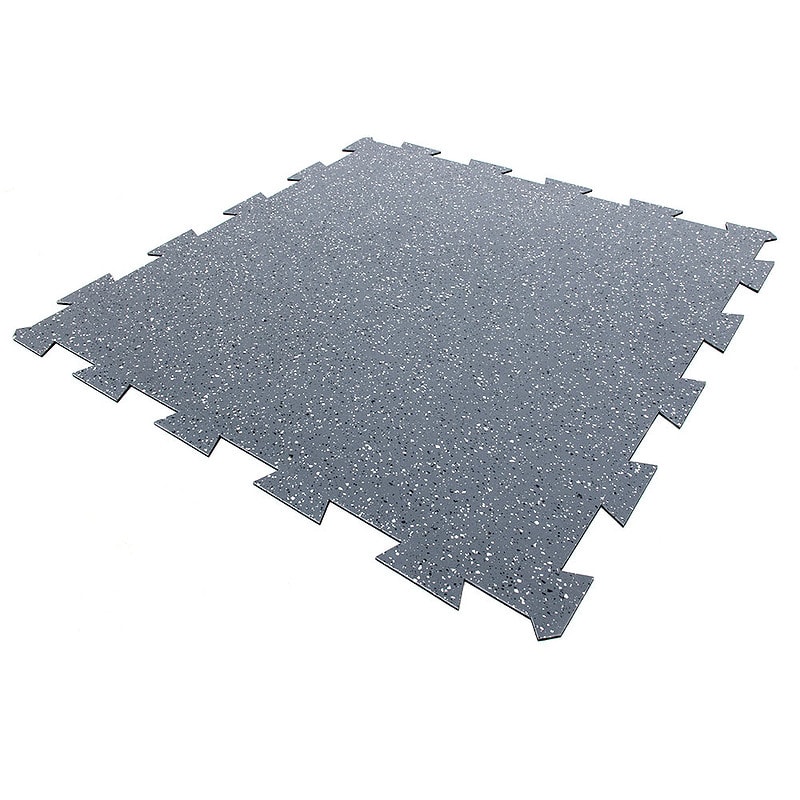
while for the rest of the materials business classified as GM3 (class C).
Eleonora Torregiani, Fire Prevention Technician

 Defibrillator AED
 Gift CardSidea
 Spare parts