











Postural Weightlifting: interview with Paolo Campra, creator of the postural education programme that subverts certain clichés.
ISEF graduate, Doctor of Motor Sciences, Kinesiologist, FIPE Olympic Weightlifting Coach and Senior Personal Trainer, FIT Physical Trainer Level I Tennis and Padel.
Since 2006 he has been working on postural and functional re-education at his kinesiology studio, and since 2018 he has expanded his activities by turning to the world of fitness understood as 'gymnastics for health', especially in the preventive and re-educational field. To this end, he founded Movilab, the movement laboratory, in 2022.
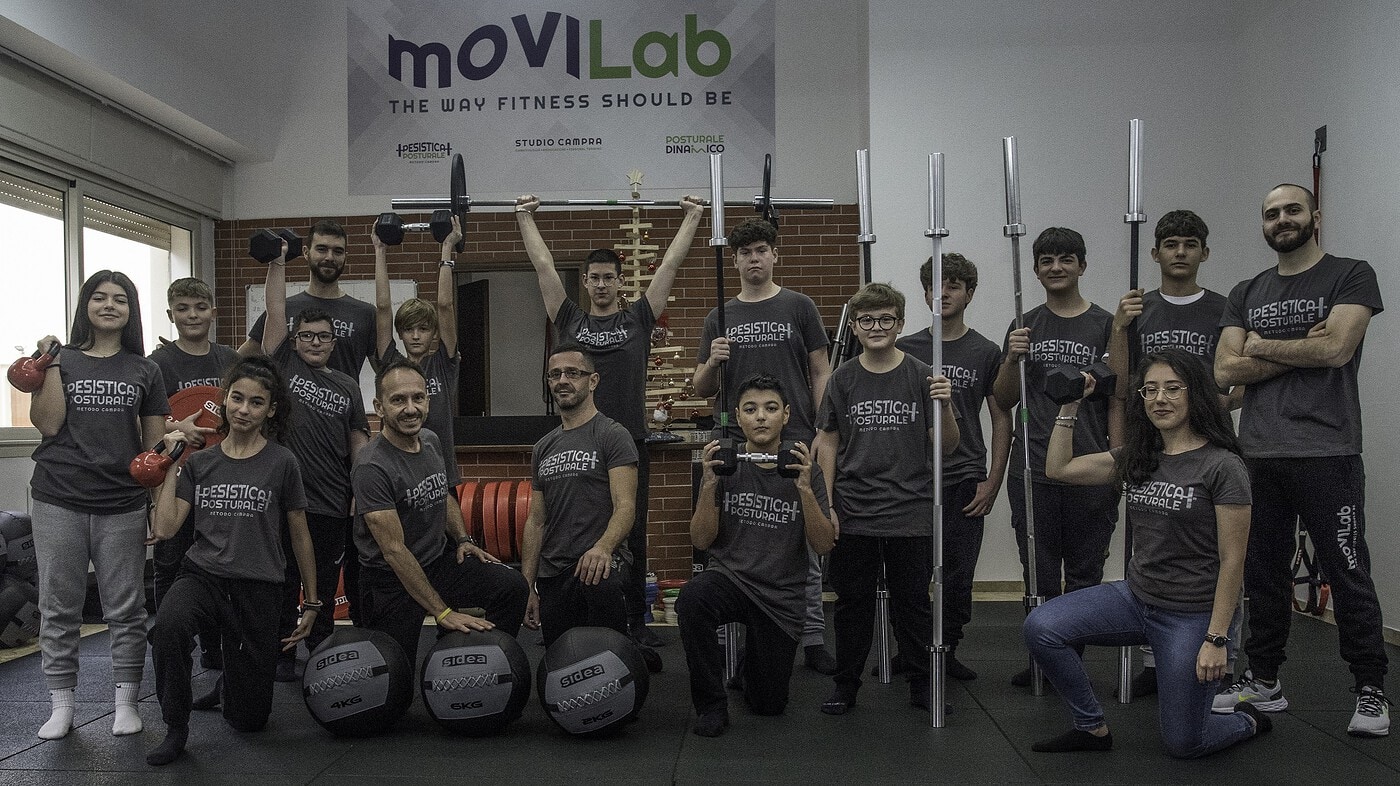
Postural Weightlifting, it might seem an oxymoron, in the same definition we find a sporting discipline that is mostly associated with the risk of injury, or in any case not indicated for the improvement of one's state of health, even more so for the young and very young, side by side with another activity, also recommended and encouraged by the medical profession for proper physical development or for the solution of certain problems. Can you better explain how the two activities can coexist together? Can you define in a few words what the method you have developed consists of?
Yes, that's right, even as I researched the name of this activity I wanted to highlight what the international scientific community has certified, effectively sanctioning what can be considered an epochal paradigm shift: from overload that is harmful to development and health, to overload necessary for harmonious development and health. In every age group.
.
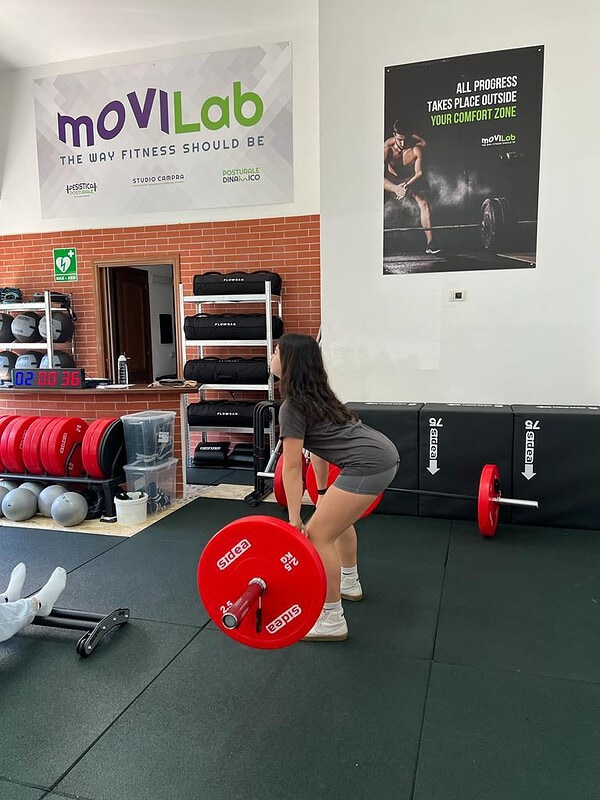
Why precisely the technical gestures of Olympic Weightlifting?
Because ever since I first approached this historical and wonderful discipline, I realised the incredible value that the technical gestures of snatch and sprint, as well as several complementary and auxiliary ones, possessed from a postural point of view, in terms of mobility, rapidity and precision of movements, perfect static-dynamic control of the general postural set-up, of the column, the scapular girdle, the coxofemoral joint and the tibiotarsal joint.
.
How did the idea for the Postural Weightlifting method come about?
As a movement professional devoted to health, I was looking for a method that focused on this aspect, which for my vision is absolutely central, to be combined, however, with a fun and engaging activity.
In my idea, the young and very young should have wanted to come to the gym, instead of being subjected to it as a family imposition or a medical prescription.
The idea of the 'Postural Weightlifting®' method was born as a response to different needs, or priorities:
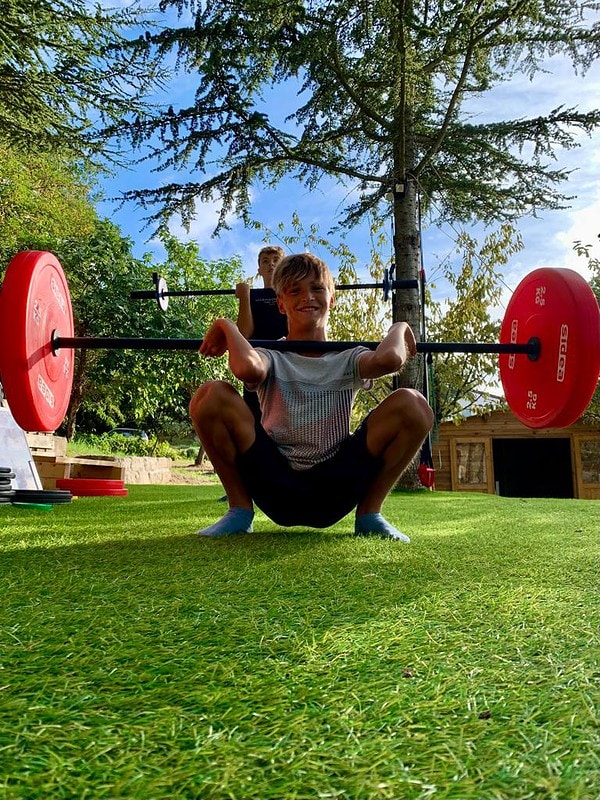
- those of parents, looking for healthy, professionally supervised activity, an alternative motor education to sedentary and hypokinesis for their children.
- those of the boys, looking for something fun and stimulating, which could lay the foundations for a physique that is not only healthy, but also more in keeping with an aesthetic ideal, which at this age works as a strong motivational component, provided it is channelled by us and brought to life without exaggeration and exasperation.
.
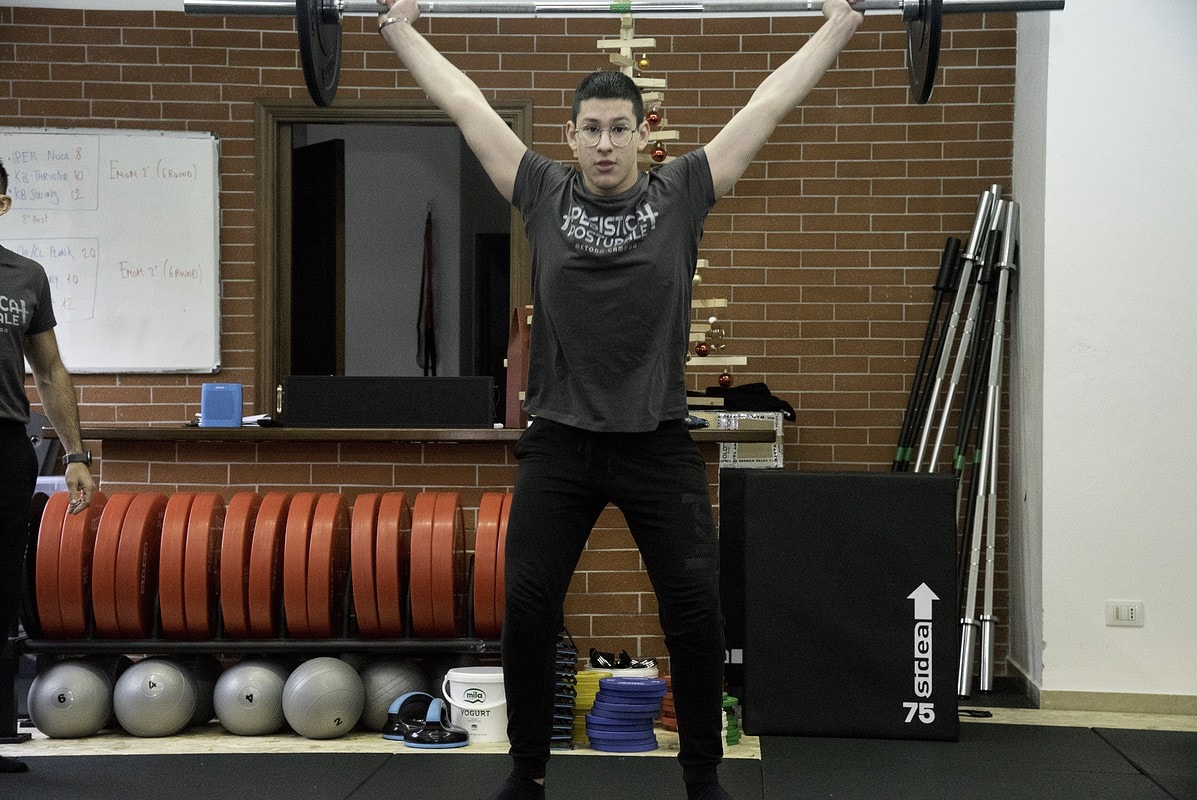
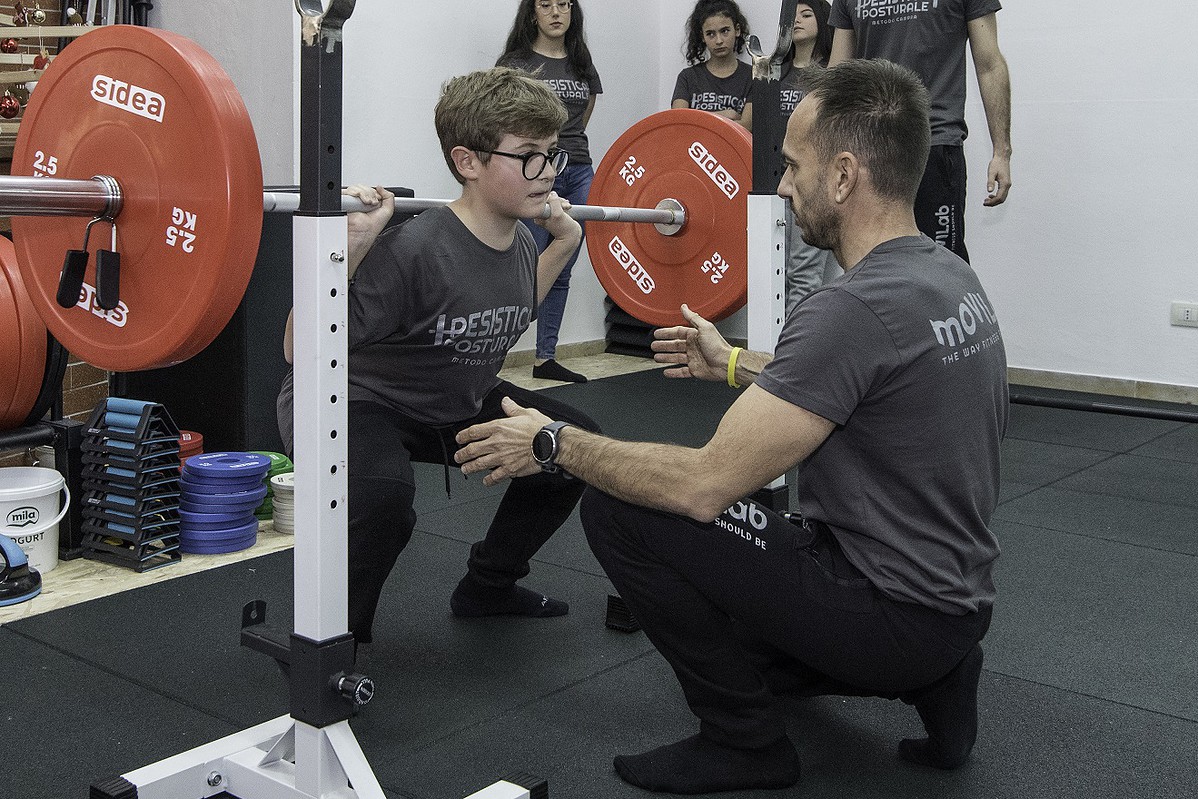
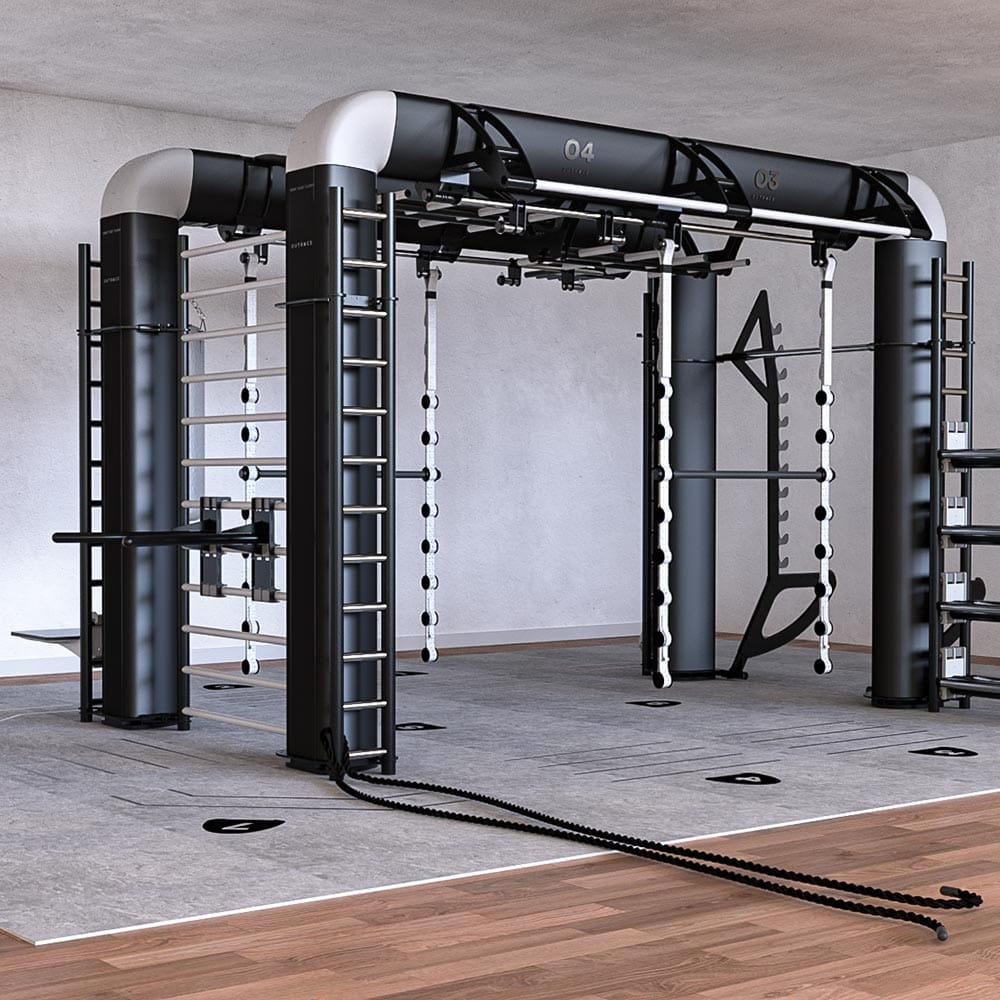
What equipment is needed to carry out the activity?
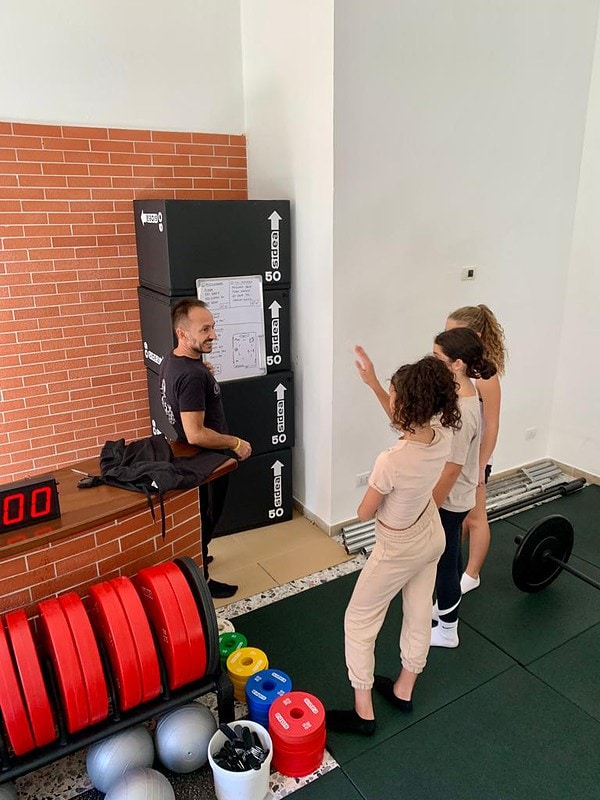
Some of the equipment will be essential for building the foundations of strength and technique in weightlifting gestures.
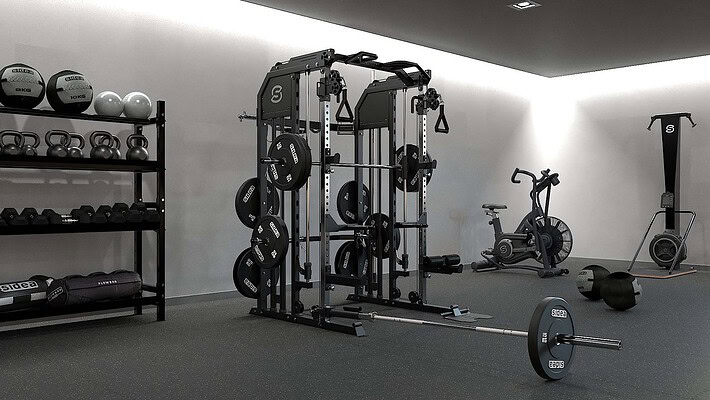
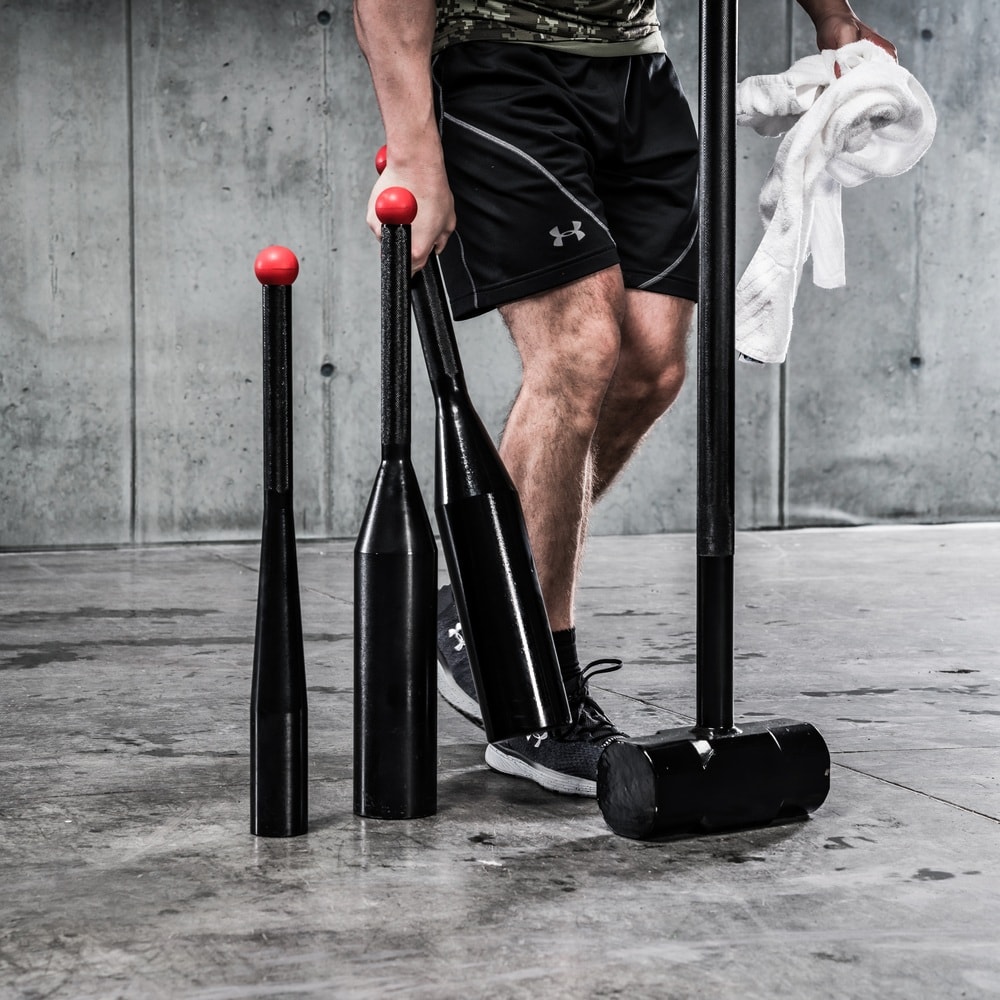
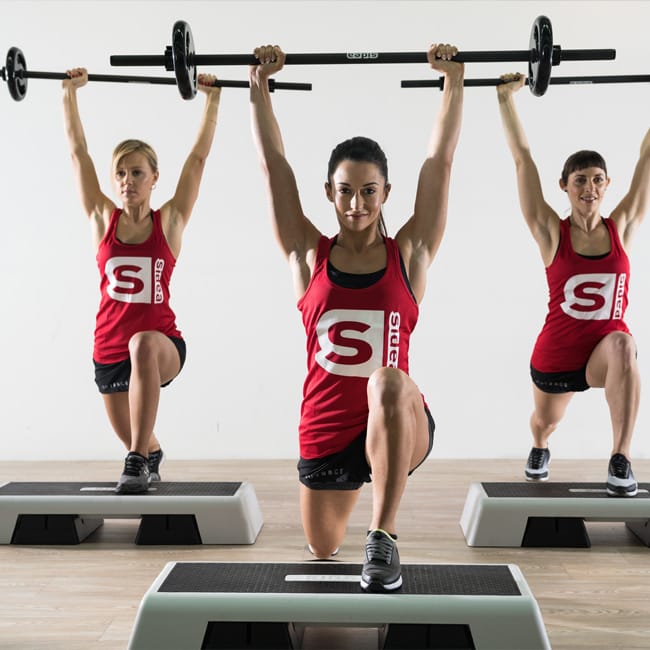
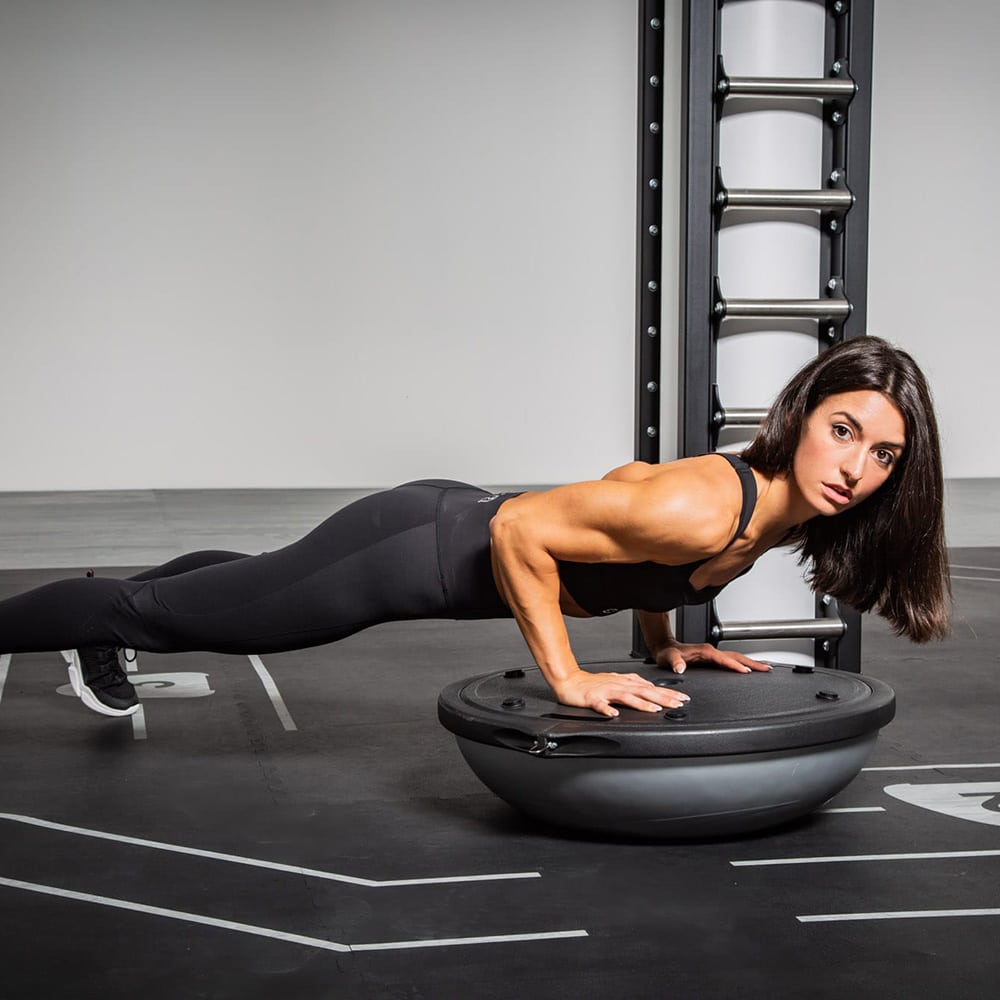
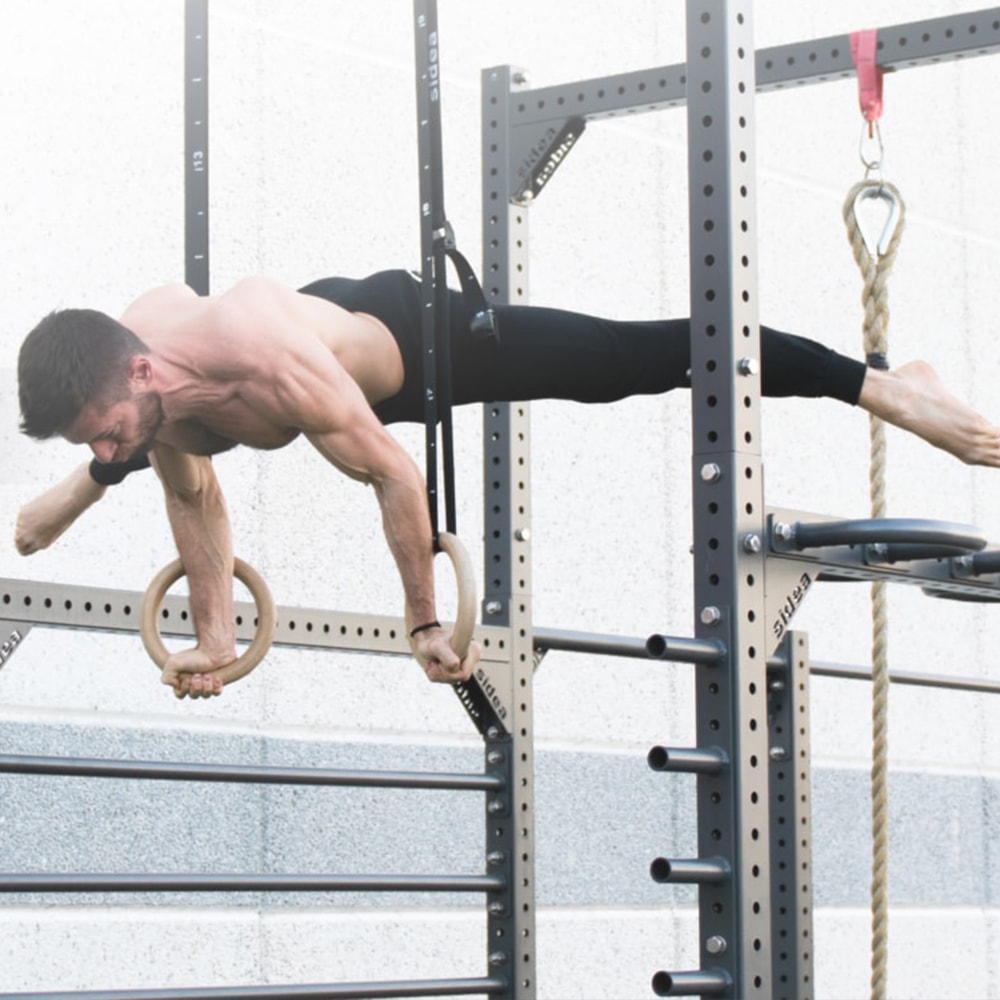
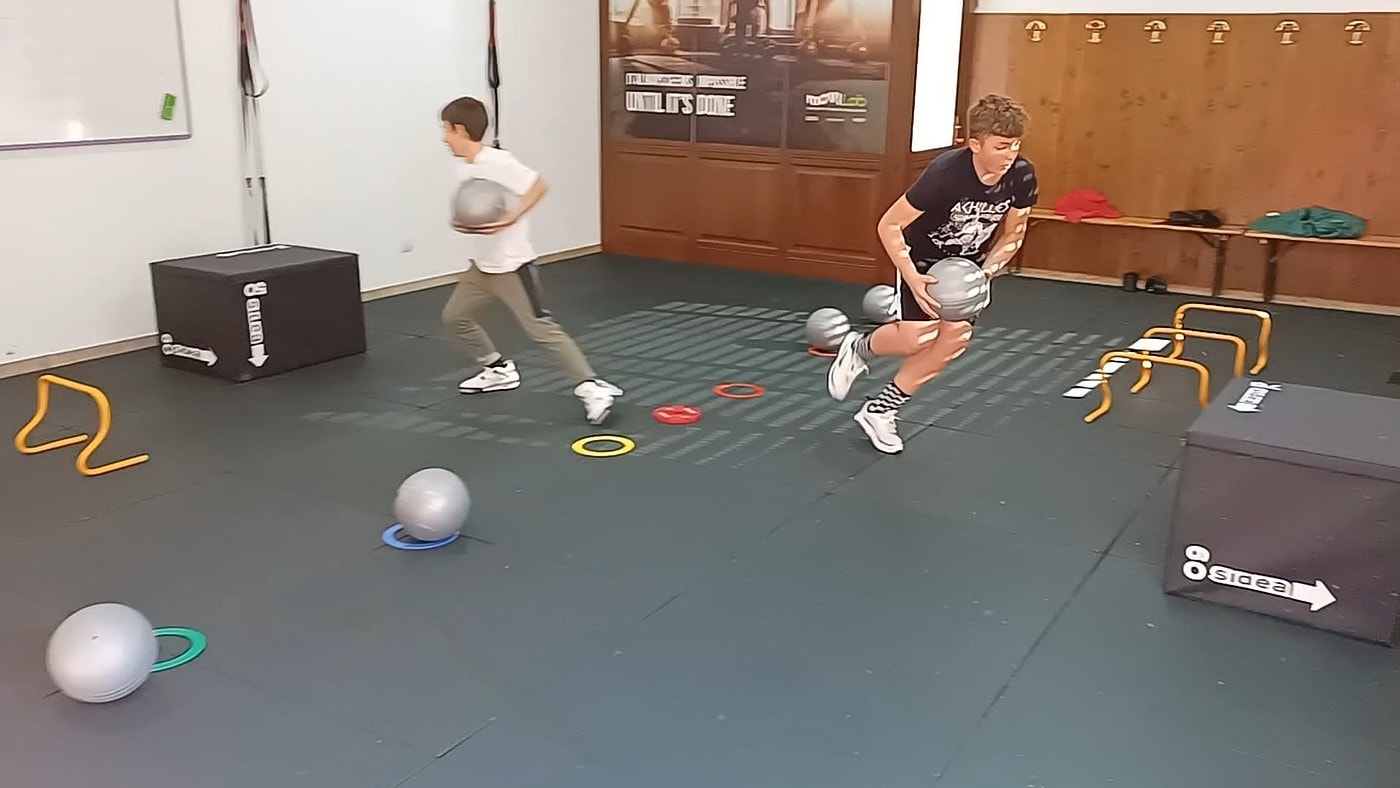
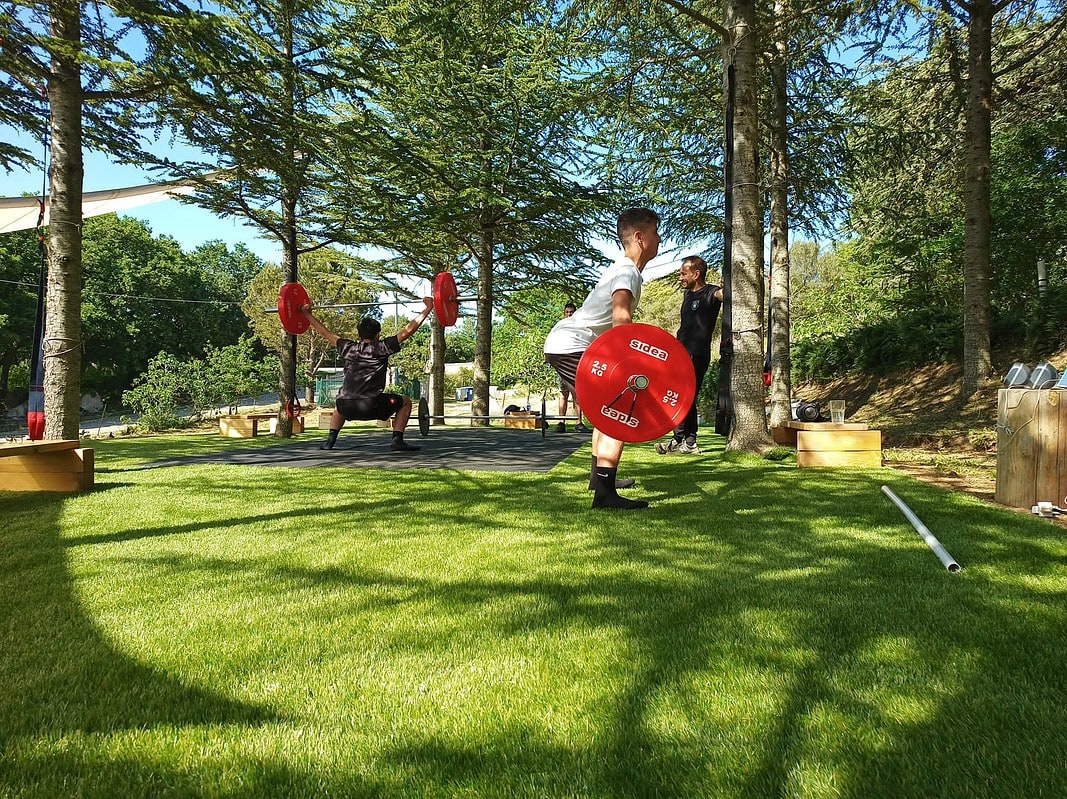
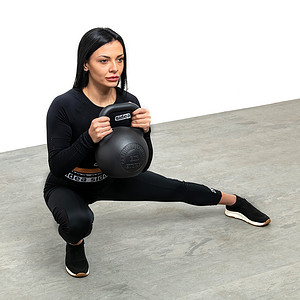
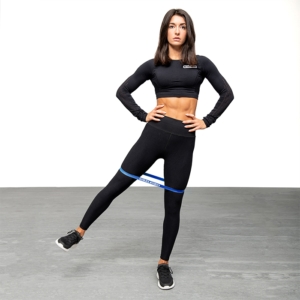
Technical barbells of 3.5 and 7 kg (for learning technique in all age groups), as well as hollow discs, fractional plates, Olympic barbells and traditional discs, and dumbbells of various sizes, are essential. One or more racks and supports for the barbells, one or more flat/tilt benches.Another part of the equipment for the more functional, educational and general physical training part can be various cross training and functional training equipment: PVC or wooden tubes or sticks, kettlebells, suspension training straps, different types of elastic bands, Plio Box, Medball, Slamball, Flow bag.
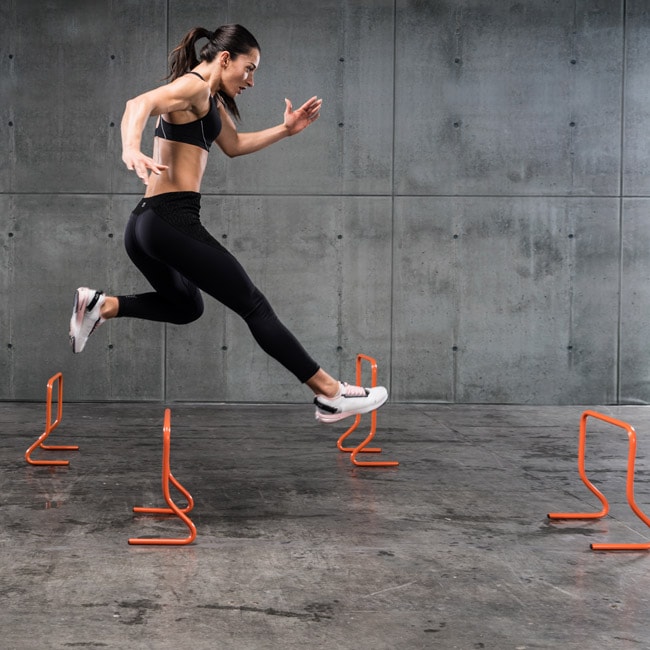
And more obstacles, cones, kines, rings, and anything else that can be useful to build tracks for speed, dexterity, agility, elasticity.
.
In the light of what you have said, wouldn't it be sufficient to dedicate oneself to Olympic Weightlifting?
In fact, Postural Weightlifting could very well be, and my hope is that it becomes, the stepping stone to Olympic Weightlifting.
The idea is precisely that of broadening the base of young and very young people who approach this discipline without any particular competitive aims, and that families can free themselves from the taboo of barbells at a young age.
Unlike those who approach competitive sport directly, in our case the demand is primarily directed towards a very targeted and specific goal, which primarily concerns health and the harmonious development of different aspects.
The technical aspect, although taken care of down to the smallest detail, will only be addressed in a second phase.
Our young athletes ask us to participate in their first competitions, and as Movilab we are organising ourselves to fulfil this wish.
.
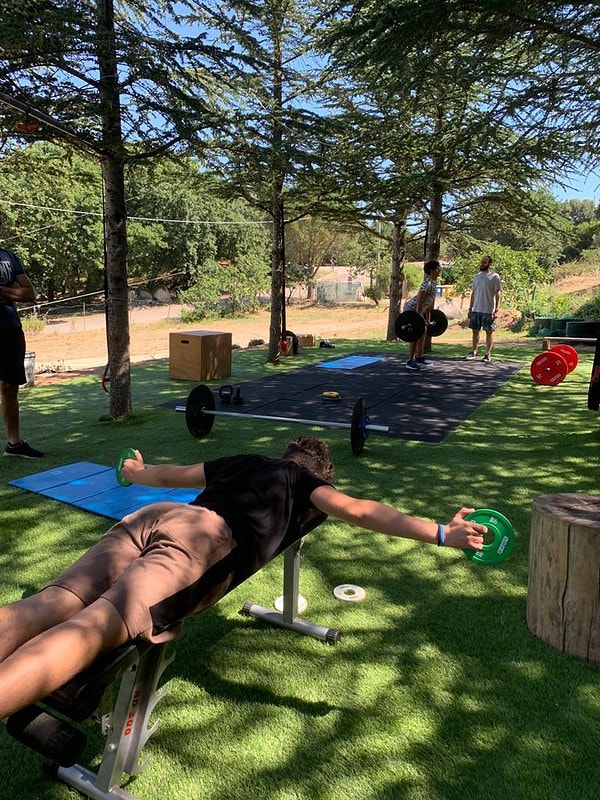
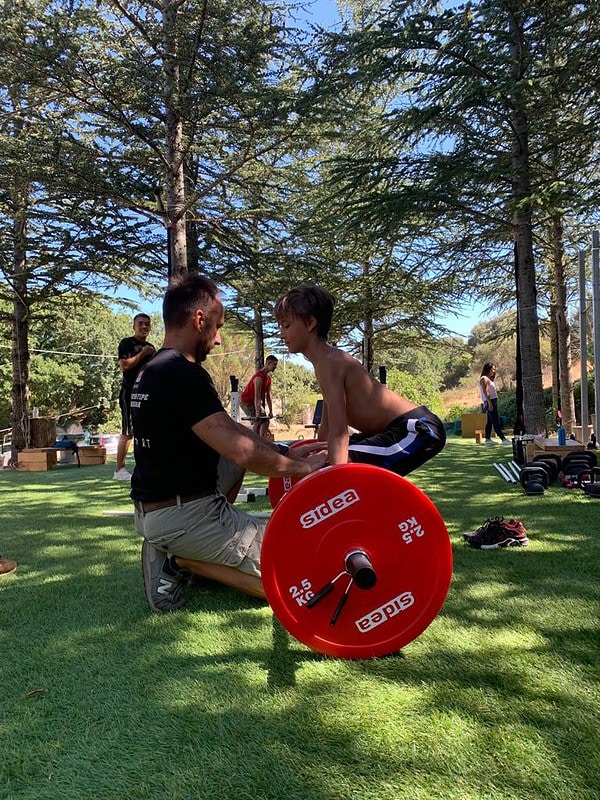
What equipment is needed to carry out the activity?
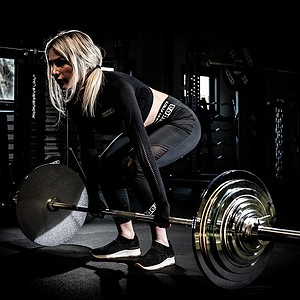
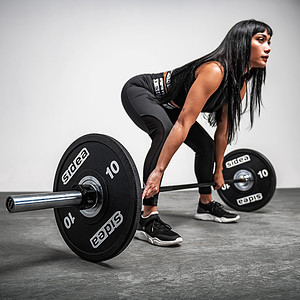
Some of the equipment will be essential for building the foundations of strength and technique in weightlifting gestures.
Technical barbells of 3.5 and 7 kg (for learning technique in all age groups), as well as hollow discs, fractional plates, Olympic barbells and traditional discs, and dumbbells of various sizes, are essential. One or more racks and supports for the barbells, one or more flat/tilt benches.Another part of the equipment for the more functional, educational and general physical training part can be various cross training and functional training equipment: PVC or wooden tubes or sticks, kettlebells, suspension training straps, different types of elastic bands, Plio Box, Medball, Slamball, Flow bag.
And more obstacles, cones, kines, rings, and anything else that can be useful to build tracks for speed, dexterity, agility, elasticity.
.

 Defibrillator AED
 Gift CardSidea
 Spare parts