




















Rachele Somaschini: you are all the limits you cross (every day)
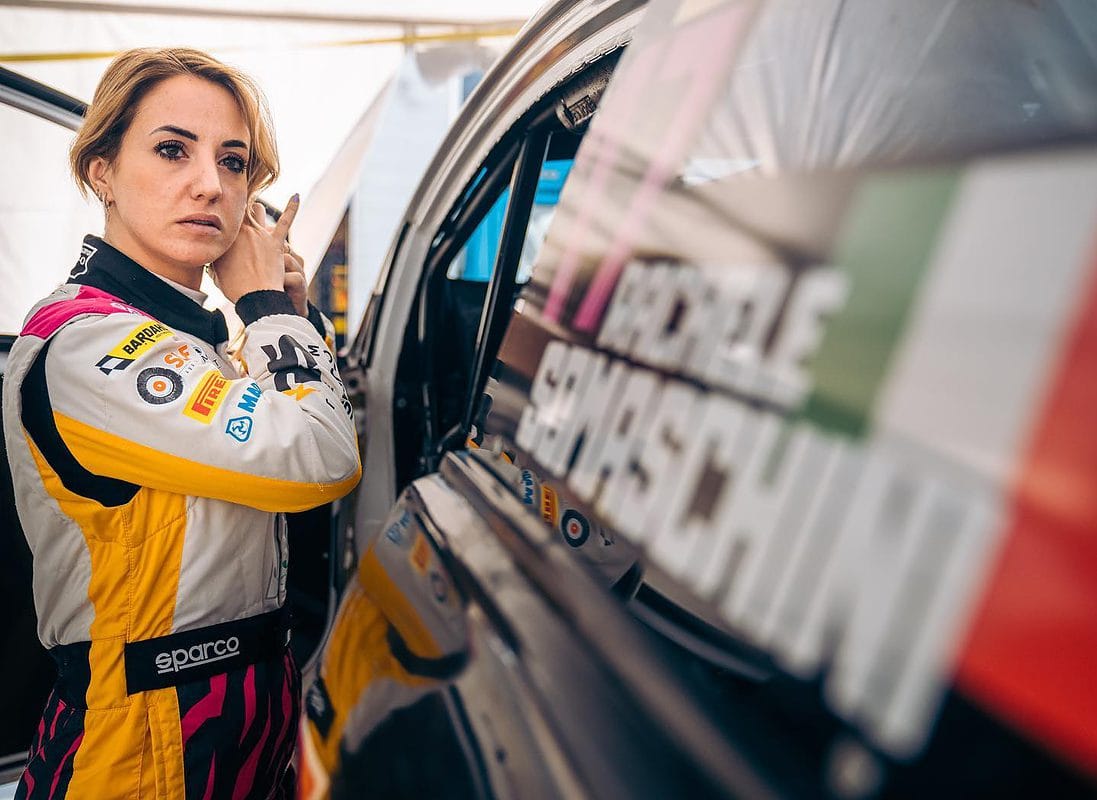
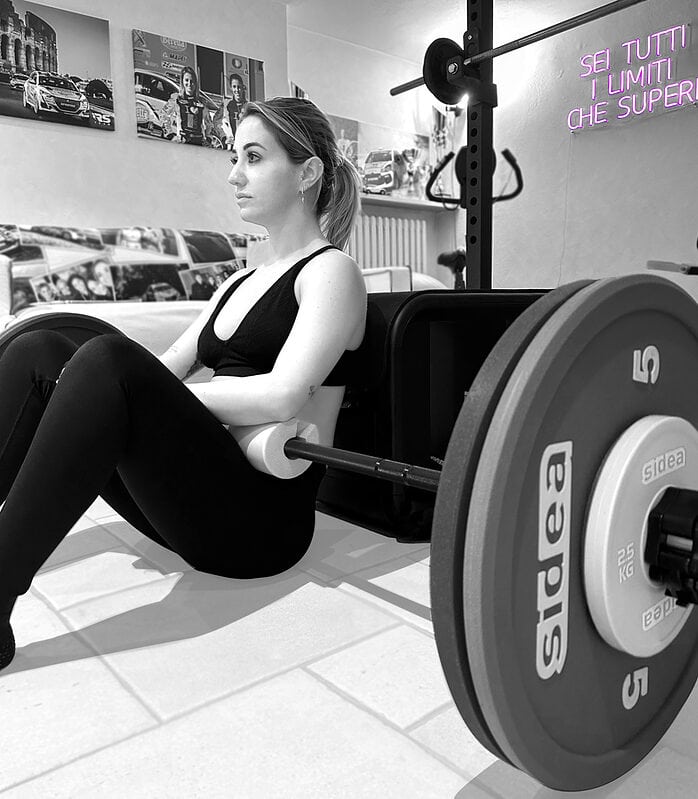
Rachele Somaschini, rally driver, dedicates at least two hours a day to her physical training, in the gym or at home.
In fact, dry physical training (from 'dryland', a US term coined to define the training adopted by professional swimmers out of the water) has also assumed an important role in motor sports, where the driver's athletic preparation is an essential component of competitiveness.
In fact, it is intuitive that, for practical and economic reasons, a pilot, as well as other types of sportsmen, (e.g. those competing in the fast disciplines of Alpine skiing) have very limited opportunities to train with the equipment (and the vehicle, in the case of the pilot) and in their own context.
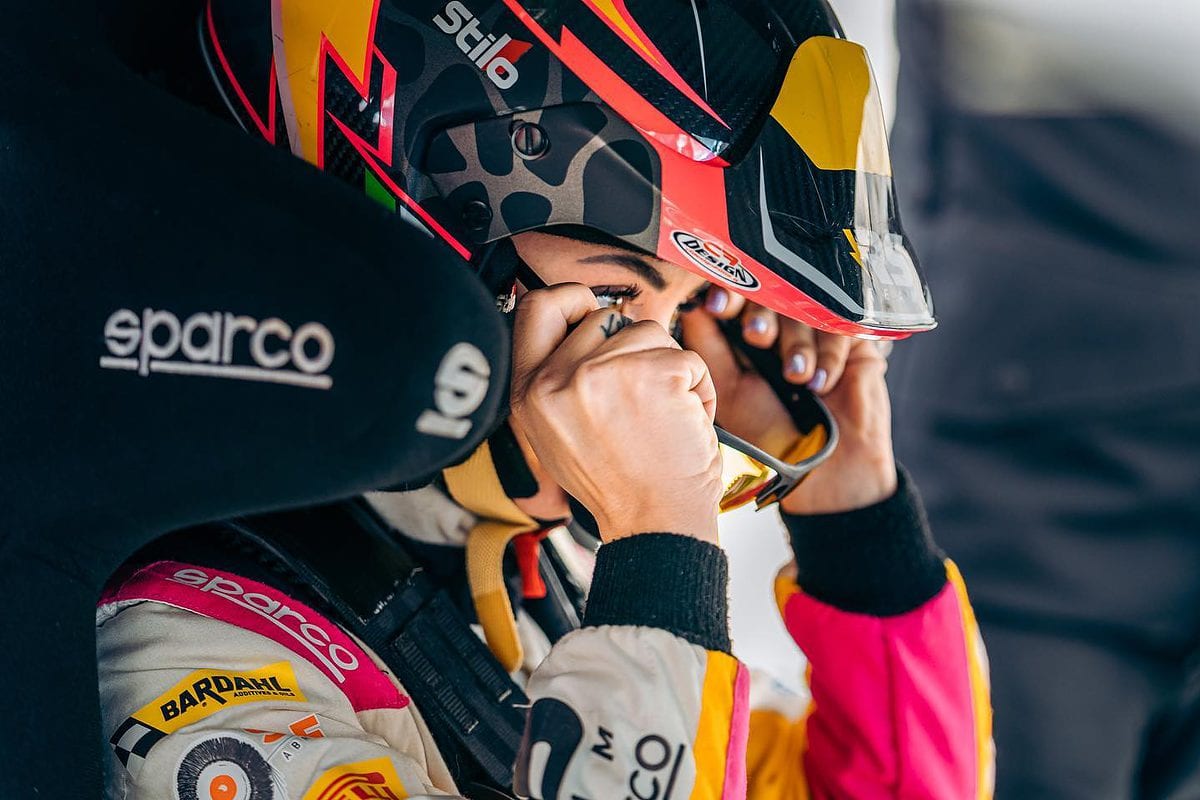
What does dry training for a driver consist of? The work focuses on endurance strength, isometric contractions and joint mobility, with particular emphasis on the muscle chains that are subjected to the greatest stress in driving. Training of aerobic capacities and the cardiovascular system is then fundamental: the forces to which the athlete is subjected in competition require endurance over long distances and the ability to adapt to difficult environmental conditions such as extreme heat, which in a rally car on summer days can easily exceed 50°. Mental training and reflex training aimed at improving psychophysical performance complete the picture.
There is no doubt, therefore, about the validity of these trainings aimed at the sport of reference, but essentially detached from it and the stimuli, including playful ones, that it implies. And it is precisely this psychological aspect that I would like to emphasise.
The physical sacrifice during driving can be alleviated by the adrenalin component of competition (which is common to all sports), while in dry work the mental component and the desire to succeed, to exceed one's own limit every day, is the real motivational drive. The athlete becomes a fighter who aims to strengthen and manage his resources in order to be able to make the most of them when he needs them.
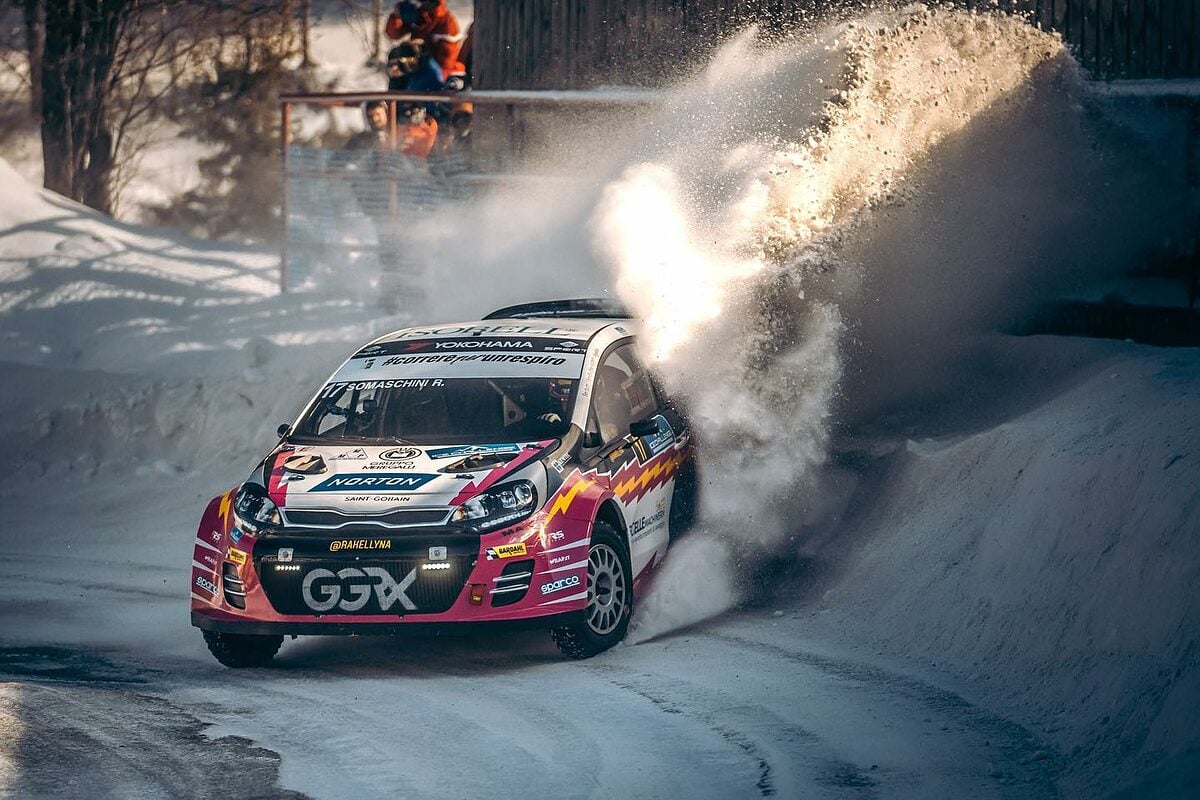
The idea of training designed for drivers, and in particular for those who race in rallies, is therefore intended to provide the support to withstand, without performance failure, the many days of competition, the few hours of sleep and all the unforeseen events that this type of competition entails: From dominating a powerful car for kilometres on a bumpy boulder or a winding mountain road, to puncturing a tyre and having to change it in the middle of a special stage (this is how the timed section of the race is defined), to the accidental touch, to the mechanical failure that manifests itself at high speeds and to which one must react instantly to avoid damage or retirement.
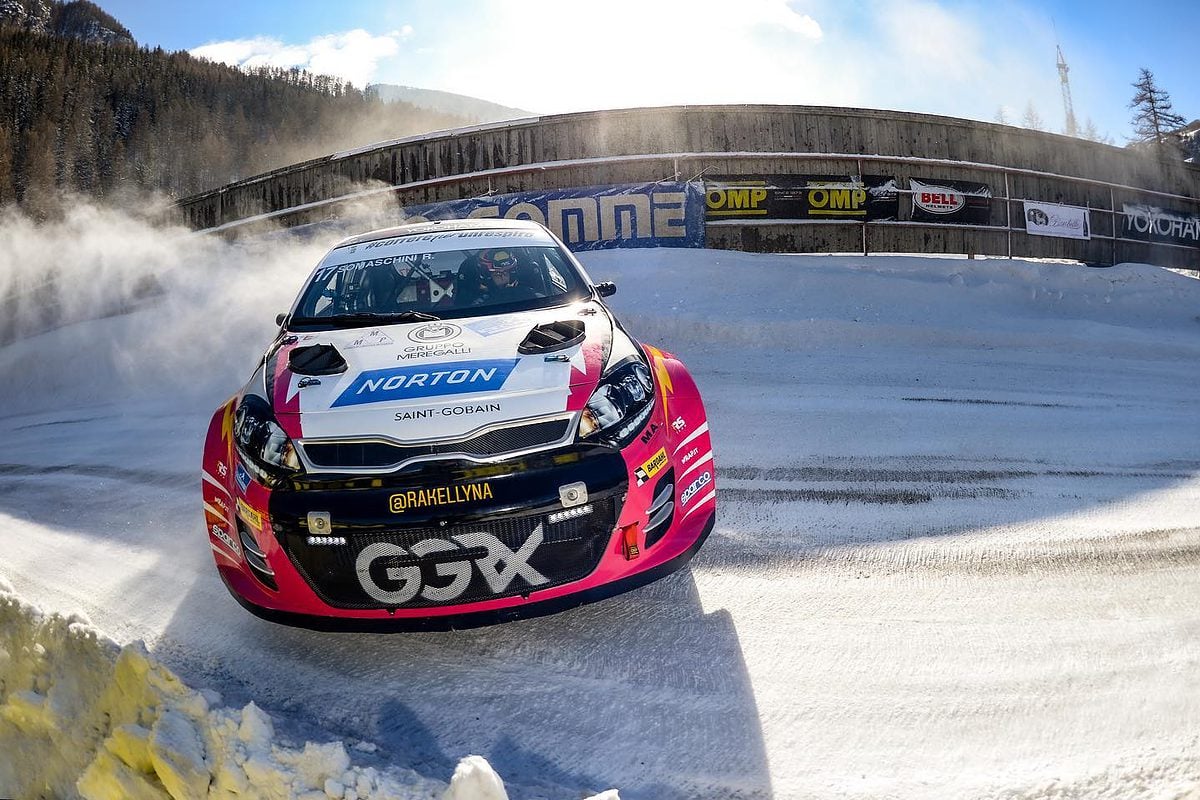
Another aspect that is just as sensitive for Rachele Somaschini as she is not only an athlete, but a person suffering from cystic fibrosis from birth, concerns training as 'therapy', both physical and mental. Rachele has to cope with a degenerative genetic disease every day, which affects various internal organs, primarily the lungs, and obtains great benefit from targeted physical training. Cardio training is equivalent to a respiratory physiotherapy session because by strengthening the lung capacity and training the airways, it helps to remove excess mucus and increase the amount of air introduced with the act of breathing. On a mental level, measuring improvements in performance, endurance and physical well-being helps in coping with the disease and the difficulties it imposes on a daily basis.
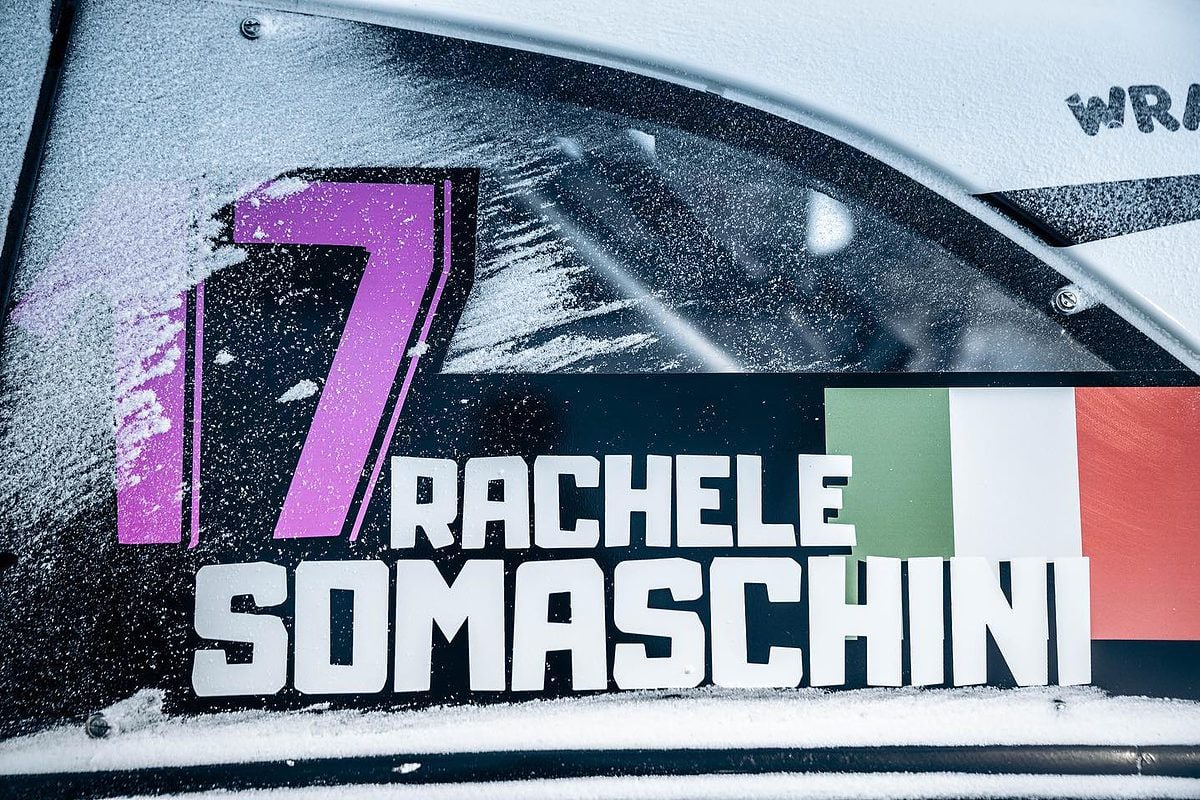
This experience further proves that dry training has an important technical and motivational value, which goes far beyond the more obvious aspects of physical adaptation.

 Defibrillator AED
 Gift CardSidea
 Spare parts