

















Kettlebell swing
The kettlebell swing is often referred to as the 'engine' or 'heart' of hardstyle kettlebell training due to its ability to develop strength, power and endurance. At the heart of this exercise lies a movement that is fundamental to the success of any motor action, the hip hinge.
Understanding and mastering the hip hinge is essential not only to perform the kettlebell swing correctly, but also to improve daily motor function and prevent annoying injuries.
What is Hip Hinge?
The hip hinge is a movement that could be described as a tilting movement involving the flexion and extension of the hips, keeping the spine in a neutral position. Imagine you want to close a drawer behind you with your glutes and then return to an upright position: this is the essence of the hip hinge. Unlike the squat, where the knees bend significantly forward to allow us to squat effectively, in the hip hinge the knees bend only slightly, remaining almost in axis with the ankles, thus concentrating the movement on the hinge of the hips and the posterior kinetic chain. This motor pattern is essential for everyday activities such as lifting objects off the ground or taking a forward leap.
Importance of the Hip Hinge in Kettlebell Swing
In the kettlebell swing, the hip hinge allows the power required to swing the kettlebell effectively to be generated, and this rapid and explosive execution is known as the HIP SNAP. A correct Hip Hinge is essential to respect the basic principles of the Functional trinity: POWER (the power generated by the large muscle groups of the lower limbs), STABILITY (the structural stability and transmission of forces given by the central volume of our body, i.e. the core), and DRIVE (the directionality and management of trajectories given by the upper limbs).
Incorrect execution, such as confusing the hip hinge with a squat, or incorrect timing of execution can greatly reduce the effectiveness of the exercise and increase the risk of injury. Scientific studies have shown that the kettlebell swing, when performed correctly, improves explosive strength and muscular endurance, thanks to the massive activation of the posterior kinetic chain, which includes large muscle groups such as the gluteal, ischiocratic and lumbar muscles.

Common Challenges in Performing the Hip Hinge
Despite its importance, many people find it difficult to perform the hip hinge correctly in an explosive and sudden manner. Modern life with its increasingly sedentary lifestyle can lead to stiffness in the muscles at the back of the thigh (ischiocrural) and limited mobility in the hips, thus hindering proper movement. These limitations can lead to compensations, such as excessive bending of the back, increasing the risk of injuries and painful symptoms. For these reasons, maintaining a good Hip Hinge is essential for a satisfying quality of life.
Strategies for Improving Hip Hinge
To perfect the hip hinge, it is advisable:
- Mobility exercises: Targeted stretches for ischiocruscular and hip flexors can improve the flexibility required.
- Propaedeutic exercises: Movements such as the single-leg deadlift or the 'good morning' with kettlebells help develop awareness of the correct movement.
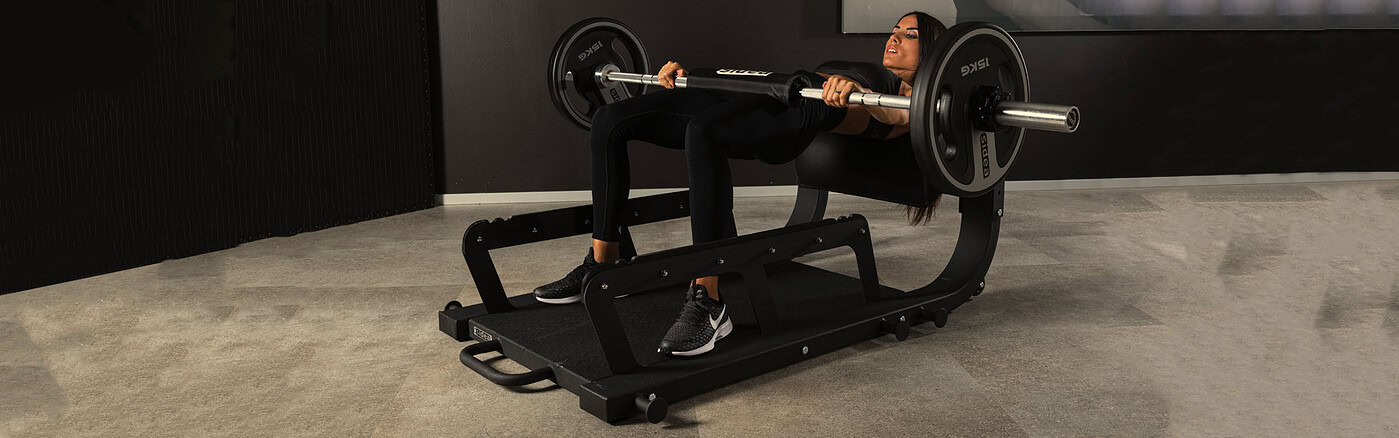
- strength exercises: exercises such as the Hip Thrust heavy, (perhaps enriched with elastic bands for progressive resistance along the rom of movement).
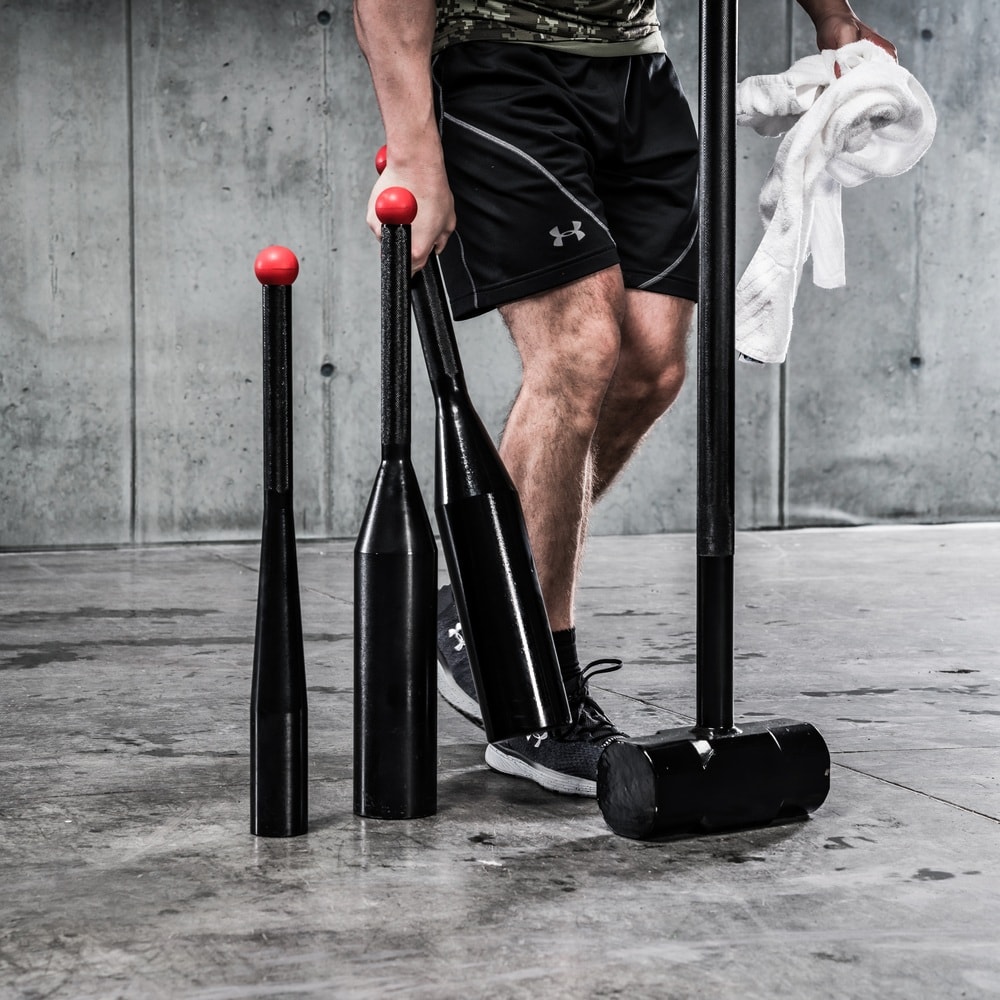
- Dynamic stretching: such as taking off from risers to increase the ROM of movement or performing a swing with instruments that increase the depth (such as clubbells).
- Visual feedback: Practising in front of a mirror or recording videos can help correct any postural errors.
Practical Applications and Benefits
Mastering the hip hinge not only improves the effectiveness of the kettlebell swing and consequently in athletic performance such as, for example, increasing power in sprinting or jumping, but it also has cross-sectional benefits in other physical activities and in everyday life. For example, lifting heavy objects from the ground or performing explosive athletic movements such as a leap from the couch, these gestures become safer and more efficient. In addition, a correct hip hinge helps to keep our spine healthy, greatly reducing the risk of unsightly lower back pain.
In conclusion, hip hinge is a fundamental movement that deserves much attention and practice. Investing time in perfecting this technique will lead to significant improvements in athletic performance and general well-being.
Bibliography
Kishen Kartages, Guy C. Wilson, Che Fornusek, Mark Halaki, Daniel A. Hackett, 'Acute Effect of Kettlebell Swings on Sprint Performance', 2019, The University of Sydney.
Len Kravitz, 'Kettlebell Research Update', 2010, University of New Mexico.
Michael E. Holmstrup, Brock T. Jensen, William S. Evans, Emily C. Marshall, "Eight Weeks of Kettlebell Swing Training Does Not Improve Sprint Performance in Recreationally Active Females", 2016, Slippery Rock University

Hex Bar: what it is, which exercises to do and how to choose the right one
Strength, stability and freedom of [...]
09
Oct
Oct
Does strength come from the ground? The Military Press and the body’s hidden synergy
Before pushing, you need to have [...]
29
Sep
Sep
28
Jul
Jul
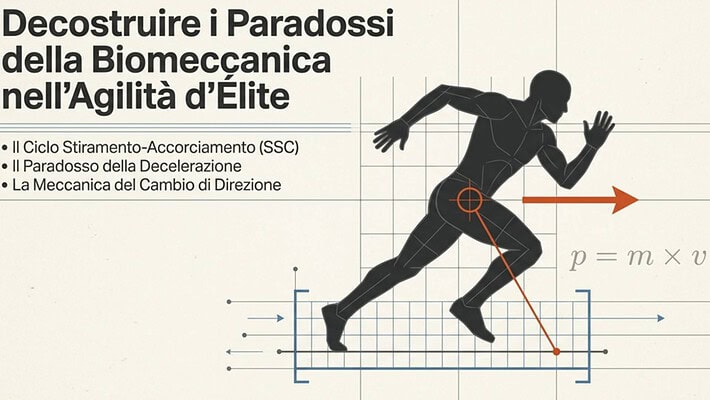
Elite agility: why changing direction isn’t just a matter of strength
Introduction: Agility is not just [...]
30
Jun
Jun

ATHX Games 2026: what it is, how it works and how to prepare for the hybrid competition
The evolution of HYBRID training Over the last [...]
18
Jun
Jun
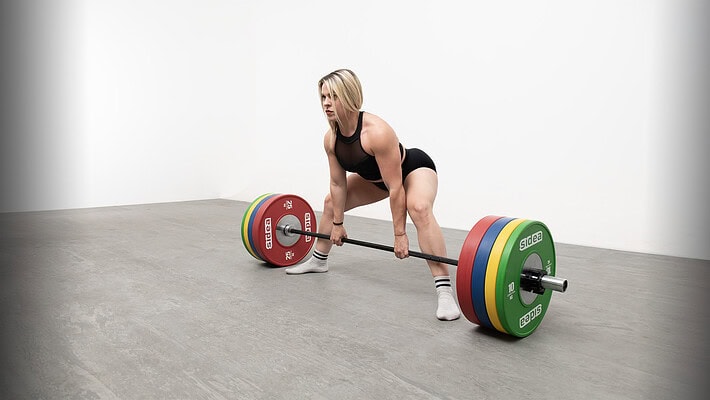
Definitive Guide to Bumper Plate Selection: How Not to Get Your First Set Wrong and Optimise Performance
The truth that no one [...]
29
May
May
 Defibrillator AED
 Gift CardSidea
 Spare parts