

















Q: Welcome Miguel and thank you for being with us today. You are a benchmark in functional training and have devised a methodology specifically for men over 40. Can you tell us more about yourself and your experience?
Thank you for the invitation! I have been working in the fitness world for over 20 years in training and my focus has always been on functional movement. I specialise in functional training because I believe it is the most effective way to improve not only performance, but above all the quality of life of my clients in both the short and long term. In recent years, I have focused my attention on one particular factor: age by developing a system designed specifically for men over 40, taking into account their physical needs and life context.
Q: Why is it so important to train after the age of 40?
After the age of 40, our bodies undergo significant changes, such as a greater inefficiency in protein synthesis and the possible onset of sarcopenia, i.e. loss of muscle mass, as well as a decline in hormone production, such as testosterone. These factors reduce strength, energy and general performance, affecting both the physical and psychological state. Training not only counteracts these effects, but also improves endocrine health, prevents injuries and slows down the ageing process.
D: Moving is good for you regardless, but what are the differences between those who live in the city and those who live in the countryside?
Living in the countryside, where people move more naturally, brings great benefits. Think of Sardinia, one of the blue areas of the world with very high longevity rates. In the city, on the other hand, sedentary living is predominant. This is why it is essential to integrate structured movement into the daily routine in order to restore basic motor patterns effectively and efficiently.
D: What are the main deterrents that keep men away from training after the age of 40?
The main obstacles are work, stress, children and responsibilities. At 20 you have a lot of time and few worries, whereas at 40 you have to balance a thousand commitments. In addition, many men feel more vulnerable and less motivated to embark on a path that will take them out of a comfortable if harmful routine. Training can be a key to find energy and self-esteem. What I try to make my clients understand is that when we are young we almost always train to please others, after 40 we should only do it for ourselves. We are at the halfway mark of a regatta and it's as if we have to sprint to get to the next step of 50-60 in the best possible condition!
Q:Does training at 40 years of age have to be different from that of a 20-year-old?
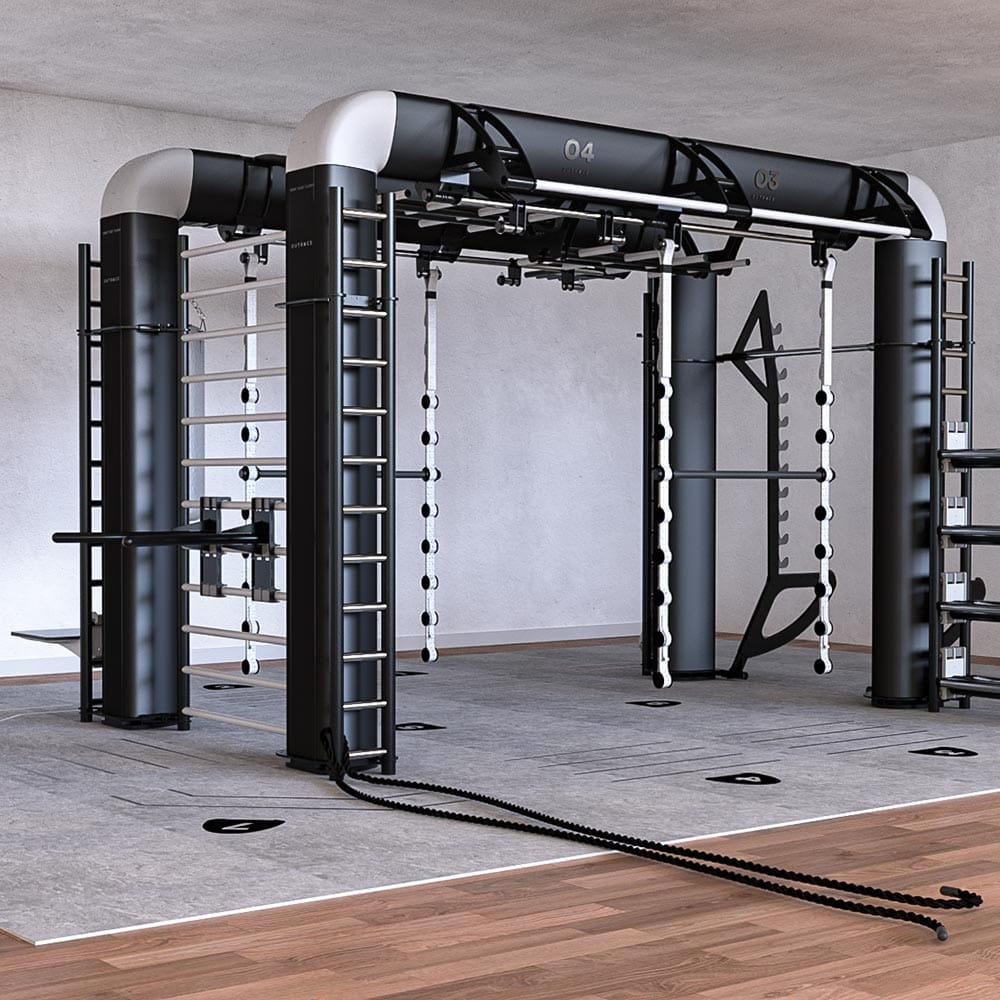
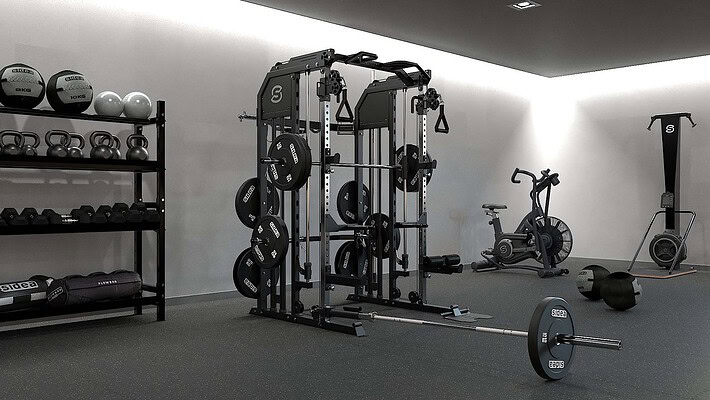
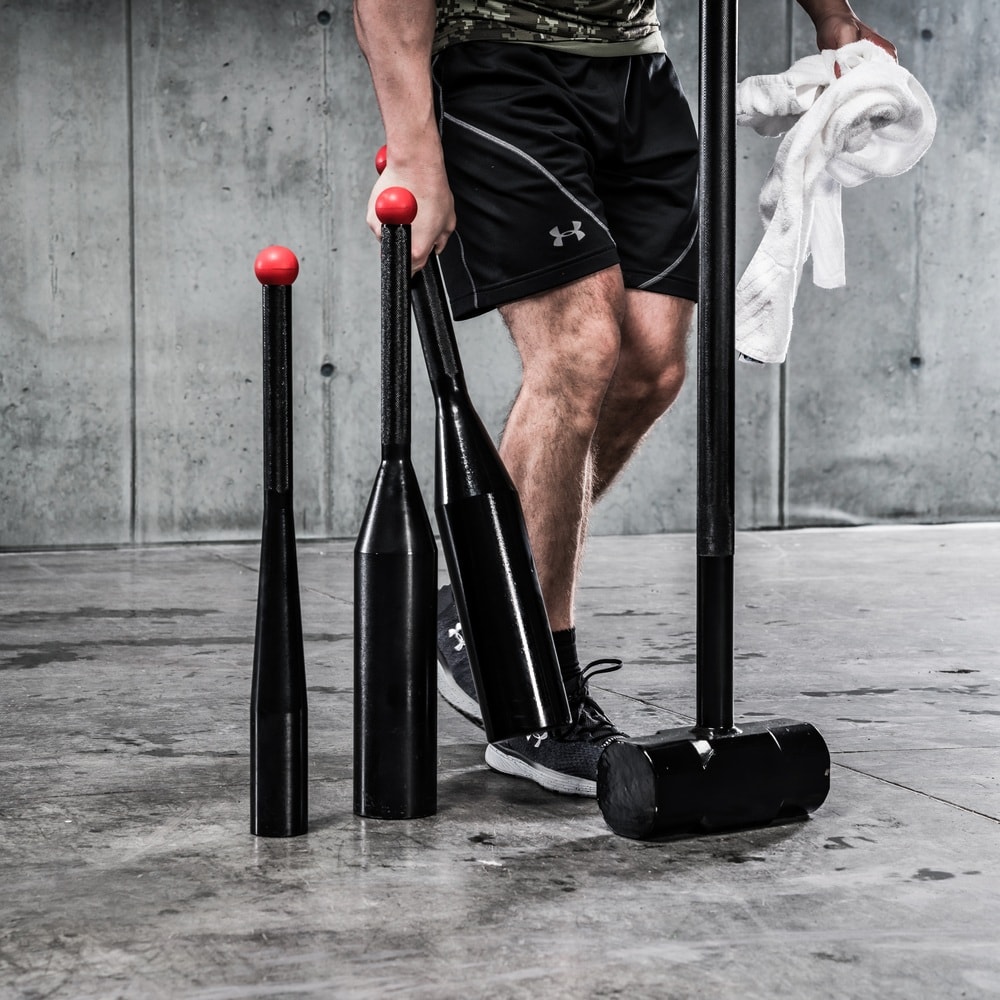
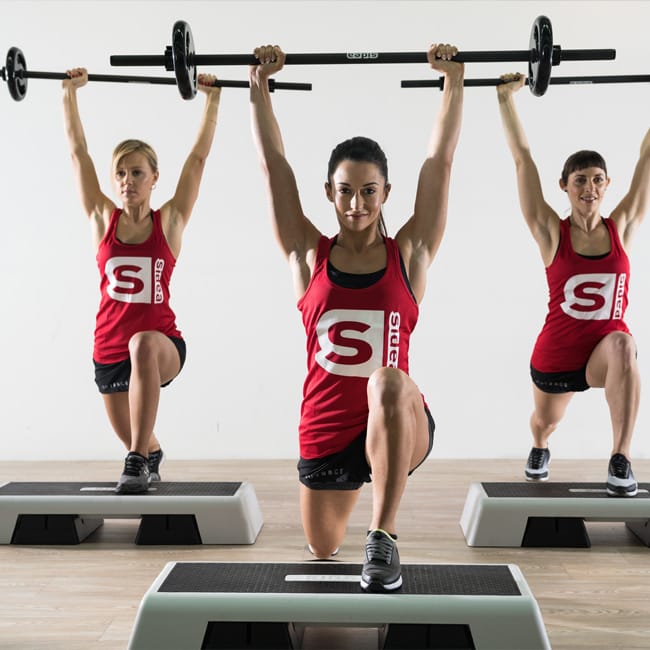
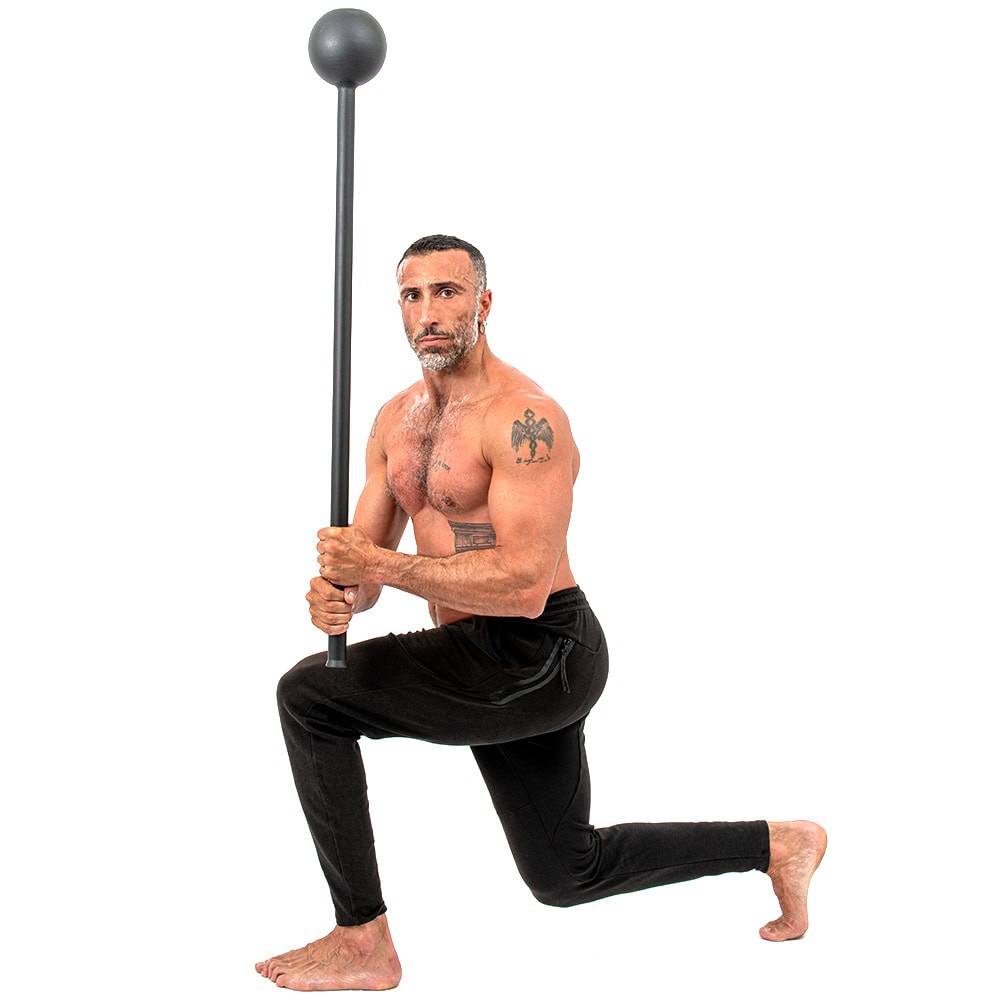
Absolutely YES! At 40 years of age, cortisol is already elevated by itself, so it's best to opt for short, intense sessions. I prefer total-body workouts, with the use of free loads, that give the possibility of managing accelerations (force production) and decelerations (force inhibition), such as Kettlebell, Clubbell or Flyng that improve endurance, explosiveness and coordination, rather than workouts that are too voluminous or focused only on hypertrophy. The key is efficiency.
Q: You mentioned the free body and kettlebells. Why do you prefer them to isotonic machines?
Isotonic machines work on single muscle groups and do not teach complex motor patterns, they do not train movement. The free body, the kettlebell and tools such as the flying allow you to improve strength, endurance and coordination in a dynamic way. Everyone can happen to pick up a heavy box under a ladder, or carry awkward objects where the weight is not evenly distributed on the arms. And it is precisely the reproduction in the form of exercise, of many movements performed in everyday life, that allows the body to be trained to perform them 'safely'. Isotonic machines do not allow this!
Q: Weight training or cardio? What do you prefer for men over 40?
Resistance training (with weights) is essential. Cardiovascular exercise, when practised correctly, offers numerous benefits for cardiovascular and general health. But weight training offers greater benefits (relative to the potential risks) by strengthening the skeletal system, improving metabolism and supporting hormone production. Obviously, a balanced mix is ideal, and the alchemy lies in knowing how to wisely calibrate the doses according to individual goals and physical condition.
Q: Let's talk about joint mobility. How important is it?
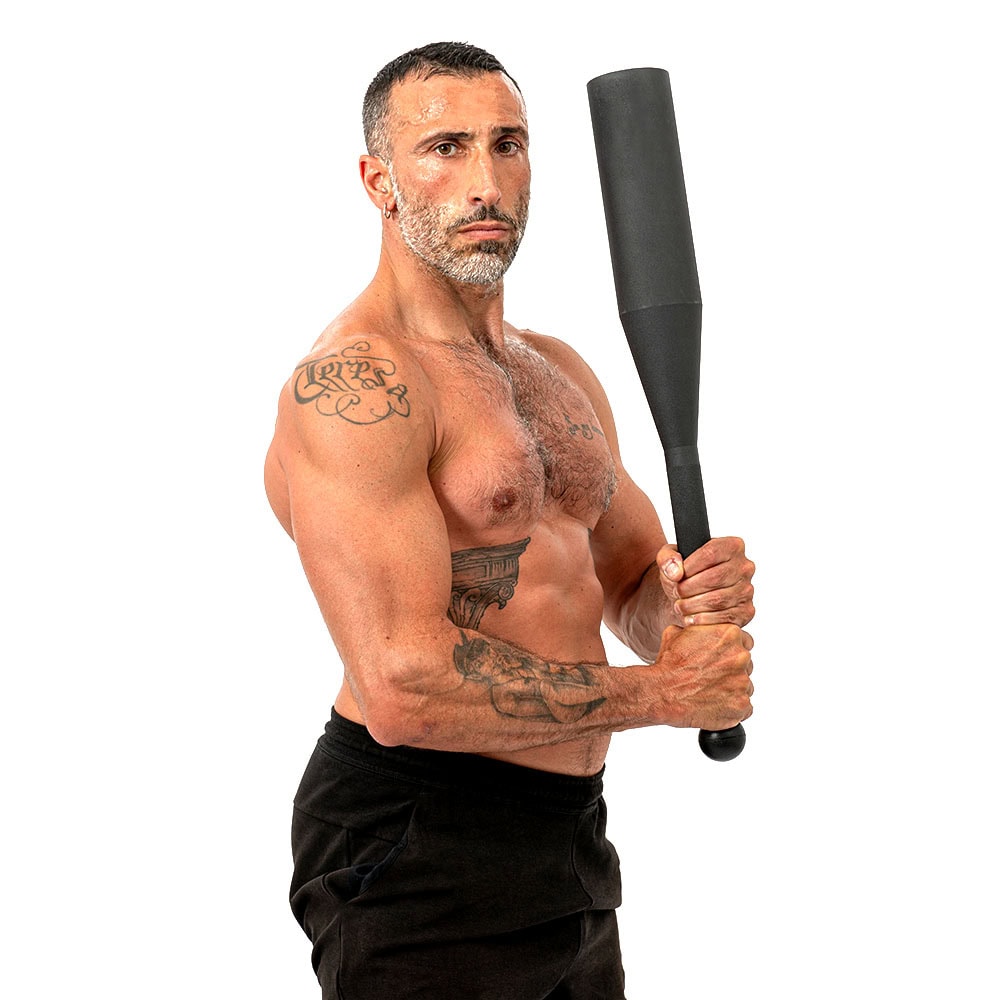
Crucial! With age, a reduction in range of motion (ROM) leads to a decrease in strength and exponentially increases the risk of injury. Training to improve your mobility is a true anti-ageing routine. By maintaining good muscle mass and healthy joints, you can have the metabolism of a 40-year-old even in your 60s.
Q: One last piece of advice for our readers?
Don't wait until tomorrow to start! Training after 40 is not just a physical choice, but a mental one. With the right approach, you can improve the quality of your life and face this age with renewed strength and vitality. Movement is life!
Thank you for the opportunity and good training to all.
Q: Thank you, Miguel. Your words will be an inspiration to many!
Sidea & Miguel Severitano
miguel_severitano Defibrillator AED
 Gift CardSidea
 Spare parts