Weighted Vests: A Complete Guide
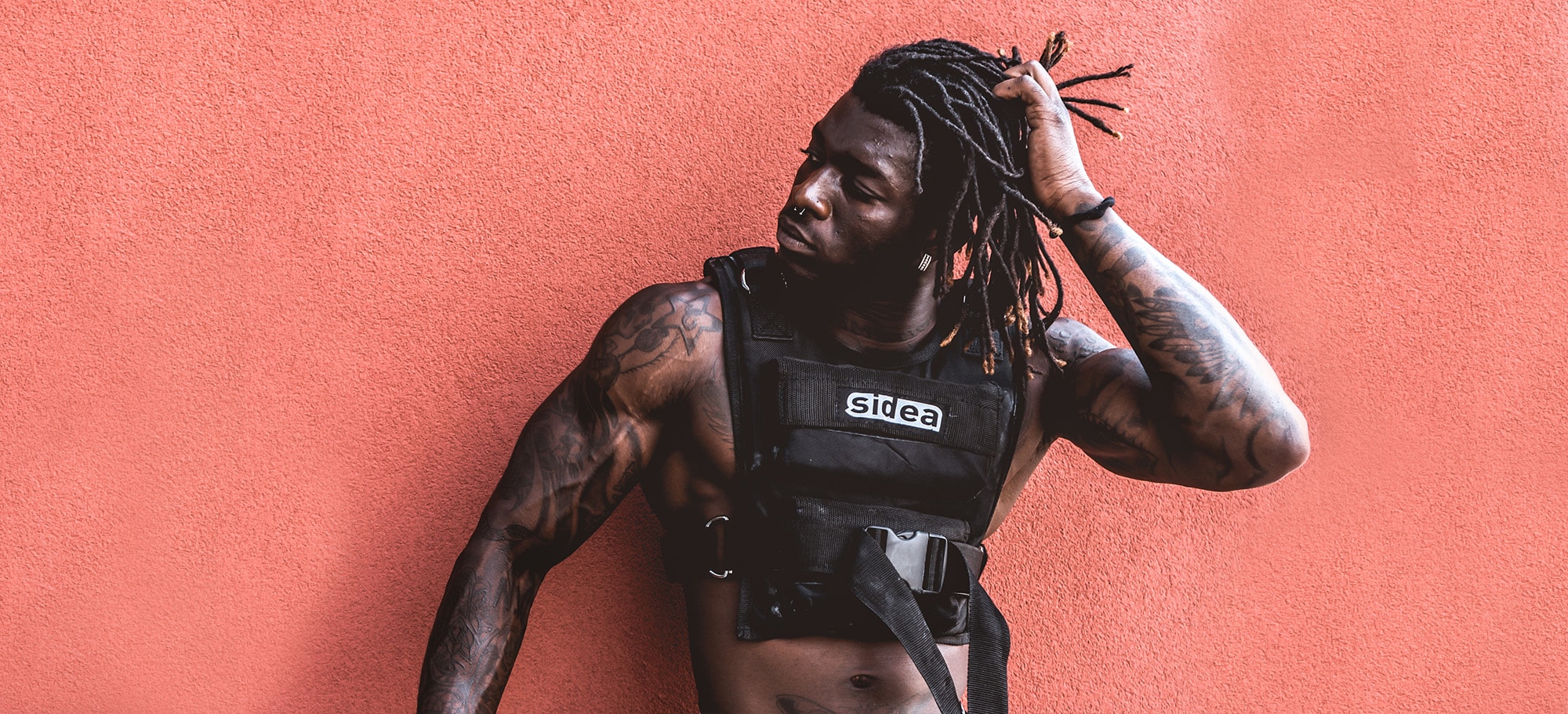
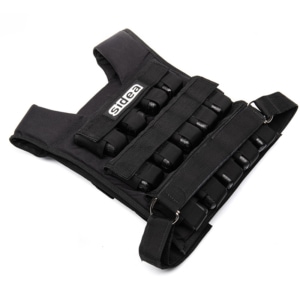
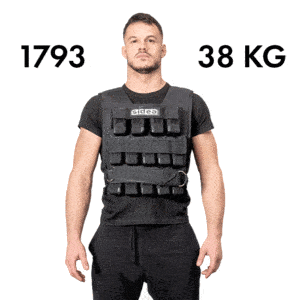
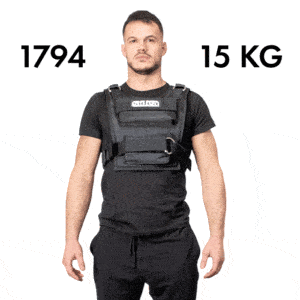
A weighted vest is a body-loading device that adds weight to the athlete’s torso, distributing it symmetrically across the shoulders and trunk. It is used to increase the intensity of bodyweight exercises, plyometric exercises and cardio without having to lift external weights. The Sidea range comprises three models: a 5 kg vest with gel inserts suitable for endurance training and rehabilitation, a 15 kg model for intermediate athletic training, and a 38 kg professional vest with modular loading for streetlifting and advanced strength athletes. Models 1793 and 1794 feature adjustable pockets that allow the weight to be gradually increased, whilst the 1795 has a fixed load.
What is a weighted vest: definition and function
A weighted vest is a technical garment with internal or external pockets designed to hold weights made of cast iron, sand, iron or silicone gel. The load is transferred directly to the axial skeleton via the chest strap and shoulders, leaving the hands free. This distinguishes it from other resistance training tools such as weight ankle bands & fitness or tactical rucksacks.
The main purpose is to increase the energy and neuromuscular demands of a movement without altering its pattern. A push-up performed whilst wearing a 15 kg vest maintains the same kinematics as a bodyweight push-up. The same applies to pull-ups, dips, squats, running and box jumps. In the calisthenics training The harness is the most direct means of progression when the technical variations become too straightforward.
Types of Weighted Vests
Vest with gel inserts (5 kg)
A lightweight model designed for brisk walking, low-intensity running, post-injury rehabilitation exercises and suspension training. The silicone gel inserts distribute weight evenly and reduce bounce whilst running. Suitable for beginners, women undertaking general fitness training and prolonged endurance sessions.
Adjustable intermediate vest (15 kg)
The most common size in CrossFit boxes and personal training studios. The 15 kg weight is the standard for benchmarks such as Murph (a WOD using a 20 lb/9 kg vest for women and a 14 kg/30 lb vest for men) and allows for proper progression in pull-ups, dips and bodyweight squats. The modular pockets allow you to use intermediate weights for technical exercises.
Professional high-load vest (38 kg)
A model designed for military trainers, law enforcement officers, powerlifters/streetlifters and advanced strength athletes. The 38 kg is distributed across cast-iron plates positioned around the entire circumference of the torso. Useful for heavy rucking, long-distance carrying, isometric exercises and adding extra load to movements such as step-ups and Bulgarian lunges.
How to choose: a guide to use cases
Commercial gyms and fitness studios: it is advisable to have at least two models, typically the 15 kg version for general users and the 38 kg version for advanced athletes. The adjustable weight pockets reduce the need for multiple units of the same weight.
Personal training studios: the 15 kg model suits most clients. Those working with older people, women recovering from pregnancy or those undergoing orthopaedic rehabilitation will find the 5 kg gel-filled vest a more suitable option.
CrossFit Box: at least 4–6 x 15 kg weights for group WODs such as Murph, plus 1–2 heavy weights for competitive athletes. To be combined with parallel bars & push-ups for weighted dips and HSPUs.
Home and garage gyms: a 15 kg adjustable weight vest is the most versatile choice. Those who train independently for Hyrox, rucking or military preparation should consider the 38 kg modular version.
Technical glossary
- Weighted vest
- English term for a weighted vest. In the literature on athletic training, it specifically refers to a garment worn with a load distributed across the torso.
- Rucking
- Prolonged walking with a load. Originally developed for military use, it is now used as a low-impact method of cardiovascular conditioning. The weighted vest is an alternative to a tactical rucksack.
- Murph
- CrossFit memorial WOD consisting of a 1-mile run, 100 pull-ups, 200 push-ups, 300 squats and a 1-mile run, all whilst wearing a 20 lb (9 kg) vest for women or a 14 kg vest for men.
- Axial overload
- A load applied to the spine from top to bottom. The weighted vest produces a distributed axial load, which is less concentrated than that of a barbell in a back squat.
- Modular progression
- A method for increasing the load in small increments. The pockets on the vest allow you to add or remove weights of 0.5–2 kg to adjust the weight to suit the session.
- HSPU (Handstand Push-Up)
- Vertical pull-up against the wall. Performed whilst wearing a lightweight weight vest, this exercise represents an advanced progression in vertical pushing strength.
- Weighted plyometrics
- Jumping exercises performed with additional weight. These should be carried out with caution: the weight vest increases the impact on the joints upon landing; moderate loads (5–10% of body weight) are recommended.
Comparison of Sidea Weighted Vests
| Model | SKU | Total weight | Load type | Recommended use |
|---|
| Gel-weighted vest | 1795 | 5 kg | Silicone gel inserts | Endurance, rehabilitation, fitness walking |
| Armoured Vest | 1794 | 15 kg | Removable modular panels | CrossFit, calisthenics, general fitness training |
| Armoured Vest | 1793 | 38 kg | Removable modular panels | Military training, powerlifting, streetlifting accessories, heavy rucking |
Frequently Asked Questions about Weighted Vests
Answers to the most common questions about load, everyday use, joint safety and compatibility with other training equipment are compiled in the dedicated FAQ section.
Why choose Sidea
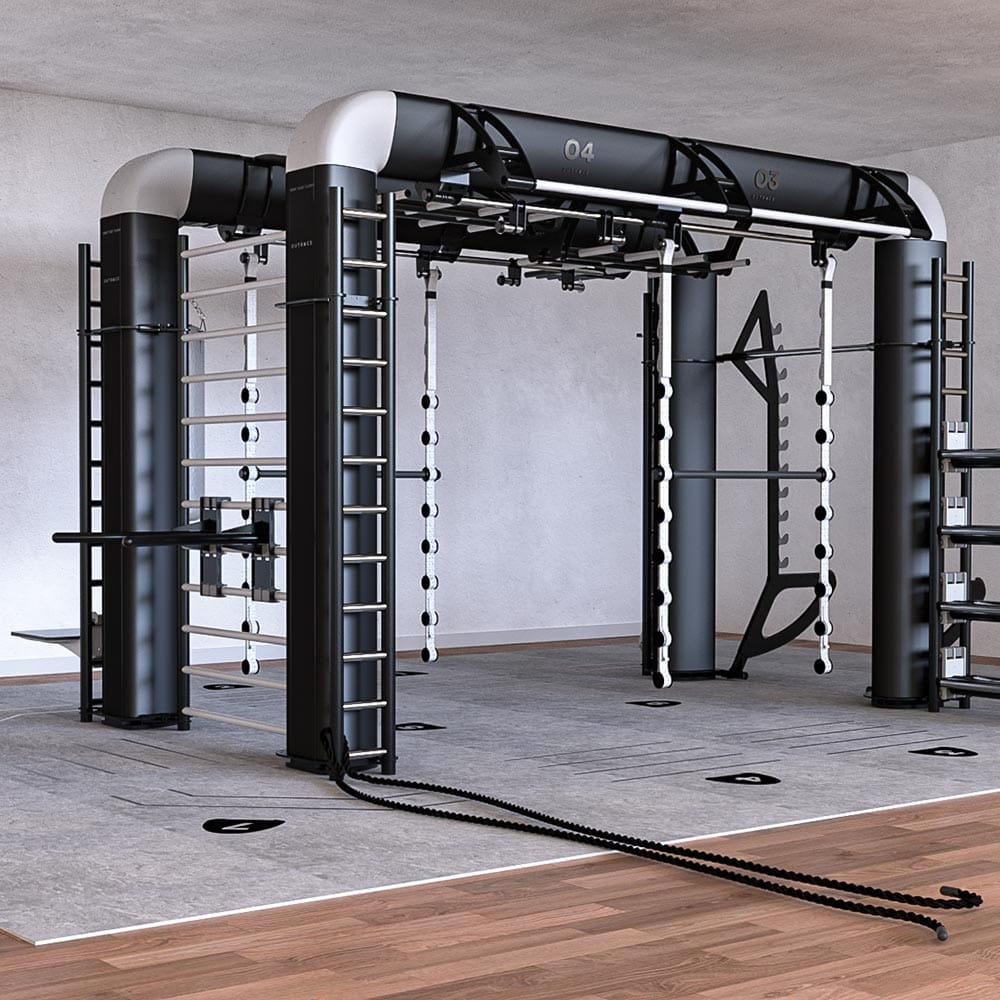
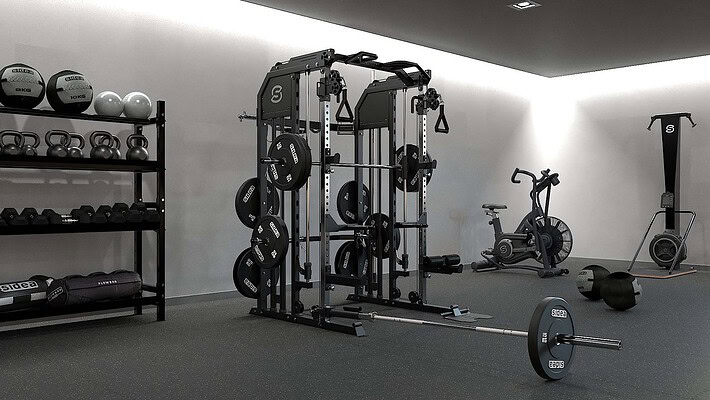
Sidea has been manufacturing and distributing professional fitness equipment since 1999 from Gambettola (FC). With over 25 years’ experience in the sector, combined with its role as an official StrongFirst distributor and Luxiaojun, leads us to select weighted vests tested against real-world athletic training protocols: one-arm swings with additional body weight, weighted TGUs, and snatch tests under overload conditions. The warehouse, covering over 4,000 m², ensures immediate availability of the three models and the spare parts. Anyone designing a functional space can rely on the Gym Design service, which includes 3D renderings, to integrate weight vests, racks, platforms and flooring into a cohesive layout.















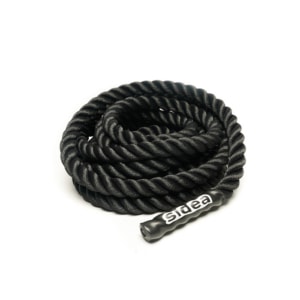 1711 Easy Gym Rope
1 × 192,15€
1711 Easy Gym Rope
1 × 192,15€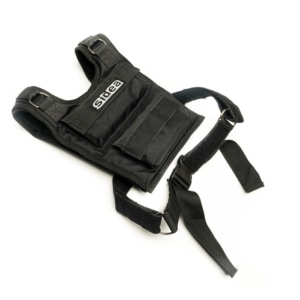 1794 Weighted Vest 15 Kg
2 × 97,60€
1794 Weighted Vest 15 Kg
2 × 97,60€ 2703 Control Jump Rope
2 × 6,10€
2703 Control Jump Rope
2 × 6,10€ 2708 Premium Speed Jump
2 × 16,01€
2708 Premium Speed Jump
2 × 16,01€ 9040/7K100 Crumb Bumper Plate 100 Kg Kit
1 × 357,28€
9040/7K100 Crumb Bumper Plate 100 Kg Kit
1 × 357,28€ R0470 Cap for Smash D-Ball and Strongman
2 × 2,29€
R0470 Cap for Smash D-Ball and Strongman
2 × 2,29€


 Defibrillator AED
 Gift CardSidea
 Spare parts