











-
×
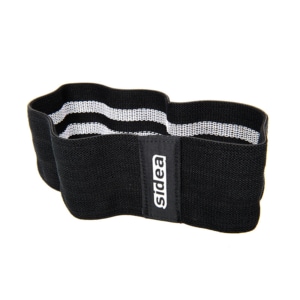 0606 Hip Band
2 × 9,15€
0606 Hip Band
2 × 9,15€ -
×
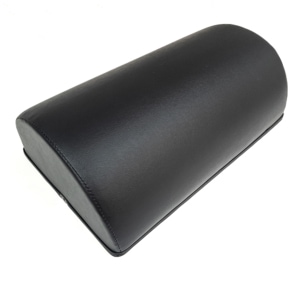 9122R Hip Thrust Cushion
1 × 53,38€
9122R Hip Thrust Cushion
1 × 53,38€


Subscribe to our newsletter to receive news, promotions and insights into the world of Sidea



 0606 Hip Band
9122R Hip Thrust Cushion
0606 Hip Band
9122R Hip Thrust Cushion
Showing all 12 results
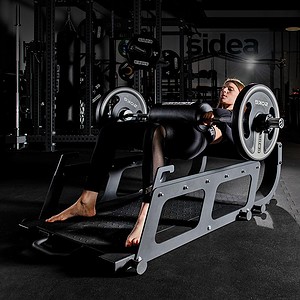
The hip thrust is now one of the most well-documented exercises for developing gluteal strength and hip extension. The Sidea range includes dedicated benches, cushions, barbell pads, supports and complete kits to help you perform the exercise correctly and progressively.
Hip thrust benches with a raised seat and built-in barbell supports
Specialised pads and cushions designed to protect the hip during weight-bearing activities
Complete kits and individual accessories for gyms, personal training studios and home gyms
Weightlifting/Powerlifting barbells
Accessories for Barbells
Accessories for Barbells
L'hip thrust It is a hip extension movement which, compared to squats and deadlifts, specifically targets the glutes — in particular the gluteus maximus during its phase of maximum contraction. It is not a supplementary exercise: it plays a central role in athletic training programmes, functional rehabilitation and bodybuilding. The Sidea selection for the'Hip Thrust It includes dedicated benches, padded cushions, PU barbell pads, fixed supports, resistance bands and complete kits — everything you need to perform the exercise with progressive resistance and correct posture.
The exercise caters to a wide range of users. In a professional gym, the hip thrust bench is a piece of strength training equipment that supports users with aesthetic, sporting and rehabilitation goals all at once. In a personal training studio, it allows you to work on hip extension even with clients who do not yet have the mobility to perform a conventional deadlift with proper technique.
Athletes in sports that involve sprinting, jumping and changes of direction — football, rugby, athletics — benefit directly from strong, responsive glutes. Recent studies confirm that the hip thrust produces higher peaks of electromyographic activation in the gluteus maximus than the squat, for the same relative load. For those training in a CrossFit box, the movement is an effective complement to Olympic power training. In home gyms and garage gyms, with the right equipment, it can be performed even without dedicated facilities.
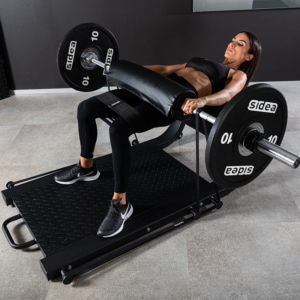
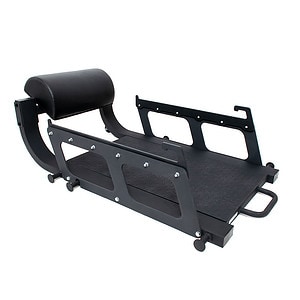
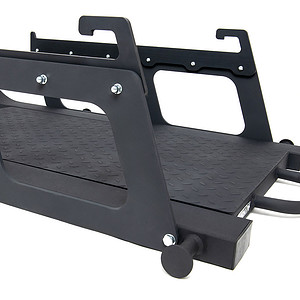
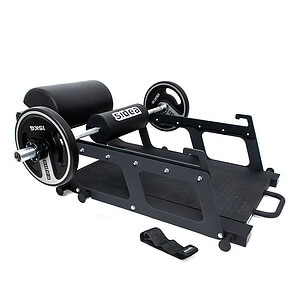
The key factor is the context of use. In a gym with dozens of users a day, you need a dedicated hip thrust bench with a stable frame, the correct seat height (typically 40–45 cm, aligned with the shoulder blade during the exercise) and integrated side supports for the barbell. Models such as the 9122V Hip Thrust Platform Bench meet this requirement directly.
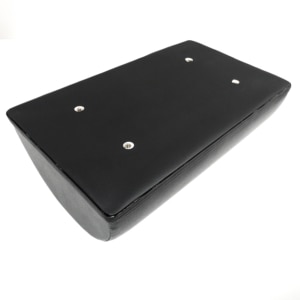
For those working with limited space or looking for a modular solution, the separate supports (9122/1 Barbell Supports) combined with an existing flat bench offer a viable alternative. In this case, the hip thrust cushion (9122R) or the PU pad (9023/1S) become componentThe essentials: a barbell resting directly on the hips exerts significant pressure even at 40–50 kg, a level that most users reach quite quickly.
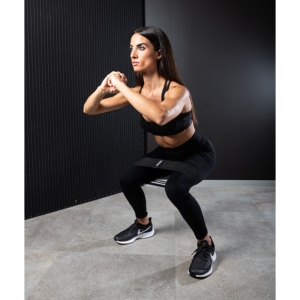
Le elastic bands — in particular, hip bands (0606) — are a useful accessory both for bodyweight exercise variations and for increasing resistance during the full extension phase, where the barbell tends to lose tension mechanically. The nylon weight plates (9122/1R, 9122/1RV) solve the problem of the barbell slipping during exercise on less-than-ideal surfaces.
For those who want to get started with everything they need without having to configure each component individually, the hip thrust kit (9122K) is the most straightforward solution.
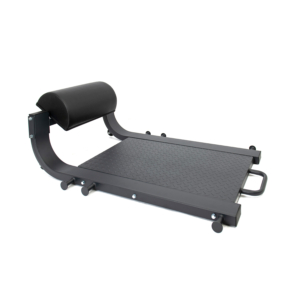
Dedicated benches and platforms: the range includes the Hip Thrust Platform Bench (9122 and 9122V), specialised pieces of equipment with seat height and angle optimised for the movement. Available in the category Benches & Powerlifting.
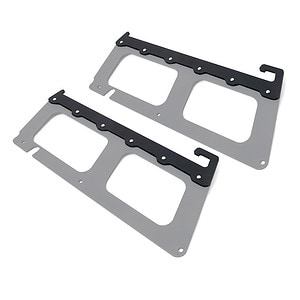
Structural supports and accessories: the Barbell Supports (9122/1) can be fitted to existing benches to convert them into hip thrust stations. The nylon plates (9122/1R and 9122/1RV) ensure the barbell remains stable whilst being loaded.
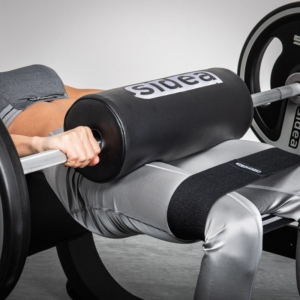
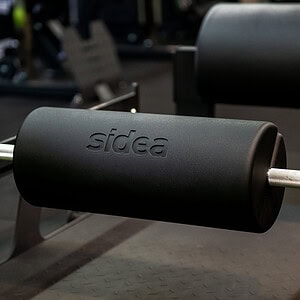
Pads and cushions: the PU Barbell Pad (9023S), the PU Barbell Pad Hip Thrust (9023/1S) and the hip thrust cushion (9122R) protect the hips during weight-bearing exercises. The differences between the models lie in their density, length and the system for attaching them to the barbell — details that make a difference when lifting weights in excess of 60–80 kg.
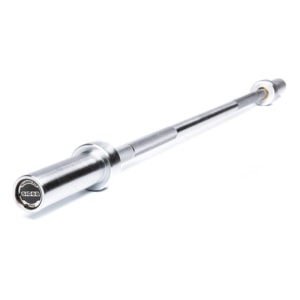
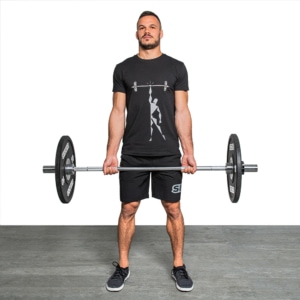
Barbells: the Training 140 Barbell (9014), listed in the category Weightlifting/Powerlifting barbells, is compatible with Sidea hip thrust stations.
Elastic bands: the Hip Band (0606) completes the range for different exercise variations, warm-ups and load progression.
Sidea has been manufacturing and distributing professional fitness equipment since 1999, with an operational warehouse covering over 4,000 m² in Gambettola. The hip thrust range has been developed with a focus on the construction details that matter in a high-intensity usage environment: seat height, structural stability under load, and the quality of the padding materials. The technical team is available to advise on space planning and component selection, including the Gym Design service with 3D renderings. Sidea is an official StrongFirst distributor and Luxiaojun, and attends FIBO every year as a leading supplier of strength training equipment on the Italian market.




 Defibrillator AED
 Gift CardSidea
 Spare parts