











-
×
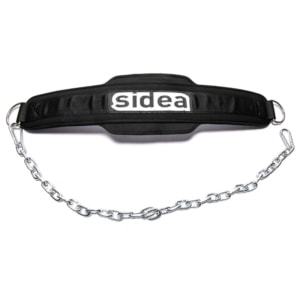 1709 Belt with Chain
1 × 28,21€
1709 Belt with Chain
1 × 28,21€


Subscribe to our newsletter to receive news, promotions and insights into the world of Sidea



 1709 Belt with Chain
Showing the single result
The chain resistance belt is an essential piece of kit for adding external resistance to bodyweight exercises such as pull-ups, dips and muscle-ups, allowing you to progressively increase the intensity of a workout that would otherwise be difficult to measure.
Compatible with standard and Olympic discs via an adjustable chain
Suitable for calisthenics, powerlifting and strength training
A key tool for the systematic progression of load in pushing and pulling movements
The overload belt — commonly known as dip belt o belt with chain — is an accessory that allows you to add external load to suspension or bodyweight exercises. Pull-ups, parallel bar dips, muscle-ups with progressive overload: these movements lose their adaptive value when bodyweight is no longer a sufficient stimulus. The belt solves the problem directly, without compromising freedom of movement. It is a piece of equipment that can be used in a variety of contexts — from calisthenics training to the strong fitness training — united by the same rationale: to make measurable and progressive what would otherwise remain undefined.
Anyone who trains using their own body weight in a systematic way almost always faces the same problem: at a certain point, pull-ups become too easy. There is a limit to increasing the number of repetitions, both practical and physiological — beyond a certain threshold, you are training muscular endurance rather than maximum strength. The chain belt is the technical solution to this problem.
Calisthenics and street workout athletes use it systematically to improve their pull-ups, chin-ups and dips, with loads that can exceed 40–50 kg at advanced levels. In protocols such as the Grease the Groove In Pavel Tsatsouline’s programmes or in strength programmes based on heavy pulling exercises (RKC, StrongFirst), the belt is standard equipment.
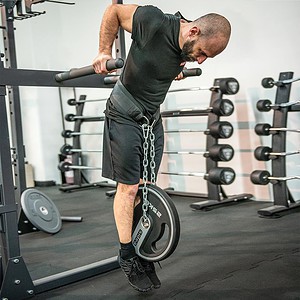
Powerlifters incorporate them into their routine for weighted dips as a supplementary exercise to the flat bench press, taking advantage of the stimulation of the triceps and lower pectorals across the full range of motion. In structured strength training programmes — blocks of 4–6 weeks — belt dips are an effective complement to the main exercises.
Strength and conditioning coaches working in contact sports, athletics or combat sports use this method to specifically develop strength relative to body weight. An athlete performing 5x5 dips with an additional 30 kg is developing transferable functional strength.
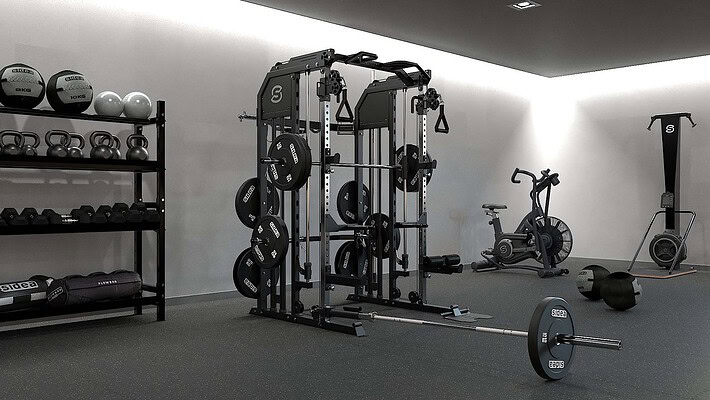
Anyone who works out in a home gym or garage gym with a barbell and a few weights will find that a weight belt is one of the most useful upgrades, given the simplicity of the equipment required.
Not all belts are the same. Certain factors affect their durability over time and under heavy loads.
Back width and padding. A belt that is too narrow concentrates the weight on a small area, becoming uncomfortable even with a load of 20 kg. A back width of at least 10–12 cm, with neoprene or similar padding, distributes the load acceptably even during heavy sets.
Quality of the chain and hook. The chain must be able to withstand real-world loads without deforming. The hook or carabiner must be made of forged or machined steel, not die-cast. This is the key factor that distinguishes a professional training accessory from one intended for occasional use.
Adjustable chain length. The ability to adjust the length allows you to adapt the distance between the disc and your waist depending on the type of exercise — shorter for dips, slightly longer for pull-ups — preventing the load from swinging uncontrollably.
Belt material. Genuine leather or high-density ballistic nylon are the two most common options in the professional sector. Leather gradually moulds to the athlete’s shape; nylon is lighter and more resistant to moisture.
Stated load capacity. An often-overlooked detail. A professional harness should be rated for a suspended load of at least 100 kg, with an adequate safety margin.
Sidea presents the 1709 Belt with Chain, a belt with a chain designed for use in professional settings: gyms, boxing clubs, personal training studios and high-end home gyms. The product is classified in both the category calisthenics training that in that strong fitness training, indicating its cross-disciplinary nature, combining floor exercises with strength training using resistance.
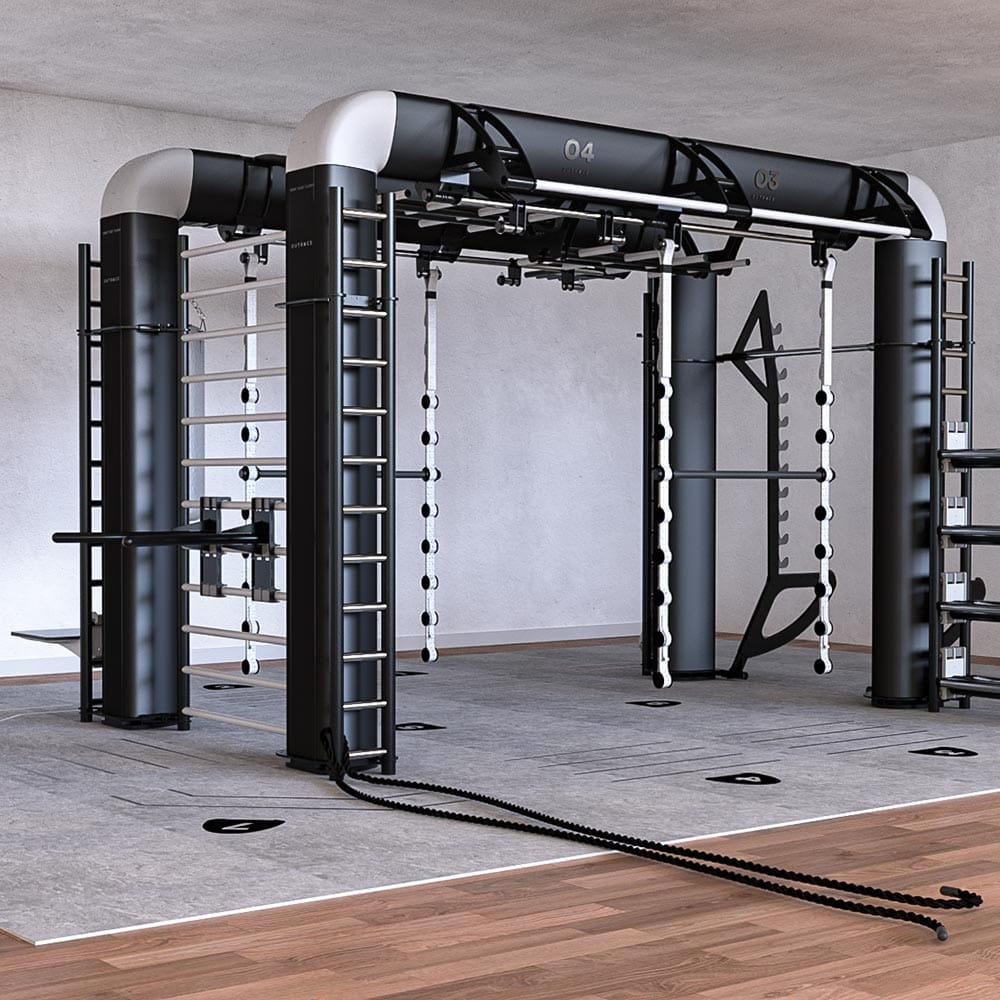
The belt is also available as product in the catalogue For orders from facilities requiring multiple or customised equipment. For gyms setting up calisthenics areas or zones dedicated to strength training, the belt integrates seamlessly with the horizontal bars, parallel bars and racks already in place at the facility.
Sidea has been operating in the professional fitness equipment sector since 1999, with over 25 years’ experience in product selection, distribution and technical consultancy. Its offering is based on a clear principle: simple, high-performance, essential equipment — without any unnecessary frills. Official distributor of StrongFirst and Luxiaojun, Sidea brings quality standards validated by international technical communities to Italy. The Gym Design service, featuring 3D renderings and direct consultancy, rounds off a package designed both for professionals setting up a facility and for athletes looking to create their own well-thought-out training space.
 Defibrillator AED
 Gift CardSidea
 Spare parts