






















Testosterone: Key Role in Muscle Development and Strength Adaptation, in fact we can define it as an Pillar for Muscle Development and Adaptation
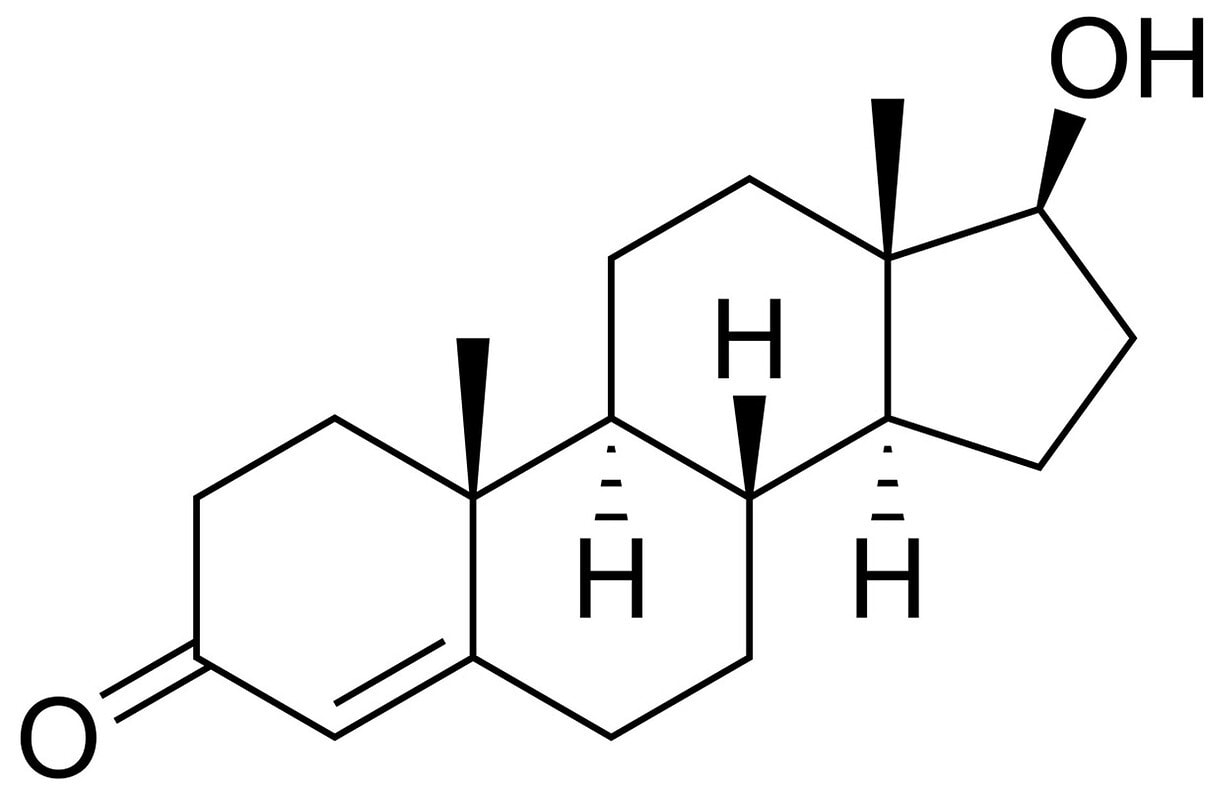
Testosterone (S) is a cholesterol-derived androgenic hormone produced mainly by the Leydig cells in the testes and, in smaller quantities, by the adrenal glands and ovaries (in women). This hormone plays a crucial role in regulating fundamental physiological processes due to the presence of specific receptors located in different tissues of the human body.
The Role of Testosterone in Puberty and Musculoskeletal Development
Increased testosterone production, stimulated by the activation of the hypothalamic-pituitary-gonadal axis, is a key step during male development and puberty. This event is associated with:
- Secondary sexual characteristics: growth of body hair, lowered voice tone, increased libido and sebum secretion.
- Musculoskeletal system: Longitudinal bone growth, mineralisation, ossification of cartilage and a significant increase in protein synthesis.
Let us say in a nutshell that it is also because of this hormone that we reach our maturity.
Transport and Mechanisms of Action
In the blood, approximately 97% of testosterone is bound to proteins (SHBG and albumin), while only 2-3% is in a free, biologically active form. Part of this free fraction is converted into dihydrotestosterone (DHT), which has greater androgenising and anabolic power.
The actions of testosterone occur through two main pathways:
- Genomic pathway: Testosterone crosses the cell membrane, binds to androgen receptors in the cytoplasm and activates transcription factors that regulate gene expression and protein synthesis.
- Non-genomic pathway: A rapid mechanism that directly influences muscle contraction and reduces the effects of fatigue by increasing calcium levels in the sarcoplasmic reticulum.

Effects on Skeletal Muscle
Testosterone stimulates muscle growth through:
- Activation of the mTOR pathway: stimulates protein synthesis and post-training reparative processes.
- Role of satellite cells: Promotes the activation, proliferation and fusion of these cells with muscle fibres, increasing the number of myonuclei available for protein synthesis. This is crucial for muscle hypertrophy, as any significant increase in the transverse section of fibres requires an increase in myonuclei.
Skeletal muscle fibres are unable to replicate autonomously, making the contribution of satellite cells indispensable for muscle adaptation, regeneration and growth.
Testosterone Response to Strength Training
Strength training induces a transient increase in testosterone levels, which peak within a few minutes and return to basal levels shortly thereafter. However, the value of this temporary increase does not lie in the direct anabolic effect, but rather in the increased uptake of the hormone by cells and increased interaction with androgen receptors.
Studies have shown that:
- Training with high loads (85-95% of 1RM) and the use of large muscle groups stimulates a more pronounced increase in testosterone.
- The post-workout increase in androgen receptors (up to 48 hours) amplifies the effectiveness of the hormone.
Effects of Testosterone in Supraphysiological Conditions
Taking anabolic steroids leads to higher than normal testosterone concentrations, resulting in:
- Significant increases in protein synthesis.
- Increased number of myonuclei through stimulation of satellite cells.
- Long-term effect (muscle memory), which makes the muscles more sensitive to training stimuli even after discontinuation of the drug.
Animal studies show that this muscle memory, linked to the semi-permanent increase in myonuclei, could explain the long-term benefits of athletes using doping substances, justifying proposals for lifelong sports disqualifications.

Training Considerations
The testosterone response to training is influenced by:
- Volume and intensity: High loads and intense training promote a transient increase in testosterone.
- Type of muscle fibres involved: fast fibres (type II) respond better to increased testosterone by increasing androgen receptors (up-regulation), while slow fibres (type I) tend to reduce them (down-regulation).
- Post-workout nutrition: This is essential to support the anabolic activity of the hormone.
Conclusions
- Testosterone is a key element in muscle development and adaptation, but an acute post-workout increase is not strictly necessary to achieve hypertrophy and strength.
- Receptor regulation and cellular uptake play a more important role in muscle adaptations.
- The use of anabolic steroids, although effective, entails critical ethical and health effects, with a long-term impact on skeletal muscle.
Maintaining optimal testosterone levels is essential for a healthy life and a fulfilling old age. As we age, testosterone levels tend to decline, negatively affecting our quality of life. However, there are natural strategies to support and increase the production of this hormone, thus mitigating the passage of time:
- Regular exercise: Physical activity, particularly resistance training and weightlifting, is one of the most effective ways to naturally increase testosterone levels. Studies indicate that exercise can stimulate testosterone production, helping to maintain muscle mass and vitality.
- Balanced nutrition: A diet rich in nutrients, vitamins and minerals supports hormone production. In particular, adequate intake of vitamin D, zinc and magnesium correlates with healthy testosterone levels.
- Stress management: High stress levels increase the production of cortisol, a hormone that can inhibit testosterone synthesis. Relaxation techniques such as meditation, yoga and a good quality of sleep are key to maintaining hormonal balance.

Antiaging medicine recognises the importance of maintaining balanced hormone levels to prevent signs of ageing and promote general well-being. Targeted interventions, such as bioidentical testosterone replacement therapy, can be considered under strict medical supervision to counteract the natural age-related decline of this hormone, and such therapies when combined with a correct lifestyle and physical activity that favours resistance work can prove particularly effective. However, it is crucial to carefully weigh the benefits and potential risks associated with such therapies.
This article highlights how testosterone, although central to the musculoskeletal system, does not act in isolation, but in synergy with training, nutrition and molecular factors to bring about optimal adaptations.
Now that you understand the importance of testosterone in muscle development, training adaptation and counteracting the degenerative processes of ageing, it is time to apply this knowledge to your daily routine. It's not just a matter of pushing yourself to the max in the gym, but of adopting an overall strategy that includes targeted training, balanced nutrition and optimal stress management.
Remember, the natural and sustainable approach is the one that always wins: utilise your potential and let your body do the rest. Training is not just a means to an aesthetic goal, but a wonderful journey that improves your health, your energy and, ultimately, your life.
You're still reading... run and train, take care of your diet, get a good rest and live every moment intensively. Your body will respond with results that will surprise you!

Does strength come from the ground? The Military Press and the body’s hidden synergy
Before you can push, you need something to push against. Before force comes support. [...]
29
Sep
Sep

PHA and Jump Sets on the 9089K1 Cable Station: train strength, circulation and muscle density all in one station
PHA and Jump Sets on the 9089K1 Cable Station: build strength, improve microcirculation by increasing [...]
28
Jul
Jul
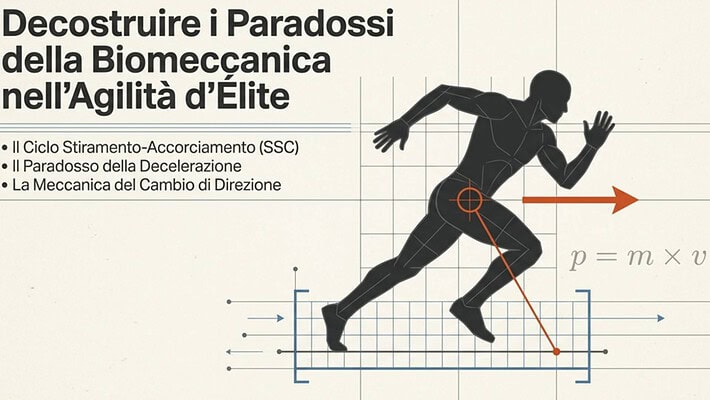
Elite agility: why changing direction isn’t just a matter of strength
Introduction: Agility is not just about being quick on your feet. When we talk about agility, the temptation [...]
30
Jun
Jun

Maximum strength and team sports
When strength becomes performance: Dr Mauro Franzetti’s contribution to the Summit of Strength [...]
26
Jun
Jun
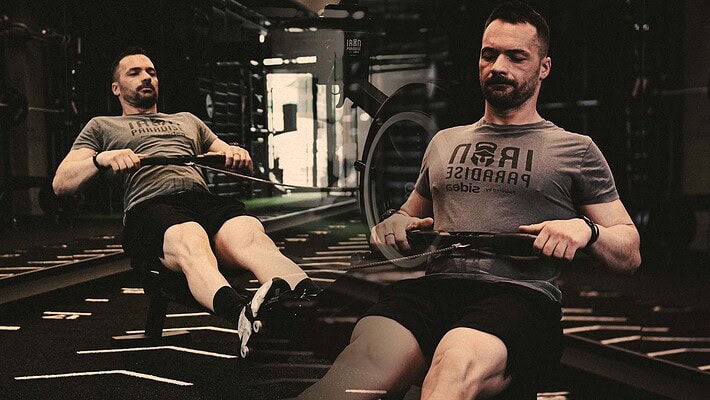
ATHX Games 2026: what it is, how it works and how to prepare for the hybrid competition
The evolution of HYBRID training In recent years, competitive fitness has evolved towards formats that are increasingly [...]
18
Jun
Jun

Definitive Guide to Bumper Plate Selection: How Not to Get Your First Set Wrong and Optimise Performance
The truth that no one tells you? Choosing a bumper disc is not just a matter [...]
29
May
May

Structure Governs Function: Dr Luca Franzon at the Summit of Strength in Cesena
A journey into the myofascial system that is revolutionising strength, movement and performance - from 1 [...]
26
May
May

The Ultimate Guide to Choosing SIDEA Handlebars
How and why choosing the right dumbbell for your workout The Dumbbell As An Investment [...]
22
May
May
Biographical sources
Kraemer, W.J., et al. 'Hormonal and growth factor responses to heavy resistance exercise protocols' 1990
Van Zyl, C.G., Noakes, T.D., Lambert, M.I. 'Anabolic-androgenic steroid increases running endurance in rats' 1995
Kadi, F., et al. 'The effects of heavy resistance training and detraining on satellite cells in human skeletal muscles' 1999
Tae-Ha Chung, Yu-Jin Kwon, Yong-Jae Lee, 'High triglyceride to HDL cholesterol ratio is associated with low testosterone and sex hormone-binding globulin levels in middle-aged and elderly men' 2020
A.R. Granata, V. Rochira, A. Lerchl, P. Marrama, C. Carani, 'Relationship between sleep-related erections and testosterone levels in men' 1997


Kettlebell Strong Competition & vinyl
42,70€ 256,20€Fascia di prezzo: da 42,70€ a 256,20€ FEES and TAXES NOT INCLUDED
Questo prodotto ha più varianti. Le opzioni possono essere scelte nella pagina del prodotto
-20%
PROMOTION

Smart Racks
 Defibrillator AED
 Gift CardSidea
 Spare parts