














The force that flows in all directions
For decades, strength training has been thought of in linear terms: push, pull, lift. However, the reality of human movement in sport as in everyday life is anything but linear. Every athletic gesture, from the rotation of the torso in a volley to the change of direction while running, arises from circular and torsional forces, from a continuous dialogue between muscle chains that are activated in sequence to generate, control and dissipate energy.
It is on this basis that the concept of Circular Strength was born, a paradigm that emphasises the ability to produce and manage multi-directional rotational, transverse and multi-planar forces with stability, control and fluidity.
Scientific evidence: why train rotational strength
In recent years, numerous studies have confirmed that rotational strength is a pillar not only of performance but also of prevention.
- Zemková and colleagues (2017-2022) demonstrated that rotational power tests (wood chop and trunk rotation) are highly reliable and correlate with multi-planar sports performance.
- Walter et al. (2019-2023) documented how programmes with Indian clubbell improved strength and mobility of the shoulder rotators, reducing the risk of injury in pitchers and handball players.
- Andre et al. (2012) and subsequent studies have validated protocols for measuring power in the transverse plane, confirming the direct link between rotational capacity and sports performance.
- Research on core rotational training has finally clarified that improving torsional control of the trunk means reducing joint stress, improving posture and preventing chronic low back pain.
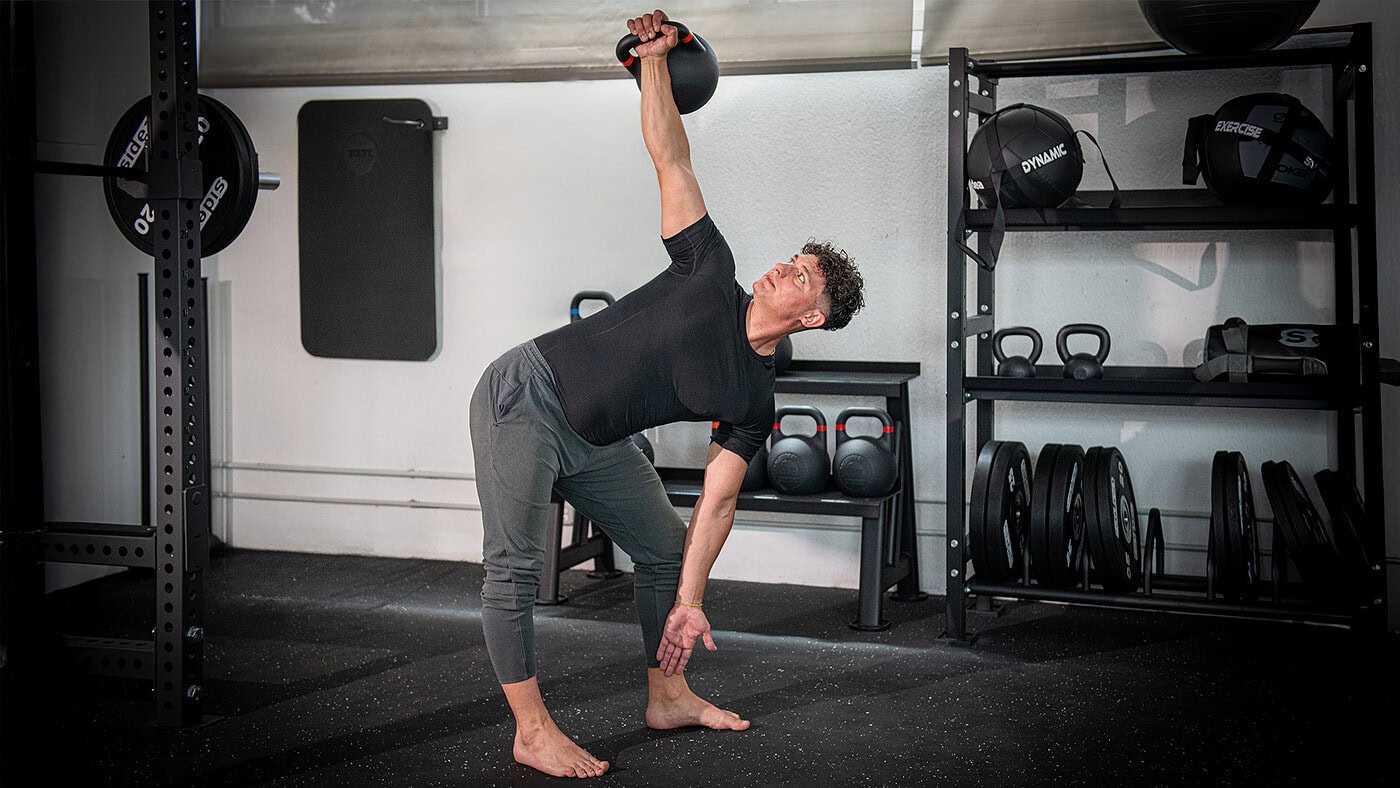
Beyond performance: well-being, posture and quality of life
Training the circular strength is not just for athletes. Every daily gesture lifting a child, turning around in a car, carrying an envelope requires rotation, stability and transfer of force through the body.
A muscular system capable of handling these forces:
- protects the spinal column, improving trunk control (central volume);
- optimises joint mobility, reducing stiffness and compensations (proximal volumes)
- favours the finalisation of any gesture, maximising the interconnections from the centre to the periphery (distal volumes/finalising limbs)
result:
- promotes functional longevity, i.e. the ability to move efficiently even with age.
SIDEA: pioneers of 3D training
Long before it ends as multiplanar training o rotational power enter the language of fitness, SIDEA had already realised the importance of strength training in all directions.
More than 15 years ago, SIDEA, an Italian company and today Europe's leading manufacturer of functional training equipment, introduced tools to the market that would redefine the concept of three-dimensional movement:
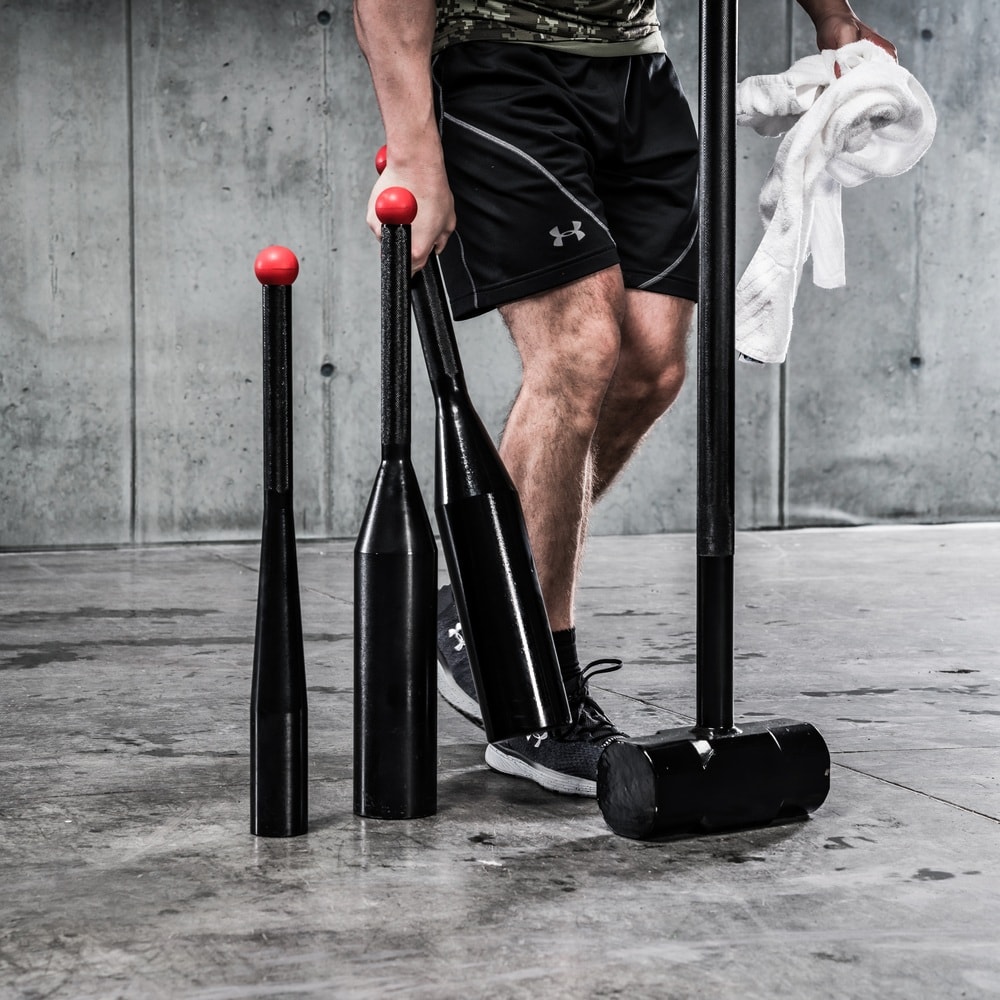
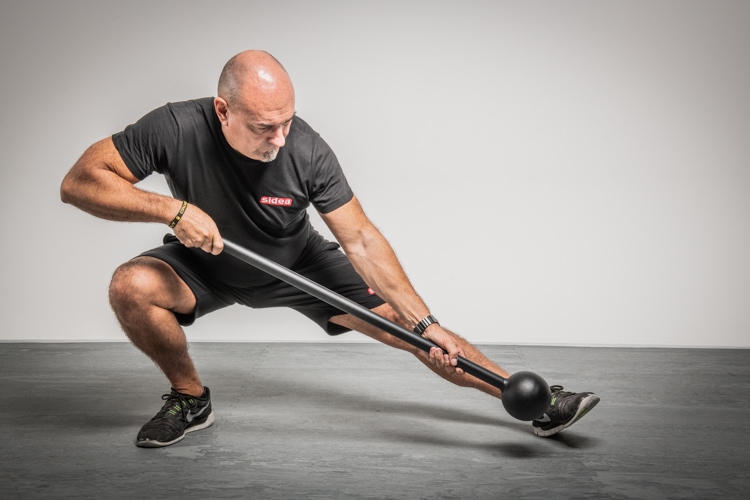
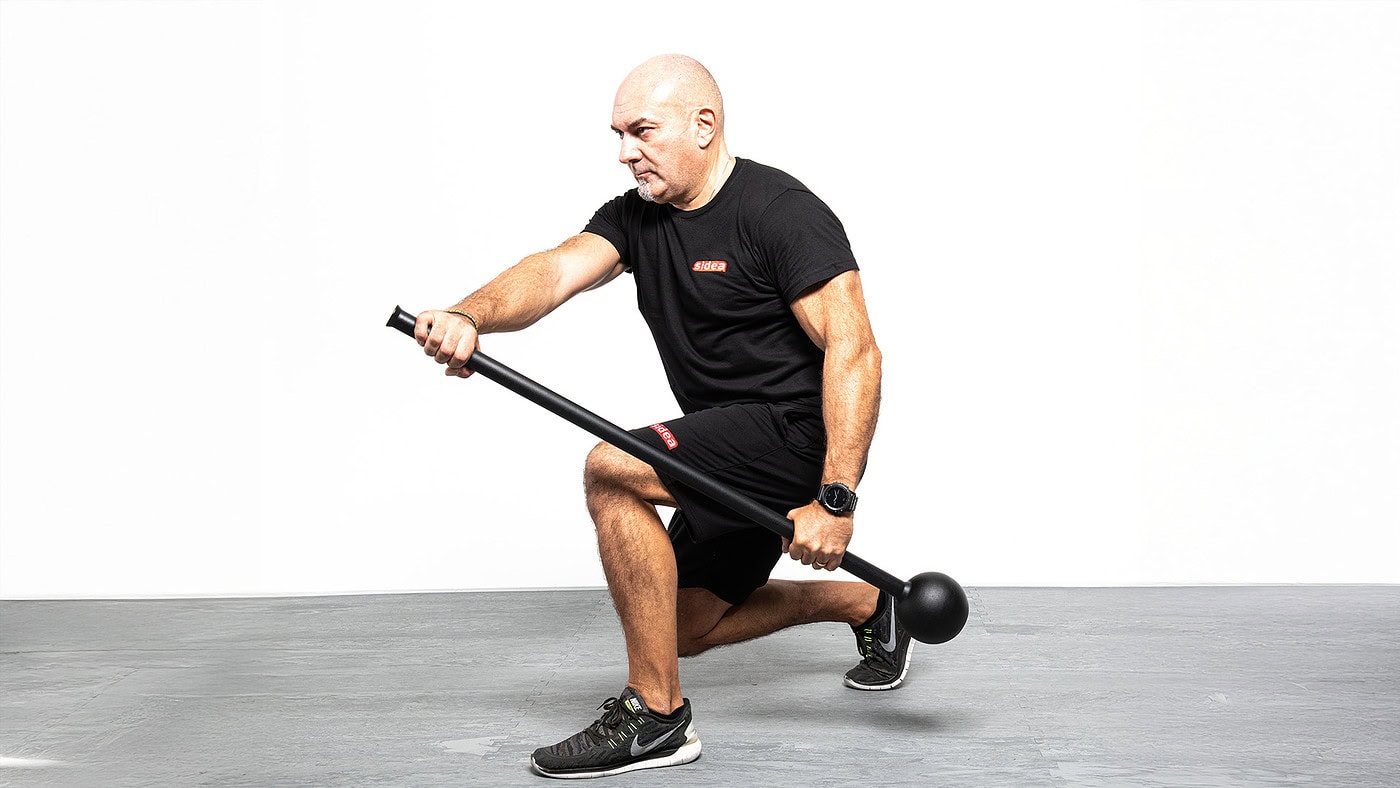
- Si-Macebell - inspired by traditional Indian maces (gada), ideal for multi-planar swimming and circular movements that strengthen the shoulders and core.
- Si-Club - off-centre load tools that train strength, coordination and joint control.
- Kettlebell - always a pivotal tool for ballistic and torsional gestures.
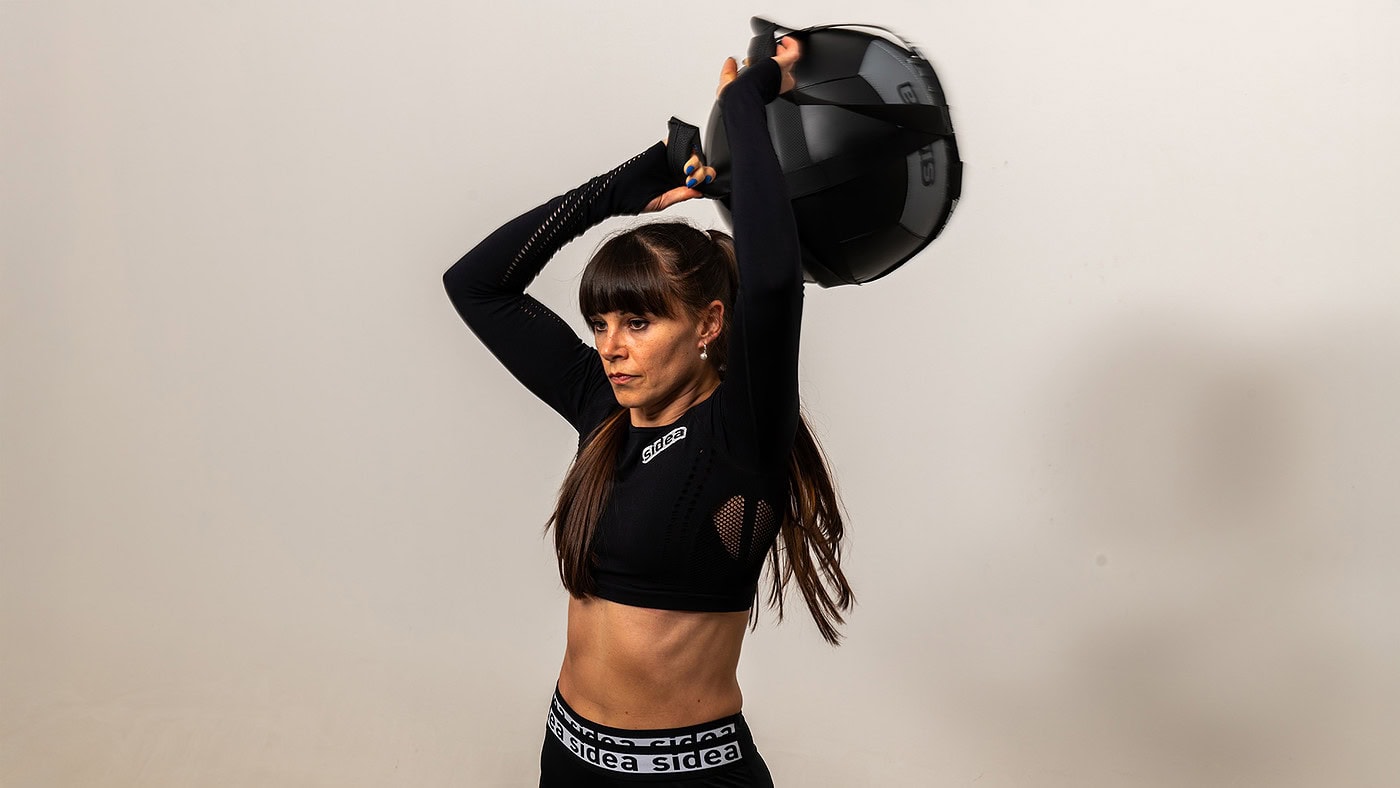
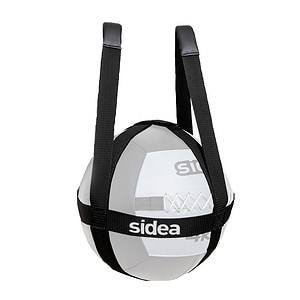
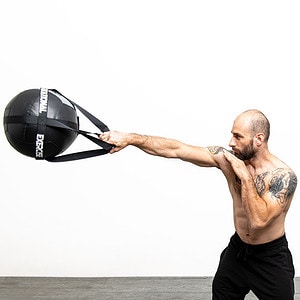
- Giant Med Ball - a medicine ball that, with a strap, transforms a classic linear power exercise into a powerful rotational and multi-planar torsional workout.
These seemingly simple pieces of equipment embody an advanced biomechanical principle: the off-centre load generates a constant pair of forces, forcing the body to stabilise, rotate and coordinate muscle chains dynamically. It is the practical translation of the circular strength in motion.
An anticipatory vision
The SIDEA approach has never been fashionable: it was born out of scientific observation and performance culture.When the market was still only talking about machines and muscular isolation, SIDEA developed equipment designed for movement, thus moving away from the musculocentric modelling that in the past has blocked many aspects of the fitness world and prevented its proper development.
Today, with the boom in functional training, 3D athletic training and rotational training, that vision has proved prophetic.
SIDEA continues to invest in research and development, working with athletes, trainers and universities to perfect tools that not only enhance performance, but preserve joint integrity and improve quality of life.
Conclusion
Training the Circular Strength means training for real life: that made up of rotations, changes of direction, complex and unpredictable gestures.
SIDEA, with its philosophy and tools, has chosen to be not just an equipment manufacturer, but an interpreter of human movement, pioneering three-dimensional training that anticipates the future of performance and wellness.
Dr. M. Maraldi


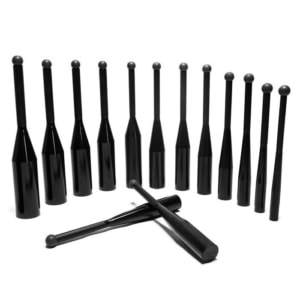
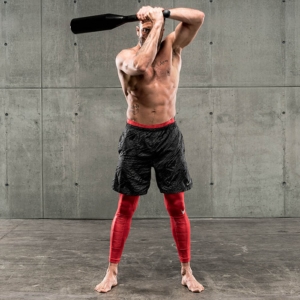
Clave & Macebell
14,49€ 298,90€Fascia di prezzo: da 14,49€ a 298,90€ FEES and TAXES NOT INCLUDED
Questo prodotto ha più varianti. Le opzioni possono essere scelte nella pagina del prodotto
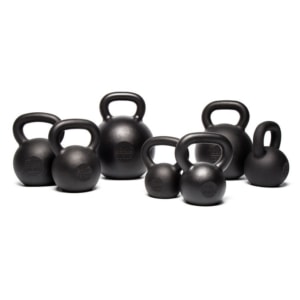
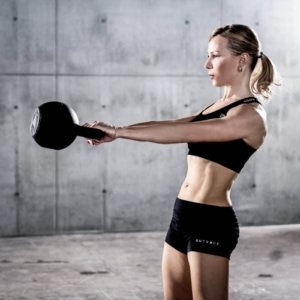
Kettlebell Strong Competition & vinyl
30,50€ 358,38€Fascia di prezzo: da 30,50€ a 358,38€ FEES and TAXES NOT INCLUDED
Questo prodotto ha più varianti. Le opzioni possono essere scelte nella pagina del prodotto

HISTORY OF TRAINING: THE SCIENCE OF MOVEMENT
Strength training and its evolution throughout history: from the athletes of ancient Greece to modern [...]
16
Oct
Oct
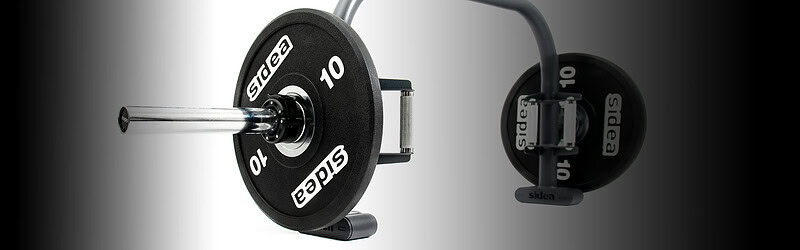
Hex Bar: what it is, which exercises to do and how to choose the right one
Strength, stability and freedom of movement: find out why the Hex Bar is an interesting alternative to [...]
09
Oct
Oct
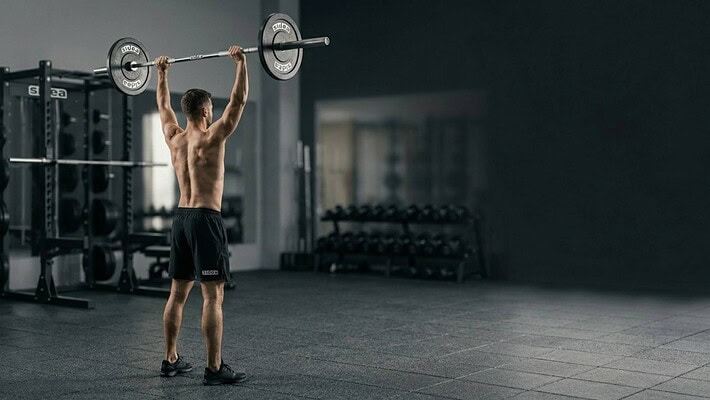
Does strength come from the ground? The Military Press and the body’s hidden synergy
Before you can push, you need something to push against. Before force comes support. [...]
29
Sep
Sep
PHA and Jump Sets on the 9089K1 Cable Station: train strength, circulation and muscle density all in one station
PHA and Jump Sets on the 9089K1 Cable Station: build strength, improve microcirculation by increasing [...]
28
Jul
Jul
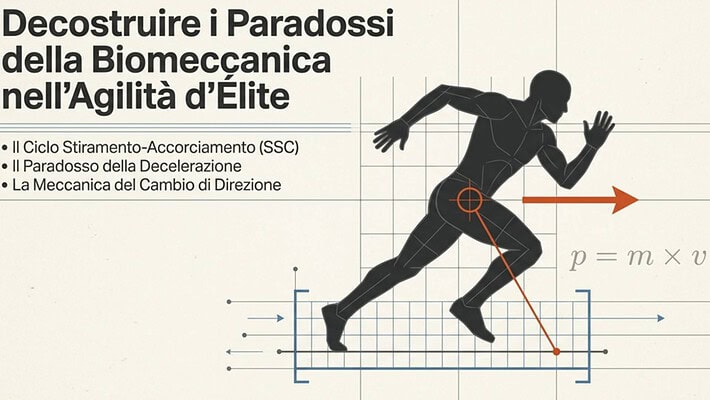
Elite agility: why changing direction isn’t just a matter of strength
Introduction: Agility is not just about being quick on your feet. When we talk about agility, the temptation [...]
30
Jun
Jun
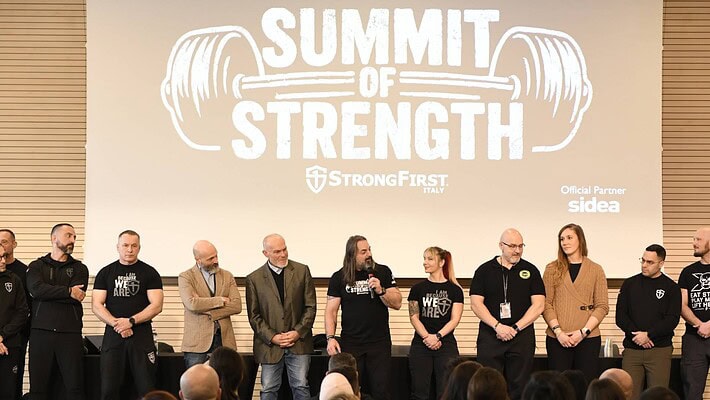
Maximum strength and team sports
When strength becomes performance: Dr Mauro Franzetti’s contribution to the Summit of Strength [...]
26
Jun
Jun
ATHX Games 2026: what it is, how it works and how to prepare for the hybrid competition
The evolution of HYBRID training In recent years, competitive fitness has evolved towards formats that are increasingly [...]
18
Jun
Jun
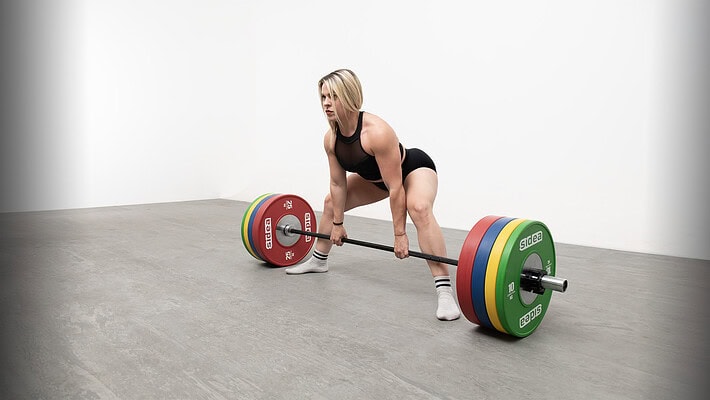
Definitive Guide to Bumper Plate Selection: How Not to Get Your First Set Wrong and Optimise Performance
The truth that no one tells you? Choosing a bumper disc is not just a matter [...]
29
May
May
 Defibrillator AED
 Gift CardSidea
 Spare parts