















Strong First Summit of Strength 2026
On 31 January and 1 February 2026, Cesena was the meeting point for coaches, athletic trainers and strength professionals from all over the world at the StrongFirst Summit of Strength 2026.
This international event was not only a technical update, but above all an opportunity to reflect on the evolution of the very concept of strength and the way it is trained.
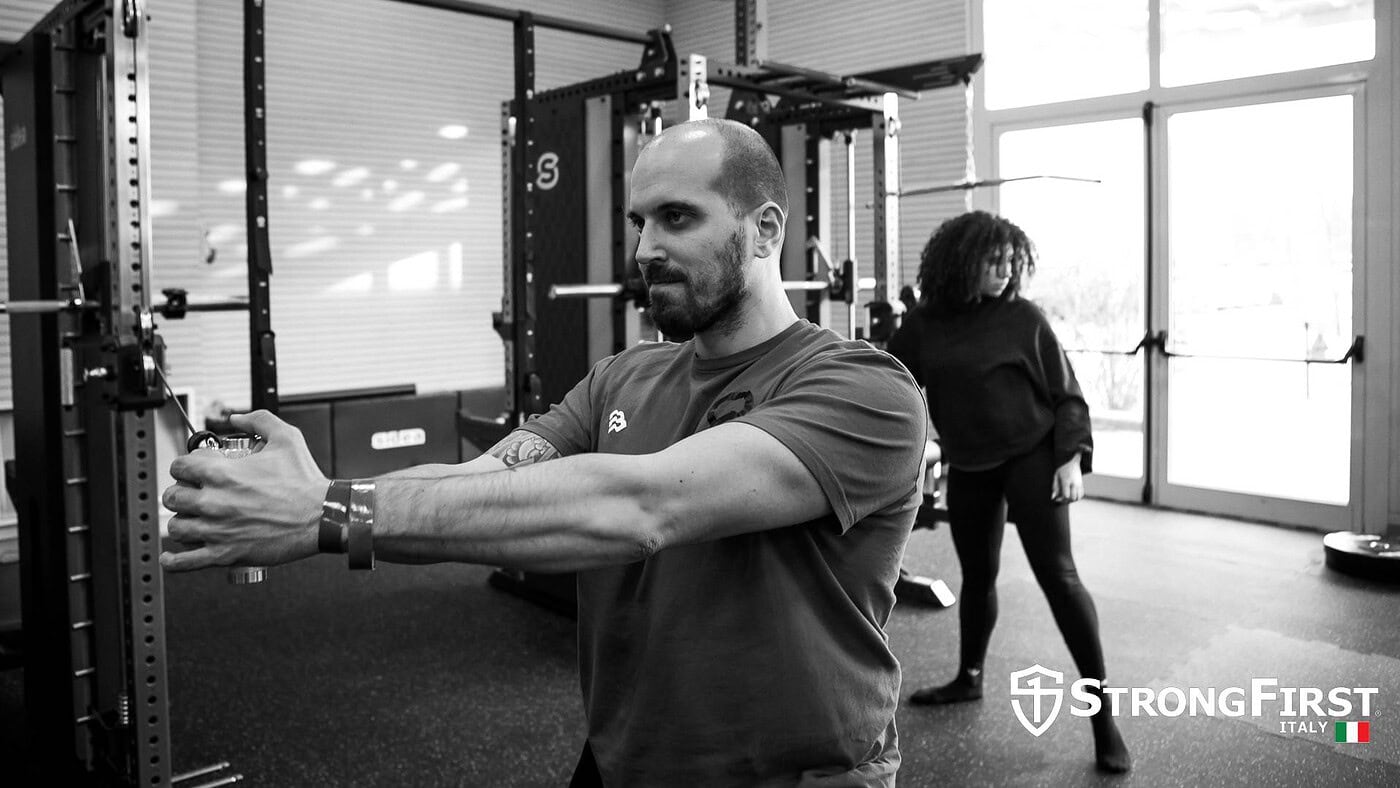
Among the many high-level presentations, one of the topics that aroused particular interest was that of 3D Training, presented and developed by Michael Maraldi, with an approach that integrates biomechanics, motor control and neuromuscular organisation.
3D
From muscle to system 3D Training is based on a central assumption: the human body is a self-organising dynamic system.
In line with Dynamic Systems Theory, movement is not the result of a centralised command that activates individual muscles in sequence, but emerges from the interaction between:
- constraints of the body (structure, mobility, strength, motor history)
- task constraints (load, speed, direction)
- constraints of the environment (surface, tool, gravity)
According to Newell's constraints model, it is the interaction between these factors that generates the coordination.
The effective technique is not “imposed”, but emerges as the optimal solution within these constraints. In this context, 3D Training aims to create conditions in which the neuromuscular system is forced to adapt three-dimensionally, integrating:
- sagittal plane
- frontal plane
- transverse plane
Every effective athletic gesture arises from the simultaneous management of linear, rotational and shear forces.
Functional Anatomy 3D
The Hierarchy of Volumes
During the intervention, the body was interpreted through functional volumes rather than individual muscles:
Core Volume - Core
It is the fulcrum of force transmission and the main regulator of system stability. In multi-joint movements, it represents the integration point between force production and direction.
Proximal volumes - Legs and arms
They are the main generators of power. They enable the production of force and the positioning of the body in space.
Distal volumes - Hands, feet and head
They act as finalising elements:
-
the foot interacts with the ground (ground reaction forces)
-
the hand handles the tool
-
the head directs balance and motor intention
From this organisation emerges the so-called:
Functional Trinity = Power - Stability - Direction (Drive)
The power generated by the proximal segments must be modulated by the central volume and transferred effectively to the distal segments.
Optimal co-ordination is therefore the result of an integrated sequence, and not of isolated activations.
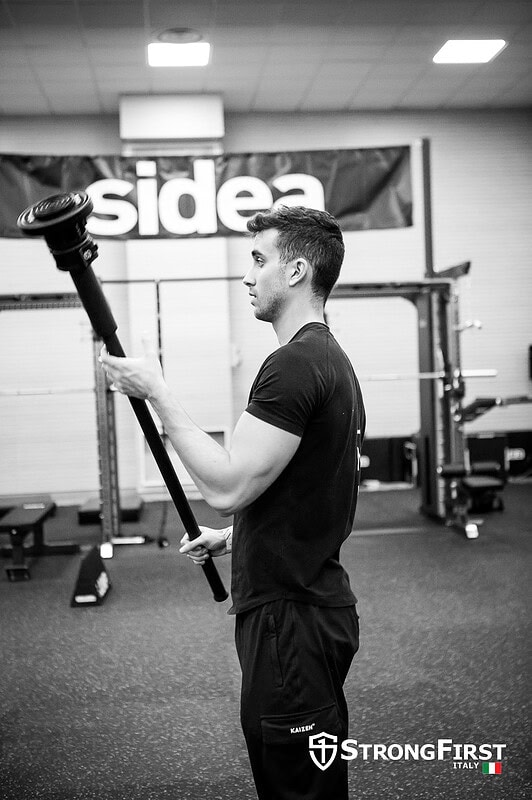
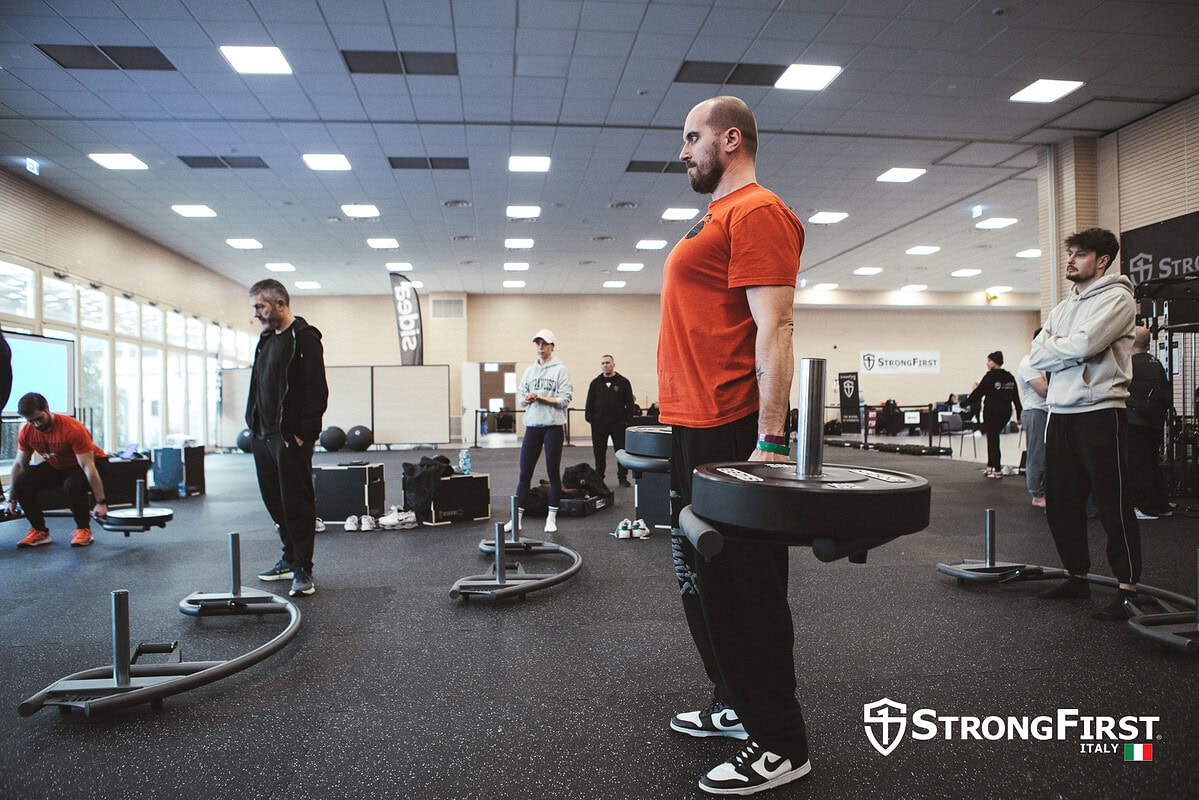
The tools of the Summit: practical application of the 3D model During the Summit, various tools were used as instruments to create functional constraints capable of stimulating emergent co-ordination and three-dimensional adaptation.
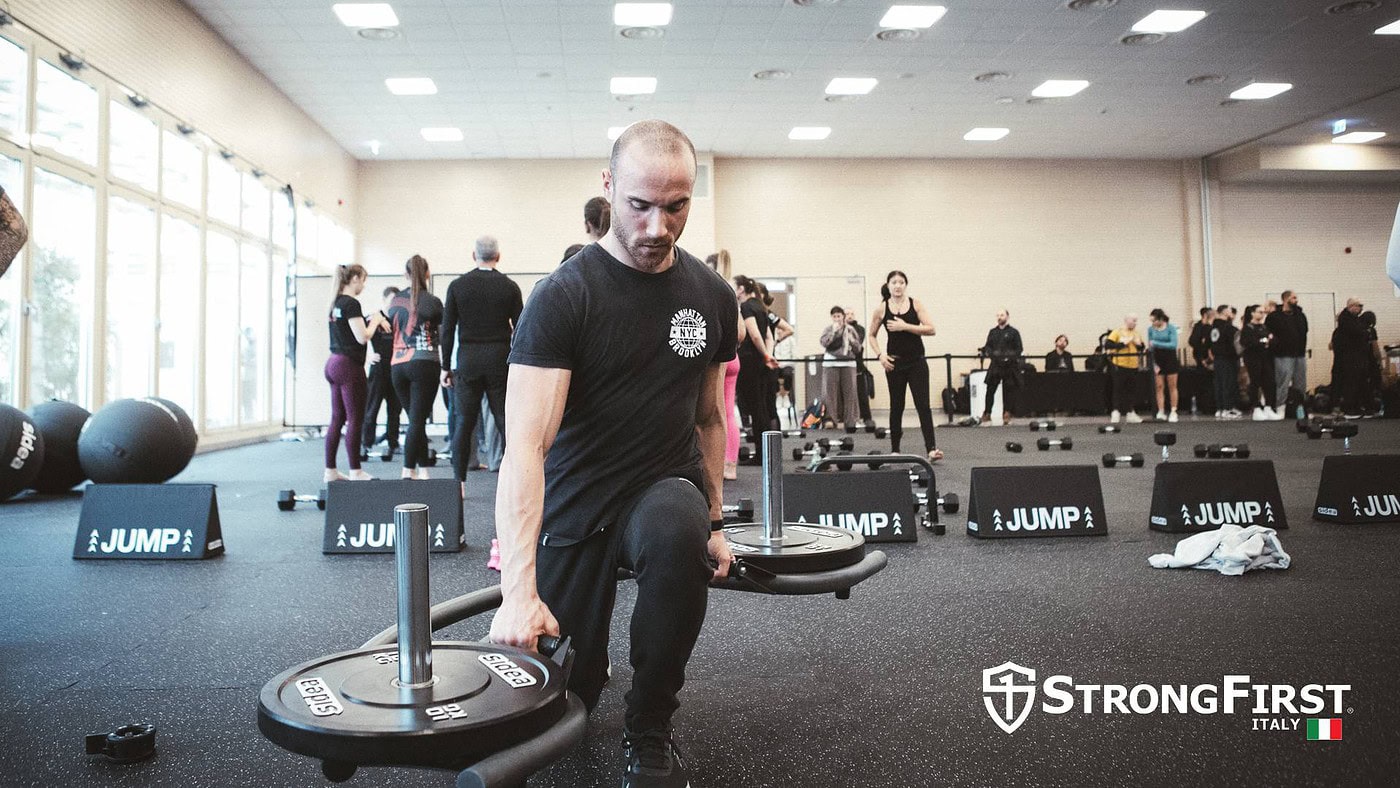
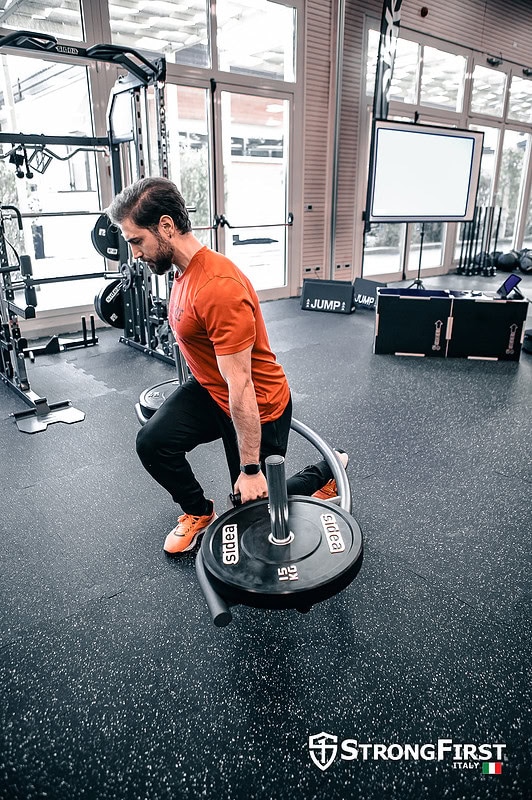
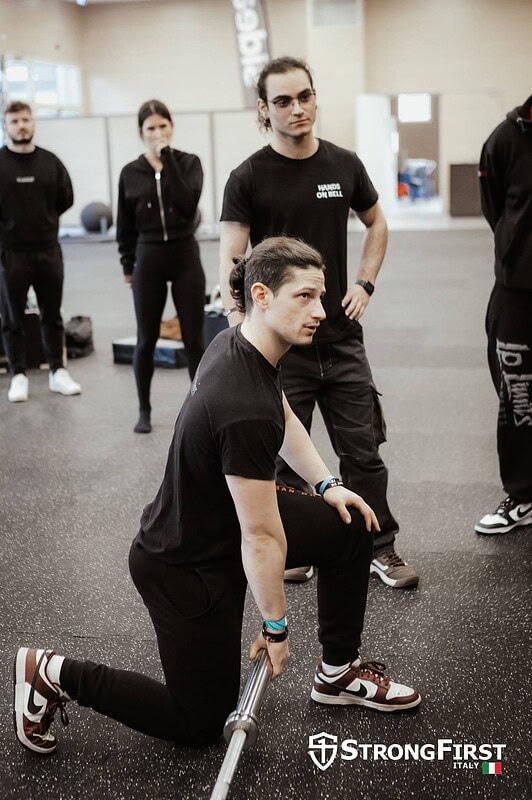
Low Hex Bar 9212/3 Used to work on the relationship between: centre of mass (COM) base of support (BOS) Alignment of the load with respect to the body: reduces shear forces on the column facilitates learning three-dimensional stability management requires continuous micro-adjustments of the core under load The geometry of the equipment then becomes a positive constraint, guiding motor organisation towards more efficient patterns.
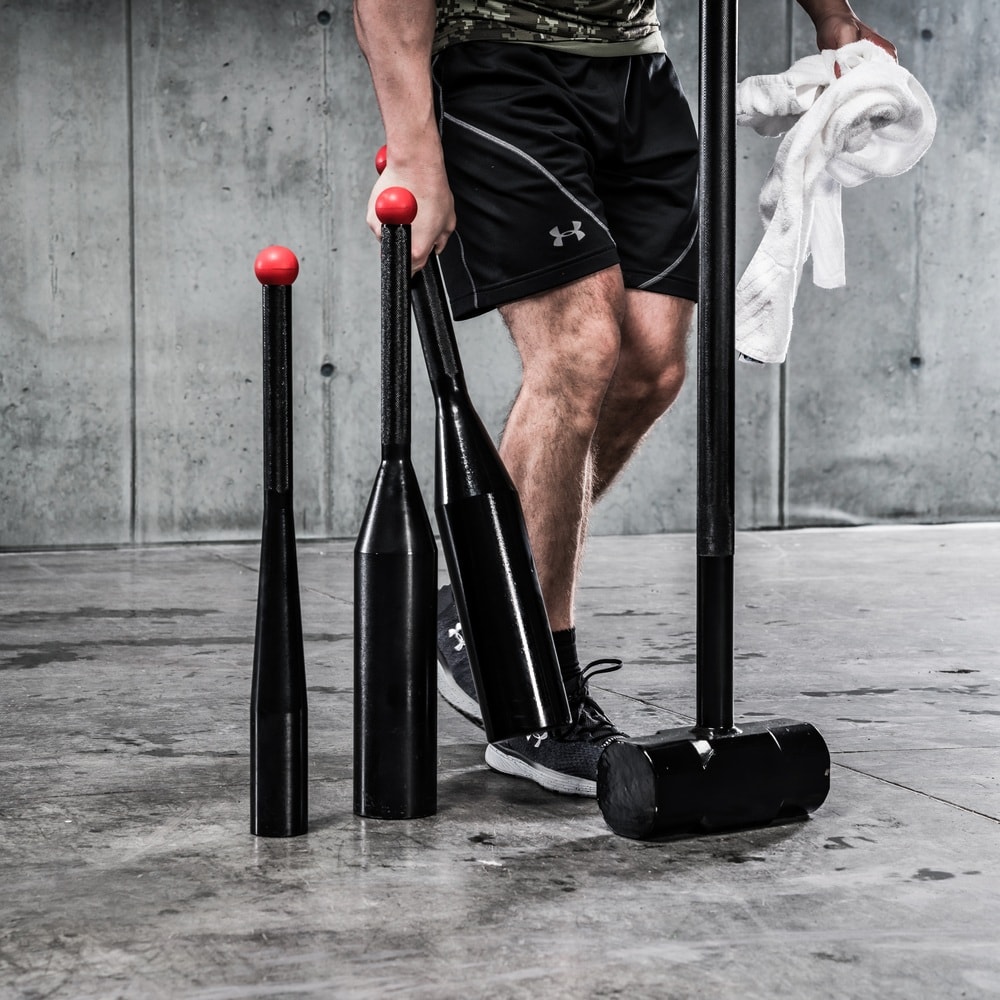
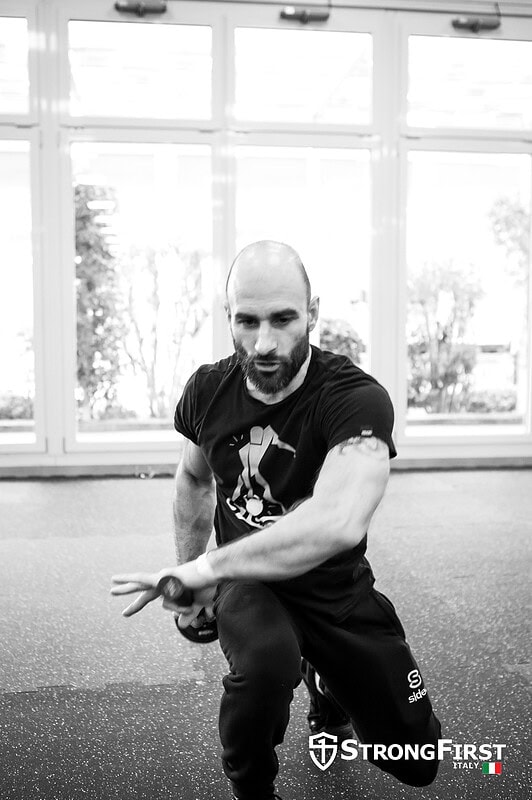
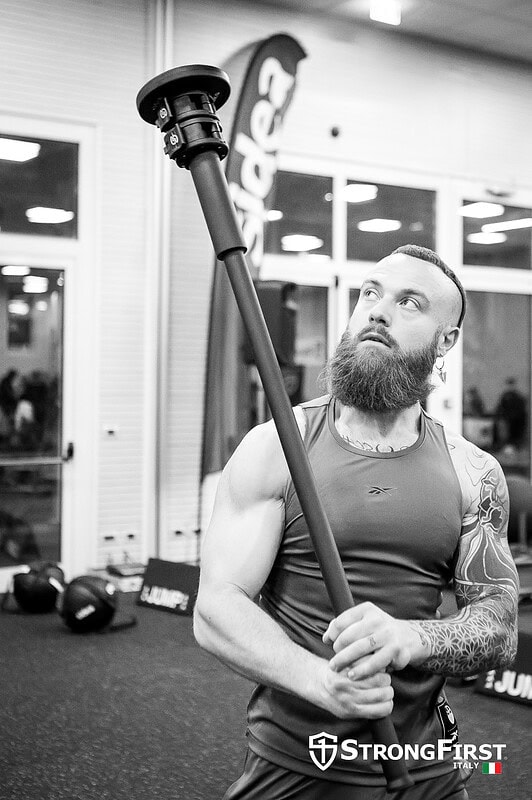
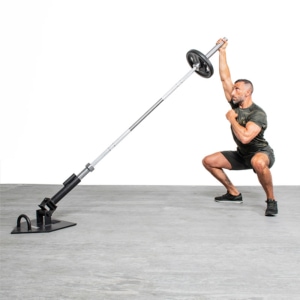
Total Core Pin 9029 Bridging tool between pure force and complex coordination. In ballistic and diagonal movements (e.g. woodchop), it allows the so-called spiral force to be explored, highlighting: functional pivot of the foot transfer of energy from the hip transmission through the core distal finalisation The hand does not generate the force: it represents the last link in a kinetic chain that arises from interaction with the ground.
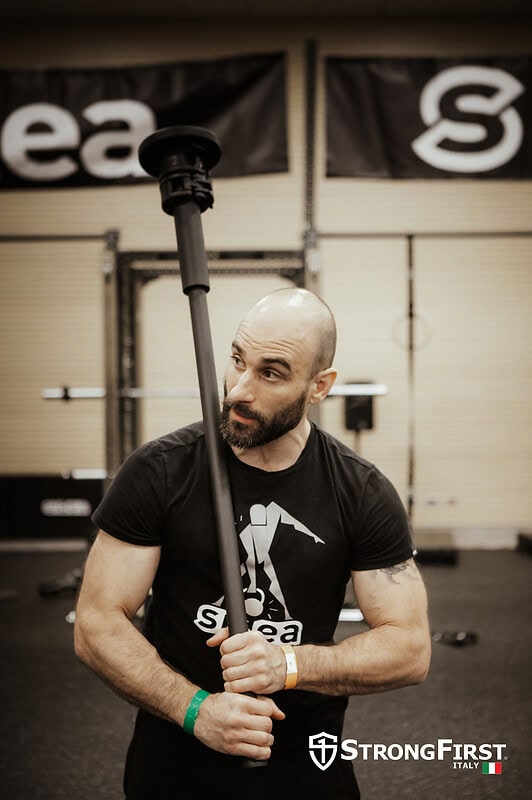
Loadable Macebell 2139 The macebell introduces a high torque and a significant shift in the centre of gravity. It is not simply a weight to be lifted, but an inertia to be governed. By working on: flow control management of centrifugal and centripetal accelerations track dissociation intersegmental coordination, the macebell increases the complexity of the system, forcing the organism to develop more refined control strategies. In terms of system dynamics, it increases task constraints, encouraging the emergence of new co-ordinative solutions.
3D training and prevention
Strength without rigidity One of the most relevant passages in Maraldi's speech concerns injury prevention.
In a poorly organised system, the body tends to respond to load demands with: excessive defensive co-contractions segmental stiffening unmodulated increase in stiffness, this can reduce the efficiency of the gesture and increase the load on passive structures.
3D Training, on the other hand, aims to develop:
- modulated stiffness: ability to stiffen only when necessary improved intermuscular synchronisation increased neuromuscular efficiency
- Correctly train segmental rotation and anti-rotational control: improve force distribution along the kinetic chain.
It is not a question of “blocking” the movement, but of organising it in such a way that the force is transmitted without dispersion or excessive compensation.
A key principle that emerged during the Summit: You cannot express strength if you do not have a stable and dynamically controlled foothold.
A new language of strength Michael Maraldi's contribution to the StrongFirst Summit of Strength 2026 highlighted a cultural transformation taking place in the world of physical training.
Strength training today means
Integrate production and control train movement in three dimensions create intelligent constraints that foster emergent co-ordination develop adaptability as well as power.
3D Training is not simply about moving loads, but about being able to govern inertia, centre of gravity and external forces efficiently and sustainably.
The rapporteur
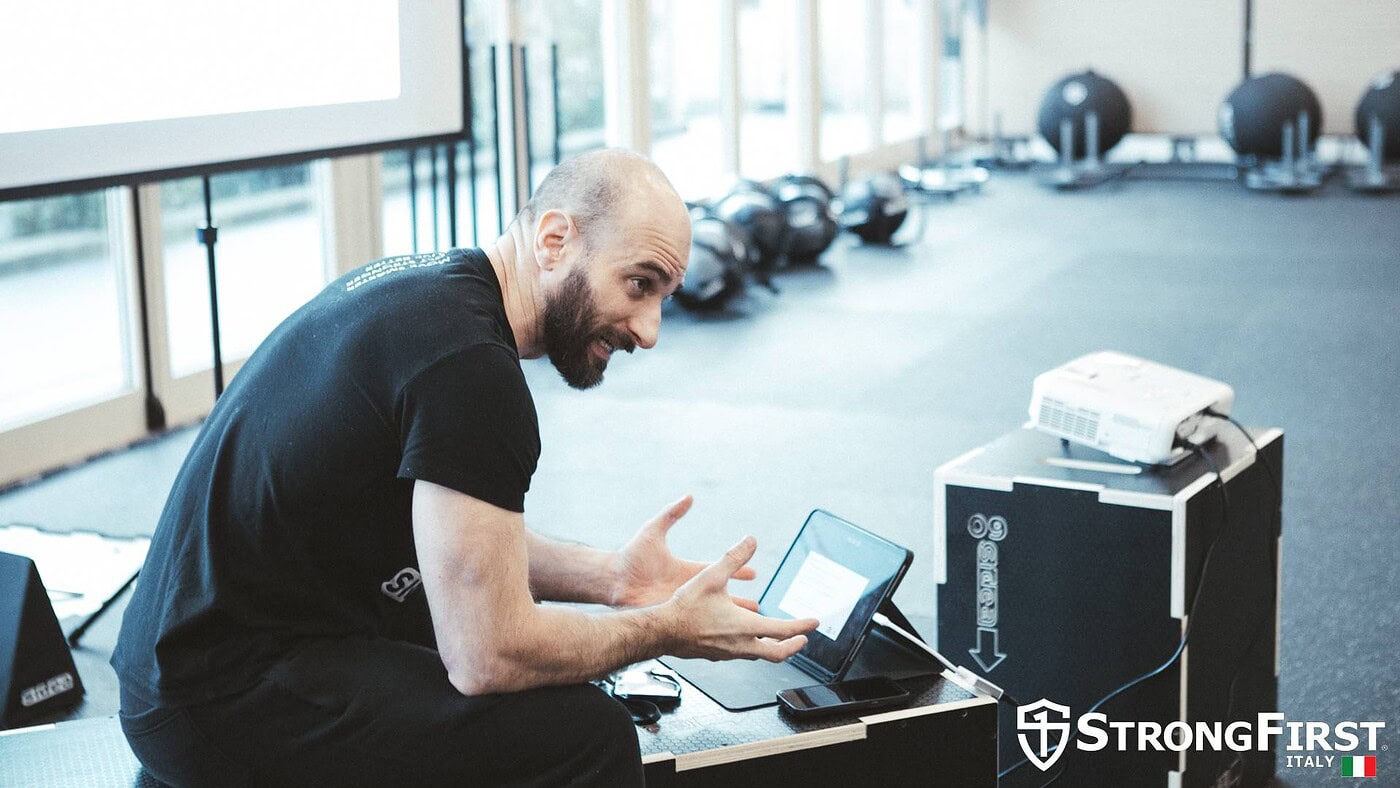
Michael Maraldi is an international strength and conditioning coach and trainer with solid practical experience and a vision that integrates athletic training, motor control and injury prevention.
His speech at the Summit proposed a contemporary reading of strength: no longer understood as simply the ability to produce muscle tension or lift high loads, but as the body system's ability to organise itself in space and time efficiently.
The key concept of his presentation can be summarised as follows: The body does not operate by isolated muscles, but by coordinated movement patterns.
Dr Giacomo Collini




HISTORY OF TRAINING: THE SCIENCE OF MOVEMENT
Strength training and its evolution throughout history: from the athletes of ancient Greece to modern [...]
16
Oct
Oct
Hex Bar: what it is, which exercises to do and how to choose the right one
Strength, stability and freedom of movement: find out why the Hex Bar is an interesting alternative to [...]
09
Oct
Oct
Does strength come from the ground? The Military Press and the body’s hidden synergy
Before you can push, you need something to push against. Before force comes support. [...]
29
Sep
Sep
PHA and Jump Sets on the 9089K1 Cable Station: train strength, circulation and muscle density all in one station
PHA and Jump Sets on the 9089K1 Cable Station: build strength, improve microcirculation by increasing [...]
28
Jul
Jul
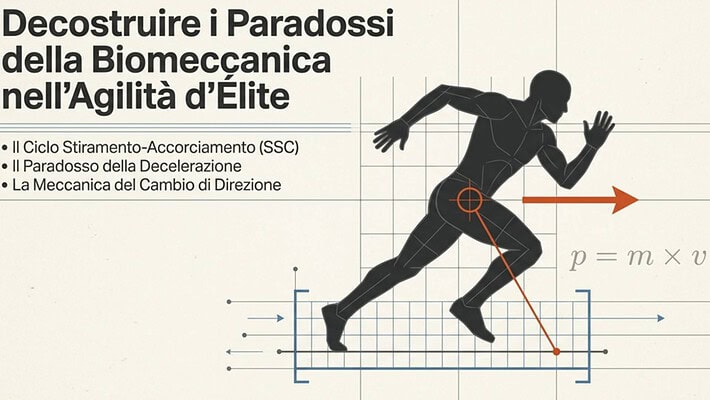
Elite agility: why changing direction isn’t just a matter of strength
Introduction: Agility is not just about being quick on your feet. When we talk about agility, the temptation [...]
30
Jun
Jun
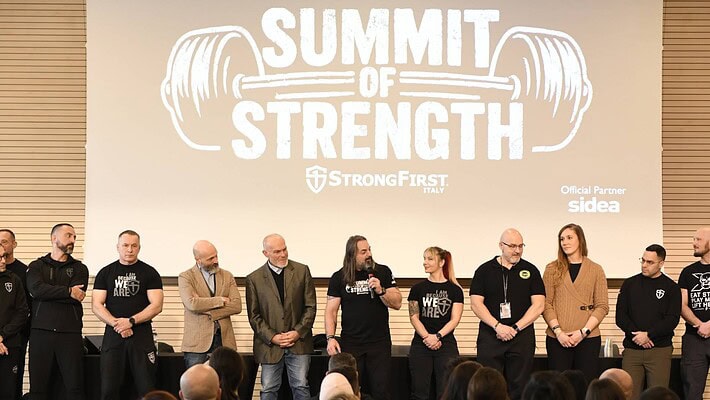
Maximum strength and team sports
When strength becomes performance: Dr Mauro Franzetti’s contribution to the Summit of Strength [...]
26
Jun
Jun
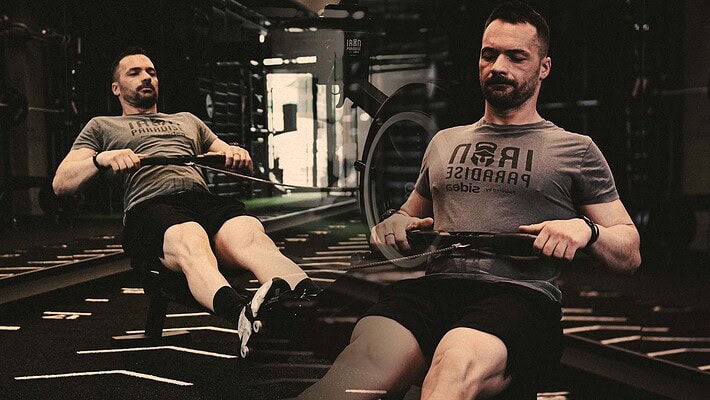
ATHX Games 2026: what it is, how it works and how to prepare for the hybrid competition
The evolution of HYBRID training In recent years, competitive fitness has evolved towards formats that are increasingly [...]
18
Jun
Jun
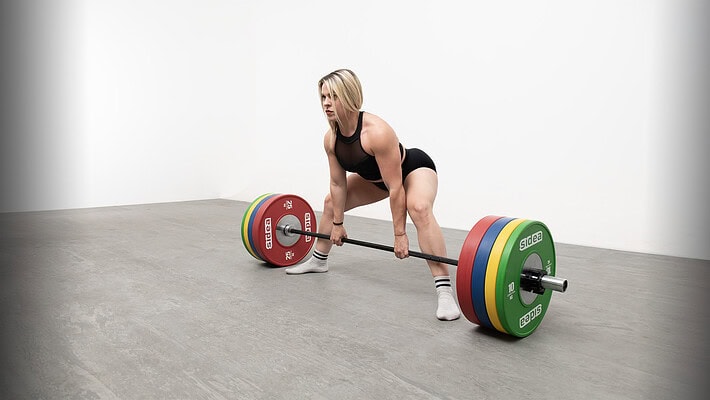
Definitive Guide to Bumper Plate Selection: How Not to Get Your First Set Wrong and Optimise Performance
The truth that no one tells you? Choosing a bumper disc is not just a matter [...]
29
May
May
 Defibrillator AED
 Gift CardSidea
 Spare parts