















-
×
 9080K1 Light Pack
1 × 2.440,74€
9080K1 Light Pack
1 × 2.440,74€
How to choose the right mat for your needs
The mat is one of the most undervalued tools in training.
Yet it is the point of contact between the body and the ground: it affects comfort, safety, hygiene and quality of movement.
Choosing the correct mat means:
- improving stability
- prevent abrasions and micro-traumas
- increase joint comfort
- ensure durability
- optimise storage and handling in the gymnasium
The choice must be guided by objective criteria, not just by thickness or aesthetics.
1️⃣ The first criterion: the type of activity
There is no such thing as a “universal” mat.
There is the most suitable mat for the specific discipline.
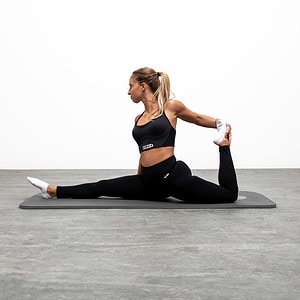
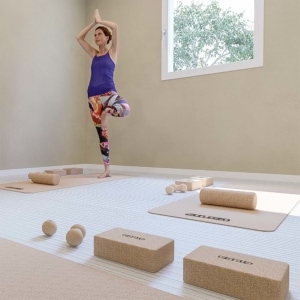
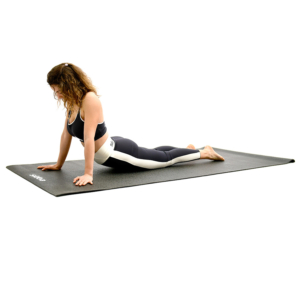
🧘 Yoga and Pilates: grip and stability first
In disciplines with predominantly isometric work, balance and postural control:
- maximum surface grip is needed
- adherence to the floor is important
- thickness must ensure comfort without compromising stability
A mat that is too soft makes balancing positions unstable.
One that is too rigid reduces comfort on the knees and spine.
Ideal solutions:
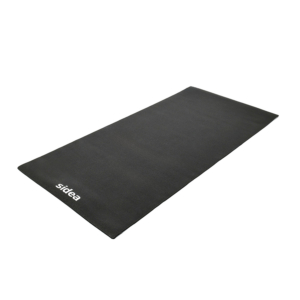
- 3016 Yoga Mat
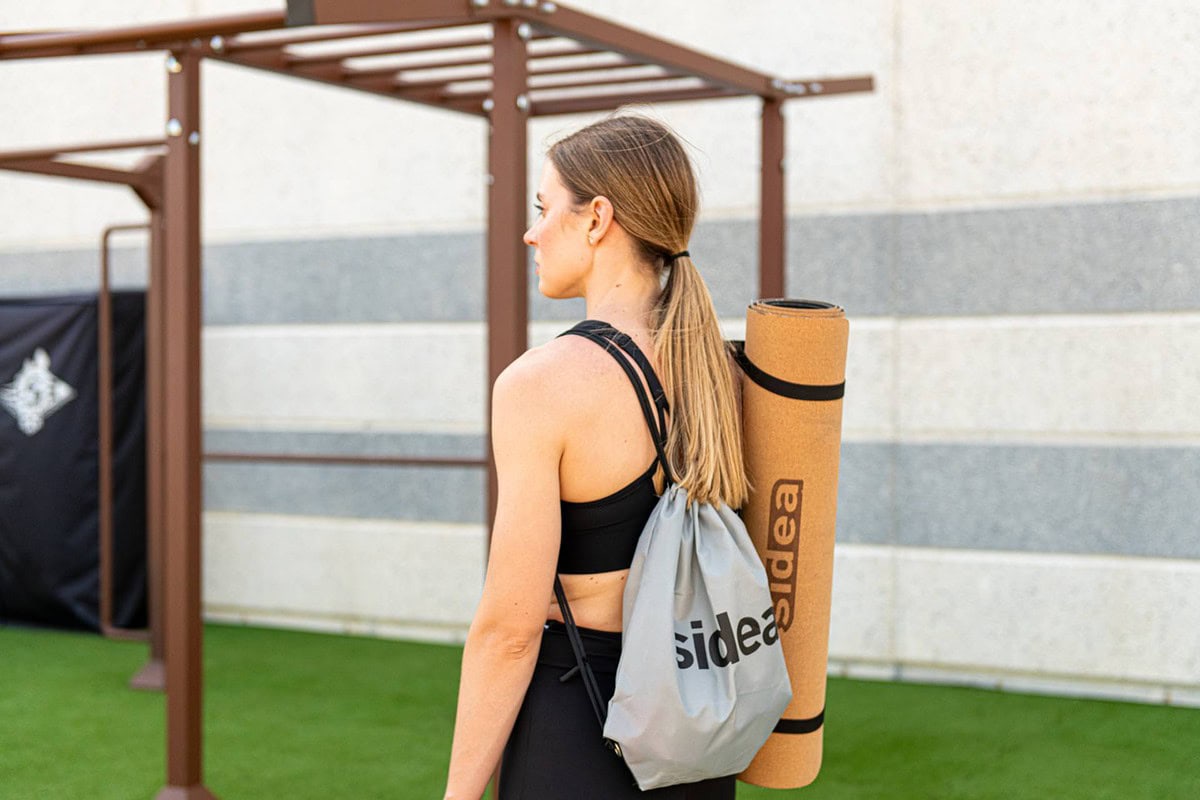
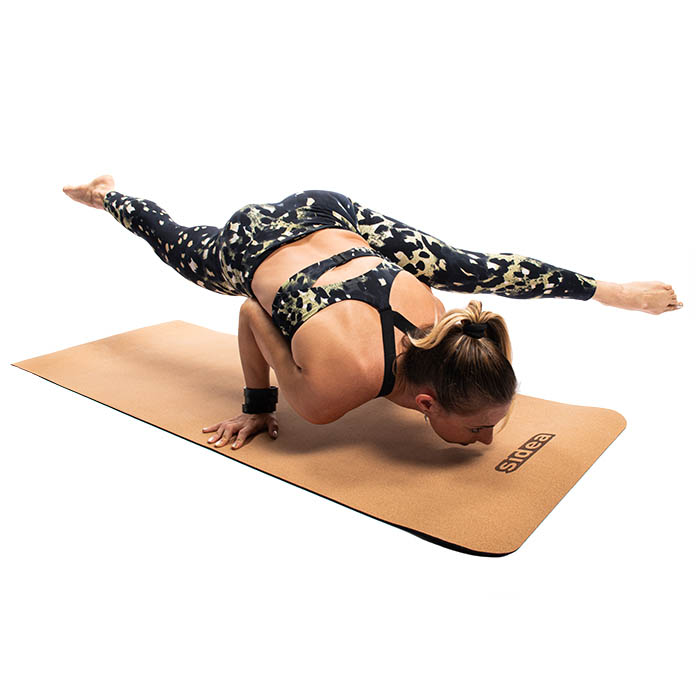
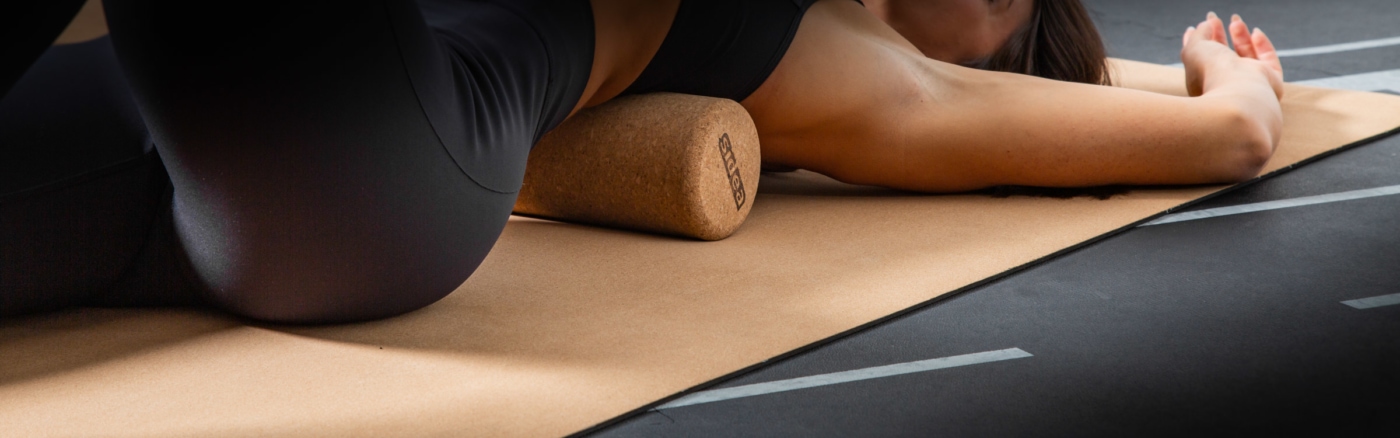
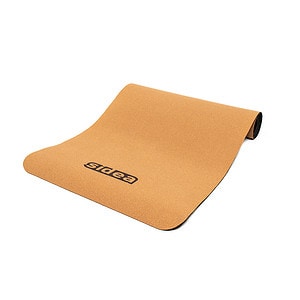
- 3014 Cork Mat (excellent natural grip, also good with perspiration)
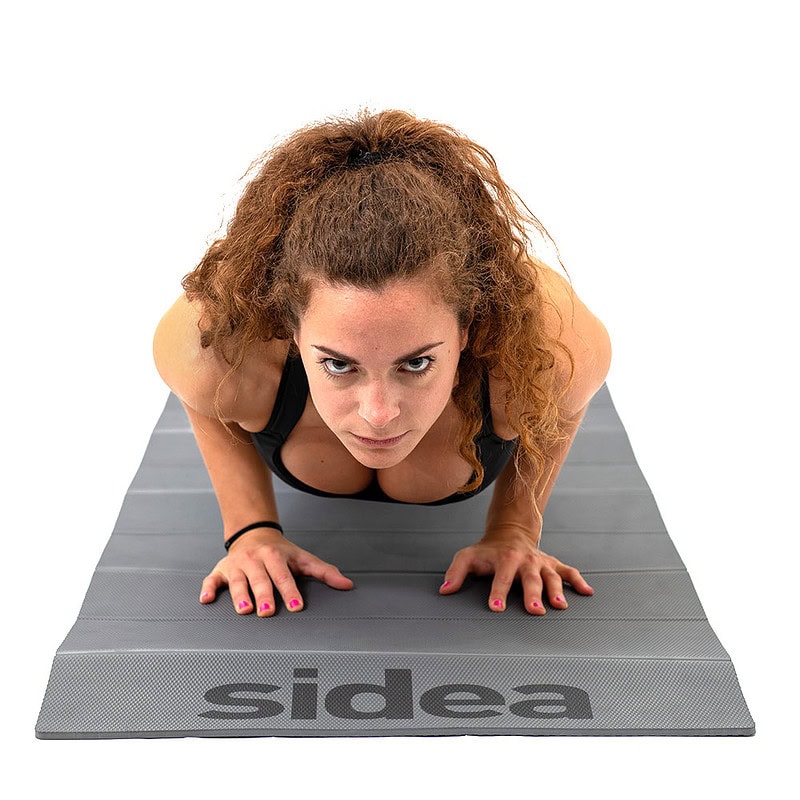
- 3025 Yoga Pilates mat 1×2 m for professional studios
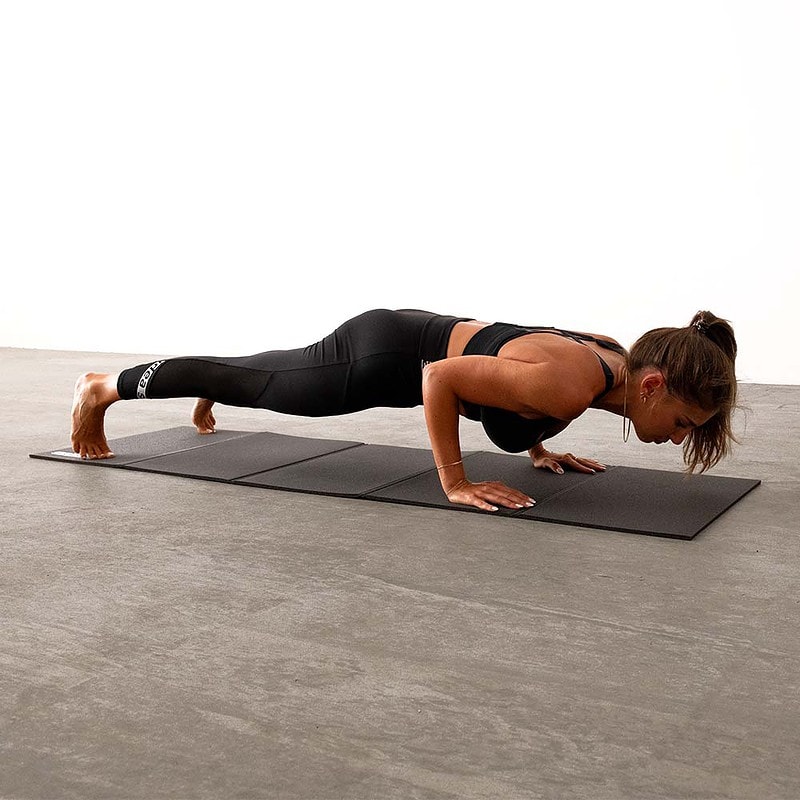
- 0409 Foldable TPE mat for those seeking superior comfort and ease of transport
Cork, in particular, increases grip with perspiration: a valuable feature in dynamic practices.
🔥 Functional Training and Cross Training: Protection and Resistance
In high impact activities such as:
- CrossFit
- Circuit training
- High-intensity core
- Repeated sit-ups
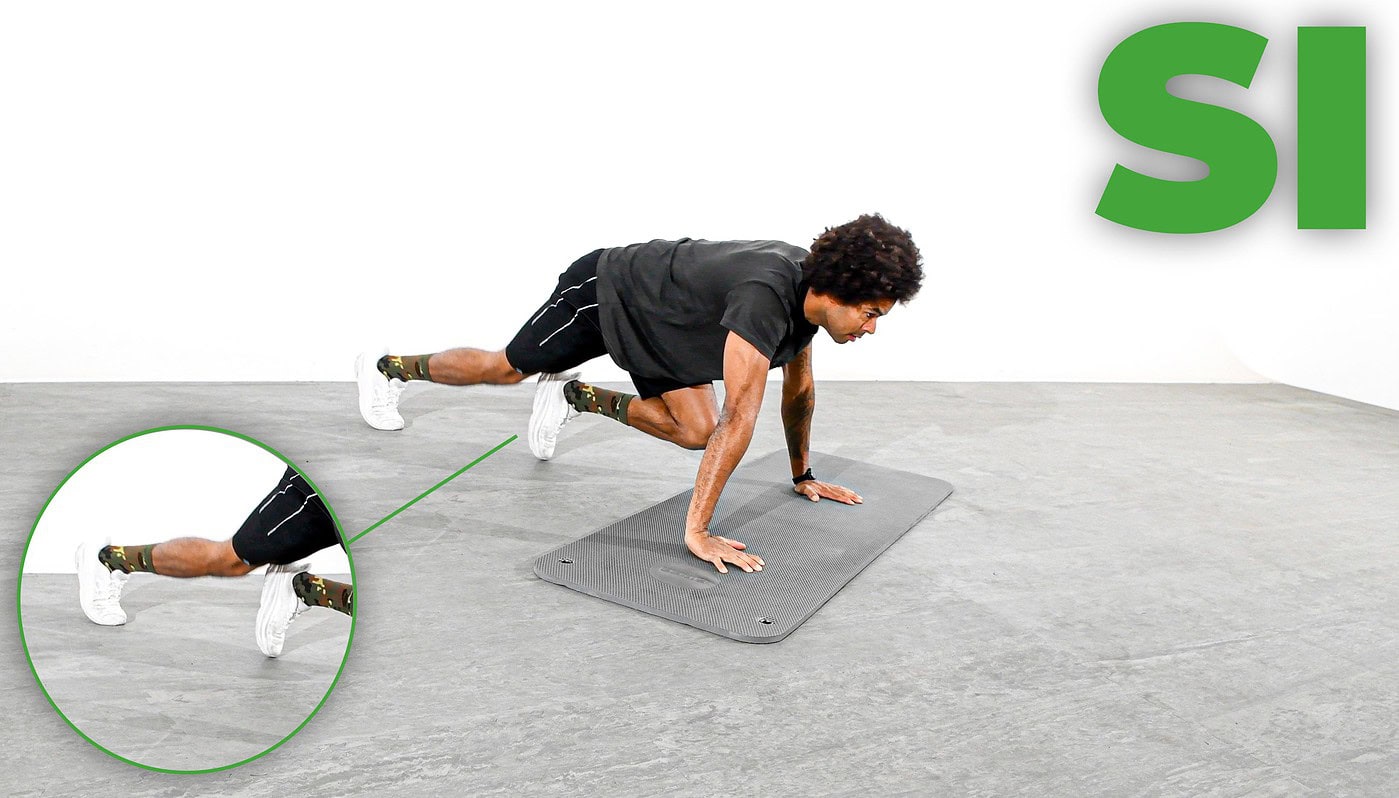
- Mountain climber
- Burpees
the priority becomes:
- lower back protection
- abrasion resistance
- good material density
- ease of cleaning
During exercises such as sit-ups, lumbar friction can cause redness and abrasions.
A compact but protective material is therefore needed.
Ideal solutions:
High-density EVA guarantees:
- adequate comfort
- good durability
- stable structure over time
For even more structured work or intensive use:
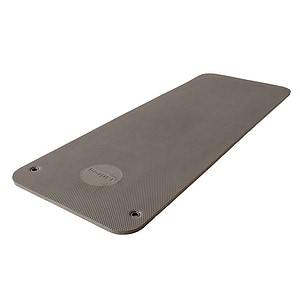
- 0407 PE folding mat, thicker and highly protective.
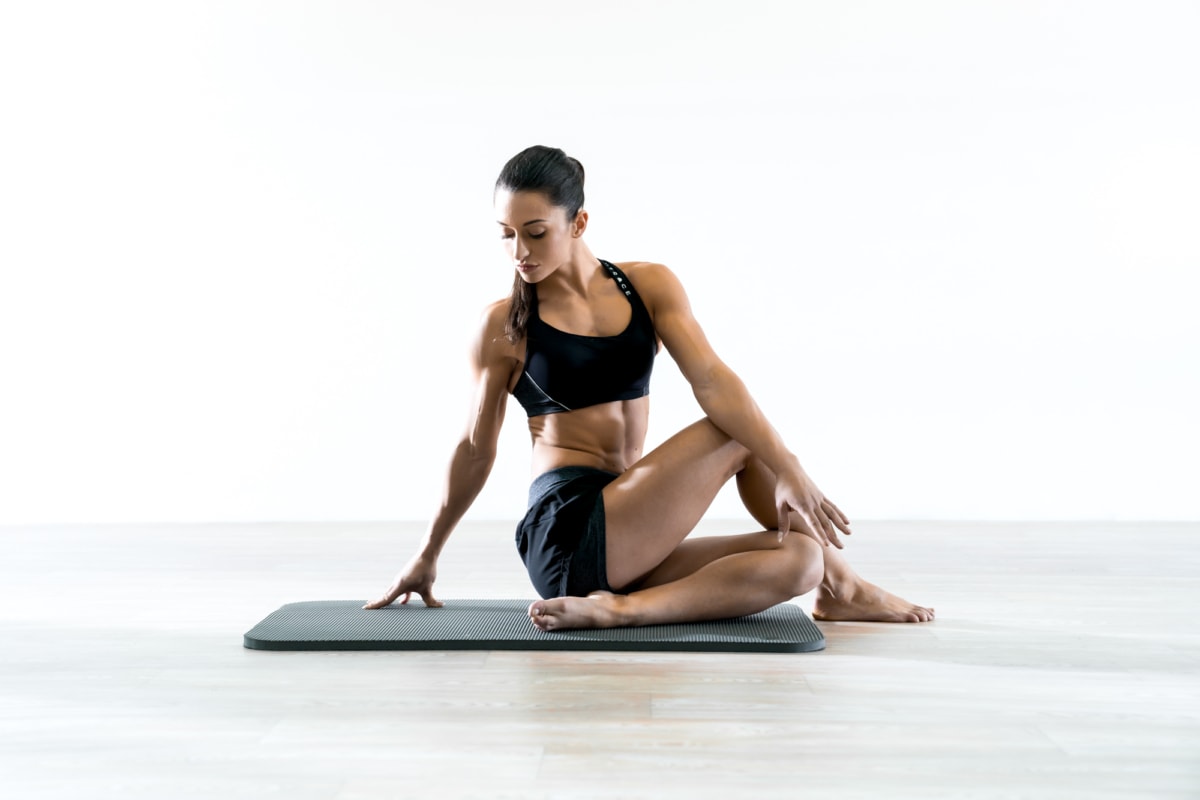
🧎♂️ Gentle gymnastics, stretching, rehabilitation
The priority here is:
- joint comfort
- adequate thickness
- ease of prolonged support
Ideal solution:
Greater thickness means better insulation from the ground and reduced pressure on the hips and column.
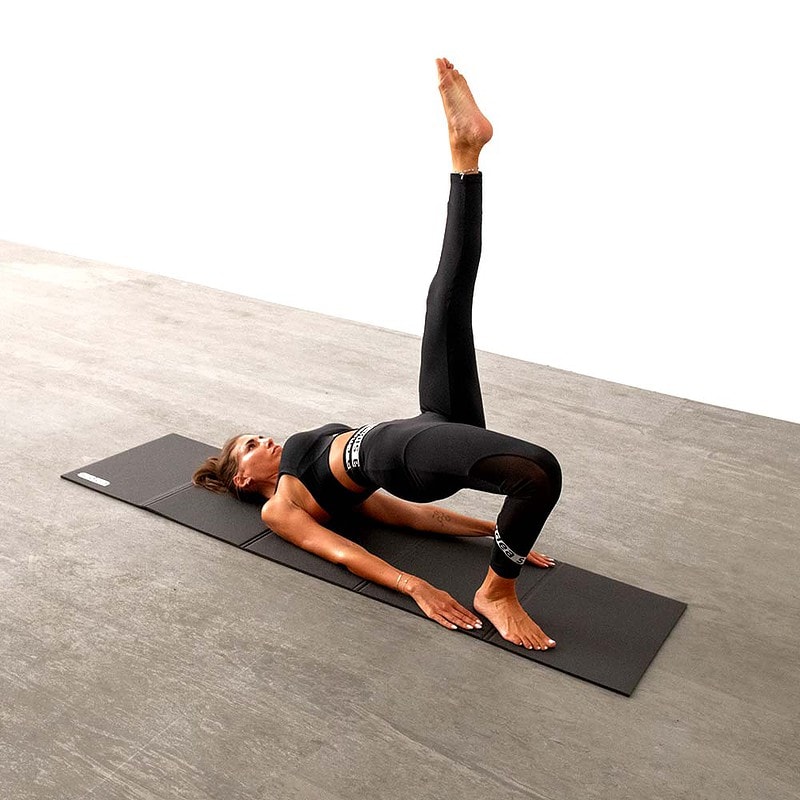
2️⃣ Material: EVA, PE, TPE, Cork
The material determines durability, feel, density and hygiene.
EVA (Ethylene Vinyl Acetate)
✔ Good compromise between comfort and resistance
✔ Lightweight
✔ Ideal for general use and functional training
PE (Polyethylene)
✔ More structured
✔ Excellent protection
✔ Suitable for intensive use
TPE (Thermoplastic Elastomer)
✔ Softer
✔ High comfort
✔ Excellent choice for home fitness
Cork
✔ Natural
✔ Progressive grip with perspiration
✔ Ideal for dynamic yoga
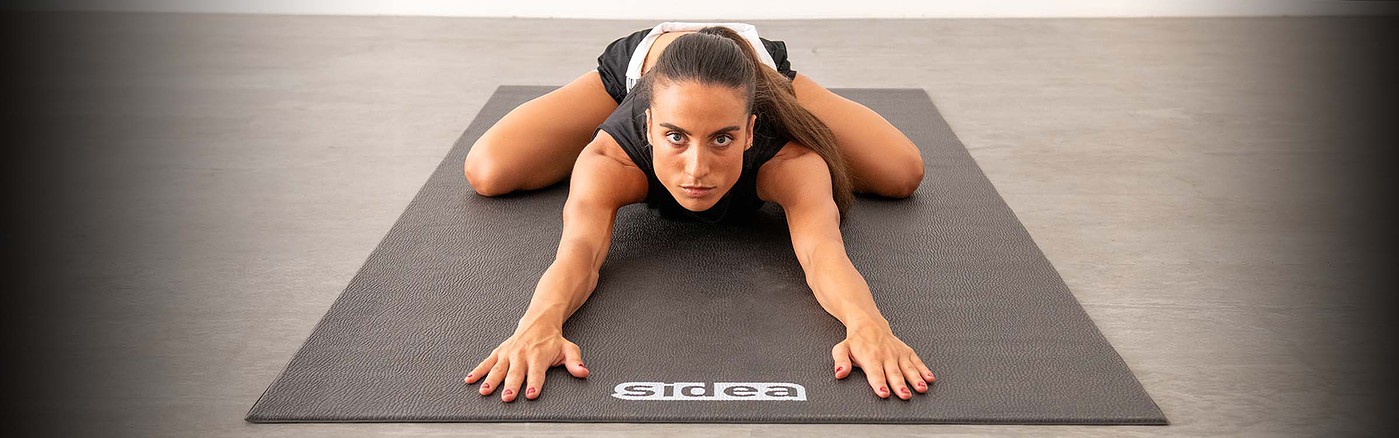
3️⃣ Thickness: balance between comfort and stability
Reduced thickness:
- greater stability
- better control
- ideal for technical yoga
Medium thickness:
- good balance
- suitable for mixed use
High thickness:
- maximum protection
- ideal for core training and rehabilitation
Warning: more thickness does not automatically mean better quality.

4️⃣ Transportability: roll-up or folding?
The choice changes between home fitness and gym.
Roll-up mat
✔ More practical to transport
✔ Slips easily into a bag
✔ Ideal for studio training
Examples:
Folding mat
✔ More compact for storage
✔ More structured
✔ Ideal for gyms and intensive use
Examples:
5️⃣ Storage in the gym: an often ignored factor
In a professional environment, space management is crucial.
Eyelet mats
✔ They can be hung
✔ Take up less space
✔ Facilitate ventilation and hygiene
Con:
- 0397 Wall Mat Rack - Display Mats
This solution allows:
- order
- better layout management
- longer product life
Carpets without eyelets
They require:
- shelving
- trolleys
- more floor space
For studios and gyms with a high flow of users, logistical management is as crucial as the quality of the mat.
6️⃣ Home Fitness vs Gym: what really changes?
At home:
- priority to comfort and portability
- ease of storage
- lightness
In the gym:
- priority to resistance and hygiene
- ease of sanitisation
- organisation of space
- durability
A household mat may not be suitable for 8 hours of daily use in a professional facility.
7️⃣ Common errors in choice
❌ Choose only by price
❌ Confusing thickness with quality
❌ Ignore type of activity
❌ Do not consider space management
❌ Neglecting material density ❌ Misuse

8️⃣ Conclusion: choosing consciously
The mat is a technical surface.
It is an integral part of training.
A correct choice improves:
- quality of movement
- comfort
- security
- durability of equipment
- user experience
In a professional environment, the choice of mat also communicates the quality level of the facility.
Better training means starting from a solid base.
Move smarter Get stronger Live better


Does strength come from the ground? The Military Press and the body’s hidden synergy
Before you can push, you need something to push against. Before force comes support. [...]
29
Sep
Sep
PHA and Jump Sets on the 9089K1 Cable Station: train strength, circulation and muscle density all in one station
PHA and Jump Sets on the 9089K1 Cable Station: build strength, improve microcirculation by increasing [...]
28
Jul
Jul
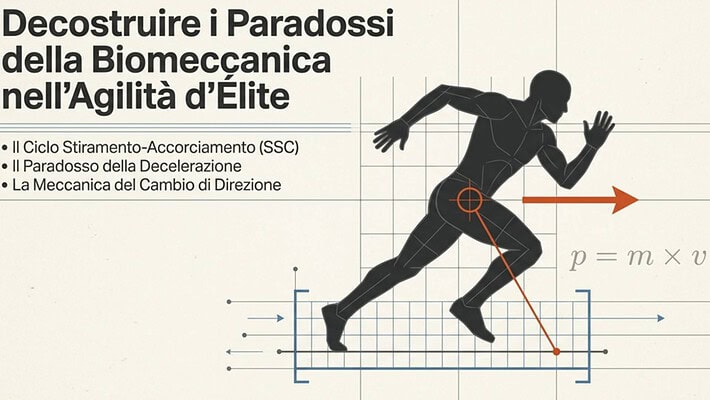
Elite agility: why changing direction isn’t just a matter of strength
Introduction: Agility is not just about being quick on your feet. When we talk about agility, the temptation [...]
30
Jun
Jun
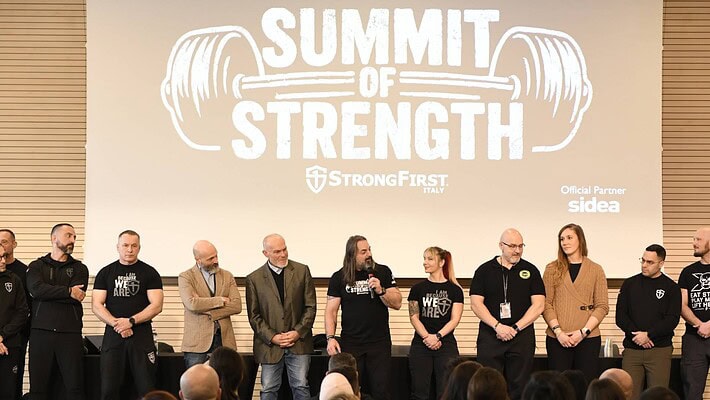
Maximum strength and team sports
When strength becomes performance: Dr Mauro Franzetti’s contribution to the Summit of Strength [...]
26
Jun
Jun
ATHX Games 2026: what it is, how it works and how to prepare for the hybrid competition
The evolution of HYBRID training In recent years, competitive fitness has evolved towards formats that are increasingly [...]
18
Jun
Jun
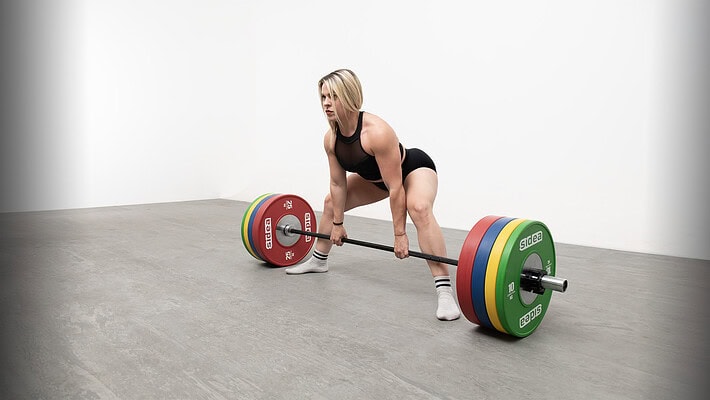
Definitive Guide to Bumper Plate Selection: How Not to Get Your First Set Wrong and Optimise Performance
The truth that no one tells you? Choosing a bumper disc is not just a matter [...]
29
May
May

Structure Governs Function: Dr Luca Franzon at the Summit of Strength in Cesena
A journey into the myofascial system that is revolutionising strength, movement and performance - from 1 [...]
26
May
May

The Ultimate Guide to Choosing SIDEA Handlebars
How and why choosing the right dumbbell for your workout The Dumbbell As An Investment [...]
22
May
May
 Defibrillator AED
 Gift CardSidea
 Spare parts