









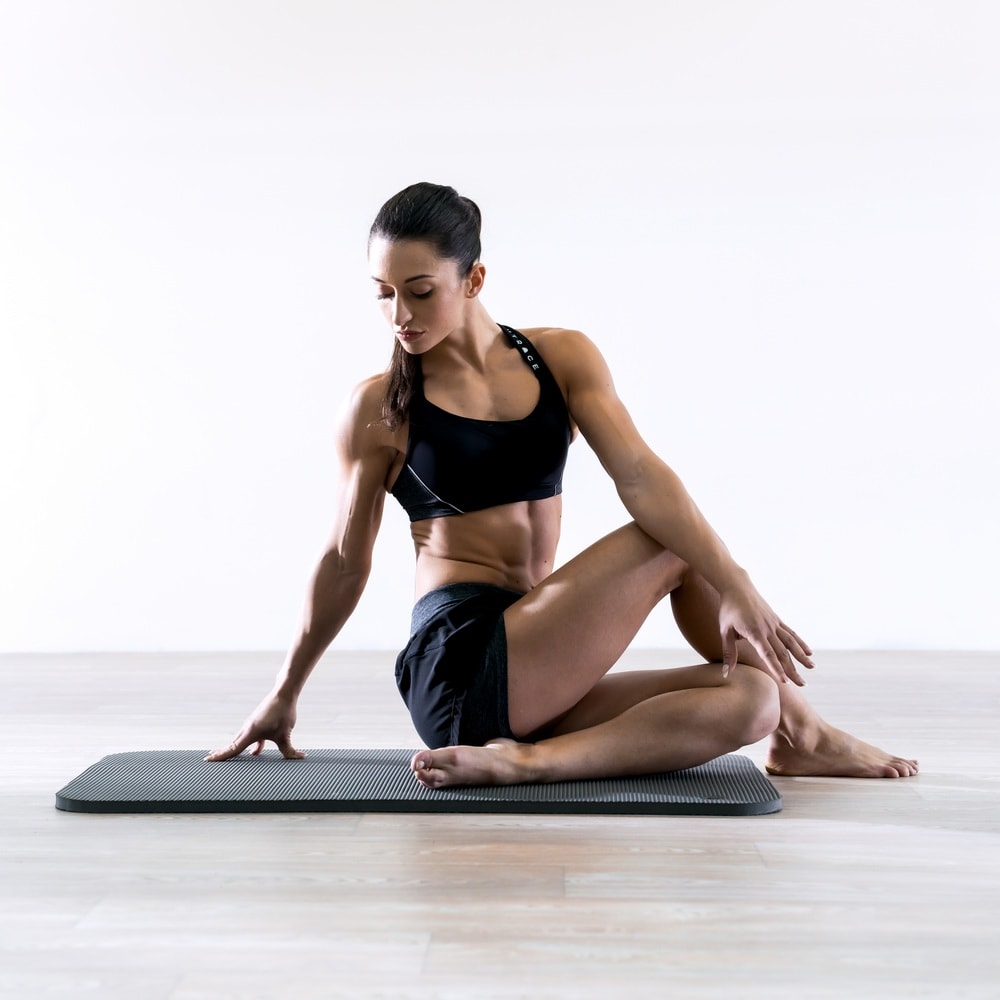
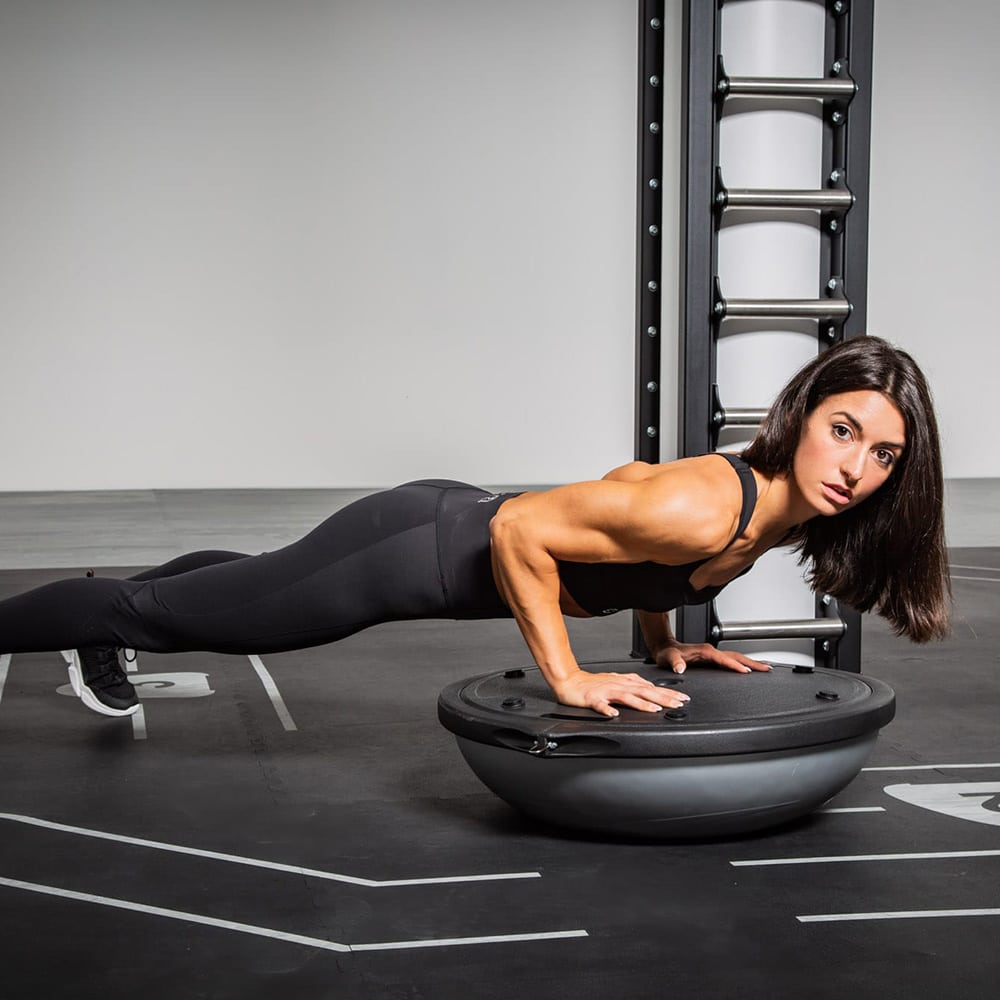
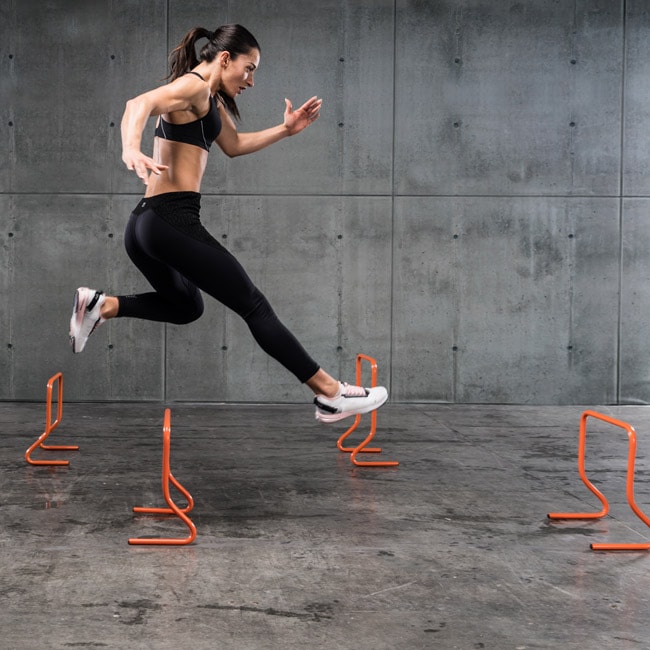
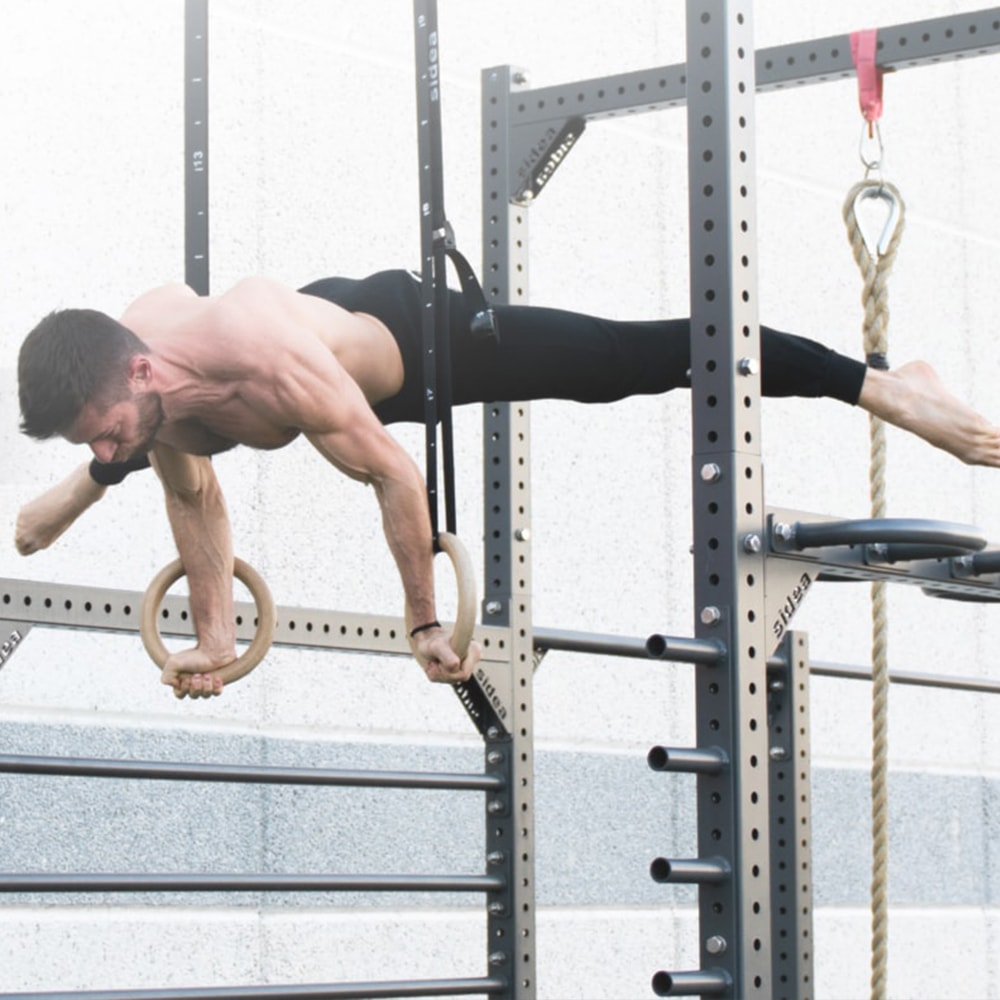



From military physical training to international competitions: let’s discover the Tactical Games, a discipline that combines strength, endurance, athletic ability and mental control. A sport that is also taking Italy by storm and offering new insights for the world of functional training.
It’s not enough just to be strong. You have to know how to be strong when it counts.
Imagine you’ve just finished a gruelling run, with your heart pounding and your breathing coming in short, rapid gasps. Your legs are tired, your arms feel heavy. But the race isn’t over yet.
Ahead of you lies another load to lift, a course to complete and, straight after that, a test of precision that requires concentration, control and a clear head.
It is not enough just to be fast. It is not enough just to have great muscular strength. Nor does good stamina, on its own, guarantee success.
The real challenge lies in being able to use all these skills together, switching quickly from intense physical exertion to an activity that requires concentration and precision.
This is the essence of the Tactical Games, a sport that originated in the United States and has gradually spread to Europe as well.
A competition that puts both body and mind to the test, but which also represents something even more interesting: a concrete example of how the concept of athletic preparation is evolving towards increasingly comprehensive and specific forms of training.
From tactical training to sport: how the Tactical Games came about
To understand Tactical Games, we need to start with the world of physical training for tactical operatives.
Members of the armed forces, law enforcement officers and emergency responders may be required to carry out tasks that are physically very different: running, negotiating obstacles, carrying equipment, lifting loads or working whilst fatigued.
Their preparation cannot, therefore, depend on just one athletic quality.
An excellent runner might find it difficult to carry a heavy load. A very strong athlete, on the other hand, might not be able to sustain prolonged exertion. Similarly, both of these abilities might prove insufficient if not accompanied by coordination, mobility and motor control.
The world of tactical games draws its inspiration from this combination of requirements.
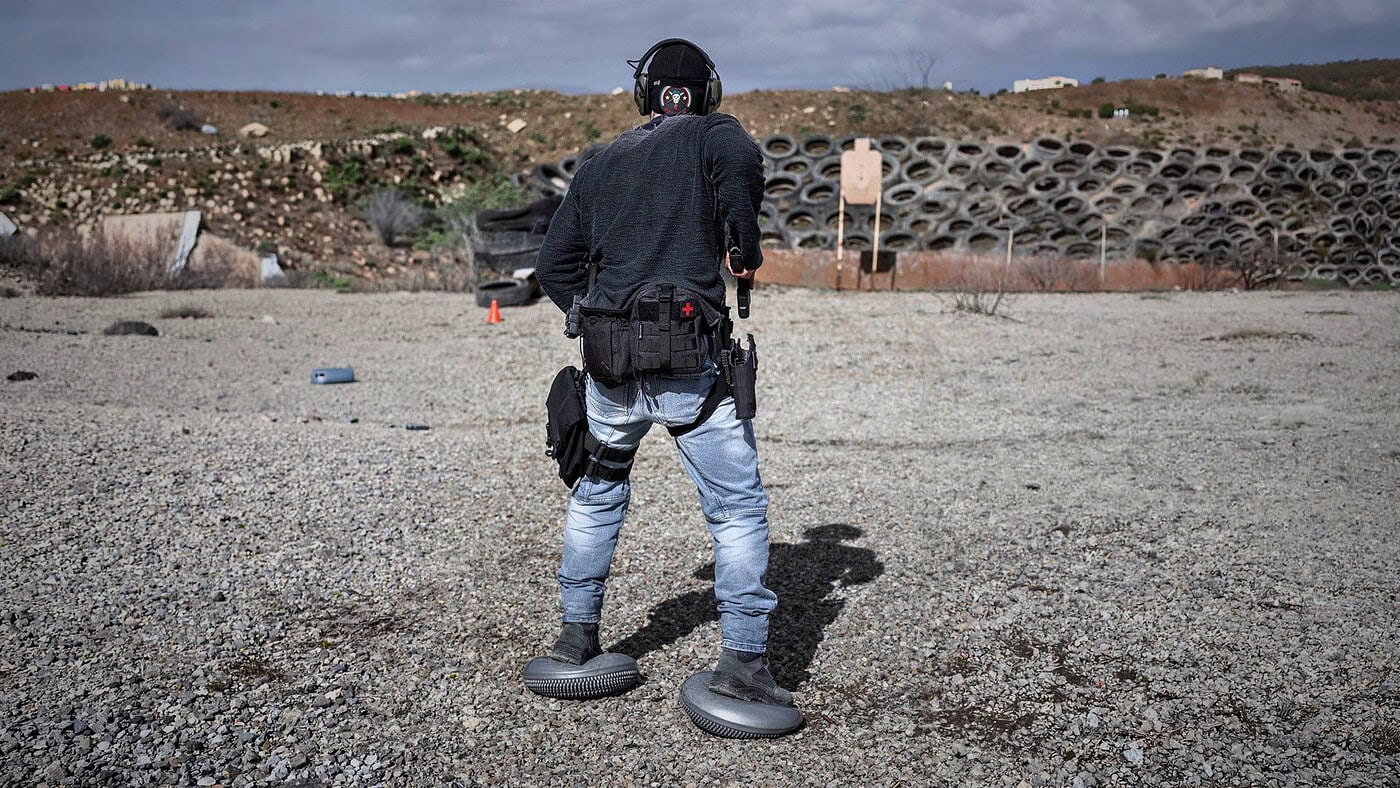
The sport originated in the United States as a competition that brings together two traditionally separate disciplines: functional fitness and sport shooting.
Over time, a community of athletes from a variety of backgrounds has grown up around this format: members of the armed forces, police officers, sport shooting enthusiasts, fitness trainers and ordinary sportspeople looking for a different kind of challenge.
One point that is worth emphasising is precisely this: Tactical Games are not just for the military.
Whilst drawing inspiration from certain aspects of professional tactical training, these are regulated sporting competitions, which are also open to members of the public who meet the requirements set by the organising body and comply with the legislation of the host country.
Today, the circuit comprises events in the United States and Europe, with categories differentiated by experience, age and competitive level.
How competitions work: there is no single winning athletic quality
The Tactical Games format is structured around a series of challenges, known as work placement, which can combine physical exercise, movement and shooting sports.
The organisers are planning a number of different competition formats.
The Qualifiers, which generally take place over two days, comprise around eight rounds and allow athletes to compete against one another within their respective divisions.
Skirmishes, on the other hand, are shorter competitions, usually held over a single day with four stages, and are also designed to make it easier for new participants to get involved.
The events vary depending on the competition, but the principle remains the same: to assess different abilities within a single sporting performance.
From a physical perspective, athletes can undertake exercises such as:
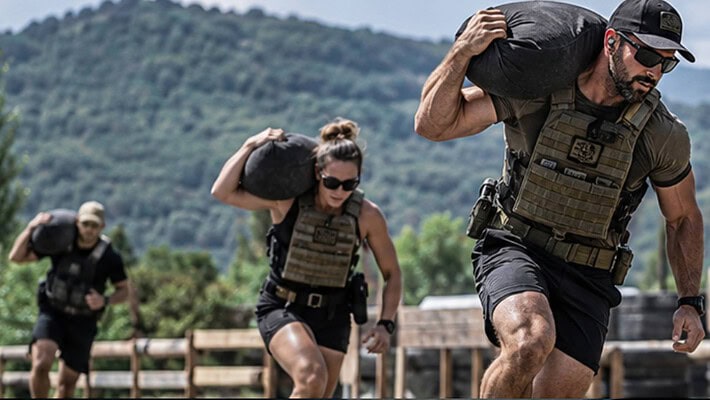
- Transporting kettlebells, sandbags and other loads.
- Repeated lifting and handling of heavy objects.
- Pushing or pulling sledges.
- Running, sprinting and changes of direction.
- Burpees, jumps and obstacle courses.
- Power and endurance tests on ergometers.
The US regulations of 2026 also include a set of standardised physical tests. These include the Max Distance Sled Drag, dedicated to pulling the sledge, the Bag Over Bar, based on lifting sacks over a bar, as well as shuttle runs, burpees and exercises on ergometers.
These tests enable the measurement of specific physical abilities, providing objective parameters that are also useful for assessing progress in training.
But what really sets the Tactical Games apart is the combination of events.
In some situations, in fact, the athlete must alternate between intense physical exertion and a shooting phase, during which accuracy and adherence to safety rules remain essential.
This makes the competition different from a normal strength or endurance event.
It is not necessarily the person who lifts the most, runs the fastest or completes a single exercise in the shortest time who wins. What counts is the overall performance, according to the scoring criteria set out for the event.
Tactical Games and CrossFit: are they similar disciplines?
The comparison with CrossFit is inevitable.
Both disciplines make use of multi-joint exercises, free weights, metabolic activities and functional movements. Furthermore, both require athletic versatility.
The main difference lies in the competitive environment.
In CrossFit, performance is based on completing physical exercises, in ways that can vary radically from one workout to the next.
In Tactical Games, on the other hand, fitness is integrated into a competition that also includes sport shooting and is inspired by the physical demands of tactical activities.
This does not mean that one subject is necessarily more comprehensive or more difficult than another: they simply assess different skills.
Physical fitness: six skills to develop
How do you train for a competition like this?
The answer is not as straightforward as it might seem, because there is no single exercise that can prepare you for every situation.
An effective training programme must develop a range of physical qualities, whilst ensuring they can be balanced without compromising recovery.
Strength: the starting point
Squats, deadlifts, pull-ups, presses and other multi-joint exercises form an important foundation.
Strength enables you to move loads, control your body and tackle physically demanding activities with greater capacity.
However, it is not simply a matter of aiming for the maximum load.
For a tactical athlete, it is just as important to know how to use strength during complex and repetitive movements.
Aerobic endurance: the driving force behind performance
Good aerobic fitness enables you to cope with prolonged exertion and aids recovery between periods of intense activity.
Running, rowing machines, Air Bikes and SkiErgs are useful pieces of equipment for developing this aspect.
It would be a mistake to think that, as this is a competition characterised by intense events, it is enough to train exclusively at high intensity.
An aerobic base remains important even for athletes who need to generate power and strength repeatedly.
Anaerobic capacity: when the intensity increases
Sprints, shuttle runs, interval circuits and short, high-intensity exercises require the ability to sustain high levels of exertion.
This aspect enables you to tackle the most demanding stages of the race, but it must be developed gradually through training.
Intensity alone does not guarantee results. If managed poorly, it can compromise recovery and the quality of subsequent sessions.
Power: exerting force quickly
Lifting a load is not the same as lifting it quickly.
Muscle power, defined as the ability to generate force in relation to the speed of movement, is particularly important in activities such as jumping, pushing and explosive lifts.
Plyometric exercises and strength movements performed with explosive intent can help to develop it, provided the technique is correct.
Freight transport: an often-underestimated capability
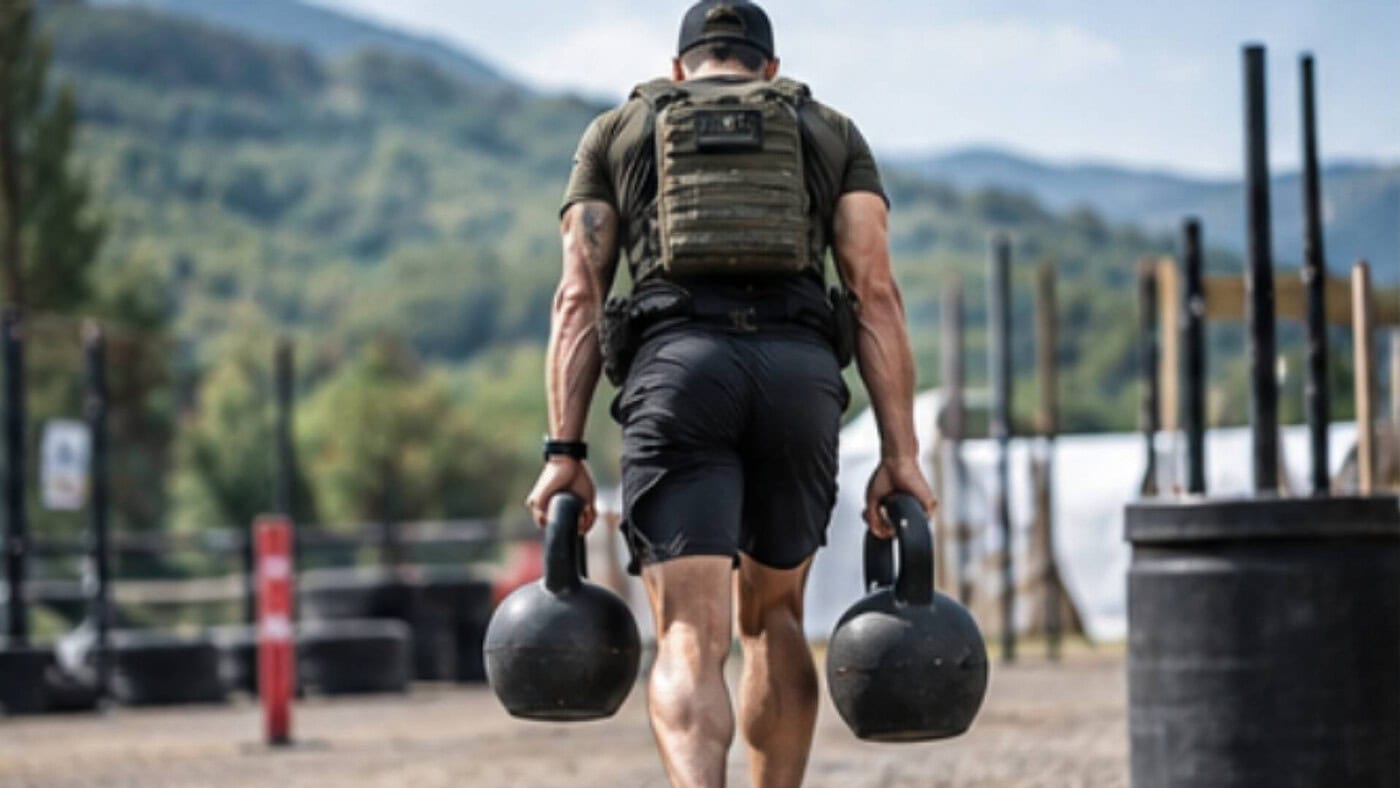
The farmer’s carry It is probably one of the exercises that best illustrates the link between functional training and tactical preparation.
The athlete must walk whilst carrying loads, maintaining stability, posture and control.
To this, you can add sandbag carries, asymmetrical carries and other variations.
These are activities that involve grip strength, core strength, lower-body strength and cardiovascular fitness, but above all they require the coordination of various functions whilst under load.
Mobility, coordination and motor control
The final component is by no means a minor one.
Overcoming obstacles, changing direction, moving from one position to another and maintaining control whilst exerting oneself requires good motor skills.
Mobility must be sufficient to allow for effective movements; stability must enable these movements to be controlled.
For this reason, a comprehensive programme cannot simply consist of racking up repetitions and kilometres.
What can we learn from military physical training?
Perhaps the most interesting aspect of Tactical Games is their link to a branch of athletic training that has received increasing attention in recent years: Tactical Strength and Conditioning.
This term refers to the application of the scientific principles of physical training to professionals who are required to carry out particularly demanding operational tasks.
The National Strength and Conditioning Association, through the TSAC programme (Tactical Strength and Conditioning), researches and promotes methodologies aimed at the military, law enforcement agencies, the fire service and other professional groups.
The fundamental principle is that of specific nature of the training.
In other words, it is not enough simply to become generally stronger or more resilient: one must develop the qualities required for the activities one will actually be carrying out.
For example, anyone who frequently has to carry heavy equipment will benefit from building strength in their lower limbs, core muscles and posterior kinetic chain, as well as from progressive training in carrying loads.
Similarly, those who have to undertake prolonged activities will need adequate aerobic fitness, as well as the strength required to carry out their tasks.
The US Army’s approach: Holistic Health and Fitness
An interesting example comes from the US Army, which has developed the Holistic Health and Fitness system, known as H2F.
The aim is to move beyond a concept of training based solely on periodic fitness tests, by promoting a broader approach to health and performance.
The H2F model covers physical training, recovery, nutrition, sleep and mental aspects.
The message is clear: performance does not depend solely on how intensely you train, but also on how you plan your training and how effectively your body is able to adapt.
It is also an important lesson for those who play sport at an amateur level.
Training hard does not necessarily mean training well.
Training your resistance to fatigue does not mean ignoring it
Another concept is worth considering.
The ability to maintain performance under fatigue is not built simply by pushing yourself to the limit in every training session.
On the contrary, effective training requires a balance between intensity, recovery and increasing the workload.
NSCA publications emphasise the importance of tailoring training programmes to individual needs, whilst also monitoring factors such as sleep quality, recovery status and response to exercise.
The real challenge, therefore, is not to learn to endure any hardship, but to develop the skills needed to cope with it more effectively.
Tactical Games are coming to Italy: the 2026 competition in Terni
On 22 and 23 August 2026, the Tactical Games were also included in the Italian sporting calendar with an international competition organised at the CTS Shooting Ranges in Terni, Umbria.
The event took place near the Marmore Falls and brought athletes to our country to compete in a format that combines physical training and shooting.
The figures give an idea of the scale of the event: 126 competitors registered in the rankings, eight stages and various competitive divisions, including men’s, women’s, Masters and team categories.
A significant achievement for a discipline that is still relatively unknown to the general public in Italy.
In the Men’s Elite category, victory went to Philipp Wamser, ahead of Sebastian Soltys. The final margin was particularly narrow: 636.7312 points to 634.0706.
A concrete example of how the standings can remain open right up until the end of the competition, and of just how much the overall result depends on performance across the various stages.
The presence of international athletes also confirms the transnational nature of the event, which is not limited to a local competition.
The Italian sector now has a new point of reference in sport, capable of bridging the worlds of dynamic shooting and functional fitness training.
The Italian calendar for 2027
The interest in the sport is also reflected in the events announced for next year.
The European calendar includes three Skirmish competitions in Terni, on 20 March, 10 July and 13 November 2027.
In addition to these, there will be two events at La Arcate Range, in the Pisa area: a Sniper Challenge on 10 and 11 April and a Qualifier on 11 and 12 September.
These are scheduled events, the dates and organisational details of which are subject to change.
It is, however, clear that Tactical Games’ presence in Italy is not limited to a single event.
For fans of functional training, this development offers an opportunity to discover a discipline that is still emerging and to take a closer look at new forms of athletic training.
How to start training: building the foundations before focusing on performance
One of the great things about Tactical Games is that they allow you to get to grips with the sport gradually.
There’s no need to start with extreme workouts or use heavy weights straight away.
In fact, for those coming from a different sporting background, the first aim should be to build a balanced physical foundation.
The official European guidelines recommend at least 8–12 weeks of regular training before a first competition, although this is a general guideline and is no substitute for an individual assessment.
An introductory programme could consist of three weekly sessions focusing on the main physical abilities.
The first, which focuses on strength, could include squats, pulling and pushing exercises, deadlifts and load carries.
The second, which focuses on endurance, could alternate between continuous aerobic exercise and intervals of appropriate intensity.
The third session could incorporate functional circuit training: kettlebell carries, sandbag lifts, sledge pushes and short circuits with changes of direction.
As fitness levels improve, it will be possible to make the training more targeted, introducing combined exercises and regular tests.
An example of a functional circuit
To understand the sort of work involved, let’s imagine a circuit consisting of:
- 400-metre race.
- A 40-metre farmer’s carry.
- Eight controlled lifts with sandbags.
- Push the sledge for 20 metres.
- Four 10-metre shuttle runs.
Workloads, distances and recovery periods must be tailored to the athlete’s fitness level.
This circuit is not an official Tactical Games event, but an example of how different physical challenges can be combined into a single training session.
The aim shouldn’t just be to finish it as quickly as possible.
Technical quality, effort management and the ability to maintain controlled movements are also important indicators.
Of course, physical fitness is only one aspect of the sport. Any involvement in sport shooting requires authorised facilities, qualified instructors and compliance with safety regulations and the relevant legislation.
Functional training equipment for tactical preparation
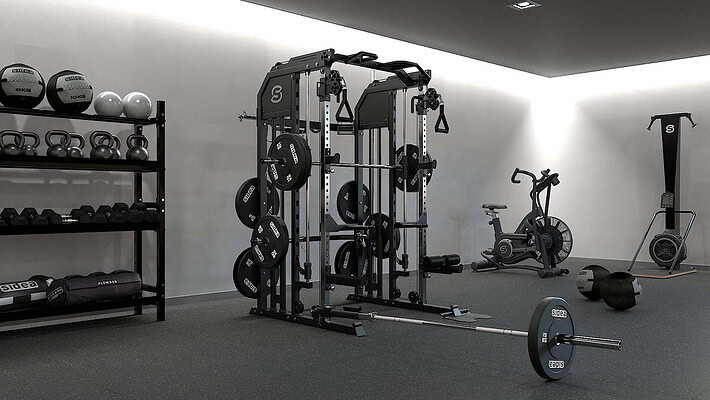
Looking at the exercises used in Tactical Games, an interesting point emerges: much of the physical preparation can be achieved using equipment that is already widely used in the world of functional training.
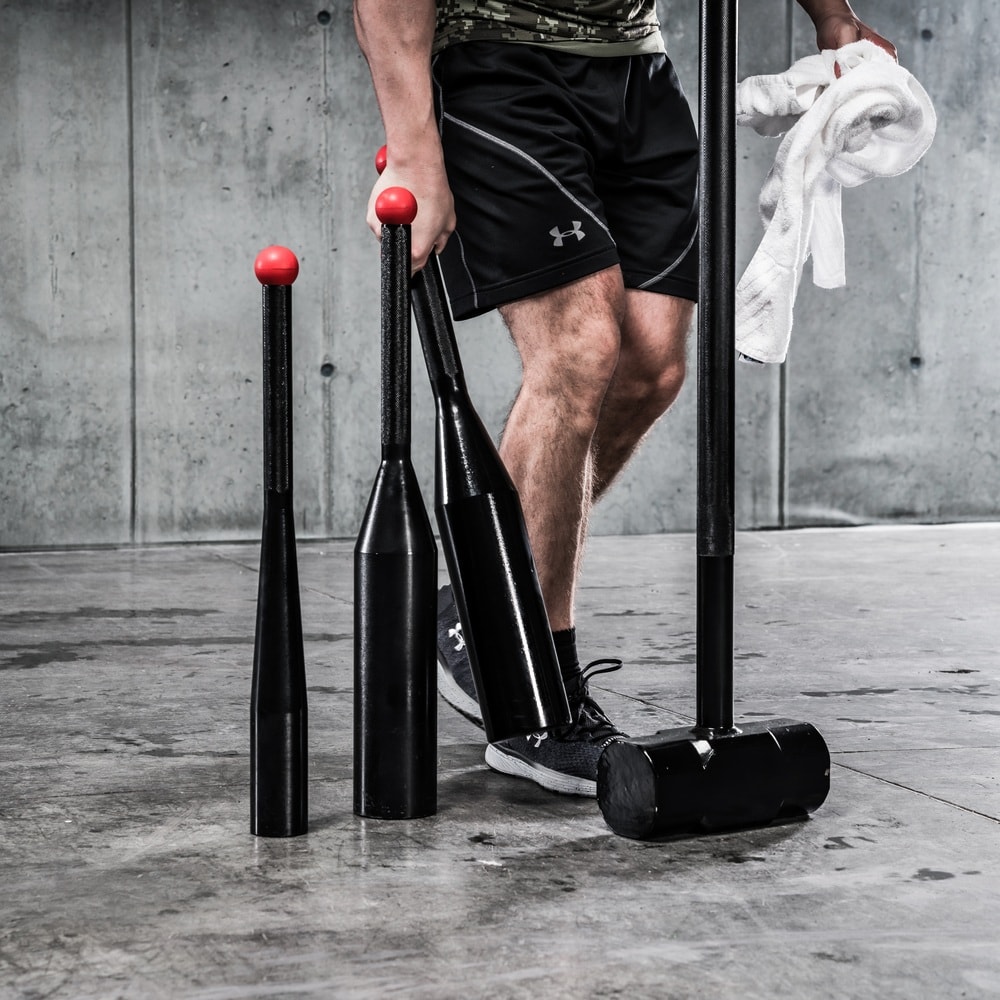
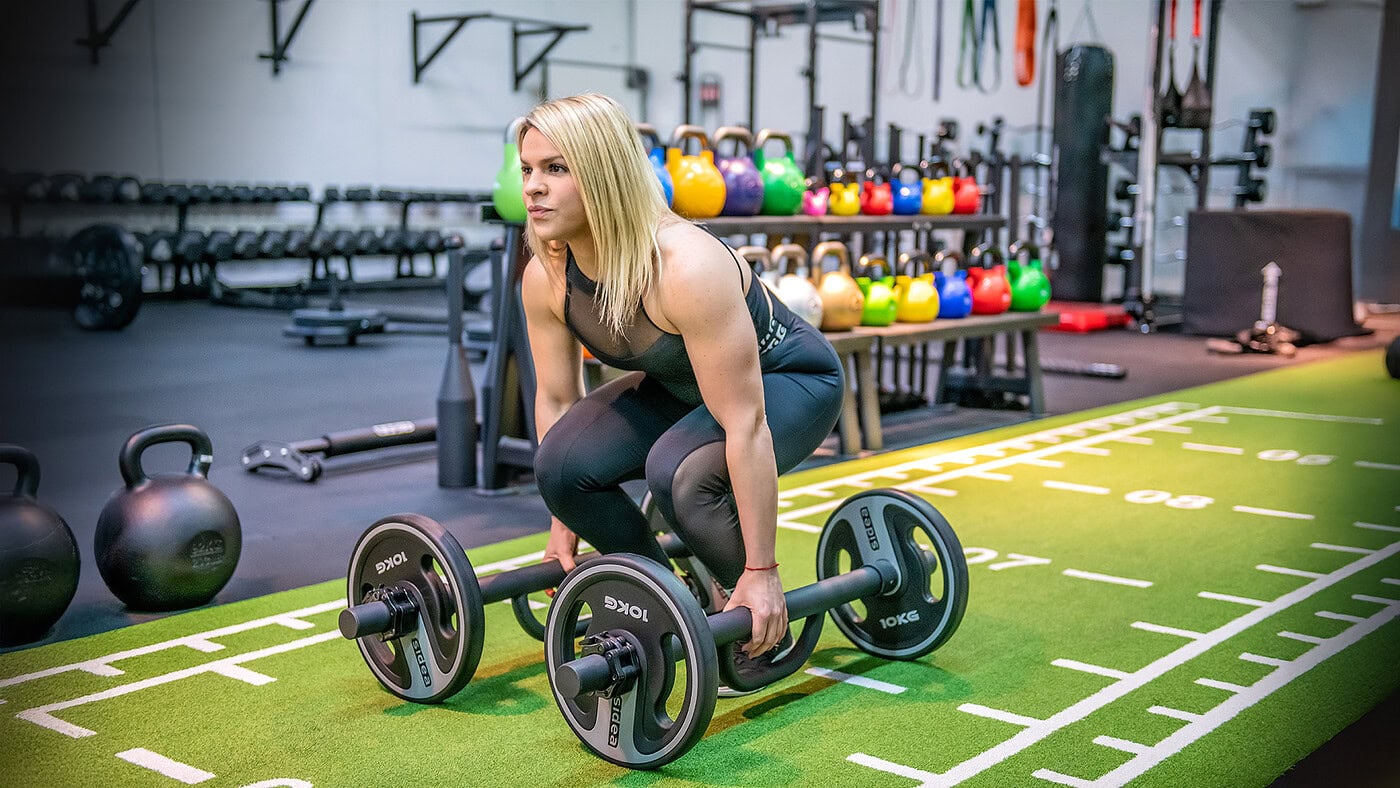
Kettlebells, barbells, sandbags, pull-up bars, sledges and ergometers enable you to train many of the required qualities.
It is not necessarily the equipment that makes a workout more specific, but the way it is used.
A kettlebell, for example, can be used to build strength, muscular endurance, coordination or carrying capacity, depending on the exercise and the training programme.
The same applies to a rack: it is not just a piece of equipment on which to do squats, but a tool that enables you to gradually build up the strength needed to tackle more complex activities.
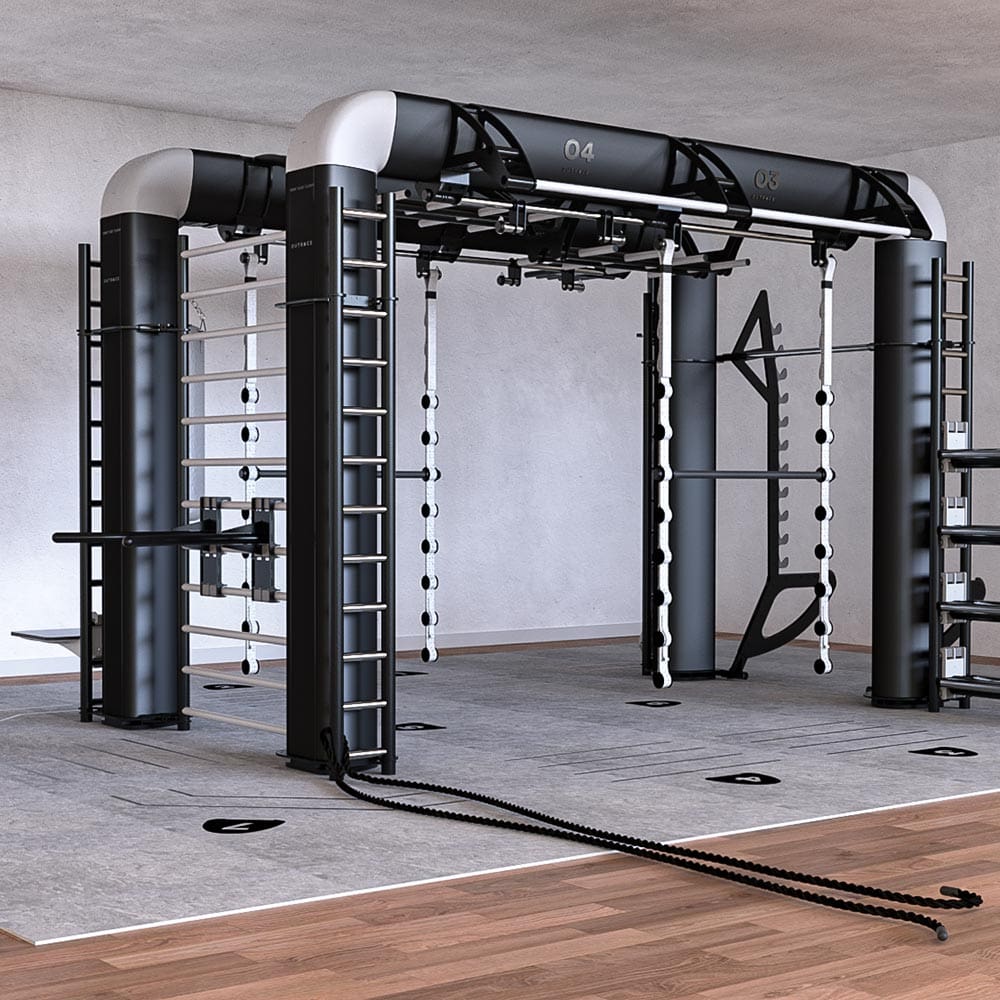
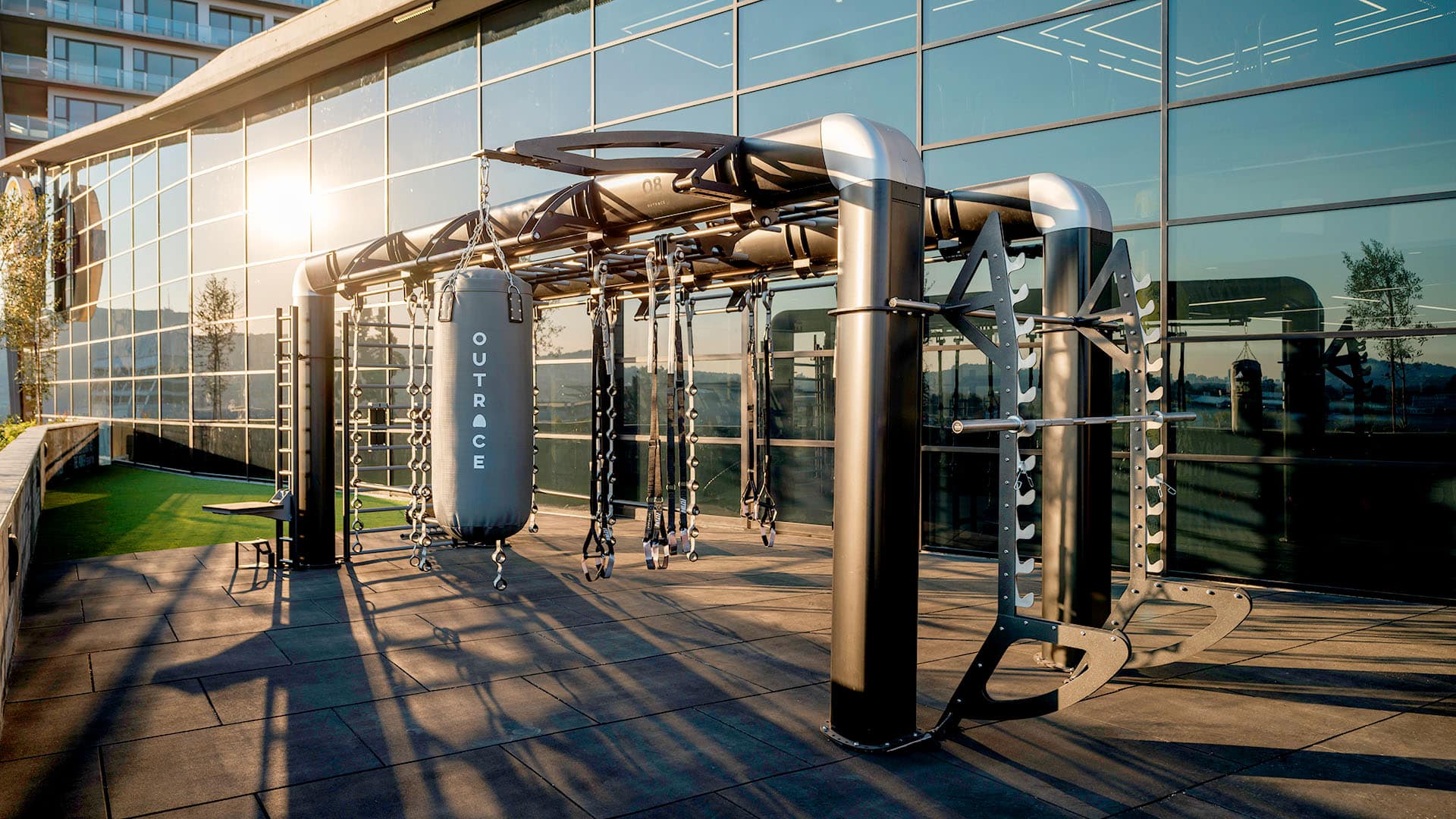
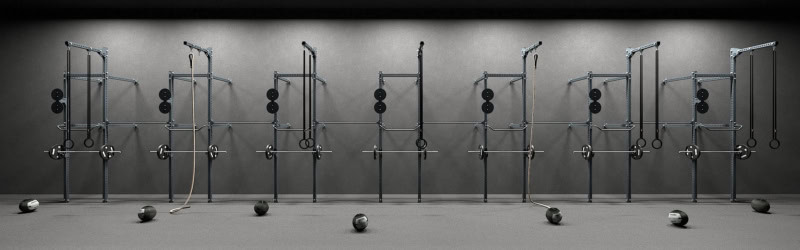
Modular facilities designed for functional training, such as OUTRACE, can, on the other hand, offer the possibility of setting up different stations within the same space, alternating between suspension, pulling and movement exercises.
Exercise bikes also play an important role, enabling users to develop and monitor their cardiovascular fitness through measurable parameters.
For companies such as Sidea, which operate in the field of fitness equipment, the interest in these disciplines is primarily methodological.
Studying the physical demands of the Tactical Games means understanding how different pieces of equipment can be incorporated into programmes designed to develop strength, endurance and coordination.
An approach that can be applied not only to the training of competitive athletes, but also to functional training, general sports training and programmes designed for professionals with specific physical requirements.
Beyond competition: what Tactical Games teach us about training
Beyond the spectacle, the Tactical Games invite us to reflect on one question: what does it really mean to be physically prepared?
For a long time, in everyday language, physical fitness has been associated primarily with physical appearance, the amount of weight lifted or running speed.
These are indicators that can describe certain qualities, but none of them on its own provides a complete picture of a person’s overall athletic ability.
Being prepared also means knowing how to coordinate your movements, handle different loads, recover between repeated efforts and maintain a high level of performance over time.
In this respect, the world of tactical training offers useful insights even to those who will never take part in a competition.
You don’t need to become a Tactical Games athlete to benefit from carrying exercises, strength training, aerobic exercise and mobility training.
What matters is choosing the right incentives and incorporating them into a sustainable programme.
Functional training should not be defined as such simply because it uses specialised equipment or spectacular exercises.
It is functional when it serves a specific purpose and brings about changes that are beneficial to the person practising it.
The new frontier in athletic training?
Tactical Games do not represent a scientific revolution in training.
Strength, endurance, power, mobility and coordination are skills that have been studied and trained for decades.
What makes this sport unique is the way in which these qualities are brought together within a competition, creating a challenge in which no single skill, on its own, is sufficient.
And perhaps that is precisely the most interesting message.
The most well-rounded athlete is not necessarily the one who excels in a single discipline, but the one who is able to effectively demonstrate and combine different qualities, adapting to the demands of the situation.
With the emergence of new European competitions and the arrival of official events in Italy, the Tactical Games are introducing this approach to an ever-wider audience.
For those involved in athletic training, they provide an interesting sporting environment in which to observe the interplay between strength, endurance, motor control and fatigue management.
For those who practise functional training, however, they can above all serve as an incentive to look beyond the individual exercise.
Because true physical fitness isn’t measured solely by how many kilograms we can lift or how quickly we can cover a distance.
It is also measured by our ability to apply what we have practised when our bodies are called upon to face different challenges.
And it is precisely in this interplay between different physical abilities that the appeal of Tactical Games lies.


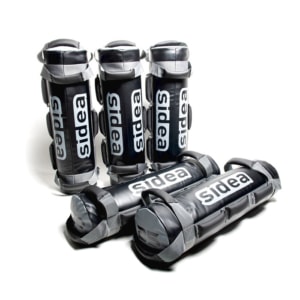
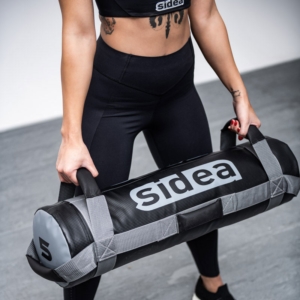
Flowbag & Sandbag
64,05€ 88,45€Fascia di prezzo: da 64,05€ a 88,45€ FEES and TAXES NOT INCLUDED
Questo prodotto ha più varianti. Le opzioni possono essere scelte nella pagina del prodotto
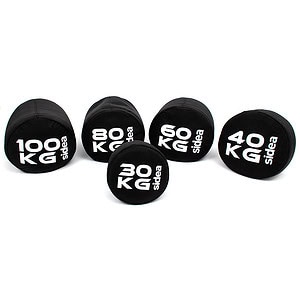

Flowbag & Sandbag
146,40€ 333,98€Fascia di prezzo: da 146,40€ a 333,98€ FEES and TAXES NOT INCLUDED
Questo prodotto ha più varianti. Le opzioni possono essere scelte nella pagina del prodotto
Tactical Games: when strength, endurance and precision come together to form a new sporting challenge
From military physical training to international competitions: let’s find out about the Tactical Games, a discipline that combines [...]
11
Nov
Nov
How to choose the right rack for squats, bench presses and strength training
There is no such thing as the best rack: there is simply the one best suited to your space and your [...]
30
Oct
Oct

HISTORY OF TRAINING: THE SCIENCE OF MOVEMENT
Strength training and its evolution throughout history: from the athletes of ancient Greece to modern [...]
16
Oct
Oct
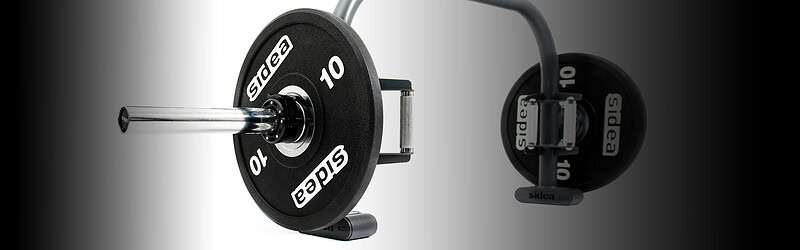
Hex Bar: what it is, which exercises to do and how to choose the right one
Strength, stability and freedom of movement: find out why the Hex Bar is an interesting alternative to [...]
09
Oct
Oct
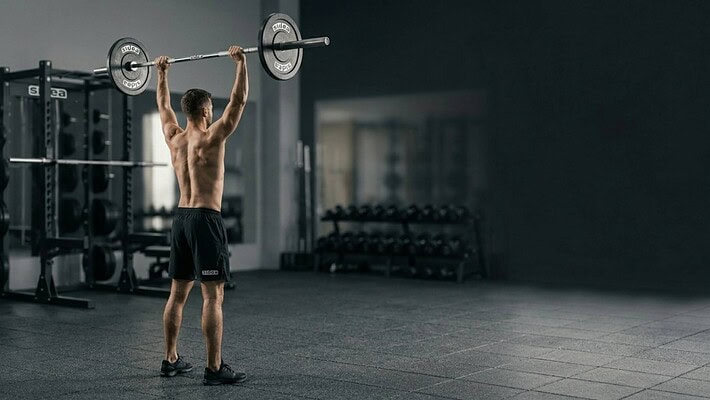
Does strength come from the ground? The Military Press and the body’s hidden synergy
Before you can push, you need something to push against. Before force comes support. [...]
29
Sep
Sep
PHA and Jump Sets on the 9089K1 Cable Station: train strength, circulation and muscle density all in one station
PHA and Jump Sets on the 9089K1 Cable Station: build strength, improve microcirculation by increasing [...]
28
Jul
Jul
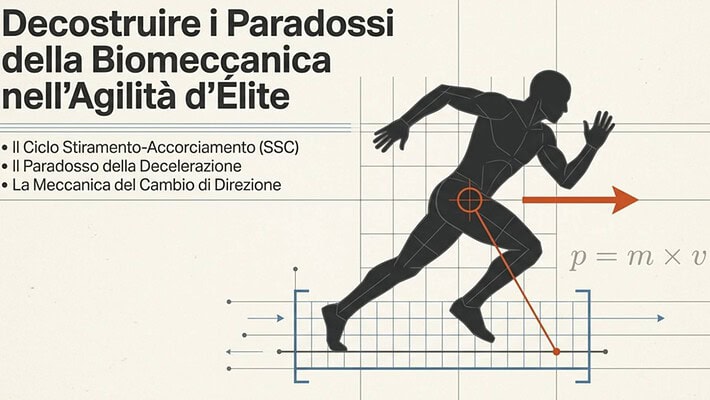
Elite agility: why changing direction isn’t just a matter of strength
Introduction: Agility is not just about being quick on your feet. When we talk about agility, the temptation [...]
30
Jun
Jun
Maximum strength and team sports
When strength becomes performance: Dr Mauro Franzetti’s contribution to the Summit of Strength [...]
26
Jun
Jun
 Defibrillator AED
 Gift CardSidea
 Spare parts