
















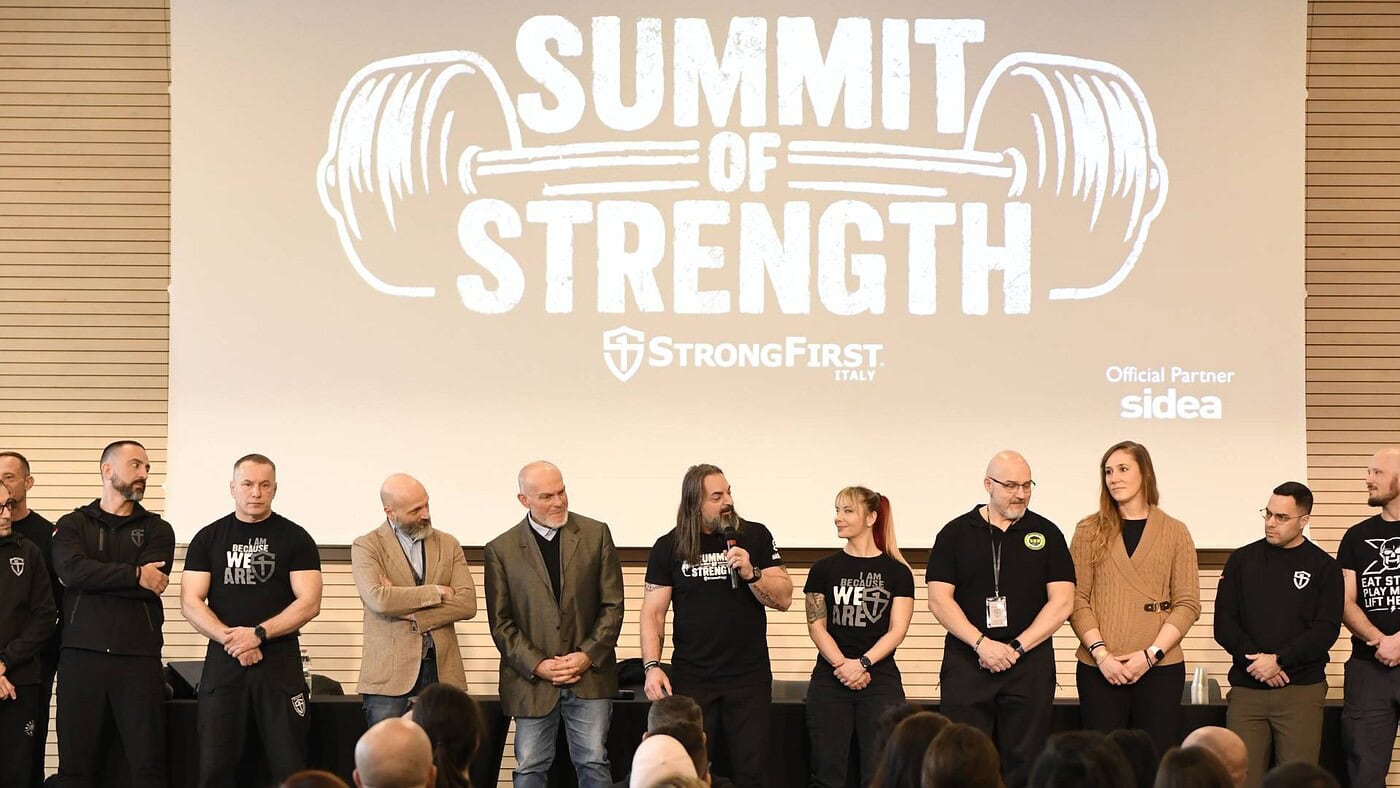
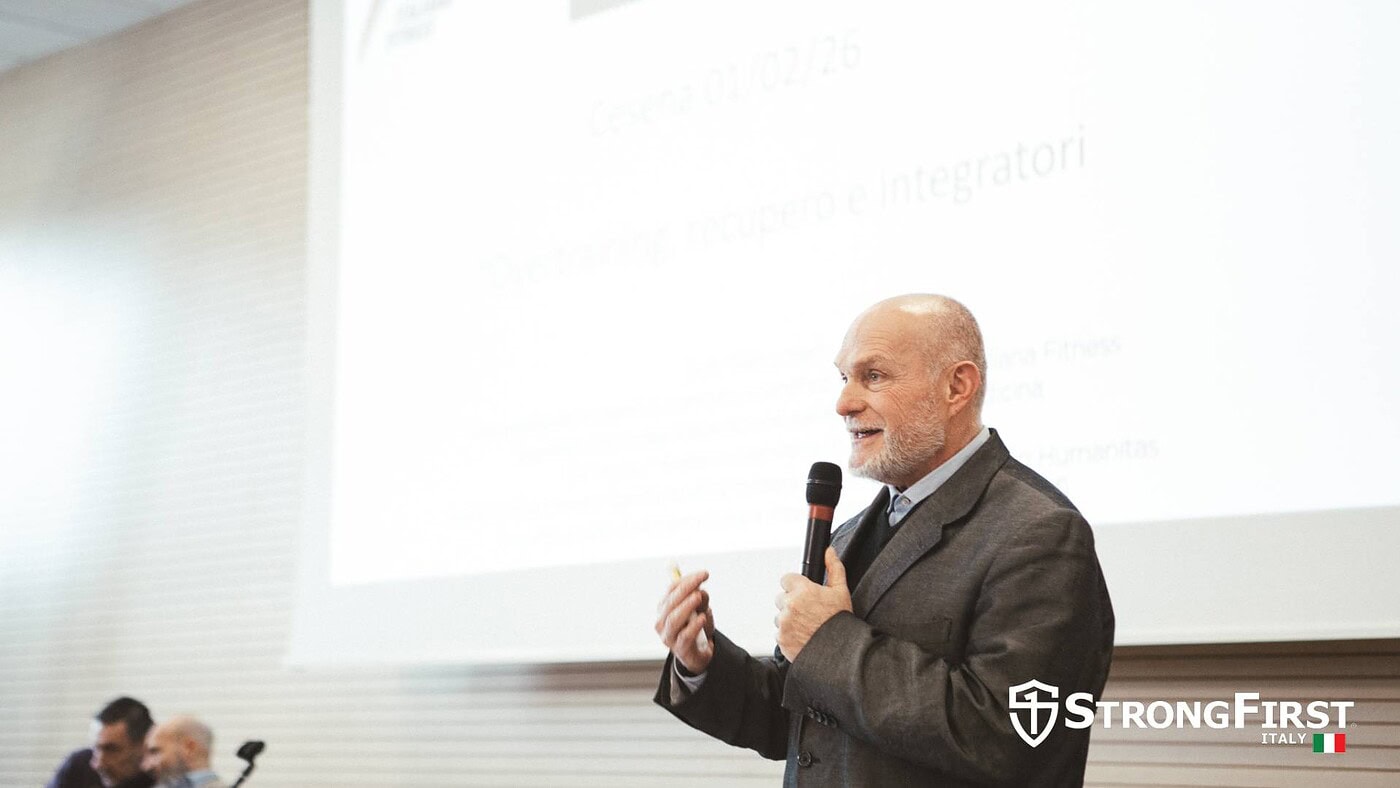
On 1 February 2026, the city of Cesena hosted one of the most interesting Italian initiatives dedicated to the science of physical preparation: the Summit of Strength, a Strong First event sponsored by SIDEA that brought together movement professionals, athletic trainers, researchers and fitness operators.
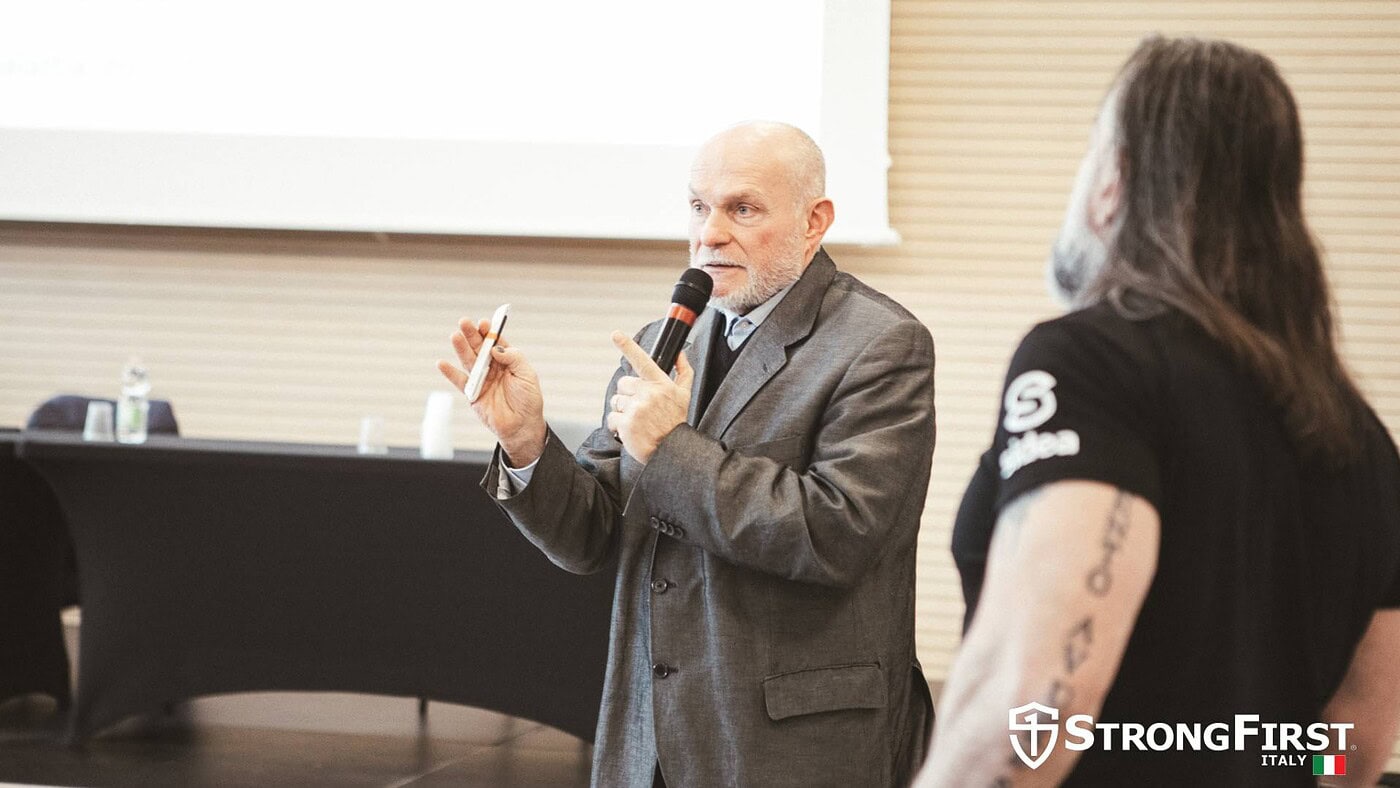
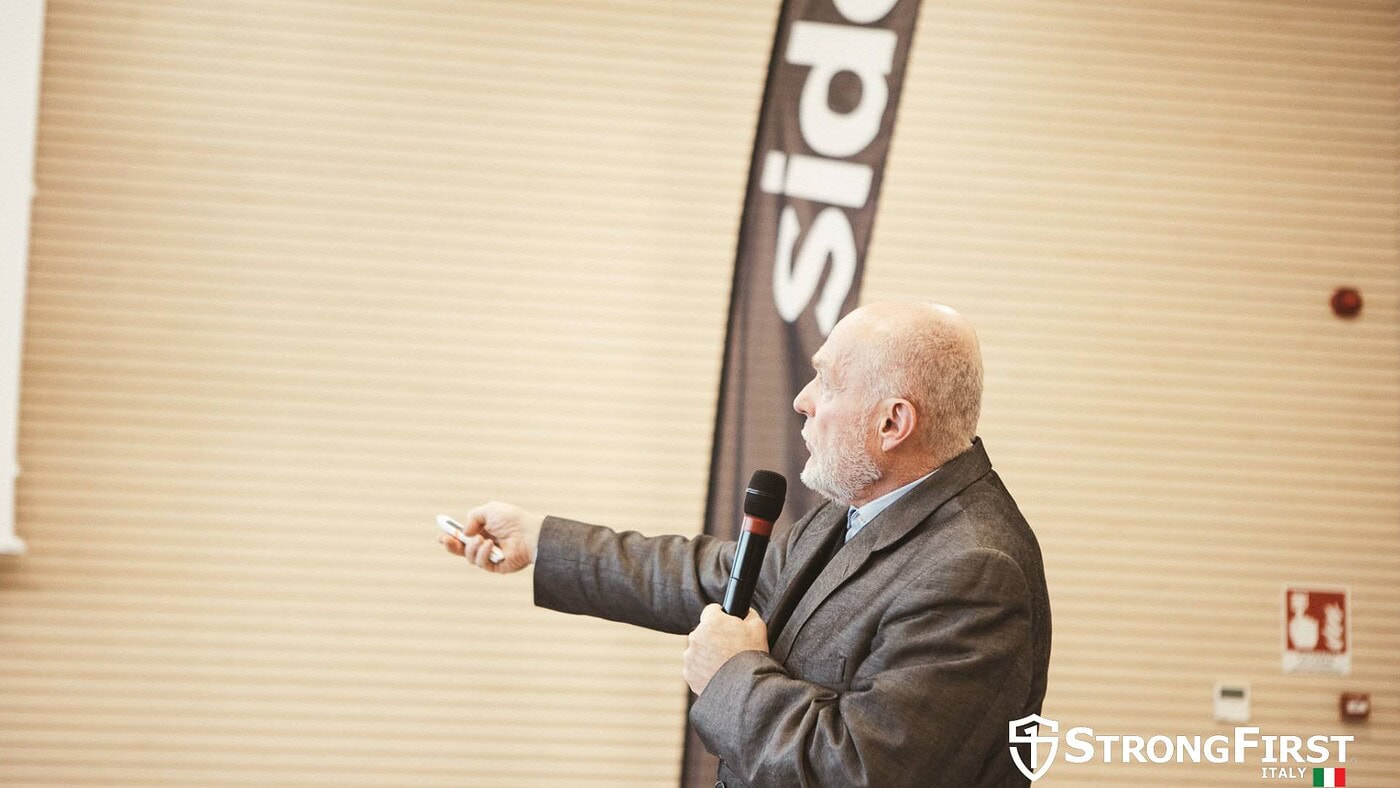
Among the most significant moments of the day was the lecture by Dr. Marco Neri, vice-president and member of the scientific committee of the Italian Fitness Federation, as well as lecturer and researcher in the field of nutraceutics and exercise physiology. His lecture, entitled “Overtraining, recovery and supplements”, tackled with a rigorously scientific approach one of the most complex and often misunderstood topics in modern training: the relationship between workload, recovery and physiological adaptation.
The event saw SIDEA at the forefront of organising, promoting and sponsoring the initiative, helping to create a space for comparison between scientific research and practical application in the world of physical training.
When training becomes too much: the physiology of overtraining
One of the central points of the conference was the scientific definition of overtraining (Overtraining Syndrome).
Overtraining is defined as an accumulation of stress resulting from training and external factors - diet, sleep, psychological stress - that leads to a reduction in performance accompanied by specific physiological and psychological symptoms.
Dr. Neri clarified the fundamental distinction between two often confused conditions:
- Overreaching: a temporary condition of fatigue that requires days or weeks of recovery.
- Overtraining: more complex pathological state that may require months of recovery.
The most reliable signal for detecting this condition remains, according to the scientific literature, the decline in sports performance, often accompanied by physiological, immunological and psychological signals.
Among the most frequent symptoms are:
- chronic fatigue and slowed recovery
- loss of co-ordination and effectiveness of movement
- insomnia and appetite disorders
- emotional instability and reduced motivation
- greater susceptibility to infection.
These phenomena are not limited to competitive sport: research shows how the accumulation of physical and mental stress activates the hypothalamic-pituitary-adrenal axis, increasing cortisol levels and altering cognitive, immune and metabolic functions.
The hormonal system under stress
A particularly interesting part of the report dealt with the endocrine effects of overtraining.
Chronic overload leads to an alteration of the hormone balance, with a progressive predominance of catabolic hormones over anabolic ones. In particular:
- persistent increase in cortisol
- reduction of free testosterone
- alterations of the hypothalamic axis.
This imbalance leads to a metabolic environment that is less favourable for muscle growth and recovery.
Dr Neri also emphasised the role of certain physiological mediators produced by the muscle itself, including:
- Irisin, involved in metabolic regulation and bone health
- MGF (Mechano Growth Factor), isoform of IGF-1 that stimulates muscle regeneration.
Excessive mechanical stimulation can reduce the production of these molecules, limiting the muscle's plastic adaptation processes.
Immune system, microbiota and metabolic stress
Another aspect that emerged from the conference concerned the impact of overtraining on the immune system.
Numerous studies indicate that chronic stress conditions can lead to:
- reduction of immunoglobulins
- increased inflammatory markers
- increased risk of respiratory infections.
Particularly interesting was the reference to the so-called gut-muscle axis.
According to recent research, excessive stress and a sub-optimal diet can alter the gut microbiota, with consequences on:
- muscle protein synthesis
- mitochondrial function
- immune regulation.
This confirms how training today must be considered within a complex biological system, where nutrition, recovery and workload interact continuously.
Sleep: the true laboratory of adaptation
One of the strongest messages of the conference concerned the importance of sleep in physiological recovery.
During sleep, key performance processes take place:
- release of growth hormone (GH)
- restoring energy reserves
- consolidation of motor memory
- reduction of psychological stress.
Insufficient sleep quality is associated not only with poorer sports performance, but also with an increased risk of metabolic and cardiovascular diseases.
Even simple strategies, such as the 20-40 minute power nap, can help to improve alertness, memory and responsiveness throughout the day.
HRV: the new recovery status indicator
One of the most technical passages of the presentation concerned the use of heart rate variability (HRV) as a tool for monitoring the physiological state of athletes.
HRV measures the variability of intervals between heartbeats and reflects the balance between the sympathetic and parasympathetic nervous systems.
High values generally indicate:
- greater ability to adapt to stress
- better autonomic recovery.
A persistent drop in HRV may, on the other hand, be an early sign of overtraining, especially if it is associated with:
- increased resting heart rate
- worsening of sleep
- decline in performance.
Daily monitoring, integrated with subjective and biological parameters, thus allows the training load to be scientifically customised.
The role of nutritional supplementation
In the final part of the conference, the topic of supplements as a support to recovery was addressed, again in the context of an approach based on adequate nutrition and rest.
Among the strategies mentioned:
Muscle support
- whey protein
- essential amino acids
Joint support
- collagen
- vitamin C
- MSM
- hyaluronic acid
Stress management
- phosphatidylserine
- adaptogens such as ashwagandha and rhodiola
Sleep quality
- magnesium
- football
- melatonin or GABA in specific cases.
Particular attention was also paid to the possible role of probiotics in modulating the gut-muscle axis, contributing to the management of systemic stress.
A bridge between science and practice
The Summit of Strength in Cesena demonstrated how the world of physical training is evolving towards an increasingly scientific and multidisciplinary approach.
Dr Marco Neri's lecture highlighted a key concept:
Performance depends not only on how much you train, but on how much you can recover.
Training, recovery, nutrition and physiological monitoring are the pillars of modern training today.
In this context, SIDEA's role in organising and supporting the event helped strengthen the dialogue between scientific research, technology and practical application in the world of fitness and athletic training.
A dialogue that, as this summit has shown, represents one of the most promising avenues for the future of training science.


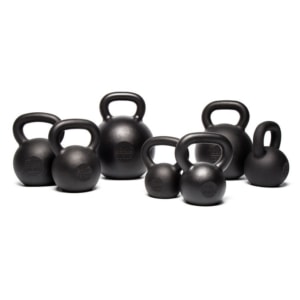

Kettlebell Strong Competition & vinyl
30,50€ 358,38€Fascia di prezzo: da 30,50€ a 358,38€ FEES and TAXES NOT INCLUDED
Questo prodotto ha più varianti. Le opzioni possono essere scelte nella pagina del prodotto


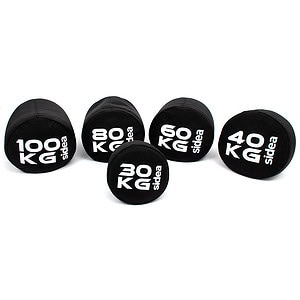

Flowbag & Sandbag
146,40€ 333,98€Fascia di prezzo: da 146,40€ a 333,98€ FEES and TAXES NOT INCLUDED
Questo prodotto ha più varianti. Le opzioni possono essere scelte nella pagina del prodotto
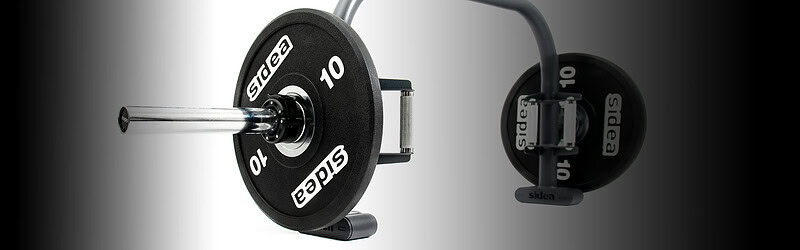
Hex Bar: what it is, which exercises to do and how to choose the right one
Strength, stability and freedom of movement: find out why the Hex Bar is an interesting alternative to [...]
09
Oct
Oct

Does strength come from the ground? The Military Press and the body’s hidden synergy
Before you can push, you need something to push against. Before force comes support. [...]
29
Sep
Sep
PHA and Jump Sets on the 9089K1 Cable Station: train strength, circulation and muscle density all in one station
PHA and Jump Sets on the 9089K1 Cable Station: build strength, improve microcirculation by increasing [...]
28
Jul
Jul
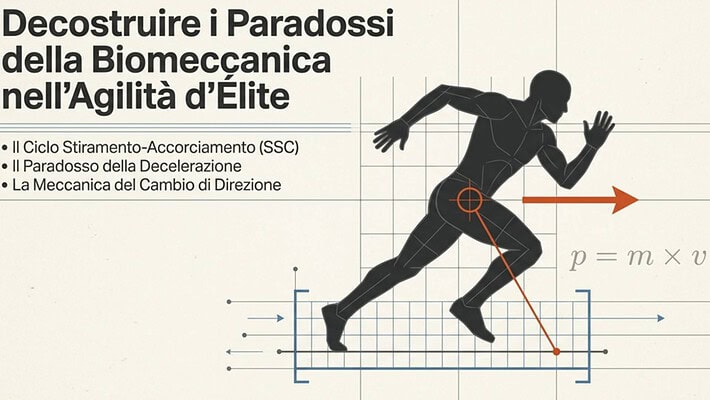
Elite agility: why changing direction isn’t just a matter of strength
Introduction: Agility is not just about being quick on your feet. When we talk about agility, the temptation [...]
30
Jun
Jun
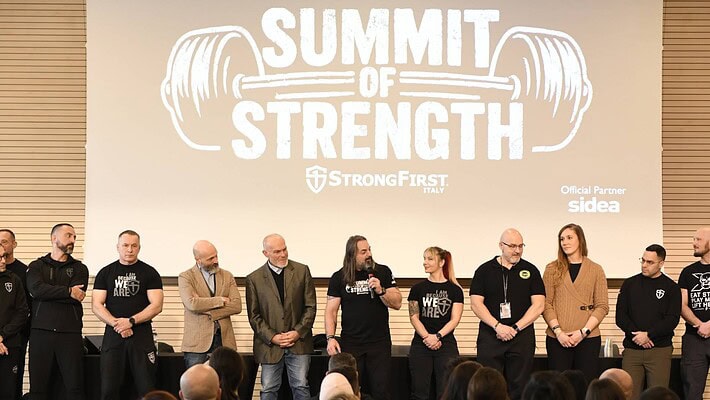
Maximum strength and team sports
When strength becomes performance: Dr Mauro Franzetti’s contribution to the Summit of Strength [...]
26
Jun
Jun
ATHX Games 2026: what it is, how it works and how to prepare for the hybrid competition
The evolution of HYBRID training In recent years, competitive fitness has evolved towards formats that are increasingly [...]
18
Jun
Jun
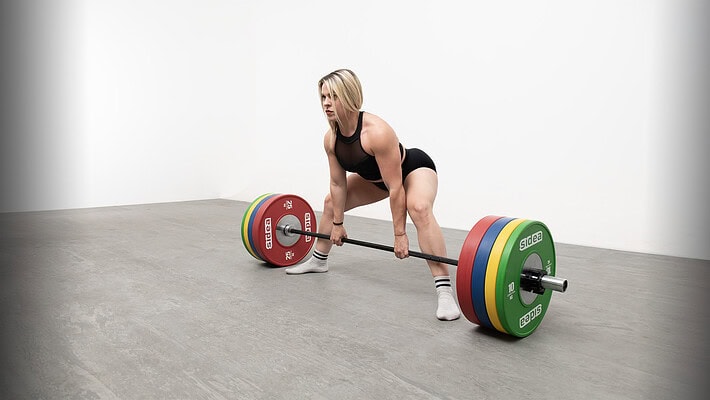
Definitive Guide to Bumper Plate Selection: How Not to Get Your First Set Wrong and Optimise Performance
The truth that no one tells you? Choosing a bumper disc is not just a matter [...]
29
May
May
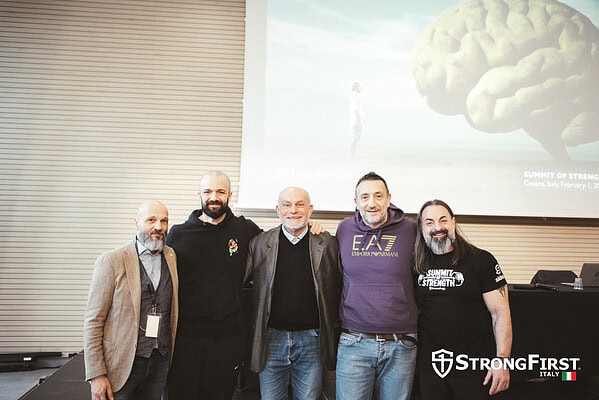
Structure Governs Function: Dr Luca Franzon at the Summit of Strength in Cesena
A journey into the myofascial system that is revolutionising strength, movement and performance - from 1 [...]
26
May
May
 Defibrillator AED
 Gift CardSidea
 Spare parts