EVA and Polyethylene Foam Rollers: A Comprehensive Guide
Sidea foam rollers are tools for self-myofascial release (SMR), joint warm-ups and post-workout recovery. The range includes five models made from different materials: expanded polyethylene for those new to self-massage, EVA for intensive and professional use, natural cork for those seeking biocompatible materials, as well as massage rollers with a textured surface and half rollers for proprioceptive work. They are used in physiotherapy practices, Pilates studios, wellness areas in fitness centres, home gyms and by athletes who incorporate mobility work into their weekly routine. The choice of material directly affects durability, pressure intensity and perceived comfort.
What is a foam roller: definition and function
A foam roller is a cylinder made of polymer foam used to apply controlled pressure to soft tissues by utilising body weight. The mechanical action works on the connective tissue and muscle chains with the aim of reducing trigger points, improving tissue flexibility and restoring the physiological range of motion. In rehabilitation, it is used following a physiotherapist’s prescription; in training, it forms part of the warm-up phase (with rapid, high-intensity movements) or the cool-down phase (with sustained pressure and slow breathing). In Pilates matwork, the roller serves as a destabilisation tool for exercises focusing on control, core strength and spinal alignment. The difference between an entry-level roller and a professional one lies in the density of the foam and its ability to retain its shape over time under repeated loads.
Types of Foam Rollers
Expanded polyethylene foam roller
Polyethylene is the most common type of foam in the entry-level segment. It has a soft density and exerts gentler pressure, making it suitable for those new to self-massage or for people with a low pain threshold. With prolonged use, it may develop permanent deformations in areas of greater contact. It is a sensible choice for home gyms with occasional use or for group activities where gentle pressure is appropriate for the target group (gentle Pilates, postural exercises).
EVA foam roller
Ethylene vinyl acetate has a higher density, a more consistent elastic modulus and does not deform under intensive use. It delivers more intense pressure, making it suitable for myofascial release on fit athletes or in dense muscle groups such as the glutes, quadriceps and iliotibial band. It is the standard choice for physiotherapy practices, commercial Pilates studios and fitness centres where the same roller is used by dozens of clients each week.
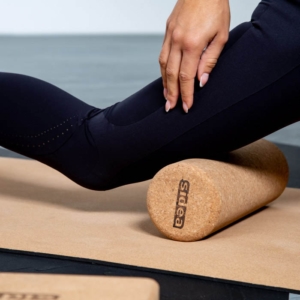
Cork roller
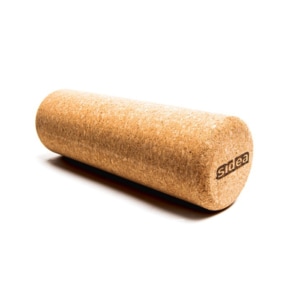
Natural cork offers a slightly stiffer surface and a better grip, even on damp skin. It is a biocompatible and naturally antibacterial material, highly regarded by practices that prioritise the use of sustainable materials. It is heavier than polymer foams.
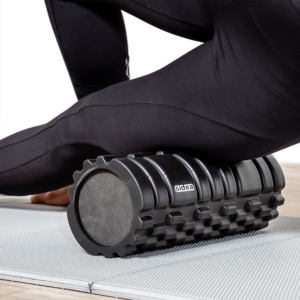
Massage rollers and half rollers
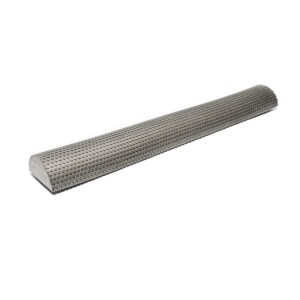
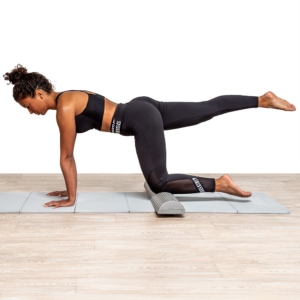
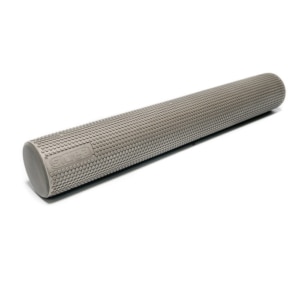
The massage roller has a contoured surface with raised ridges that concentrate pressure on specific areas, replicating the technique of using the thumb or elbow in deep tissue massage. The half roller (half-cylinder) is used for proprioceptive exercises, postural alignment whilst lying on one’s back, and static balance progression exercises before moving on to balance board the most unstable.
How to choose: a guide to use cases
Physiotherapy and Osteopathy Practices
Prioritise durability and consistent pressure: EVA and cork are the sensible choices. In a clinic, it is advisable to have at least two different densities to tailor the intensity to the patient. The massage roller is useful for targeted work on small areas.
Pilates studios and wellness centres
In matwork, the roller is a structural piece of equipment: you’ll need a supply of EVA rollers to use with Pilates mats and to fitness balls. Half rollers expand the range of exercises for postural training and proprioceptive awareness.
Home gyms and garage gyms
If used daily, EVA is worth the cost in the long run. For occasional use, polyethylene does the job just fine. A standard roller plus a massage roller cover 90% of your home SMR needs.
CrossFit box and athletic training
After a WOD, the EVA roller is preferable due to the more intense pressure required by trained athletes. It should be placed in the mobility area alongside lacrosse balls, elastics and stretching tools.
Technical glossary
- SMR (Self-Myofascial Release)
- A self-massage technique in which pressure is applied to the soft tissues using tools (rollers, balls) to reduce myofascial tension. The guidelines recommend slow strokes lasting 30–60 seconds per area, with pauses at the most sensitive points.
- EVA (Ethylene Vinyl Acetate)
- A thermoplastic copolymer used for professional rollers. It has high density, shape memory, resistance to repeated compression and a consistent elastic modulus over time. Compared to polyethylene, it offers a longer service life under intensive use.
- Expanded polyethylene
- A lightweight, cost-effective closed-cell polymer foam. It has a lower density than EVA and exerts gentler pressure, making it suitable for beginners. It may compress locally in areas subject to prolonged repeated loading.
- Myofascial band
- Connective tissue that surrounds muscles, bones and organs, transmitting mechanical stress. Its localised stiffness is linked to joint restrictions and a feeling of muscle stiffness – conditions that foam roller exercises are designed to address.
- Trigger point
- A knot of hypercontraction within a muscle fascia, which can be felt and is often tender to the touch. The roller allows you to apply static pressure to the area for 20–40 seconds, helping to release the tension.
- Half roller
- Half-cylinder (half-roller) with a flat base. It is used for static balance exercises, spinal alignment whilst lying on one’s back, and stability progression exercises in Pilates and postural training.
- Textured massage roller
- A roller with a contoured surface featuring geometric raised patterns. The raised patterns concentrate pressure on small areas, replicating the touch of a massage therapist to provide a deeper and more targeted myofascial release.
Comparison of Sidea Foam Roller Models
| Model | SKU | Material | Recommended use |
|---|
| Cork Roller | 2499 | Natural cork | Wellness centres, users keen on biocompatible materials |
| Massage Roller | 2500 | EVA with a textured surface | Deep myofascial work on specific areas |
| Polyethylene Foam Roller | 2504 | Expanded polyethylene | Home gym, occasional use, beginners |
| EVA Foam Roller | 2503/1 | High-density EVA | Physiotherapy practices, Pilates studios, commercial fitness centres |
| Half Foam Roller Eva | 2501 | EVA (half-cylinder) | Proprioceptive exercises, Pilates matwork, postural alignment |
Frequently Asked Questions about EVA and Polyethylene Foam Rollers
Answers to the most frequently asked questions about materials, density, usage guidelines and maintenance are set out in the dedicated FAQ section further down the page.
Why choose Sidea
Sidea has been operating since 1999 in the distribution of professional fitness equipment, with a logistics centre covering over 4,000 m² in Gambettola (FC) and a direct technical support service. The range of foam rollers is designed to cater for the full spectrum of users: from the enthusiast setting up a mobility corner in their garage to the physiotherapist looking for a reliable tool for their clinic. As an official StrongFirst distributor and Luxiaojun We work on a daily basis with certified fitness trainers and instructors, and this practical feedback guides our product choices. The Gym Design service, featuring 3D renderings, is available to those designing Pilates studios or integrated mobility areas.













 0231/2 Mini Aerobic Step
2 × 30,50€
0231/2 Mini Aerobic Step
2 × 30,50€ 9012/3B Hamstring Bar
1 × 48,80€
9012/3B Hamstring Bar
1 × 48,80€ RHC004/2 Console Pulley Kit - Ski
1 × 8,11€
RHC004/2 Console Pulley Kit - Ski
1 × 8,11€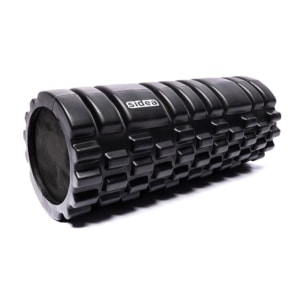 2500 Massage Roller
1 × 31,26€
2500 Massage Roller
1 × 31,26€


 Defibrillator AED
 Gift CardSidea
 Spare parts