⏱ Order processing: within 3 working days
🚚 Delivery: 7–10 working days
There may be delays in deliveries due to slowdowns by courier services during August.
⏱ Order processing: within 3 working days
🚚 Delivery: 7–10 working days
There may be delays in deliveries due to slowdowns by courier services during August.
Wrist straps are essential accessories for athletes practising weightlifting, powerlifting, bodybuilding and CrossFit®. Designed to improve grip and provide support during exercises, these cotton straps help maintain a firm grip on the barbell. They also increase safety during movements such as deadlifts, push-ups and snatches by preventing accidental slipping of the barbell. By using wrist straps, hand fatigue can be reduced, allowing athletes to focus on technique and strength, especially during prolonged training sessions.
We use technologies such as cookies to store and/or access device information. We do this to improve the browsing experience and to show (non-)personalised ads. Consent to these technologies will allow us to process data such as browsing behaviour or unique IDs on this site. Failure to consent or withdrawal of consent may adversely affect certain features and functions.
Functional
Always active
Technical storage or access is strictly necessary for the legitimate purpose of enabling the use of a specific service explicitly requested by the subscriber or user, or for the sole purpose of carrying out the transmission of a communication over an electronic communications network.
Preferences
Technical storage or access is necessary for the legitimate purpose of storing preferences that are not requested by the subscriber or user.
Statistics
Technical archiving or access that is used exclusively for statistical purposes.Technical storage or access is used solely for anonymous statistical purposes. Without a subpoena, voluntary compliance by your Internet Service Provider, or additional records from third parties, information stored or retrieved for this purpose alone cannot usually be used for identification purposes.
Marketing
Technical storage or access is necessary to create user profiles to send advertisements, or to track the user on one website or several websites for similar marketing purposes.



















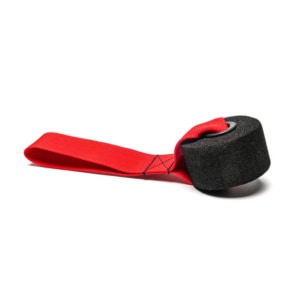 2092/1 Anchor Door
1 × 7,63€
2092/1 Anchor Door
1 × 7,63€ 9004 Bar Combo
1 × 45,75€
9004 Bar Combo
1 × 45,75€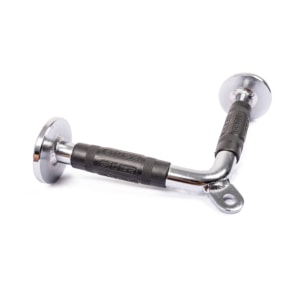 9005 V-Bar
1 × 45,75€
9005 V-Bar
1 × 45,75€ 9212 Training platform 3×2
1 × 777,75€
9212 Training platform 3×2
1 × 777,75€















 Defibrillator AED
 Gift CardSidea
 Spare parts