Medicine Ball: the Sidea selection
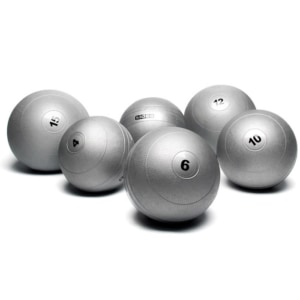
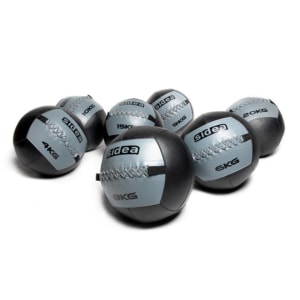
The term ‘medicine ball’ encompasses equipment with very different construction characteristics and intended uses. What they have in common is weight as the primary load variable, combined with a spherical shape that requires dynamic control of the centre of mass. The Sidea catalogue features the classic medicine ball made of compact rubber, smash balls designed to withstand repeated impact against the floor, giant balls for use as free weights in strength training, versions with handles for bilateral and rotational movements, and the trampoline specifically designed for bounce throws. A complete ecosystem, not just a single product family.
Who is Medicine Ball for?
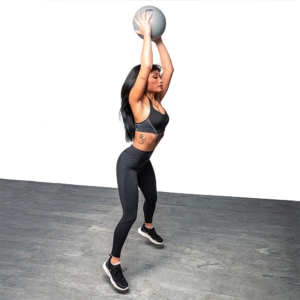
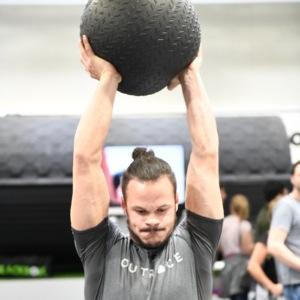
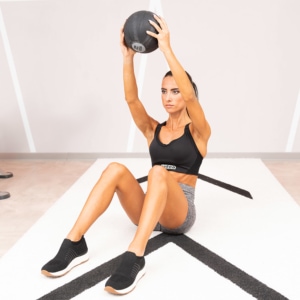
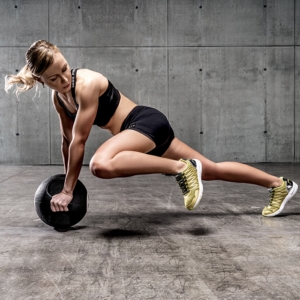
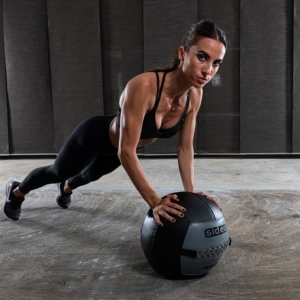
Strength and conditioning coaches have traditionally been the main users of medicine balls: wall throws, overhead slams, rotational throws and partner tosses are exercises that develop explosive power across the entire kinetic chain – something that is difficult to replicate with other equipment. In CrossFit boxes Functional Training Medicine balls are now being used in AMRAP circuits and WODs alongside kettlebells and barbells: the smash ball, in particular, is well suited to repeated ground slams without uncontrolled bouncing.
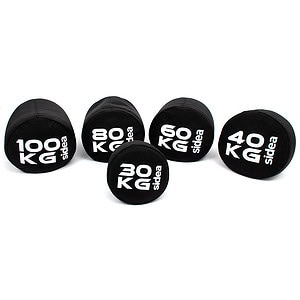
Personal trainers working with clients undergoing functional rehabilitation or toning use balls with handles for low-speed exercises that focus on postural control. The lighter versions (3–4 kg) are also suitable for those trying weight training for the first time. At the other end of the scale, the Strongman Smash D-Ball ranges from 10 to 30 kg and is designed for athletes with a solid background in strength training.
For anyone setting up a HomeGym When used effectively, a pair of medicine balls of different weights can be used for a range of exercises, from explosive core training to metabolic conditioning, whilst taking up far less space than other pieces of equipment offering the same level of effectiveness.
How to choose
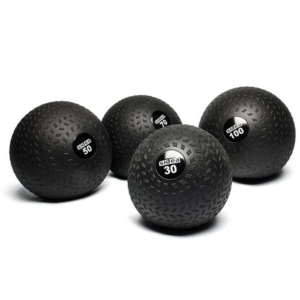
The first criterion is the primary intended use. If the programme involves repeated slams onto the ground — exercises such as the dead-ball carry, the floor slam or the rotational slam — the correct choice is the Smash D-Ball or the Strongman Smash D-Ball: the vulcanised rubber surface absorbs the impact without rebounding, the shape maintains the landing position, and the sand filling ensures a stable centre of gravity. The classic medicine ball, which is more compact and has a higher durometer rating, is instead suitable for wall throws and controlled bouncing on a trampoline.
The weight is chosen according to the athletic movement: for explosive power exercises involving throwing, the optimal load is one that allows you to maintain the speed of execution without compensatory postural adjustments — generally 4–8 kg for overhead exercises, and 6–12 kg for lateral and rotational slams. For strength-endurance exercises using a giant ball, the weight range is lower than that used with a barbell, as handling the spherical shape increases the demand on stabilising muscles.
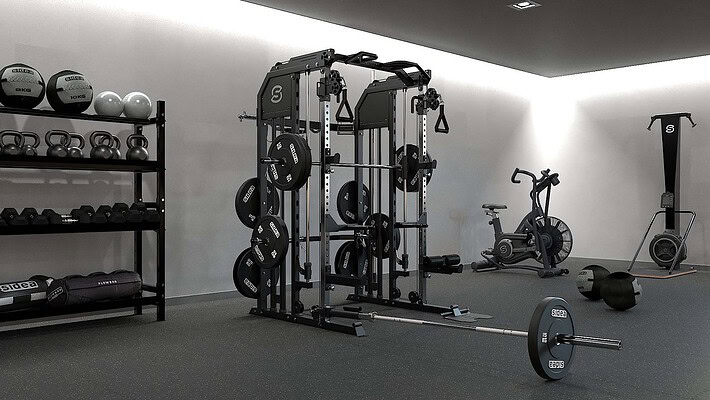
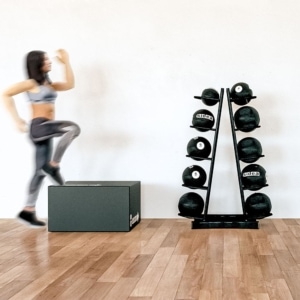
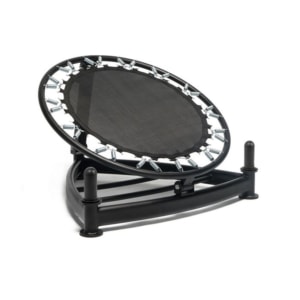
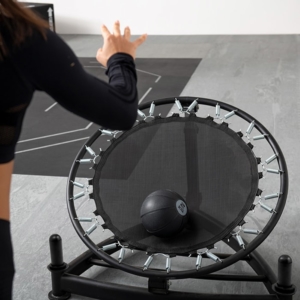
In gyms with multiple users, consider using a medicine ball rack to organise the balls by weight and free up floor space. For circuits that involve bouncing the ball off a wall or onto the floor, the medicine ball trampoline (available in standard and promotional versions) increases the variety of exercises and reduces uncontrolled bouncing.
Sidea Products for Medicine Balls
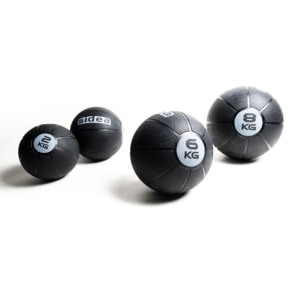
Classic Medicine Ball (0490-0493): available in a range of weights, made from solid rubber, suitable for throwing, core exercises and functional circuits. Listed in the category Fitness balls.
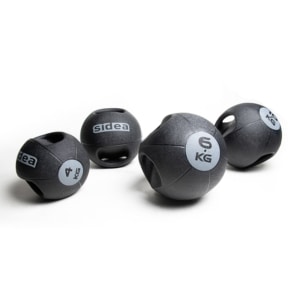
Medicine Ball with Handles (0495-0498 and version outlet (0495V–0498V): the side handles allow for rotational movements, grip squats, overhead presses and partner exercises. They are also useful in motor rehabilitation settings with controlled resistance.
Smash D-Ball (0470-0484): the range is divided into two weight categories. The standard Smash D-Ball covers the more accessible weights for functional training; the Strongman Smash D-Ball offers heavier weights for strength athletes or strongman training programmes. Both belong to the category Strong fitness training.
Giant Medicine Ball (0499-0507): oversized, suitable for pushing and dragging exercises, bear hug carries and functional strength movements that require a wide grip and an unstable centre of mass.
Strongman Bag (SKU: STRONGBAG): technically a sandbag, but it forms part of the throwing and heavy-carrying ecosystem. It belongs to the category Flowbag & Sandbag and complements the work with heavy D-Balls well.
Med Ball Rack (0499/1): a storage rack for organising medicine balls by weight, suitable for gyms with a large number of pieces of equipment to manage. Available in the category Rack tool.
Medicine Ball Trampoline (3604 and 3604V): a springy surface for bounce throws. Use in combination with standard medicine balls for speed & agility and the development of neuromuscular responsiveness.
Why choose Sidea
Sidea has been operating in the professional fitness equipment sector since 1999, with a warehouse covering over 4,000 m² and a product range selected on the basis of technical, rather than commercial, criteria. Our range of medicine balls is not a generic assortment: it caters to real needs, ranging from strength athletes performing dead-ball carries to gyms setting up functional training stations for group classes, right through to advanced home gyms. The technical team is on hand to advise on the correct mix of weights and types based on your specific training programme, with no consultancy fees.















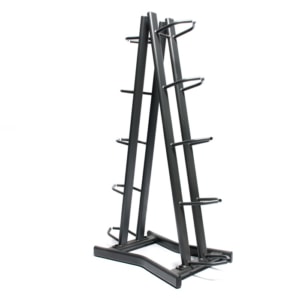 0499/1 Med Ball Rack
2 × 285,18€
0499/1 Med Ball Rack
2 × 285,18€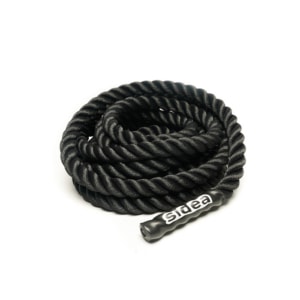 1711 Easy Gym Rope
1 × 192,15€
1711 Easy Gym Rope
1 × 192,15€ 9012/3 LOW HEX BAR
1 × 199,00€
9012/3 LOW HEX BAR
1 × 199,00€ HC003 Air Row
1 × 1.181,25€
HC003 Air Row
1 × 1.181,25€ OR2092 Flying OUTRACE
1 × 80,52€
OR2092 Flying OUTRACE
1 × 80,52€


 Defibrillator AED
 Gift CardSidea
 Spare parts