














Goggles, swimming costume, swimming cap and litres and litres of water to run back and forth as fast as possible. The swimmer's 'kit' would seem to be limited to these simple items, yet especially in recent years competitive swimming is becoming increasingly tied to a substantial part of training outside the waterwhere it is possible significantly increase workloads and consequently maximising athletic performance. "Especially for us sprinters, 'dry' training, i.e. out of the water, is crucial - the blue national tells us Fabio Scozzoli, among the best European and world performers in the 50m and 100m breaststroke styles - Weightlifting and functional swimming have allowed swimming to make huge steps forward in recent yearsand the results of this change in athletic preparation can be seen".
More and more 'dry': the new athletic training in swimming
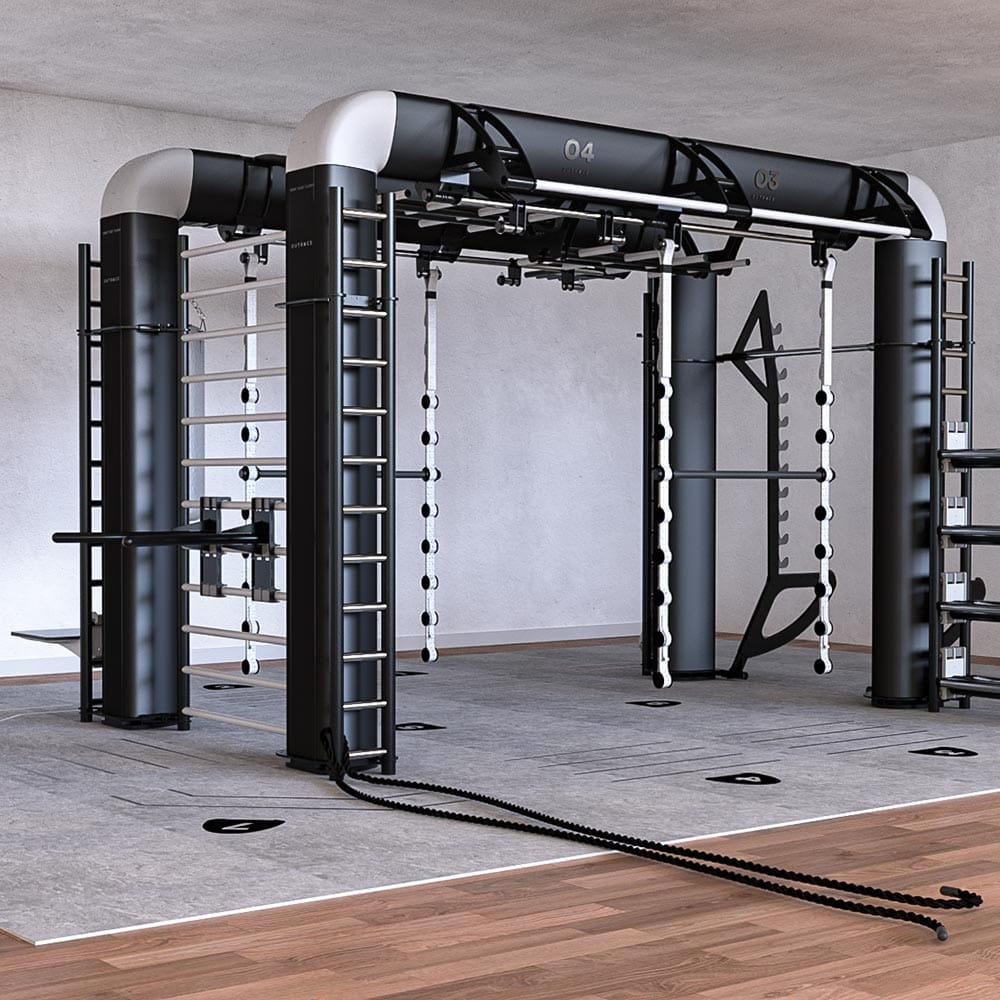
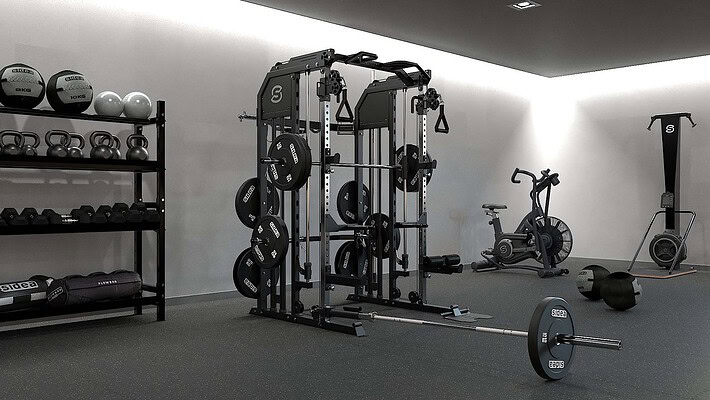
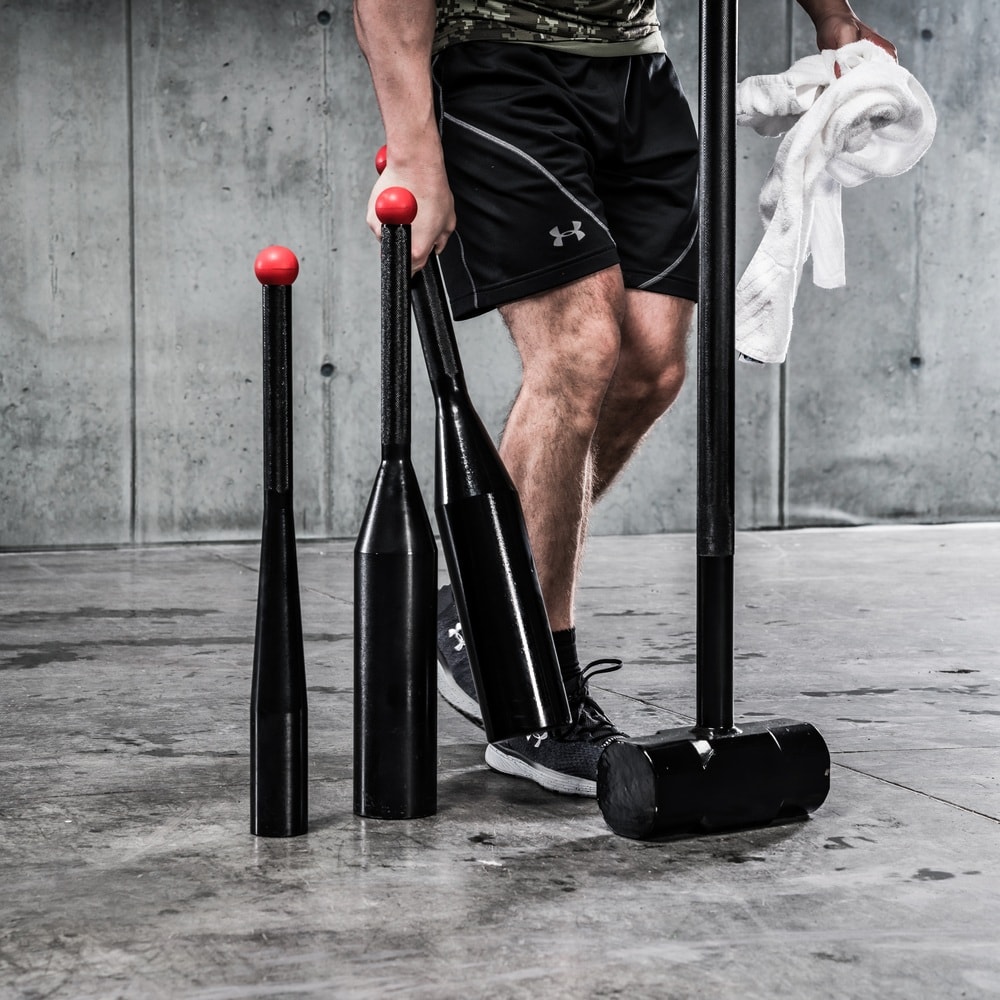
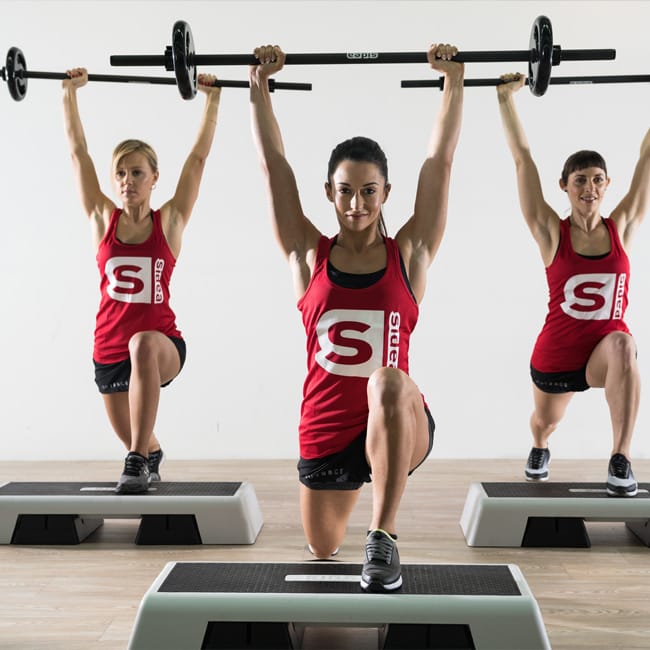
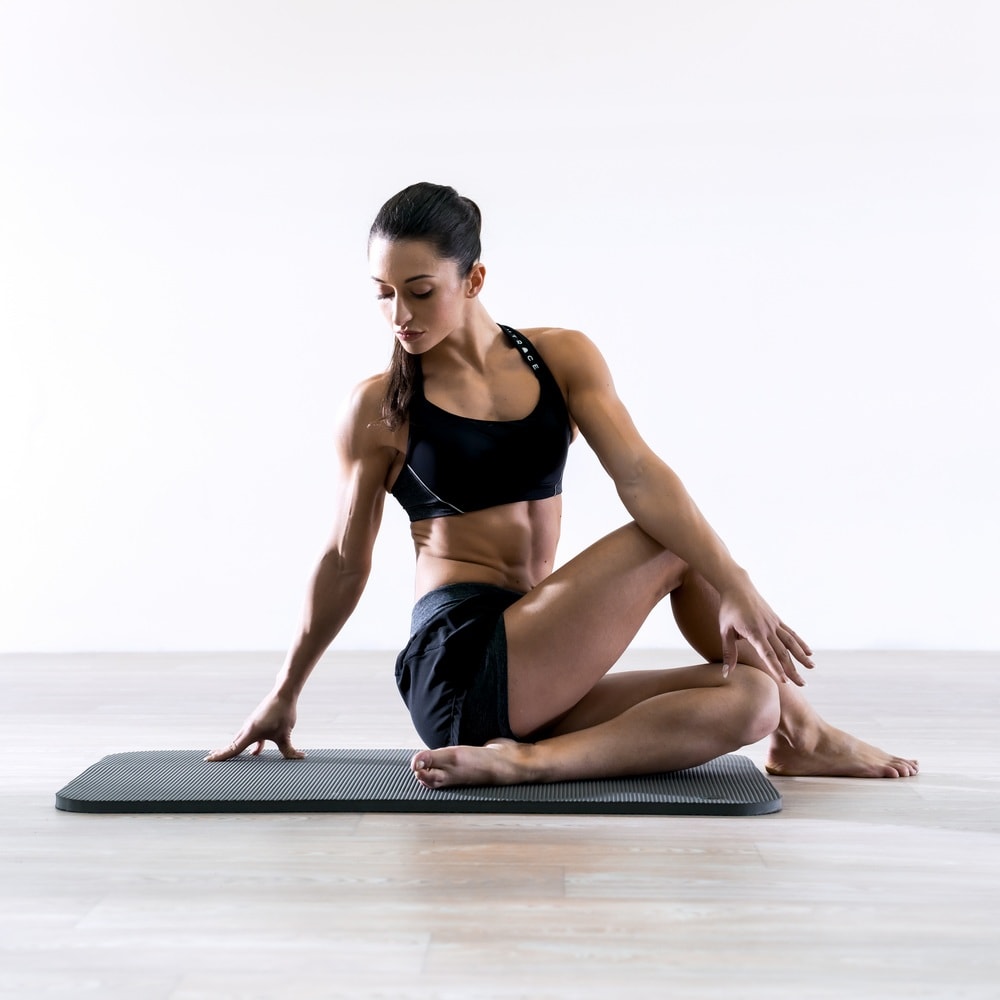
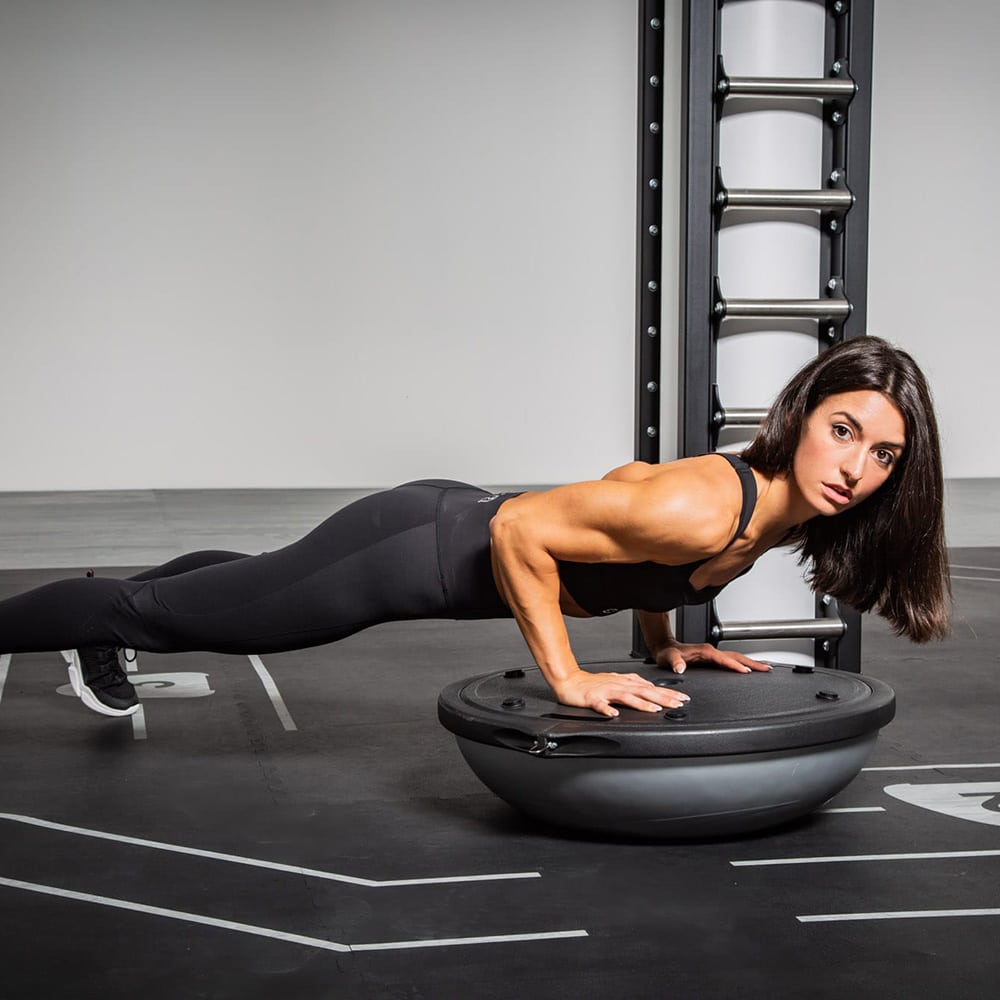
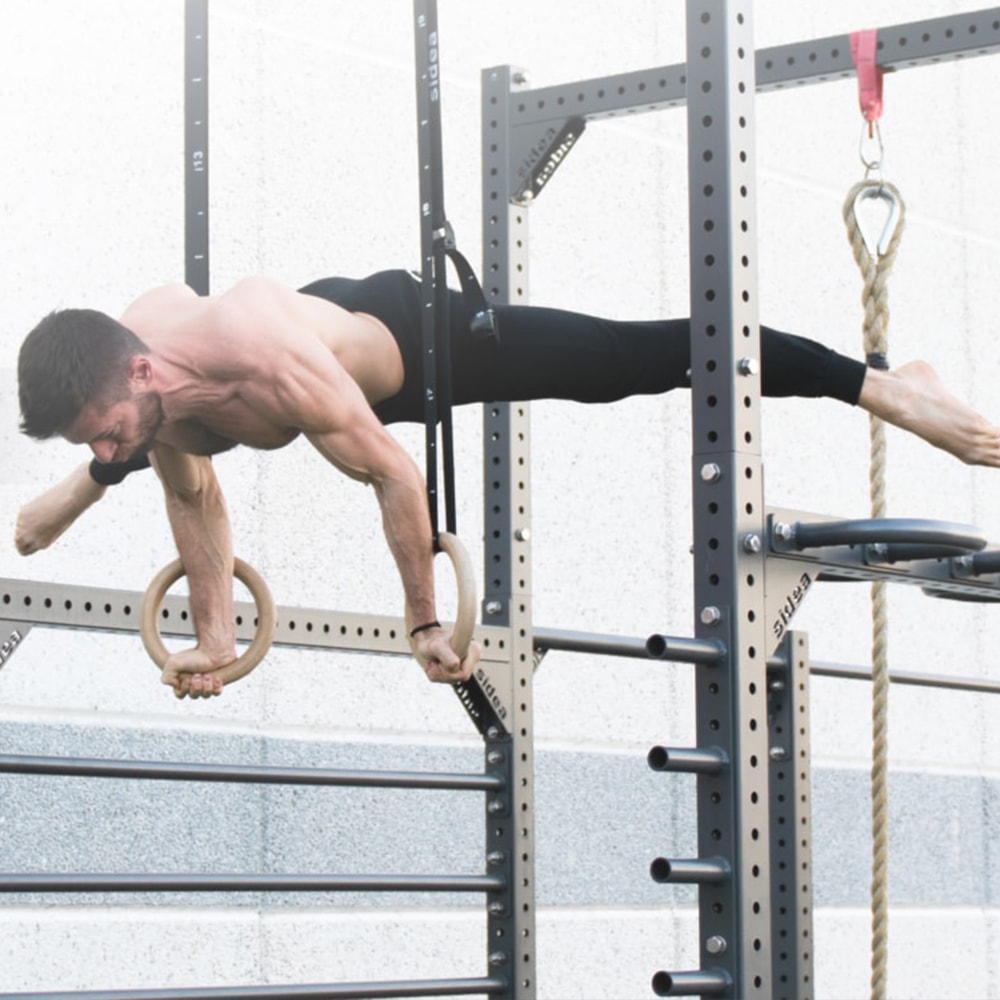
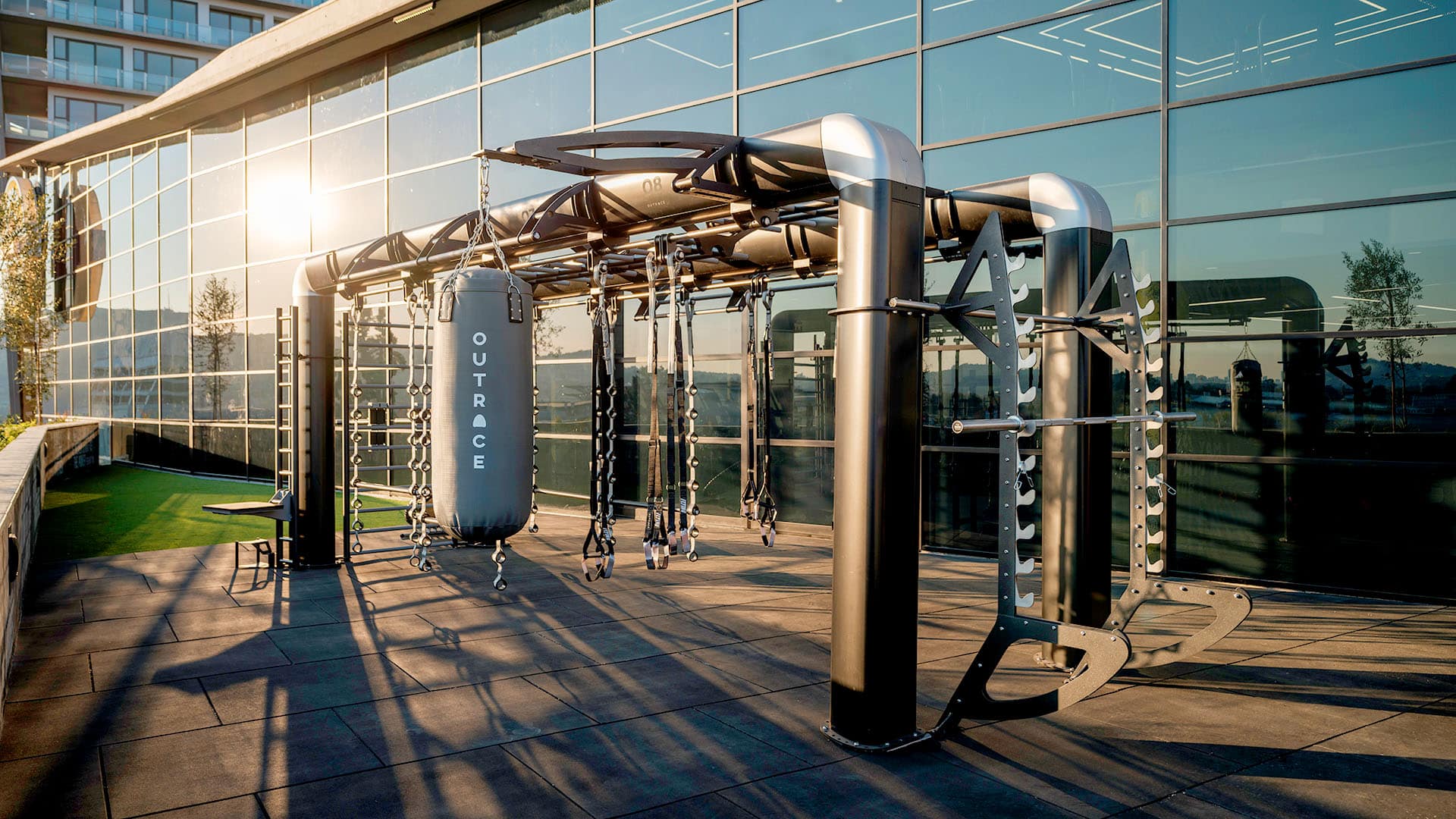
Speed, endurance, strength, explosivenessswimming, depending on the various styles and distances covered, is able to involve physical qualities of all kinds, thus requiring a great deal of attention in terms of athletic preparation in order to express one's potential to the full but also to avoid injury. The gym of the Imola Municipal Swimming Poolwhere Scozzoli trains every day, has been populated with equipment such as barbells, kettlebell, benches e traction structureswhich until recently seemed to have little to do with water sports, but which nowadays are indispensable for the preparation of champions of the level of Fabio but also of the many young talents approaching swimming competitively.
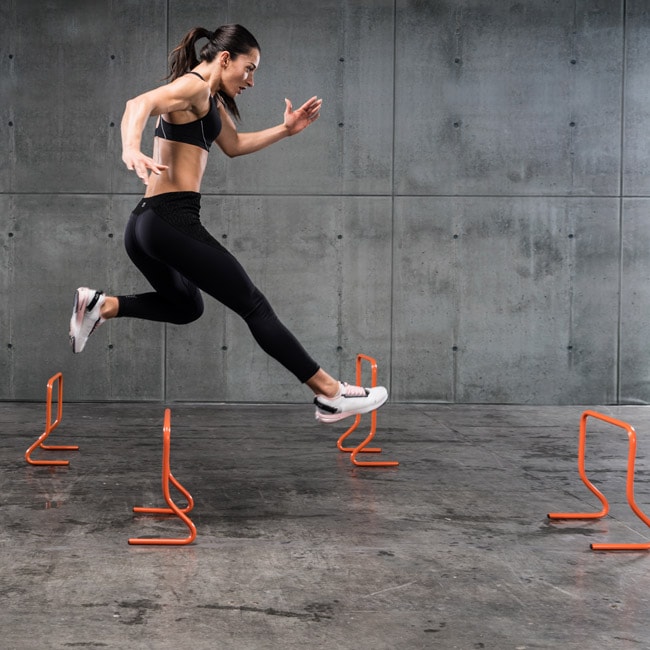
"I personally only started incorporating 'real' and functional weight training into my workouts 4-5 years ago - continues Scozzoli -. I used to work out a lot anyway, but mostly free-body exercises or with elastic bands, working very little with weights. I now average three very intense gym sessions per weekalways followed by strength transformation work in the water, for example through braking swimming, using parachutes or elastic bands, or working on speed and explosiveness".
A programme, however, that may be subject to variations in terms of both the specialities or the distance reference of the swimmer: "Certainly an athlete tackling longer distances, such as Gregorio Paltrinieri who swims the 1,500m, will prepare differently than I do, consistently reducing loads or even the number of gym sessions and spending much more time in the water, but in general in swimming the objective of 'dry' training is almost always to prepare the athlete at a general level, developing strength and power in a balanced manner. Then there may also be specific differences related to style: backstroke swimmers will perhaps put more emphasis on the posterior muscle chain, while breaststroke or dolphin swimmers will focus more on the anterior one. Having said this, however if both are not developed correctly, injuries could occurworking with heavy loads you really have to be very careful and try to do things as well as possible during athletic preparation".
Scozzoli's training and upcoming goals
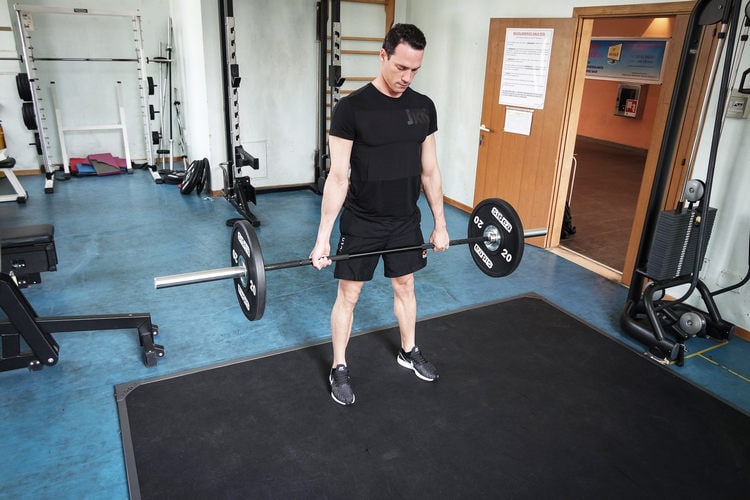
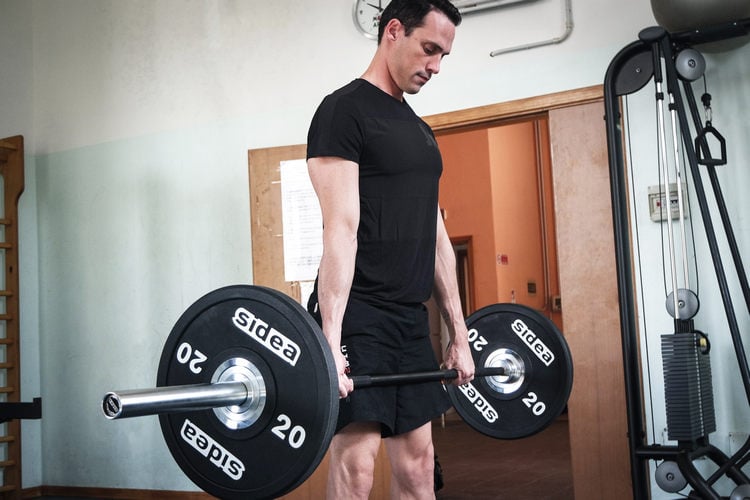
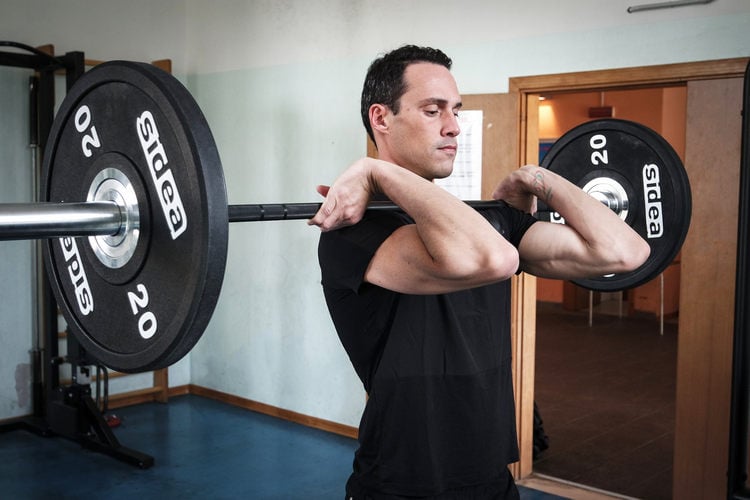
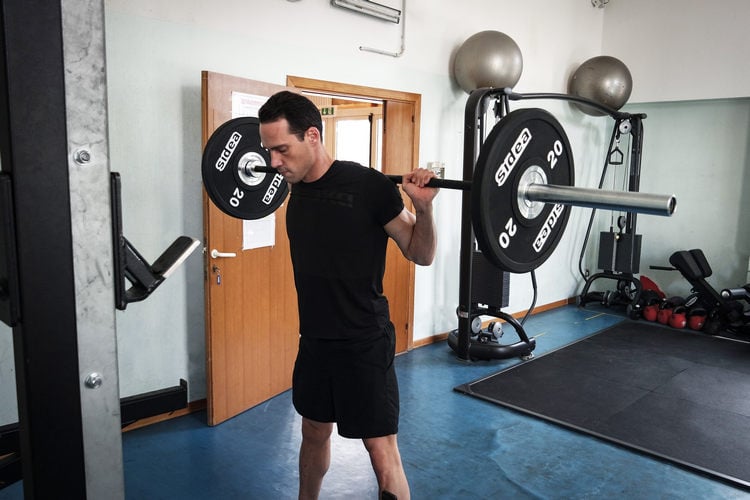
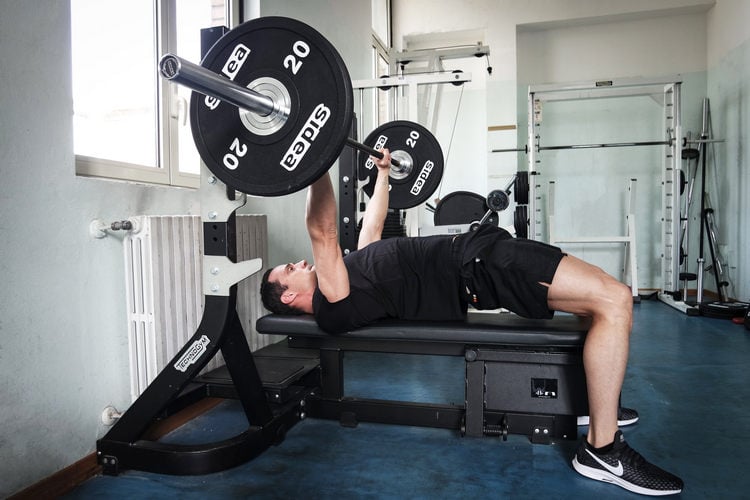
However, the composition of training in the gym and workloads can also vary depending on the period leading up to an official competition: "I normally work on strength through bench exercises, bench presses, push-ups, and push-ups. handlebars, tractions ballasted, deadlifts or squats, while with regard to power and explosiveness on a functional level I work a lot with medicine balls, kettlebells and other such equipment. In a period away from competitions, the loads are very high, with large sets performed without rest, such as bench presses-stretches. The closer we get to a competition, the more I reduce the volumeworking on the maintaining strength and on the transformation into power".
However, the long-term goal remains one for Scozzoli who, after a promising final in London 2012 (finished 4th) and the disappointment of not qualifying for Rio 2016, aims to be ready for the next Olympic Games: "Tokyo 2020 is definitely my main goal and I am working because I would like to return to play a final at the Olympics: unfortunately my speciality, the 50m breaststroke, it is not Olympic distance, but I am working to improve and give my best in the 100m".
Fabio Scozzoli: career
Born in Lugo on 3 August 1988, Fabio Scozzoli approached swimming mainly thanks to his older sister, who had already been swimming before him: after a first attempt to take him into the pool failed at the age of 6, from the following year Fabio found his own dimension in the water and in particular in the breaststroke style. In 2010 the first international title, with the victory at the European Championships followed the following year by the second place at the Worlds. In 2012 arrives in final in the 100m breaststroke at the London Olympics and the same year won thegold at the World Championshipsthen establishing in the 2013 also his first European record. Afterwards, he faces a heavy knee injury (rupture of the anterior cruciate and menisci) from which he only fully recovered in the 2016 (obtaining a bronze at the World Short Course Championships in Canada). Since then, Scozzoli has returned to good results at high levels: another victory at the European Championships at 2017 and a second place at the European Short Course Championships at 2018however, targeting the 2019 World Cup in South Korea and, above all, the Tokyo Olympics 2020.

 Defibrillator AED
 Gift CardSidea
 Spare parts