
















-
×
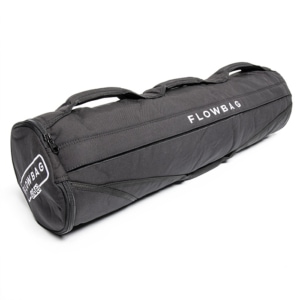 8054 Flow Bag
1 × 149,45€
8054 Flow Bag
1 × 149,45€ -
×
 9080K1 Light Pack Not included in the promotion
1 × 2.440,74€
9080K1 Light Pack Not included in the promotion
1 × 2.440,74€ -
×
 9088 All-in-One Rack Premium
1 × 4.765,63€
9088 All-in-One Rack Premium
1 × 4.765,63€
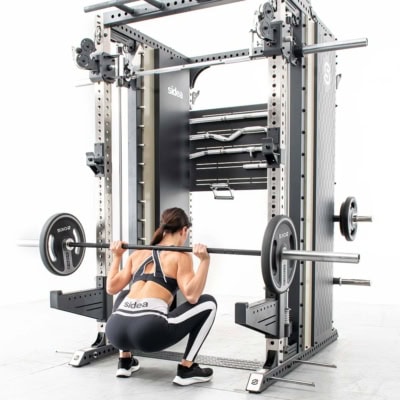
The squat is one of the most effective and comprehensive exercises in weight training. Thanks to its ability to involve several joints and muscle groups, it is a pillar for the development of strength, coordination and joint stability. However, there is no single way to squat. Variants such as the Back Squat, Front Squat, Squat with Safety Squat Bar (SSB) and Belt Squat offer different stimuli and can be used strategically for specific goals.
Back Squat
The Back Squat is the most common variant, in which the barbell is placed behind the head, resting on the trapezius (high-bar) or on the posterior deltoids (low-bar).
- High-bar squat: more upright torso, greater involvement of the quadriceps.
- Low-bar squat: more inclined torso, greater activation of the gluteus and ischiocruscular muscles.
⚠️ When to use it:
- Ideal for increasing overall strength and working with high loads.
- Essential in powerlifting (low-bar) or for those with good mobility and postural control (high-bar).
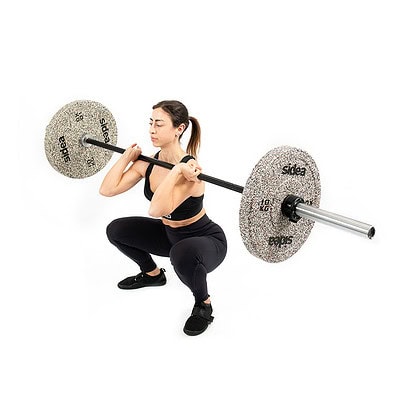
Front Squat
In the Front Squat, the barbell is placed frontally on the collarbones and shoulders. This forces you to maintain a much more upright torso and requires great core activation.
- Increased activation of the quadriceps.
- Less load on the lumbar region compared to the back squat.
⚠️ When to use it:
- Perfect for those with back problems or who want to develop their quadriceps.
- Great for weightlifters and crossfitters looking for transfers on cleans and thrusters.
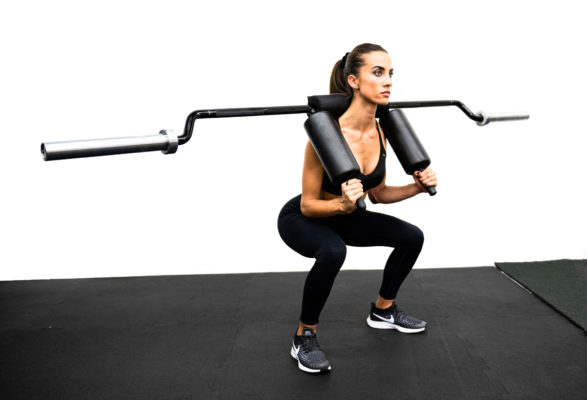
Squats with Safety Squat Bar (SSB)
The Safety Squat Bar is a special bar with front handles and a different balance that allows a more comfortable grip and a more neutral arm and shoulder position.
- Reduces stress on shoulders, wrists and elbows.
- It requires more stabilisation from the core and spinal extensor muscles.
- It simulates a middle way between back squat and front squat.
⚠️ When to use it:
- Ideal when recovering from shoulder injuries or for those with limitations in upper body mobility.
- Great for varying neuromuscular stimulation and strengthening posture.
Belt Squat
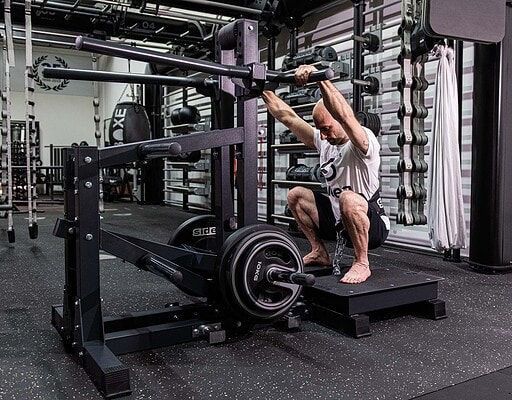
The Belt Squat involves the load being applied via a belt attached to a machine or low-profile support, completely freeing the spine from direct weight.
- Maximum activation of the lower limbs with minimum load on the back.
- It promotes a more upright posture and facilitates the maintenance of lumbar neutrality.
⚠️ When to use it:
- Perfect for those with back problems or who want to stimulate their legs while sparing the spine.
- Excellent complement for high volume work without tiring the upper back chain.
Which one to choose?
The choice of variant depends on:
- Objectives: hypertrophy, strength, sports transfer, injury prevention.
- Physical condition and mobility: presence of joint pain or limitations.
- Training phase: build-up, intensity, discharge.
There is no absolute best variant. The intelligent rotation of variants in the course of one's training programme can improve performance, prevent injuries and keep motivation high.
Train Your Squat, Improve Your Body
The squat is a very powerful tool for becoming stronger, more agile and resistant. Don't get stuck on one variation: experiment, learn and customise. Your body will thank you with better performance and healthier joints.

HISTORY OF TRAINING: THE SCIENCE OF MOVEMENT
Strength training and its evolution throughout history: from the athletes of ancient Greece to modern [...]
16
Oct
Oct
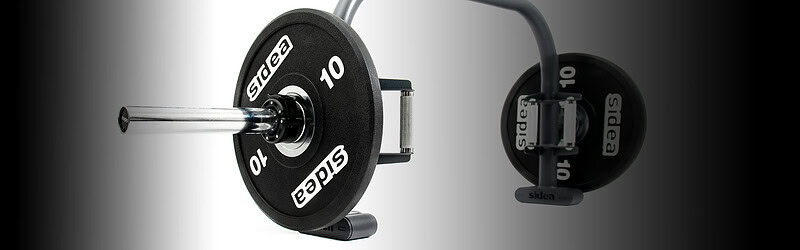
Hex Bar: what it is, which exercises to do and how to choose the right one
Strength, stability and freedom of movement: find out why the Hex Bar is an interesting alternative to [...]
09
Oct
Oct
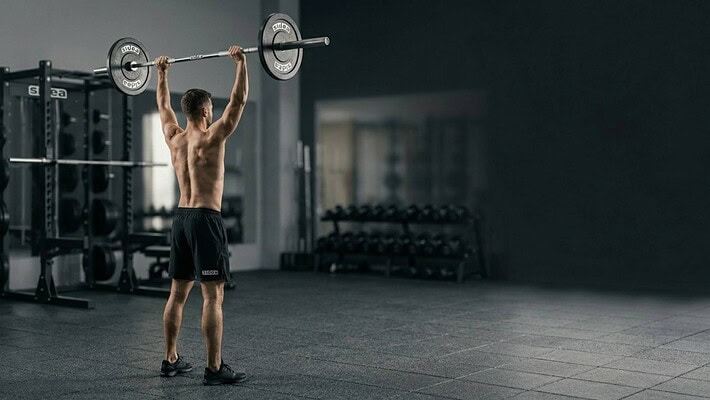
Does strength come from the ground? The Military Press and the body’s hidden synergy
Before you can push, you need something to push against. Before force comes support. [...]
29
Sep
Sep
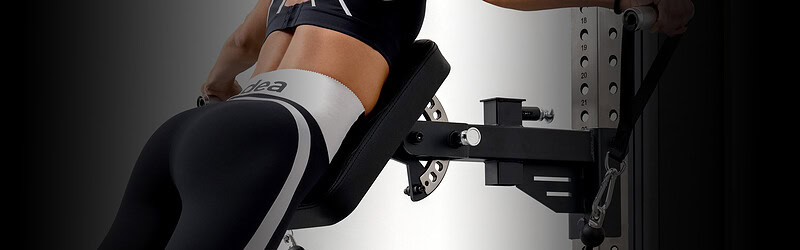
PHA and Jump Sets on the 9089K1 Cable Station: train strength, circulation and muscle density all in one station
PHA and Jump Sets on the 9089K1 Cable Station: build strength, improve microcirculation by increasing [...]
28
Jul
Jul
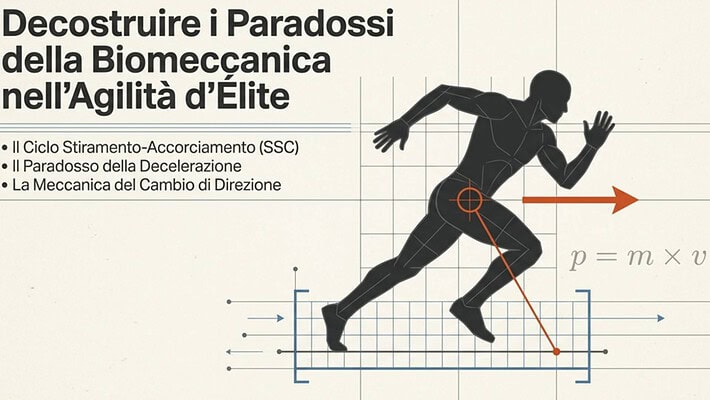
Elite agility: why changing direction isn’t just a matter of strength
Introduction: Agility is not just about being quick on your feet. When we talk about agility, the temptation [...]
30
Jun
Jun
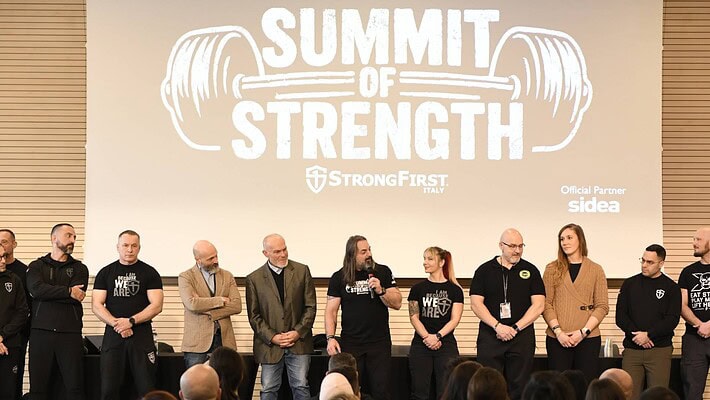
Maximum strength and team sports
When strength becomes performance: Dr Mauro Franzetti’s contribution to the Summit of Strength [...]
26
Jun
Jun
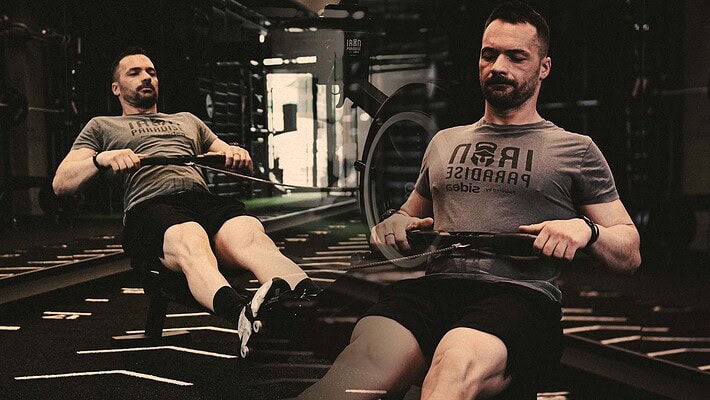
ATHX Games 2026: what it is, how it works and how to prepare for the hybrid competition
The evolution of HYBRID training In recent years, competitive fitness has evolved towards formats that are increasingly [...]
18
Jun
Jun
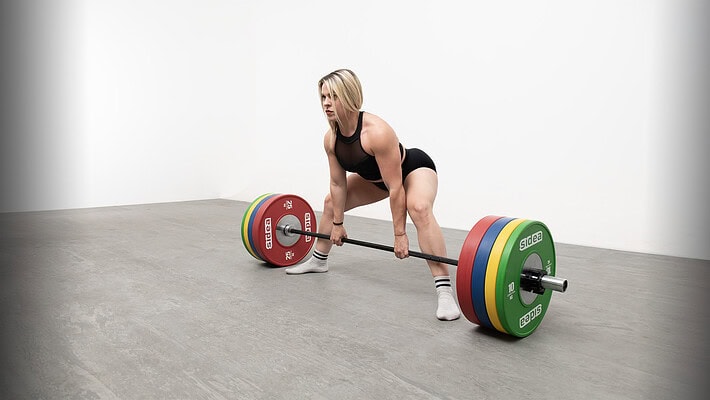
Definitive Guide to Bumper Plate Selection: How Not to Get Your First Set Wrong and Optimise Performance
The truth that no one tells you? Choosing a bumper disc is not just a matter [...]
29
May
May


-20%
Promotional kit


 Defibrillator AED
 Gift CardSidea
 Spare parts