












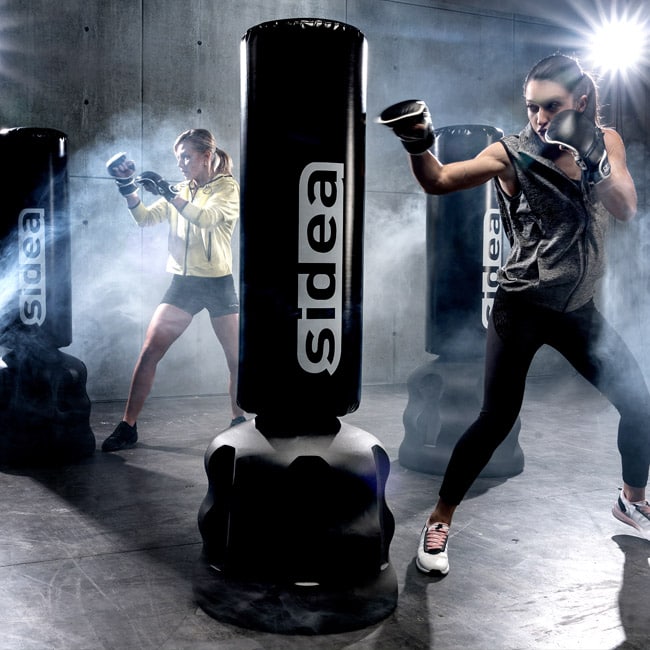


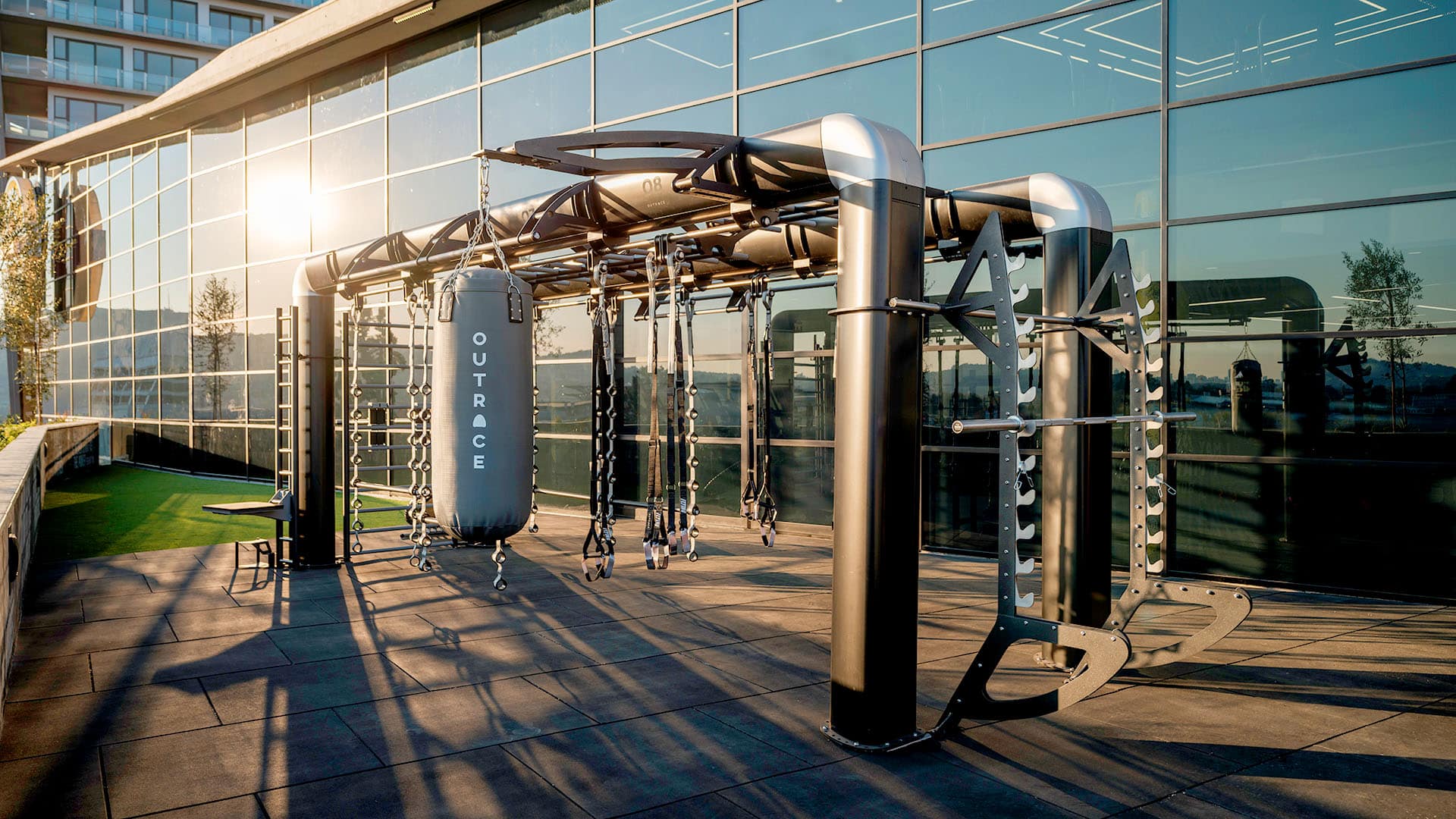

Have you ever thought about how much time we waste in traffic, parking and changing rooms for an hour at the gym?
Anyone who trains knows this well: the real barrier is not physical exertion, but the organisation of the day. And it is precisely in this space, between the desire to train and the logistical difficulties, that a booming market is opening up.
The traditional model of mass fitness is giving way to agile, flexible, hyper-personalised formulas. The customer today wants to decide when to train, in what space, with what tools and with what specific objective.
And look for smart, on-demand solutions without wasting time or resources.
The success of micro-gym and personalised training platforms is not a passing fad, but a structural response to a cultural and operational change. For those working in the industry, understanding this trend is not only useful: it is crucial to remain competitive.
Sidea, the market leader in the design of functional training spaces and home gymnastics, knows this and is ready to guide you in this new, evolving world of fitness.
.
What is a micro-gym
The term micro-gym identifies a compact fitness facility, optimised to offer high performance in small spaces. It is not a 'miniature gym', but a functionally designed environment, where every element - from equipment to logistics - is designed to maximise the efficiency and effectiveness of the workout and user experience.
Micro-gyms can be:
-
Private (for the exclusive use of the client or trainer),
-
Semi-private (limited sharing between small groups),
-
On-demand (bookable by the hour via apps or digital platforms).
Distinctive elements:
-
Space-optimised: 15 to 50 square metres, often in boxes, free-standing rooms or modular areas within existing centres.
-
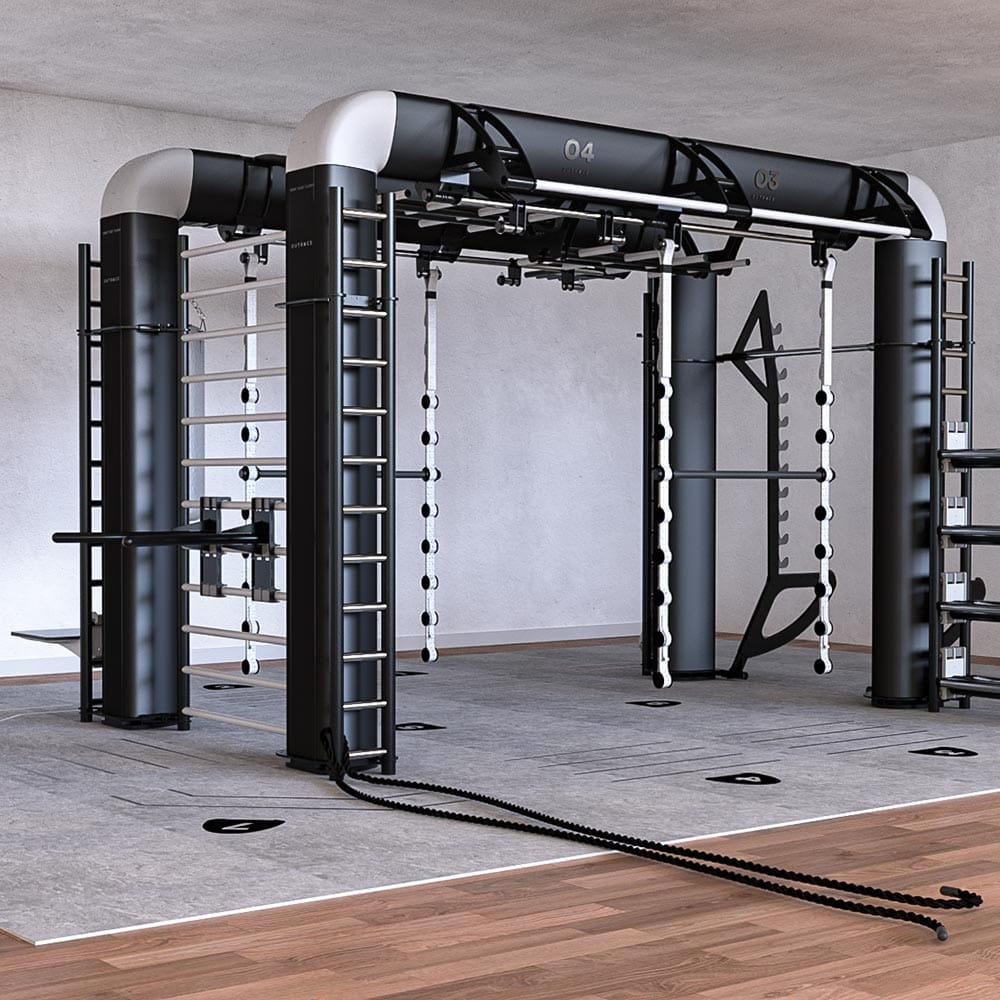
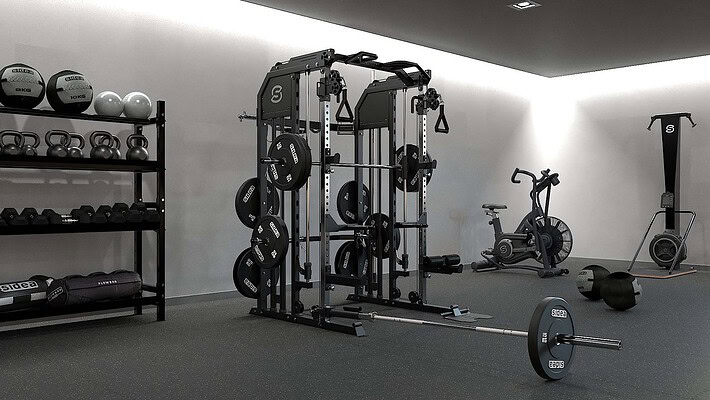
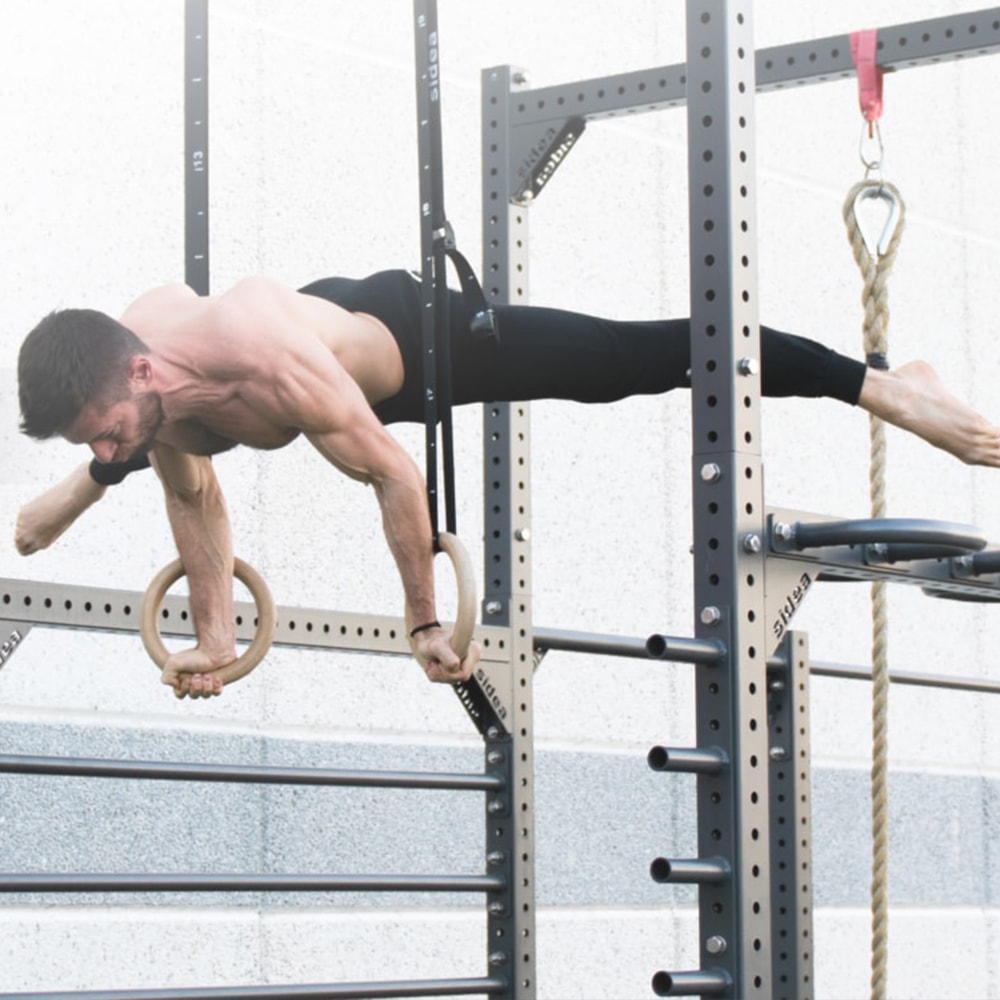
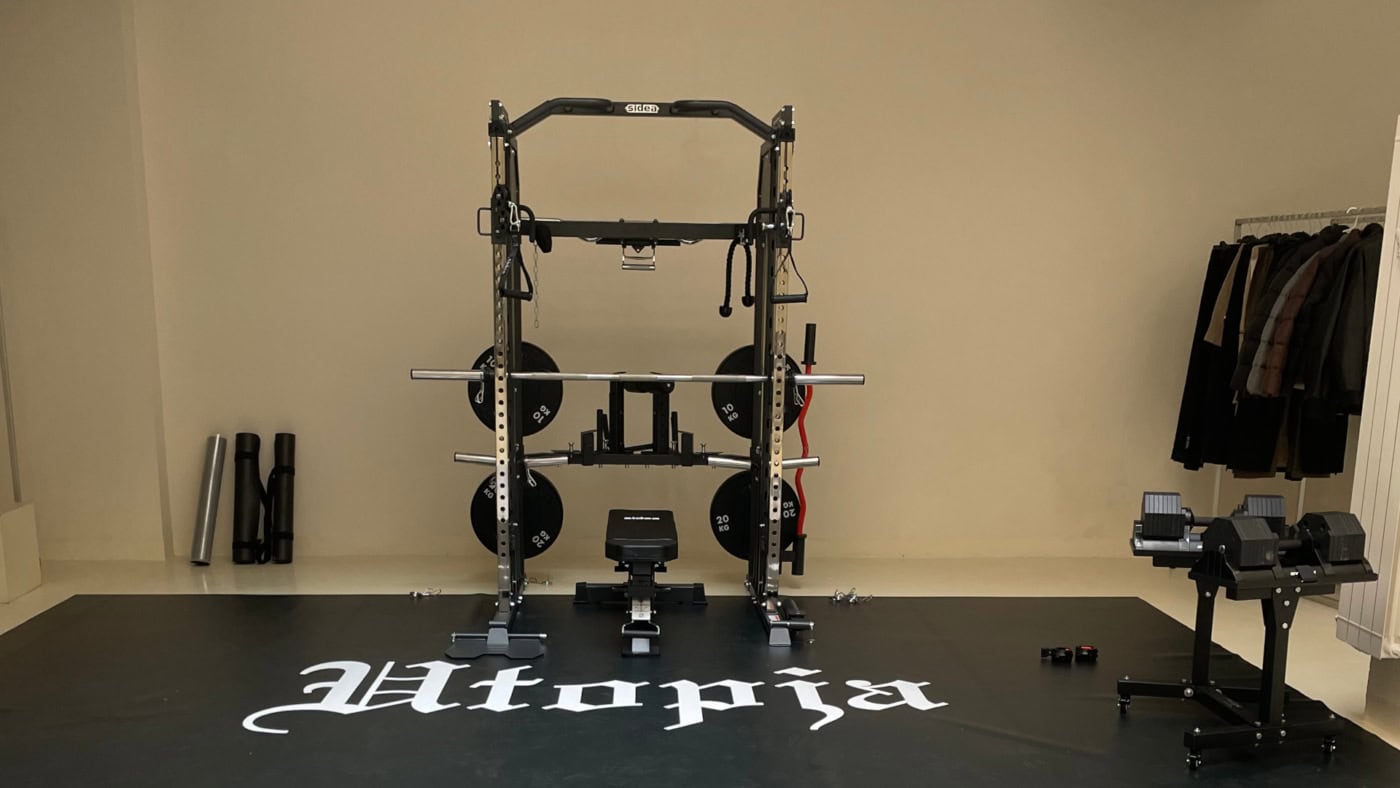
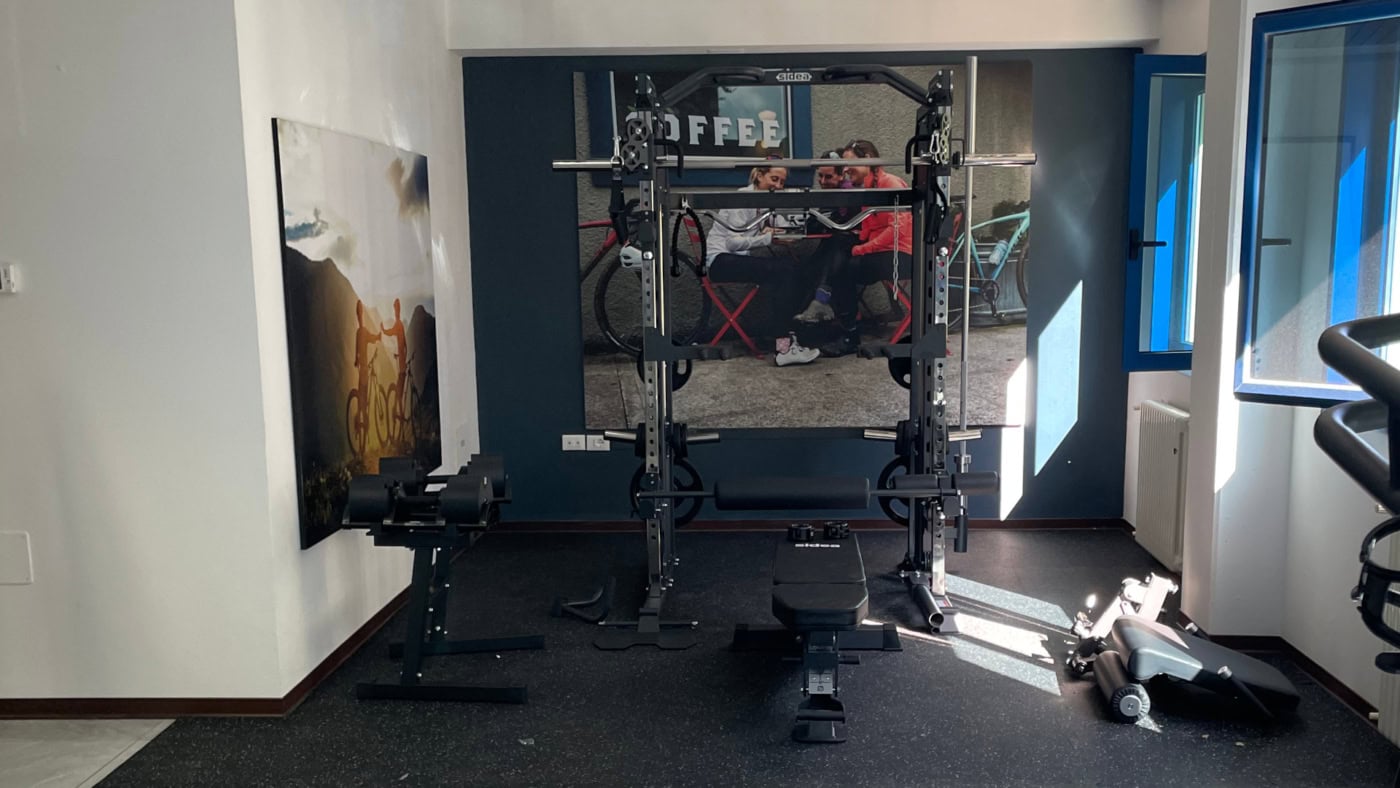
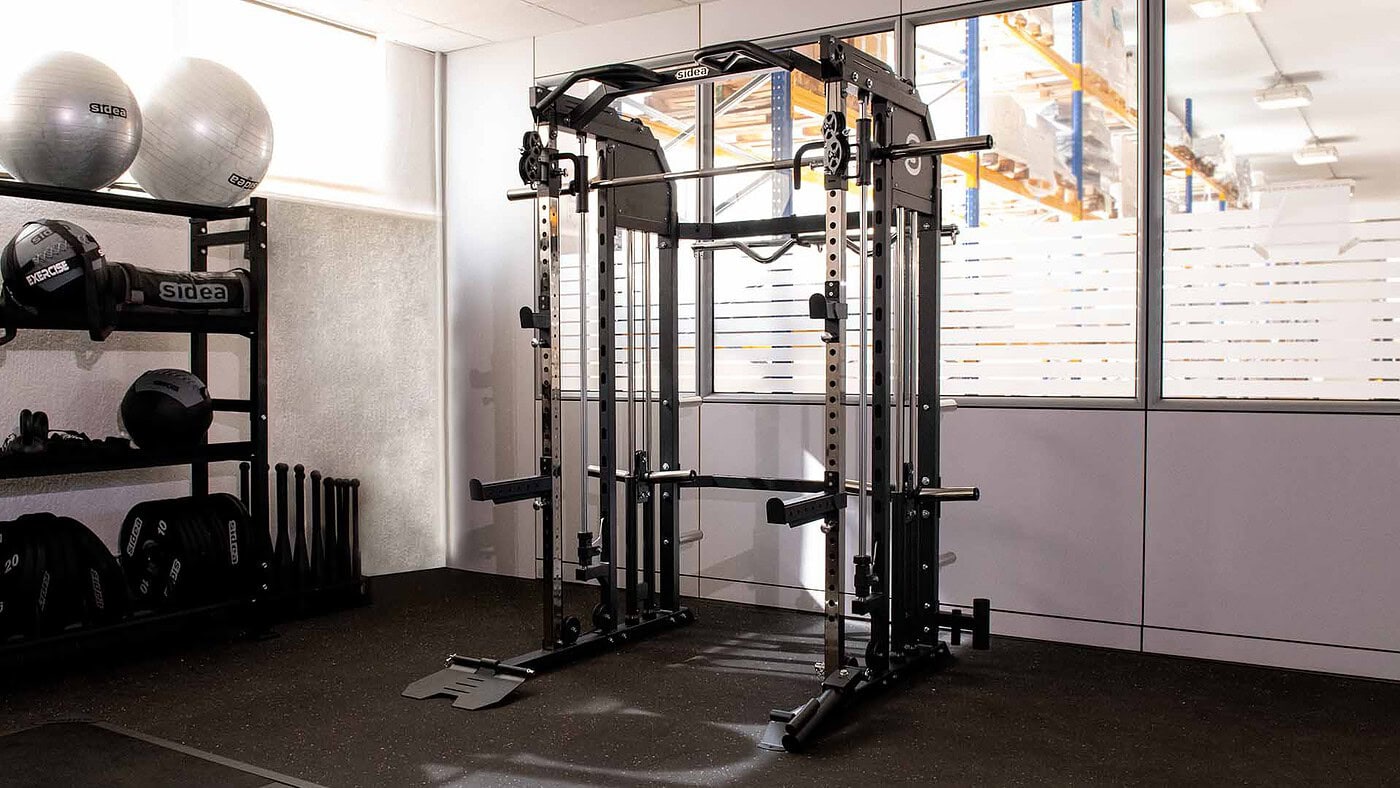
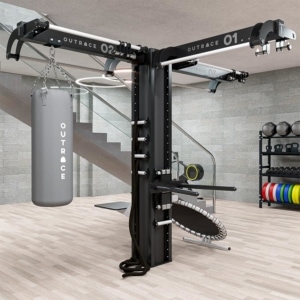
Multifunctional equipment: integrated racks such as the all-in-one 9080, technical floors, modular furniture or wall-mounted accessories that optimise space.
-
Integrated technology: reservation systems, monitoring, digital training, artificial intelligence for customisation.
-
Flexible access: open 24/7 with badges, QR codes or remote control systems.



Who it is addressed to:
To users seeking maximum privacy, efficiency and customisation;
To personal trainers and coaches who want to offer premium experiences in their own spaces, reducing fixed costs;
To investors and managers who focus on scalable and replicable models with low operational risk.
The micro-gym is not just about square footage: it is a new business paradigm, where every square metre generates value through personalised services, superior user experience and supporting technology.
Sidea is a leader in the design and construction of functional training spaces and home gymnastics, thanks to an in-house technical studio consisting of engineers specialised in biomechanics and professional trainers.
Our team is not limited to technical expertise: they are driven by the same passion for fitness that drives our customers every day.
We put the real needs of the exerciser at the centre, designing tailor-made, functional and high-performance environments to satisfy both the professional bodybuilder and the functional rehabilitator, through to the most demanding athlete or trainer.
Why users choose on-demand
The spread of on-demand training is not the result of chance, but the direct result of a radical change in fitness consumption habits. The modern user is more informed, more demanding and above all more careful with his time. He is not just looking for a place to work out, but a solution that fits his life, not the other way around.
Time as the main currency
On-demand training means eliminating everything that is not training: travelling, waiting, distractions. The user chooses the time, the duration, the type of workout and, often, even the trainer. This operational autonomy represents enormous competitive value.
On-demand is not just a convenient alternative to the more classic gym, but a strategic response to the customer's demand for autonomy, quality and customisation. For those working in the sector, adopting this model means not only satisfying an emerging need, but anticipating a now inevitable evolution.
The advantages for professionals
The success of micro-gyms and on-demand training does not only concern the end user. For fitness professionals - personal trainers, physiotherapists, athletic trainers, space managers - this transformation represents a concrete opportunity for growth, autonomy and differentiation.
Lean, scalable and sustainable model
Opening or running a micro-gym entails drastically reduced operating costs compared to a traditional gym:
-
small size for a 1to1 studio with the right rack 15sqm is enough this translates into less rent and utility costs
-
multifunctional equipment (higher ROI on each square metre),
-
limited or absent staff (in the case of automated access).
This makes the business more agile and replicable, both for freelancers and investors looking for lean models.
Professional freedom and increased marginality
A personal trainer working in a traditional facility only receives a percentage of the value he or she generates. With a micro-gym or an on-demand service:
-
manages the agenda and clientele directly,
-
defines pricing based on the real value of the service,
-
can create customised packages, digital follow-ups and private communities, increasing margins.
This also strengthens the bond between practitioner and client, drastically reducing drop-out.
Positioning as an advanced professional
Those who adopt on-demand and micro-gym solutions demonstrate innovation, flexibility and entrepreneurial vision. In an increasingly competitive market, standing out for quality and customisation is essential.
Those who manage to build their own ecosystem - even a small one - based on technology, direct relationships and perceived value gain a lasting competitive advantage.
Case studies and examples: who is already winning with micro-gym and on-demand
Numbers and ideas are important, but it is in real-life models that the potential of the micro-gym and on-demand fitness manifests itself most clearly. Below are some significant examples illustrating different applications of the concept - from the independent personal trainer to the tech start-up to the gym that has converted its model.
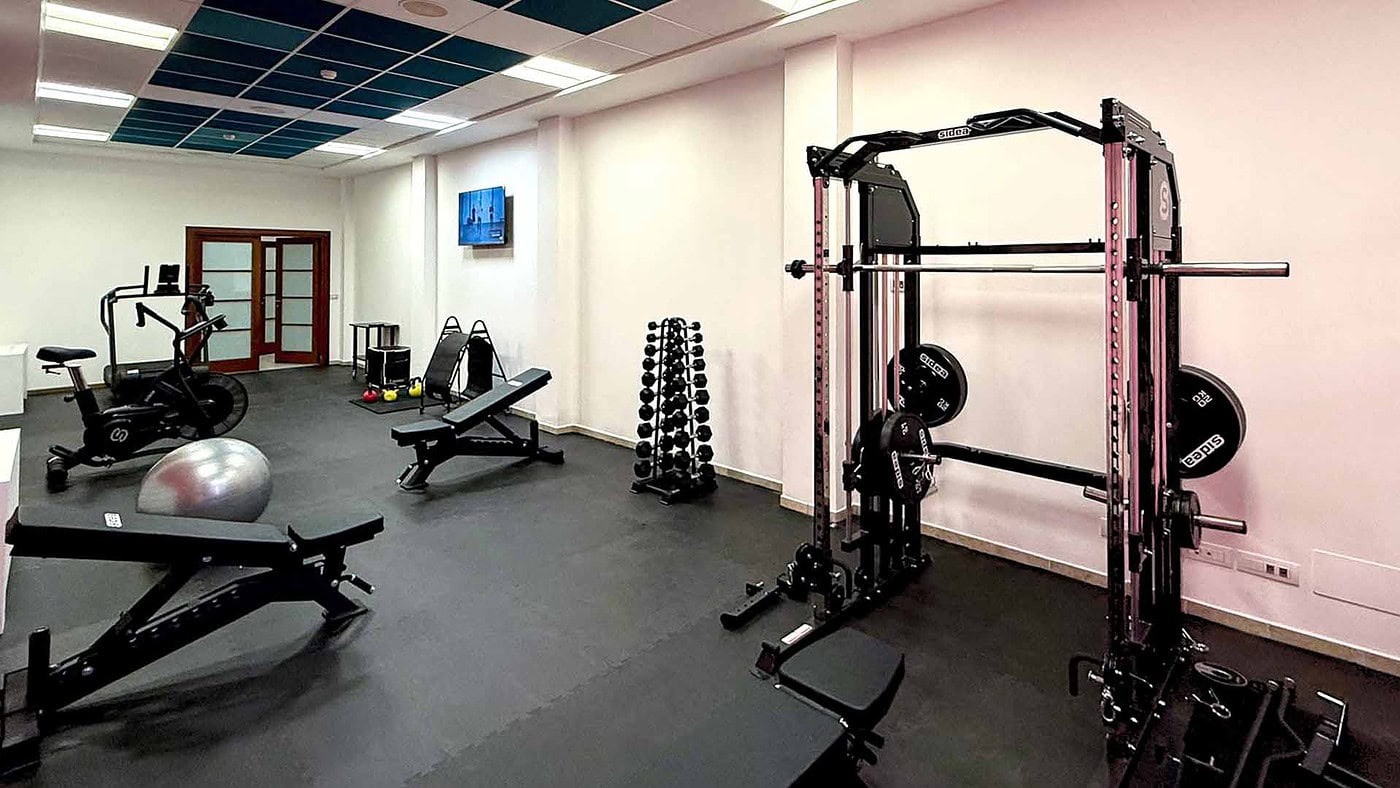
1. The independent becoming an entrepreneur: Doms Lab
A personal trainer from Monopoli transforms a former business premises into a private studio, equipping it with a multifunctional rack, technical flooring and small tools.
With an online booking system, working in 1-to-1 or small group mode, thus customising the training sessions to the maximum and generating maximum satisfaction in their clientele.
- Result: high marginality, low fixed costs, total loyalty.
- This model can also be replicated in smaller cities, with low initial investment.
- Customisation and customer care taken to the extreme.
2. The digital platform that scales: Future (USA)
Future is an American platform that offers personalised 100% remote coaching, matching each client with a certified trainer. The user receives weekly programmes via app, interacts with voice and video messages, and uses integrated wearables for constant monitoring.
- Result: over 150,000 active users, subscription model, trainers remunerated according to customer satisfaction.
- Lesson for Italy: even a freelance coach can offer similar services on a smaller scale with tools such as Google Meet, Notion, TrueCoach or Trainerize.
3. The gym reinventing itself: FlexBox
A provincial club with 700 square metres has converted part of the space into four bookable micro-studios: one for functional training, one for mobility and stretching, one for specific sports, and one for personalised coaching. Access with RFID badges, online booking system and sanitised rooms for each use.
- Result: increased room occupancy rate + new premium clientele.
- Strategic vision: hybridisation of traditional gymnasium and boutique spaces, without disrupting the original structure.
4. The Sidea experience: when micro-gym meets unmistakable Italian design
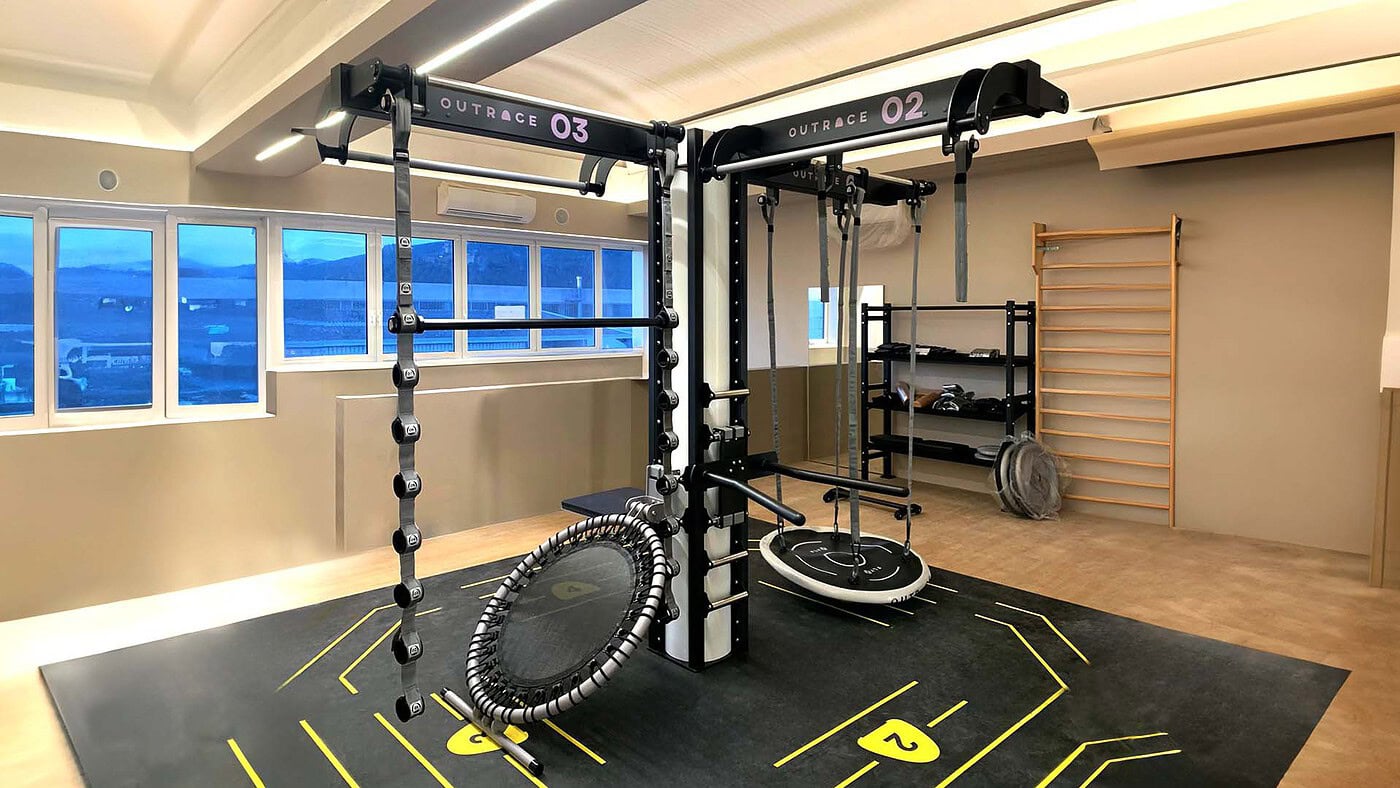
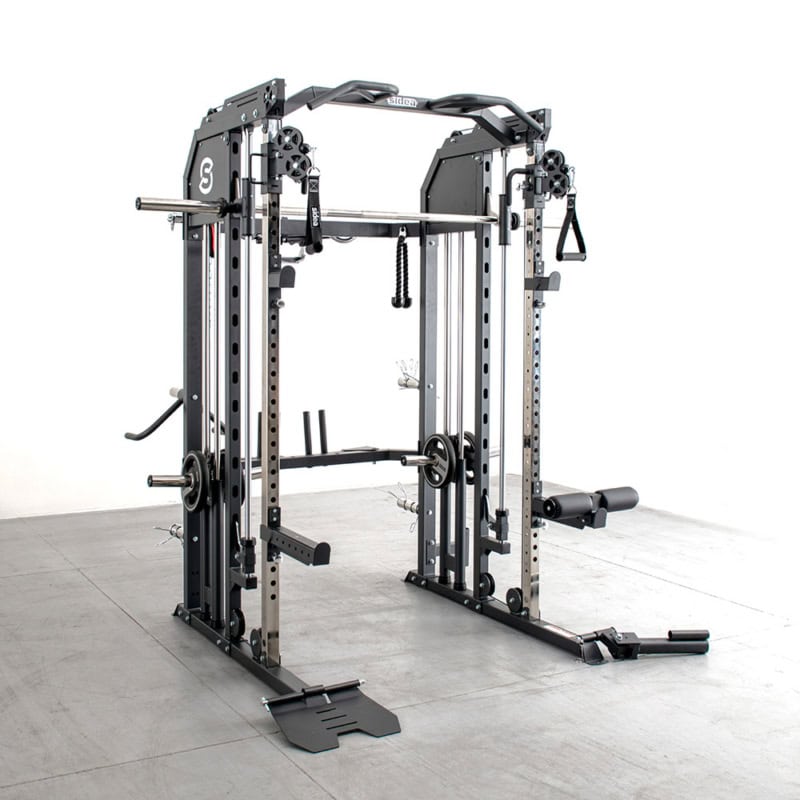
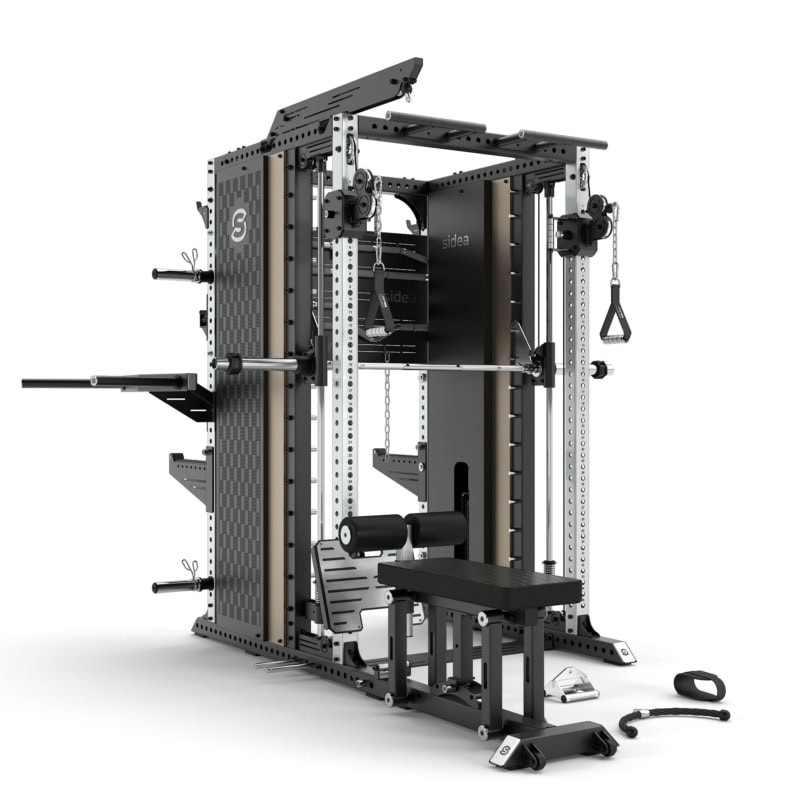
In the Italian context, Sidea is a market leader in the design and manufacture of equipment for functional training and athletic preparation. It has collaborated with several companies to develop micro-training solutions that combine unsurpassed design, functionality, quality materials and modularity. Popular configurations include:
multifunctional rack:
modular and customisable racks:
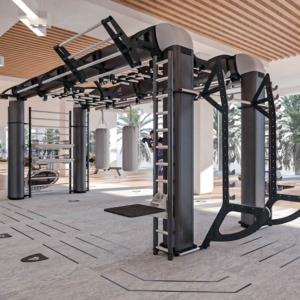
complete systems for creating training corners in gyms, doctor's offices, hotels or high-end home gym environments with innovative, high-impact design
In many cases, these installations have enabled professionals to:
-
Increase the perceived value of the service.
-
Increase the average ticket per customer.
-
Differentiate the offer from local competitors.
The result: a growing network of turnkey micro-gym facilities, from design to installation of the structures to meet the needs of a demanding, experience-conscious public.
.
Challenges and future prospects
Micro-gyms and on-demand represent one of the most interesting evolutions of contemporary fitness, but they are not models without criticalities. To ensure sustainability and growth over time, it is crucial to address certain structural challenges and to seize emerging opportunities with entrepreneurial vision.
Challenges to manage
1. Calibrated initial investment
Setting up a micro-gym is not necessarily cheap, especially if you aim to offer a premium experience. What is needed is a modular project, designed to grow over time and to generate value right from the start. Here the support of professionals such as Sidea, which holds the leadership in the design and construction of these spaces, is fundamental in order not to waste resources.
2. Digital competence
Whoever manages an on-demand service must master digital tools: online booking, asynchronous communication, coaching platforms, analytics management. Training on these tools is a must to avoid operational dispersion.
3. Regulation and security
The micro-gym boom preceded regulatory adaptation in many cases. Attention is needed to:
-
Health and hygiene regulations.
-
Insurance cover.
-
Security of automated access and management of personal data.
Strategic perspectives
1. Local, but scalable
Micro-gym facilities can become local or franchised networks. Replicable models, consistent branding and centralised management of digital services open up room for rapid growth even on a regional or national scale.
2. Artificial intelligence applied to coaching
Personalisation will be increasingly refined thanks to AI, which can analyse biometric data, feedback, habits and results to generate dynamic and adaptive training plans, both for in-person and remote training.
3. Integration with other sectors
Wellness, physiotherapy, nutrition, mental health: the micro-gym concept lends itself to being integrated into multidisciplinary models, where the fitness professional becomes the coordinator of a complete wellness-oriented ecosystem.
In summary:
Micro-gymnastics and on-demand fitness are not a simple alternative to the traditional gym, but a new language of movement, made of autonomy, precision, relationship and technology.
Those who know how to interpret it with intelligence and entrepreneurial vision will not only resist market changes, but lead them.
Your step into the future:
Have you already thought about what your ideal micro-gym might look like?
We help you realise it with our know-how, our equipment and our passion for innovation.
Contact us, tell us your project, let's build it together.
 Defibrillator AED
 Gift CardSidea
 Spare parts