

























From amateur to elite: strategies in bioenergetics, nutrition and applied physiology
In the contemporary panorama of athletic preparation, disciplines such as HYROX represent much more than a simple sports competition: they are the expression of a new training culture, in which endurance, strength and body awareness converge in a complex and deeply personal challenge. Preparing for these tests is not just a matter of accumulating kilometres or lifting loads, but of understanding the physiological mechanisms that govern performance and learning to talk to your body.
In this context, SIDEA is committed to supporting athletes not only through the design and dissemination of high-level technical equipment, today among the most appreciated in the European physical training panorama, but also by promoting a training culture based on knowledge. Because the quality of equipment is important, but it only becomes truly meaningful when it is accompanied by a deep understanding of the processes that drive adaptation and performance.
This is why SIDEA dialogues and collaborates with research and sports professionals - nutritionists, trainers and exercise physiologists - with the aim of offering athletes not only reliable equipment, but also awareness tools. Advice, reflections and scientific contributions that can help those who train to face the challenges that these competitions impose with greater clarity.
The following article is born from this spirit: to relate the experience of the field with the knowledge of sports physiology and nutrition, so that every athlete can face his or her competition not only with strength and determination, but also with that understanding of the body that transforms fatigue into progress and performance into experience.

The advent of “Hybrid Races” such as HYROX
The advent of “Hybrid Races” such as HYROX has imposed a new challenge on exercise physiology. We are no longer faced with the linearity of running or the sheer power of weightlifting: HYROX is a complex metabolic ecosystem where aerobic capacity must coexist with maximal resistant force.
In this scenario, nutrition is not a mere support, but the biochemical architecture on which performance rests. Let's see how to translate scientific evidence into practical protocols to optimise the athlete's “engine”.
The Construction Phase:
Nourishing Training Preparation for a HYROX takes months and requires meticulous macronutrient management to support what we call in physiology the “interference effect” (the simultaneous stress of strength and endurance).
- Nutritional Periodization: You don't always eat the same way. On Interval Training days or HYROX simulations, the carbohydrate intake must be high (5-7g/kg) to guarantee the intensity of the session. On active recovery or pure strength days, we can modulate the carbohydrates in favour of a higher protein quota (1.8-2.2g/kg) to help repair damaged muscle fibres.
- Chronic Recovery Support: Inflammation resulting from running (mechanical stress) combined with strength (metabolic stress) requires a high intake of micronutrients. Vitamin C, Magnesium and Omega-3 are not optional: they are the “maintainers” that prevent overload injuries and overreaching syndromes.

The Substrate Hierarchy: Glycogen as Primary Currency
In biochemistry, every effort is dictated by the availability of ATP. During a HYROX race, the average intensity is constantly around or above the anaerobic threshold (85-90% of max HR). In this state, the body prefers the glycolytic pathway: muscle glycogen becomes the primary energy currency.
The Carb-Loading Protocol:
According to ISSN guidelines (Kerksick et al., 2018), saturation of glycogen reserves can improve high-intensity endurance performance by 15-20%.
- Target: 7-10g of carbohydrates per kg of body mass in the previous 48-72 hours.
- Selection of Sources: Reducing fibrous residue is crucial. Sources such as basmati rice, semolina pasta and peeled potatoes minimise faecal volume and the risk of gastrointestinal distress during running fractions, a problem that plagues up to 50% of athletes under competitive stress.

Practical examples: the Pre- and Intra-race meal
If the competition takes place in the morning, breakfast must ensure glycaemic stability and speed of gastric emptying. Excessive fat and fibre are not recommended, as they would slow down digestion, taking oxygenated blood away from the muscles.
Example A: “Sweet” breakfast (3-4 hours before start)
- Base: 80-100 g instant oat flakes (more digestible than whole grains) cooked in water or rice milk.
- Sugar: 1 sliced ripe banana and 1 tablespoon honey or maple syrup.
- Protein: 150g cooked egg white or 25g whey protein isolate (Whey Isolate).
- Hydration: 500 ml water with a pinch of sea salt.
Example B: “Salty” breakfast (ideal for insulin stability)
- Basis: 100-120g of well-cooked basmati rice (facilitates starch hydrolysis).
- Dressing: A drizzle of extra virgin olive oil raw.
- Protein: 80g high-quality bresaola or turkey rump (low-fat).
If your start battery is set in the afternoon, lunch becomes your real “last load”. It must be eaten about 3-4 hours before the start to ensure that your stomach is empty, but your liver and muscle glycogen stores are at their peak.
- Base (Carbohydrates): 100-130g basmati rice or white pasta (avoid wholemeal for fibre content). Basmati rice is preferable due to its moderate glycaemic index, which ensures a steady release of energy.
- Protein (digestibility): 100 g grilled chicken breast or steamed cod. Avoid red or fatty meats that take too long to digest (up to 5-6 hours).
- Fats: Limit them to 1 tablespoon of extra virgin olive oil raw. Fats slow down gastric emptying, a risk we do not want to take under stress.
- Vegetables: At this stage, zero vegetables. Although we are nutritionists, we know that fibre in the race can cause fermentation and intestinal discomfort during the race.
- Hydration: 400-500 ml of still water, avoiding fizzy drinks that could cause abdominal bloating.
The “Junction” snack (60-90 minutes before the start)
For those who compete in the late afternoon, too much time may pass between lunch and the race. In this case, it is advisable to avoid glycaemic drops (reactive hypoglycaemia):
- What: 1 very ripe banana or 2-3 dates, or a slice of white bread with a thin layer of jam.
- Because: It provides that little boost of simple sugars needed to tackle the warm-up and the first kilometres of running with maximum mental clarity.
The Intra-Workout Protocol
- T-45 min: 250 ml water with 15 g cyclodextrins.
- Station 4 (Sled Pull) / Run 5: First gel (25-30g carbohydrate, ratio Maltodextrin/Fructose 2:1).
- Station 6 (Rowing) / Stroke 7: Second gel to keep the Central Nervous System alert before the final Wall Balls.
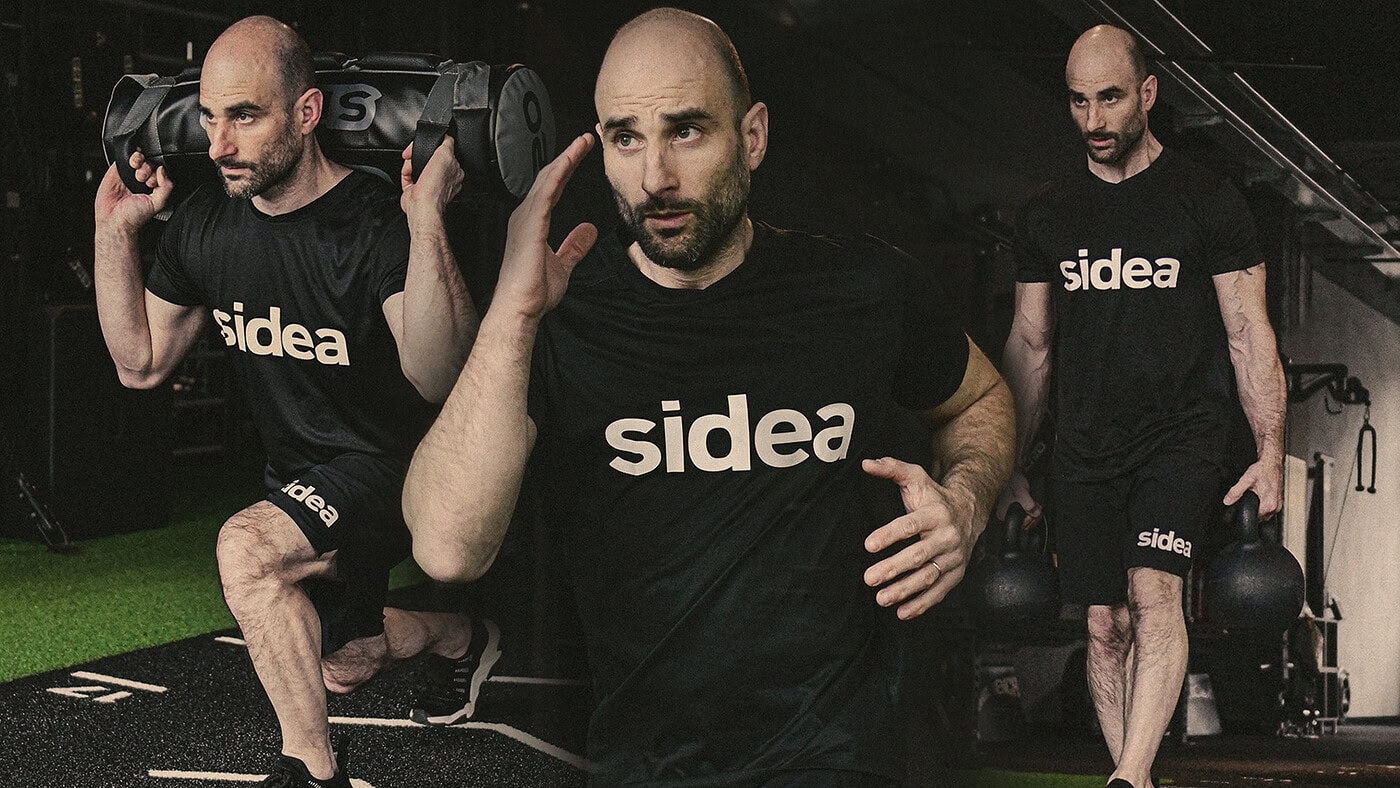
Intra-Race Strategy: Real-Time Fueling Management
HYROX is a dynamic competition. Integration must be surgical, especially in the transitions between running and strength stations.
The Intra-Workout Protocol (Practical Example)
Let us imagine an athlete with a start at 14:00 hours:
- T-45 min (Warm-up): 250 ml water with 15 g cyclodextrins (carbohydrates with a high gastric emptying rate).
- Run Fraction 4 (Post-Sled Pull): First gel (25-30g carbohydrate, ratio Maltodextrin/Fructose 2:1). The Sled Push/Pull has a huge glycolytic cost; reloading here is vital.
- Rowing Fraction 6 (Post-Rowing): Second gel. The rower engages large muscle masses; a glucose booster for the Central Nervous System is needed before lunges (Sandbag Lunges).
- Hydration: Make use of every refreshment point for small sips (100ml) of isotonic solution.
Elite vs. Amateur: Two Engines, Two Approaches
- The Elite Athlete (Target<65min): The race is an extended sprint. Supplementation must be almost exclusively liquid or hydrated gels. The intensity is such that chewing a bar would be impossible due to the high respiratory rate.
- The Amateur Athlete (target >90min): The limiting factor is duration. The amateur must manage hydration (electrolytes) better, as the prolonged sweating rate increases the risk of imbalances leading to cramps and a drop in neuromuscular power.

Female Physiology: Hormones and Hybrid Performance
When it comes to sport, women require specific programming. The menstrual cycle impacts thermoregulation and the use of substrates.
- Follicular phase: High insulin sensitivity; the athlete is more efficient at using carbohydrates.
- Luteal phase: Increase in body temperature and progesterone. As pointed out by Sims et al. (2023), women are more prone to hyponatriemia during this phase. It is essential to increase intra-race sodium intake (approx. +20%) in order to maintain plasma blood volume.
Evidence-Based Integration
Based on the official ISSN positions (Guest et al., 2021):
- Beta-Alanine: 4-6g/day (chronic intake) to increase muscle carnosine and buffer lactic acidosis
- Caffeine: 3-6mg/kg approx. 60 min before start. Improves explosive strength and aerobic endurance.
- Citrulline Malate: 6-8g to promote vasodilation and elimination of ammonia produced during endurance efforts.

Conclusions: More than a Race, a Journey to the Self
Ultimately, HYROX is not just a brutal sequence of running and strength stations. It is an honest confrontation with one's own resilience. Each of us takes to the field with a different goal: the podium for the elite athlete, overcoming a personal limit for the amateur, or simply the desire to feel alive and strong. The purpose of careful physical and nutritional preparation is to ensure that your body lives up to your dreams. The science of nutrition provides the bricks and training the structure, but it is your spirit that drives the machine over the finish line. Remember: every gel taken at the right time, every gram of carbohydrate loaded in the days before and every sip of salts are not just technical gestures. They are acts of self-care, promises you make to your body to allow it to shine when fatigue sets in. Don't just run with your legs; run with the knowledge that you have given your cells everything they need to make you proud of yourself

The speaker: Cristian Barone
“My name is Cristian Barone and my mission is to translate the complexity of biochemistry into concrete results in the field. I am a Registered Biologist Nutritionist and personal trainer with a Master's Degree in Nutrition Sciences with a Master's Degree in Human Nutrition and a Master's Degree in Sports Nutrition.
In my daily practice I don't just draw up food plans or training tables: I integrate these two worlds to build the all-round athlete. I firmly believe that performance, whether elite or amateur, stems from the perfect balance between the science of nutrients and the logic of movement. My goal is to provide every athlete, from amateur to professional, with the biochemical and physical tools to push their limits.”

Essential Bibliography
- Kerksick, C. M., et al. (2018). ISSN exercise & sports nutrition review update. J Int Soc Sports Nutr.
- Guest, N. S., et al. (2021). ISSN position stand: caƯeine and exercise performance. J Int Soc Sports Nutr.
- Sims, S. T., et al. (2023). Nutritional implications for the female athlete. Med Sci Sports Exerc.


Synthetic Grass Flooring
1.052,25€ 3.965,00€Fascia di prezzo: da 1.052,25€ a 3.965,00€ FEES and TAXES NOT INCLUDED
Questo prodotto ha più varianti. Le opzioni possono essere scelte nella pagina del prodotto





Kettlebell Strong Competition & vinyl
30,50€ 358,38€Fascia di prezzo: da 30,50€ a 358,38€ FEES and TAXES NOT INCLUDED
Questo prodotto ha più varianti. Le opzioni possono essere scelte nella pagina del prodotto

HISTORY OF TRAINING: THE SCIENCE OF MOVEMENT
Strength training and its evolution throughout history: from the athletes of ancient Greece to modern [...]
16
Oct
Oct

Hex Bar: what it is, which exercises to do and how to choose the right one
Strength, stability and freedom of movement: find out why the Hex Bar is an interesting alternative to [...]
09
Oct
Oct

Does strength come from the ground? The Military Press and the body’s hidden synergy
Before you can push, you need something to push against. Before force comes support. [...]
29
Sep
Sep

PHA and Jump Sets on the 9089K1 Cable Station: train strength, circulation and muscle density all in one station
PHA and Jump Sets on the 9089K1 Cable Station: build strength, improve microcirculation by increasing [...]
28
Jul
Jul
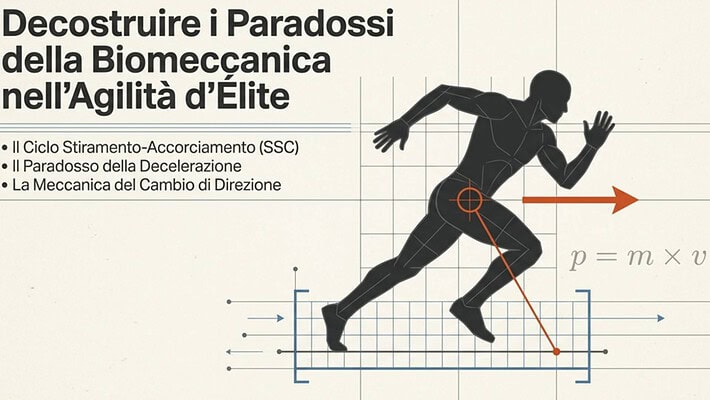
Elite agility: why changing direction isn’t just a matter of strength
Introduction: Agility is not just about being quick on your feet. When we talk about agility, the temptation [...]
30
Jun
Jun

Maximum strength and team sports
When strength becomes performance: Dr Mauro Franzetti’s contribution to the Summit of Strength [...]
26
Jun
Jun
ATHX Games 2026: what it is, how it works and how to prepare for the hybrid competition
The evolution of HYBRID training In recent years, competitive fitness has evolved towards formats that are increasingly [...]
18
Jun
Jun

Definitive Guide to Bumper Plate Selection: How Not to Get Your First Set Wrong and Optimise Performance
The truth that no one tells you? Choosing a bumper disc is not just a matter [...]
29
May
May
 Defibrillator AED
 Gift CardSidea
 Spare parts