










-
×
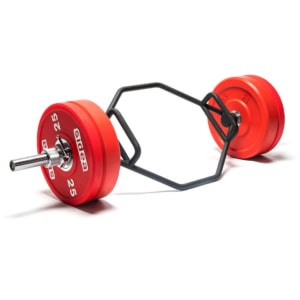
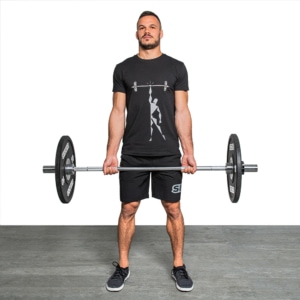
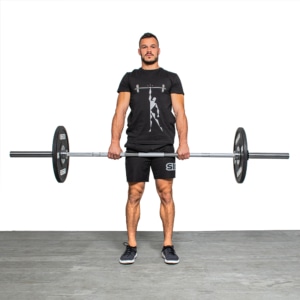
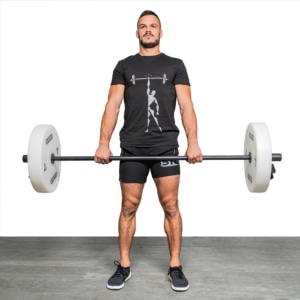
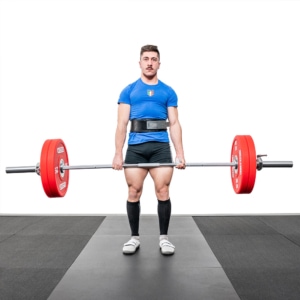
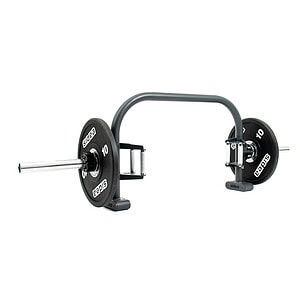 9012/4 OPEN HEX BAR
1 × 297,38€
9012/4 OPEN HEX BAR
1 × 297,38€


Subscribe to our newsletter to receive news, promotions and insights into the world of Sidea



 9012/4 OPEN HEX BAR
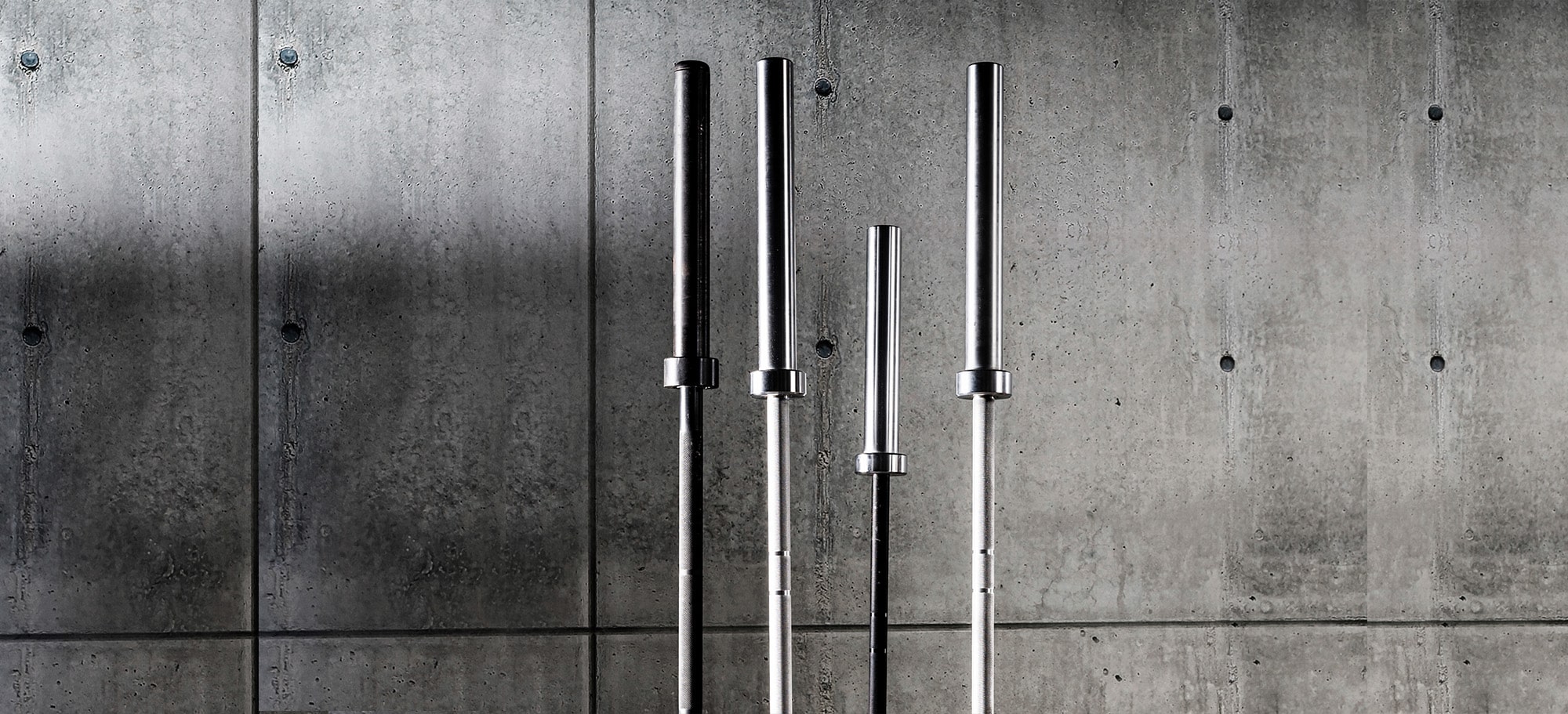
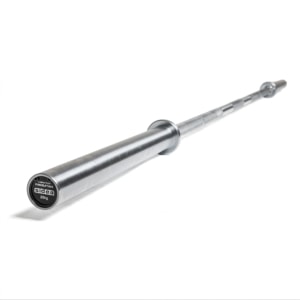
A complete range of barbells for every type of training. Olympic, hybrid and specialised barbells; for weight training, powerlifting, physical culture, cross training. Pre-loaded barbells, hexagonal bars, EZ angled bars and super pump bars also belong to this category.
The SIDEA range includes a wide variety of barbells, divided into three main categories: Olympic, Hybrid and Specialised.
The choice of model depends on the type of training, the exercises performed, the weights used and the technical specifications required.
Barbells designed for Olympic weightlifting and manufactured in accordance with IWF dimensional standards.
The top-of-the-range models are the two PREMIUM barbells, featuring a black-chrome-plated bar:
They are made from high-tensile-strength steel and feature specific design features to withstand tearing, momentum and repeated falls onto the platform. The medium-depth knurling ensures an effective grip, whilst maintaining a good level of comfort even during frequent, high-volume training sessions.
This category also includes the following model, given its size, performance and premium-level build quality:
It is designed for high-rep workouts and to withstand high levels of impact stress, typical of cross-training sessions in which the barbell is subjected to frequent and repeated drops.
The bar is made of steel, finished with a hard chrome plating, and has high tensile strength; it has been selected to ensure the right balance between strength, elasticity and the ability to return to its original shape following dynamic stresses. In addition, specific high-value technical solutions have been incorporated, developed to improve the fatigue resistance of the sleeves, the stability of the internal components and long-term reliability.
The construction, mechanical connections and components are therefore designed to meet the demands of cross-training, where the volume of work, speed of execution, frequent changes in load and repeated drops onto the platform require superior characteristics to those of a traditional Olympic barbell.
TRAINING models:
Both are designed to offer the right balance between performance, build quality and cost. The 9015/4C uses a higher-performance steel than the 9015/8 and features the same internal configuration in the sleeves as the Premium models. The 9015/8 is therefore intended for workouts that do not require particularly high tensile forces. For this reason, its technical data sheet specifies the recommended maximum loads according to the exercise being performed.
These models retain the main features of Olympic barbells, differing in their overall length, which is 185 and 140 cm respectively.
This category includes:
These models retain the main features of Olympic barbells, differing in their overall length, which is 185 and 140 cm respectively.
The shorter bar reduces the overall dimensions and makes the barbells particularly easy to handle and versatile. They are ideal for gyms with limited space, home gyms, group classes and training programmes where the full length of a regulation Olympic barbell is not required.
Specialist barbells are designed to meet specific technical, biomechanical or training-methodological requirements.
Two lightweight barbells designed for learning weightlifting techniques, with a particular focus on the snatch and clean and jerk. The 9014/1 is a technical aluminium barbell, the same size as a women’s Olympic barbell but weighing just 5 kg, whilst the 9015/1, weighing 3.5 kg, is an economical and compact option (168 cm), also suitable for group lessons and training sessions.
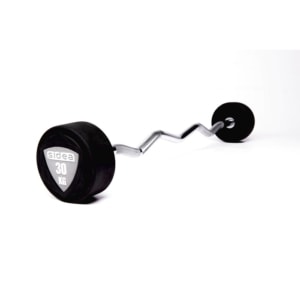
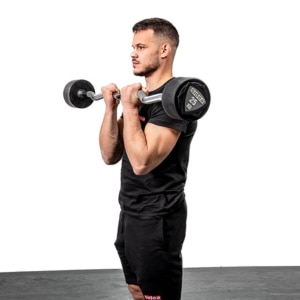
Contoured barbells for bicep and tricep training, with grips designed to reduce stress on the wrists and elbows. The first is a basic, functional model; the second features superior-quality padding and finishes. See the comparison.
A barbell fitted with padding and front handles, useful for those with limited mobility in the shoulders, wrists or elbows, which makes it difficult to use a traditional barbell for squats.
The high level of load control also enhances its versatility, making it suitable for lunges, Bulgarian squats, single-leg exercises, step-ups and other lower-body variations.
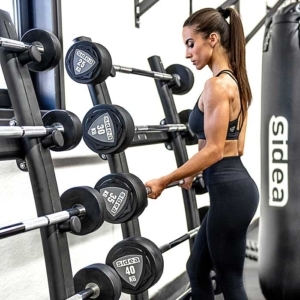
Two complete sets ranging from 10 to 45 kg, each comprising ten barbells. They are a gym training classic thanks to their exceptional ease of use.
They are particularly well suited to stripping, drop sets, supersets and training techniques that involve rapid changes in load and short rest periods.
A specialised barbell fitted with parallel handles, designed for triceps training and to offer alternative grips compared to traditional barbells.
The range includes various versions of the hex bar, designed to meet specific training requirements:
Originally designed for the farmer’s walk, these bars are also suitable for a wide range of carrying, lifting and grip-strengthening exercises.
The main bar, which can be gripped directly for specific grip training exercises, has a diameter of 50 mm, whilst the two dedicated handles have a diameter of 28 mm, closer to that of a standard barbell. Their compact size and high versatility make Farmer Walk Bars particularly suitable for athletic preparation, functional training and, more generally, strength and conditioning programmes.
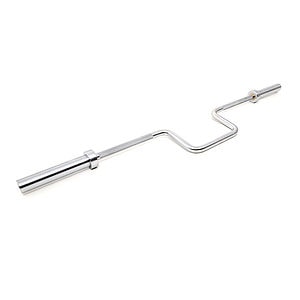
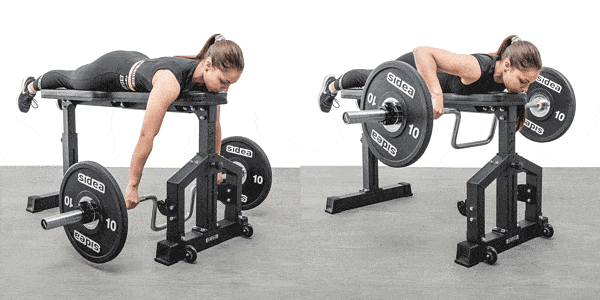
A barbell designed specifically for use on the 9021 Seal Row Bench. The bar’s unique geometry facilitates correct positioning relative to the bench and allows for a more practical, deeper and more effective performance of horizontal pull exercises, such as the seal row, barbell row and barbell row.
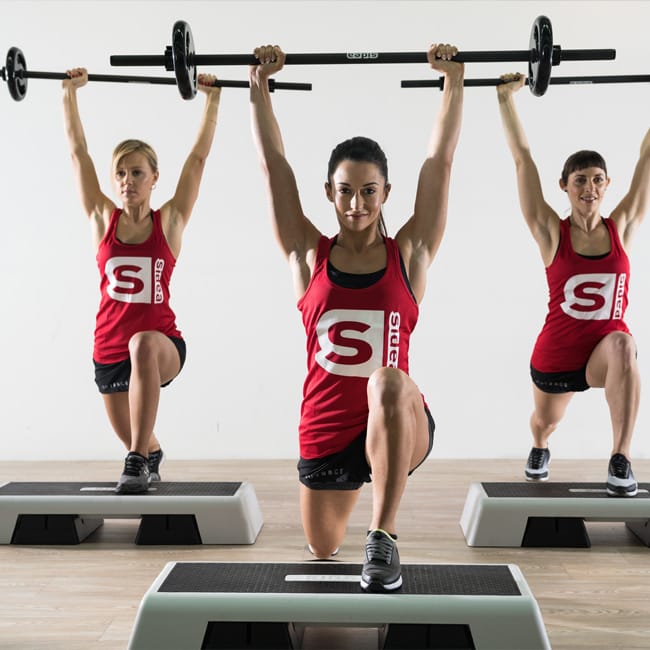
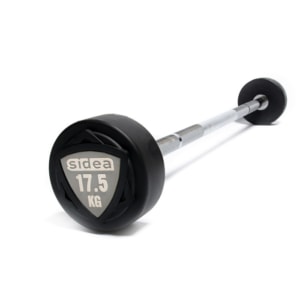
Compact barbells designed for Pump Training, a group activity based on light weights, high repetitions and continuous exercise set to music. Ideal for developing endurance strength, muscle tone and metabolic conditioning through multi-joint sequences led by an instructor.
Barbells designed for Olympic weightlifting and manufactured in accordance with IWF dimensional standards.
The top-of-the-range models are the two PREMIUM barbells, featuring a black-chrome-plated bar:
They are made from high-tensile-strength steel and feature specific design features to withstand tearing, momentum and repeated falls onto the platform. The medium-depth knurling ensures an effective grip, whilst maintaining a good level of comfort even during frequent, high-volume training sessions.
This category also includes the following model, given its size, performance and premium-level build quality:
It is designed for high-rep workouts and to withstand high levels of impact stress, typical of cross-training sessions in which the barbell is subjected to frequent and repeated drops.
The bar is made of steel, finished with a hard chrome plating, and has high tensile strength; it has been selected to ensure the right balance between strength, elasticity and the ability to return to its original shape following dynamic stresses. In addition, specific high-value technical solutions have been incorporated, developed to improve the fatigue resistance of the sleeves, the stability of the internal components and long-term reliability.
The construction, mechanical connections and components are therefore designed to meet the demands of cross-training, where the volume of work, speed of execution, frequent changes in load and repeated drops onto the platform require superior characteristics to those of a traditional Olympic barbell.
The TRAINING models complete the range:
Both are designed to offer the right balance between performance, build quality and cost. The 9015/4C uses a higher-performance steel than the 9015/8 and features the same internal configuration in the sleeves as the Premium models. The 9015/8 is therefore intended for workouts that do not require particularly high tensile forces. For this reason, its technical data sheet specifies the recommended maximum loads according to the exercise being performed.
This category includes:
These models retain the main features of Olympic barbells, differing in their overall length, which is 185 and 140 cm respectively.
The shorter bar reduces the overall dimensions and makes the barbells particularly easy to handle and versatile. They are ideal for gyms with limited space, home gyms, group classes and training programmes where the full length of a regulation Olympic barbell is not required.
Specialist barbells are designed to meet specific technical, biomechanical or training-methodological requirements.
Two lightweight barbells designed for learning weightlifting techniques, with a particular focus on the snatch and clean and jerk. The 9014/1 is a technical aluminium barbell, the same size as a women’s Olympic barbell but weighing just 5 kg, whilst the 9015/1, weighing 3.5 kg, is an economical and compact option (168 cm), also suitable for group lessons and training sessions.
Contoured barbells for bicep and tricep training, with grips designed to reduce stress on the wrists and elbows. The first is a basic, functional model; the second features superior-quality padding and finishes. See the comparison.
A barbell fitted with padding and front handles, useful for those with limited mobility in the shoulders, wrists or elbows, which makes it difficult to use a traditional barbell for squats.
The high level of load control also enhances its versatility, making it suitable for lunges, Bulgarian squats, single-leg exercises, step-ups and other lower-body variations.
Two complete sets ranging from 10 to 45 kg, each comprising ten barbells. They are a gym training classic thanks to their exceptional ease of use.
They are particularly well suited to stripping, drop sets, supersets and training techniques that involve rapid changes in load and short rest periods.
A specialised barbell fitted with parallel handles, designed for triceps training and to offer alternative grips compared to traditional barbells.
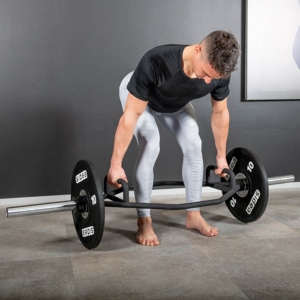
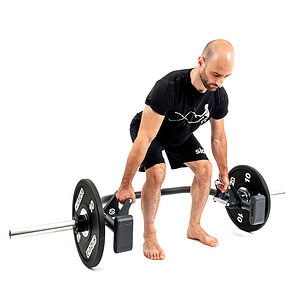
The range includes various versions of the hex bar, designed to meet specific training requirements:
Originally designed for the farmer’s walk, these bars are also suitable for a wide range of carrying, lifting and grip-strengthening exercises.
The main bar, which can be gripped directly for specific grip training exercises, has a diameter of 50 mm, whilst the two dedicated handles have a diameter of 28 mm, closer to that of a standard barbell. Their compact size and high versatility make Farmer Walk Bars particularly suitable for athletic preparation, functional training and, more generally, strength and conditioning programmes.
A barbell designed specifically for use on the 9021 Seal Row Bench. The bar’s unique geometry facilitates correct positioning relative to the bench and allows for a more practical, deeper and more effective performance of horizontal pull exercises, such as the seal row, barbell row and barbell row.
Compact barbells designed for Pump Training, a group activity based on light weights, high repetitions and continuous exercise set to music. Ideal for developing endurance strength, muscle tone and metabolic conditioning through multi-joint sequences led by an instructor.

| WEIGHT | 20 Kg |
|---|---|
| Length | 2200 mm |
| Grip length | 1310 mm |
| diameter of grip part | 28 mm |
| Load adapters (collars) | Rotating |
| equipment | 8 needle roller bearings, 2 bushings |
| clamping system | 4 seeger |
| diameter load adapters | 50 mm |
| length load adapters | 415 mm |
| knurling | Flattened diamond medium |
| centre section bar | Without knurling |
| Marker | 810 mm (Powerlifting) and 910 (Weightlifting) |
| bar surface treatment | Hard Chrome Black |
| steel bar | Special, reclaimed bond |
| Bar tensile strength | Tensile Strength PSI 200,000 |
| static loading capacity | 700 Kg |
| use | Weightlifting |
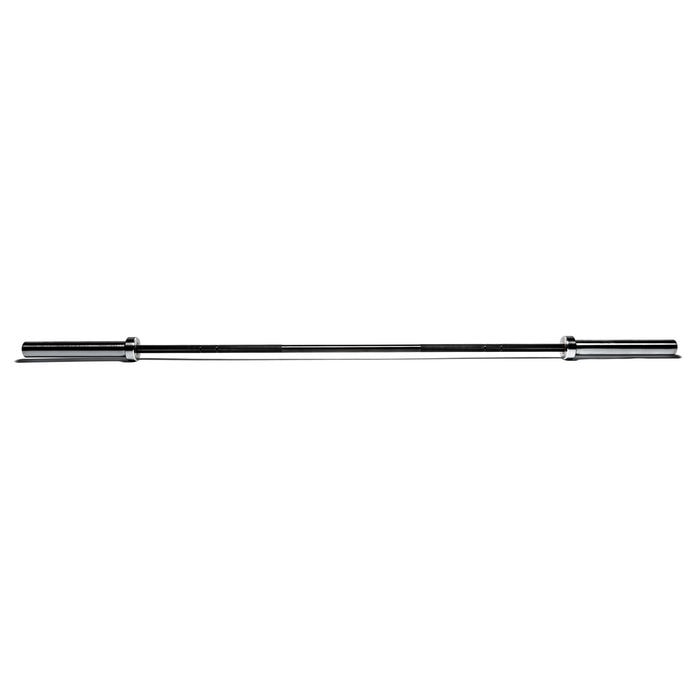
| WEIGHT | 15 Kg |
|---|---|
| Length | 2010 mm |
| Grip length | 1310 mm |
| diameter of grip part | 25 mm |
| Load adapters (collars) | Rotating |
| equipment | 8 needle roller bearings, 2 bushings |
| clamping system | 4 seeger |
| diameter load adapters | 50 mm |
| length load adapters | 320 mm |
| knurling | Flattened diamond medium |
| centre section bar | Without knurling |
| Marker | 810 mm (Powerlifting) and 910 (Weightlifting) |
| bar surface treatment | Hard Chrome Black |
| steel bar | Special, reclaimed bond |
| Bar tensile strength | Tensile Strength PSI 200,000 |
| static loading capacity | 580 Kg |
| use | Weightlifting |
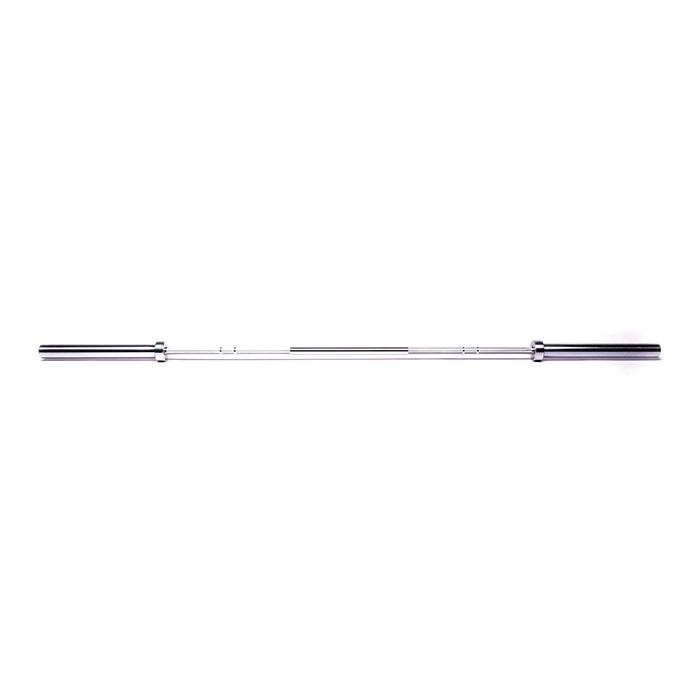
| WEIGHT | 20 Kg |
|---|---|
| Length | 2200 mm |
| Grip length | 1310 mm |
| diameter of grip part | 28 mm |
| Load adapters (collars) | Rotating |
| equipment | 8 needle roller bearings, 2 bushings |
| clamping system | 4 seeger |
| diameter load adapters | 50 mm |
| length load adapters | 415 mm |
| knurling | Flattened diamond medium |
| centre section bar | Without knurling |
| Marker | 810 mm (Powerlifting) and 910 (Weightlifting) |
| bar surface treatment | Hard Chrome |
| steel bar | Special, reclaimed bond |
| Bar tensile strength | Tensile Strength PSI 200,000 |
| static loading capacity | 700 Kg |
| use | Weightlifting / Multi-purpose |
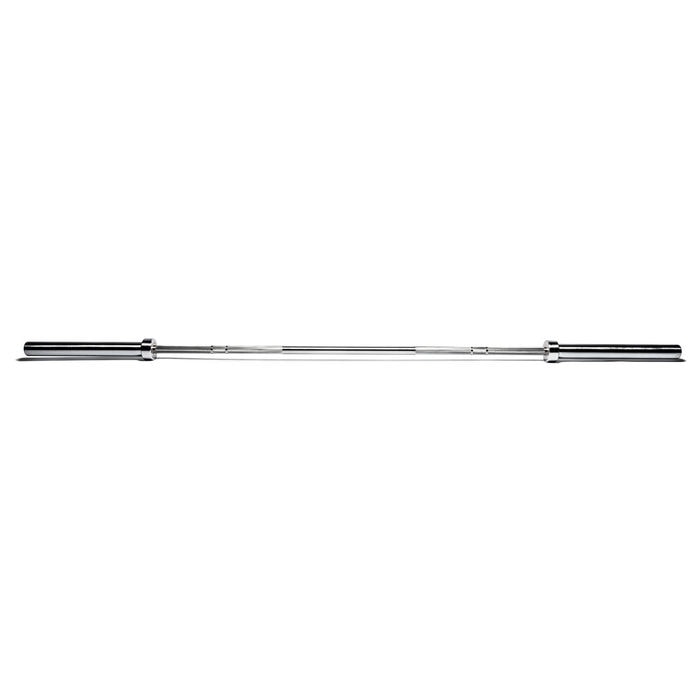
| WEIGHT | 20 Kg |
|---|---|
| Length | 2200 mm |
| Grip length | 1310 mm |
| diameter of grip part | 28 mm |
| Load adapters (collars) | Rotating |
| equipment | 4 needle roller bearings, 2 bushings |
| clamping system | 4 seeger |
| diameter load adapters | 50 mm |
| length load adapters | 410 mm |
| knurling | Flattened diamond medium |
| centre section bar | Without knurling |
| Marker | 810 mm (Powerlifting) and 910 (Weightlifting) |
| bar surface treatment | Hard Chrome |
| steel bar | Special |
| Bar tensile strength | Tensile Strength PSI 132,000 |
| static loading capacity | 300 kg |
| indicative maximum load | Deadlift: 180 Kg Squat150 kg Snatch/Clean & Jerk: 100 Kg |
| use | Multi-purpose |
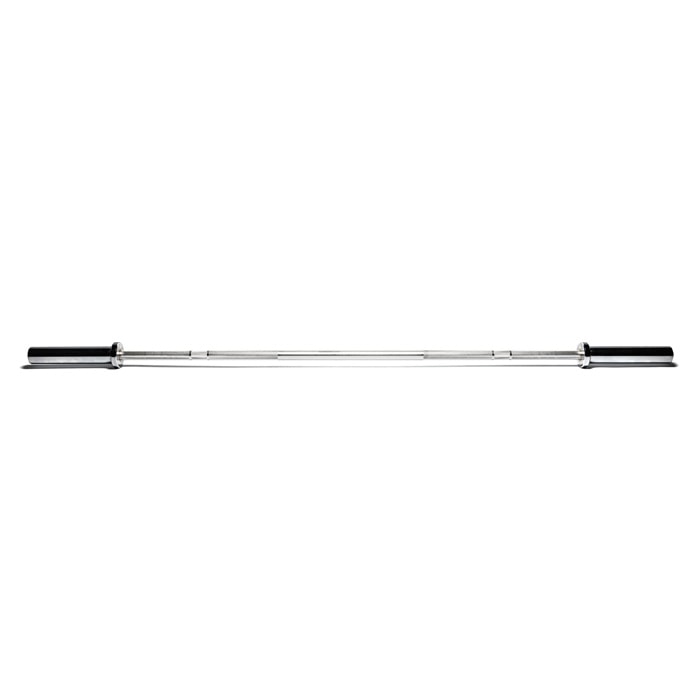
| WEIGHT | 14 Kg |
|---|---|
| Length | 1850 mm |
| Grip length | 1280 mm |
| diameter of grip part | 28 mm |
| Load adapters (collars) | Rotating |
| equipment | 4 needle roller bearings, 2 bushings |
| clamping system | 4 seeger |
| diameter load adapters | 50 mm |
| length load adapters | 250 mm |
| knurling | Flattened diamond medium |
| centre section bar | Without knurling |
| Marker | 810 mm (Powerlifting) and 910 (Weightlifting) |
| bar surface treatment | Hard Chrome |
| steel bar | Special |
| Bar tensile strength | Tensile Strength PSI 132,000 |
| static loading capacity | 300 kg |
| indicative maximum load | Deadlift: 180 Kg Squat150 kg Snatch/Clean & Jerk: 100 Kg |
| use | Multi-purpose |
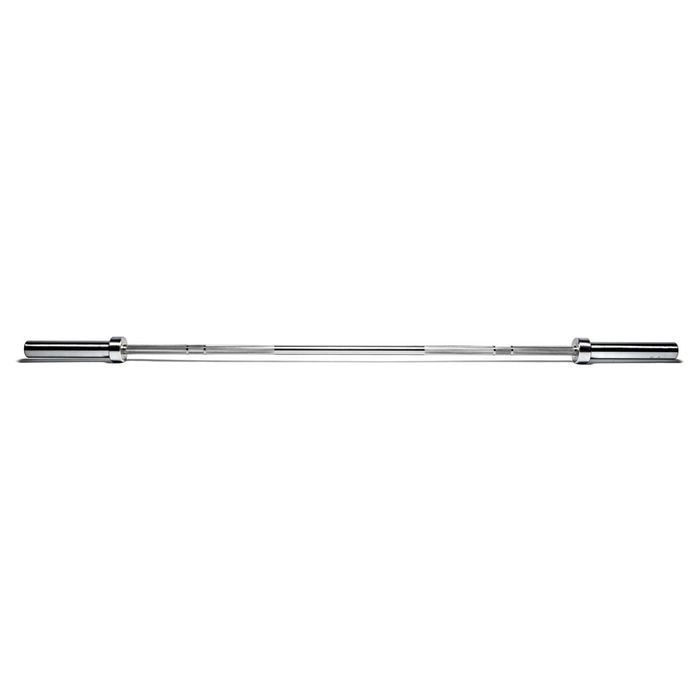
| WEIGHT | 10 Kg |
|---|---|
| Length | 1400 mm |
| Grip length | 1003 mm |
| diameter of grip part | 28 mm |
| Load adapters (collars) | Rotating |
| equipment | 4 needle roller bearings, 2 bushings |
| clamping system | 4 seeger |
| diameter load adapters | 50 mm |
| length load adapters | 165 mm |
| knurling | Flattened diamond medium |
| centre section bar | Without knurling |
| Marker | 810 mm (Powerlifting) |
| bar surface treatment | Hard Chrome |
| steel bar | Special |
| Bar tensile strength | Tensile Strength PSI 132,000 |
| static loading capacity | 300 kg |
| indicative maximum load | Deadlift: 180 Kg Squat150 kg Snatch/Clean & Jerk: 100 Kg |
| use | Multi-purpose |
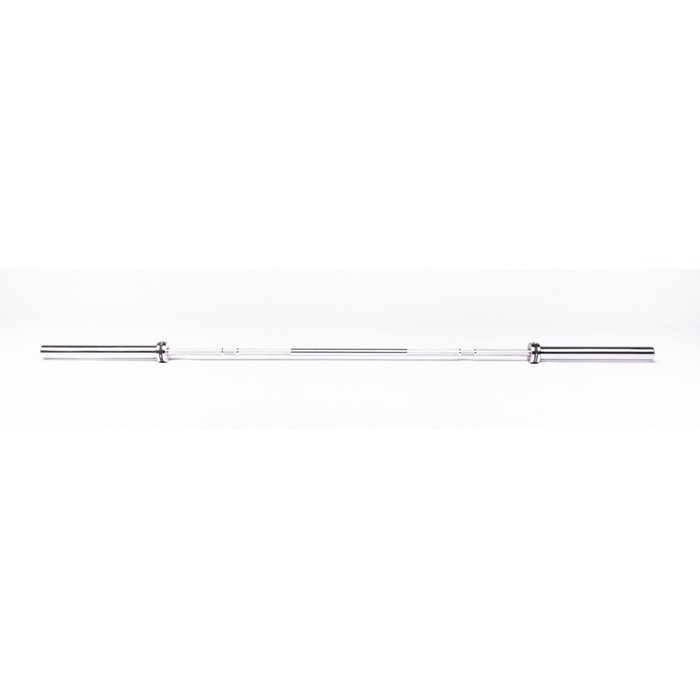
| WEIGHT | 20 Kg |
|---|---|
| Length | 2200 mm |
| Grip length | 1310 mm |
| diameter of grip part | 28 mm |
| Load adapters (collars) | Rotating |
| equipment | 4 needle roller bearings, 4 ball bearings, 2 bushings |
| clamping system | 4 seeger |
| diameter load adapters | 50 mm |
| length load adapters | 410 mm |
| knurling | Volcano Media |
| centre section bar | Without knurling |
| Marker | 810 mm (Powerlifting) and 910 (Weightlifting) |
| bar surface treatment | Hard Chrome |
| steel bar | Special, reclaimed bond |
| Bar tensile strength | Tensile Strength PSI 242,350 |
| static loading capacity | 1000 Kg |
| use | Cross training / Weightlifting |
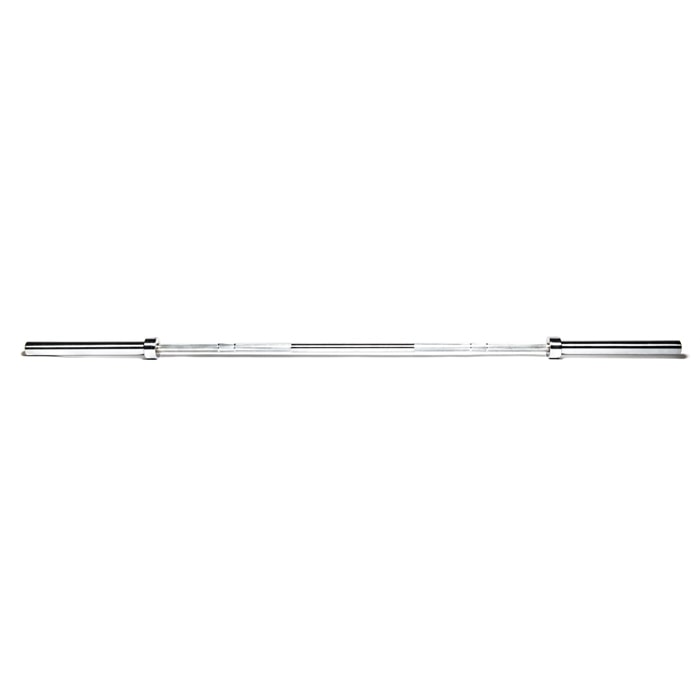
| WEIGHT | 20 Kg |
|---|---|
| Length | 2208 mm |
| Grip length | 1329 mm |
| diameter of grip part | 32 mm |
| Load adapters (collars) | Rotating |
| equipment | 2 needle roller bearings, 4 ball bearings, 2 bushings |
| clamping system | 4 seeger |
| diameter load adapters | 50 mm |
| length load adapters | 410 mm |
| knurling | Media |
| centre section bar | With knurling 20 cm |
| Marker | 810 mm (Powerlifting) and 910 mm (Weightlifting) |
| bar surface treatment | Hard Chrome |
| steel bar | Special, reclaimed bond |
| Bar tensile strength | Tensile Strength PSI 70,000 |
| static loading capacity | 650 Kg |
| indicative maximum load | Deadlift: 300 Kg Squat250 Kg Snatch/Clean & Jerk200 kg |
| use | Powerlifting |
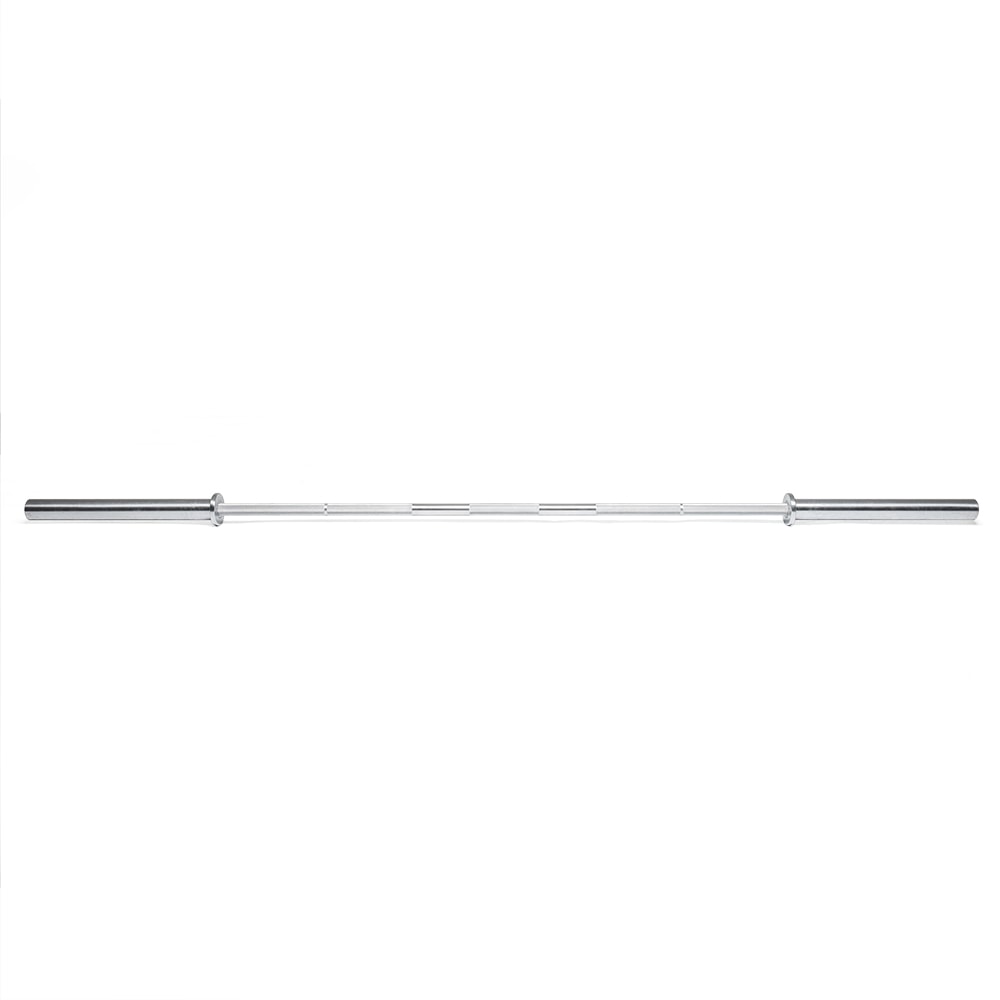
| WEIGHT | 20 Kg |
| LENGTH | 2200 mm |
| GRIP LENGTH | 1310 mm |
| DIAMETER OF GRIP PART | 29 mm |
| LOAD ADAPTERS (COLLARS) | Rotating (disc stop collars 12 mm) |
| EQUIPMENT | 4 bushings |
| CLAMPING SYSTEM | 4 seeger |
| DIAMETER LOAD ADAPTERS | 50 mm |
| LENGTH LOAD ADAPTERS | 433 mm |
| ZIGRINKING | Deep volcano, crossed 30° |
| CENTRE SECTION BAR | knurling |
| MARKER | 810 mm |
| BAR SURFACE TREATMENT | Hard Chrome |
| STEEL BAR | Special, reclaimed bond |
| BAR TENSILE STRENGTH | Tensile Strength PSI 242,350 |
| STATIC LOADING CAPACITY | 2000 Kg |
| USE | Powerlifting |
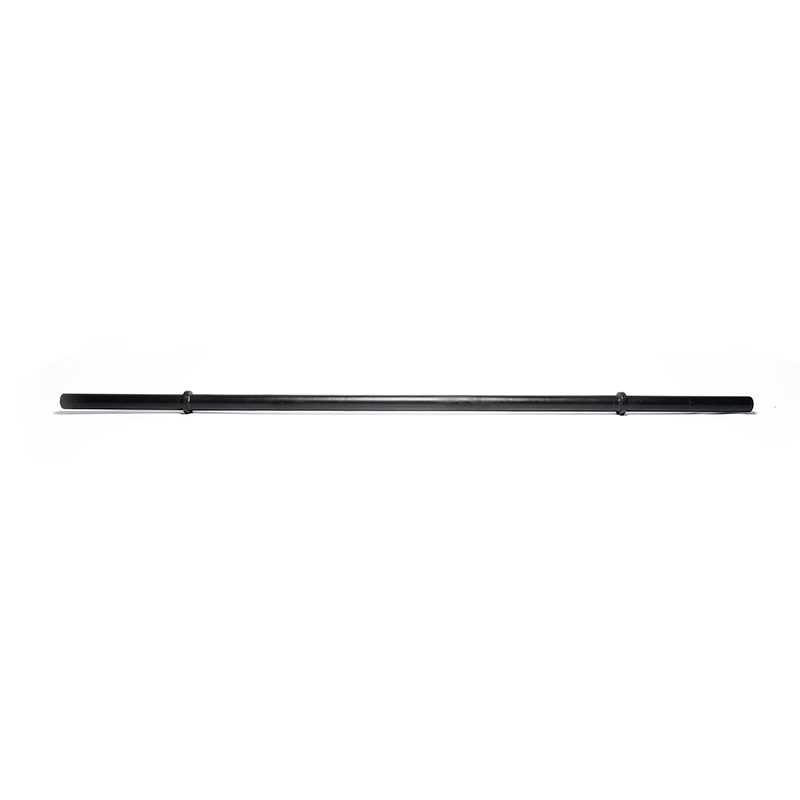
| WEIGHT | 20 Kg |
|---|---|
| Length | 2120 mm |
| Grip length | 1310 mm |
| diameter of grip part | 50 mm |
| Load adapters (collars) | Non-rotating |
| diameter load adapters | 50 mm |
| length load adapters | 390 mm |
| knurling | No |
| Marker | No |
| bar surface treatment | Micaceous paint |
| steel bar | Standard |
| static loading capacity | 300 kg |
| use | Athletic training, Powerlifting |
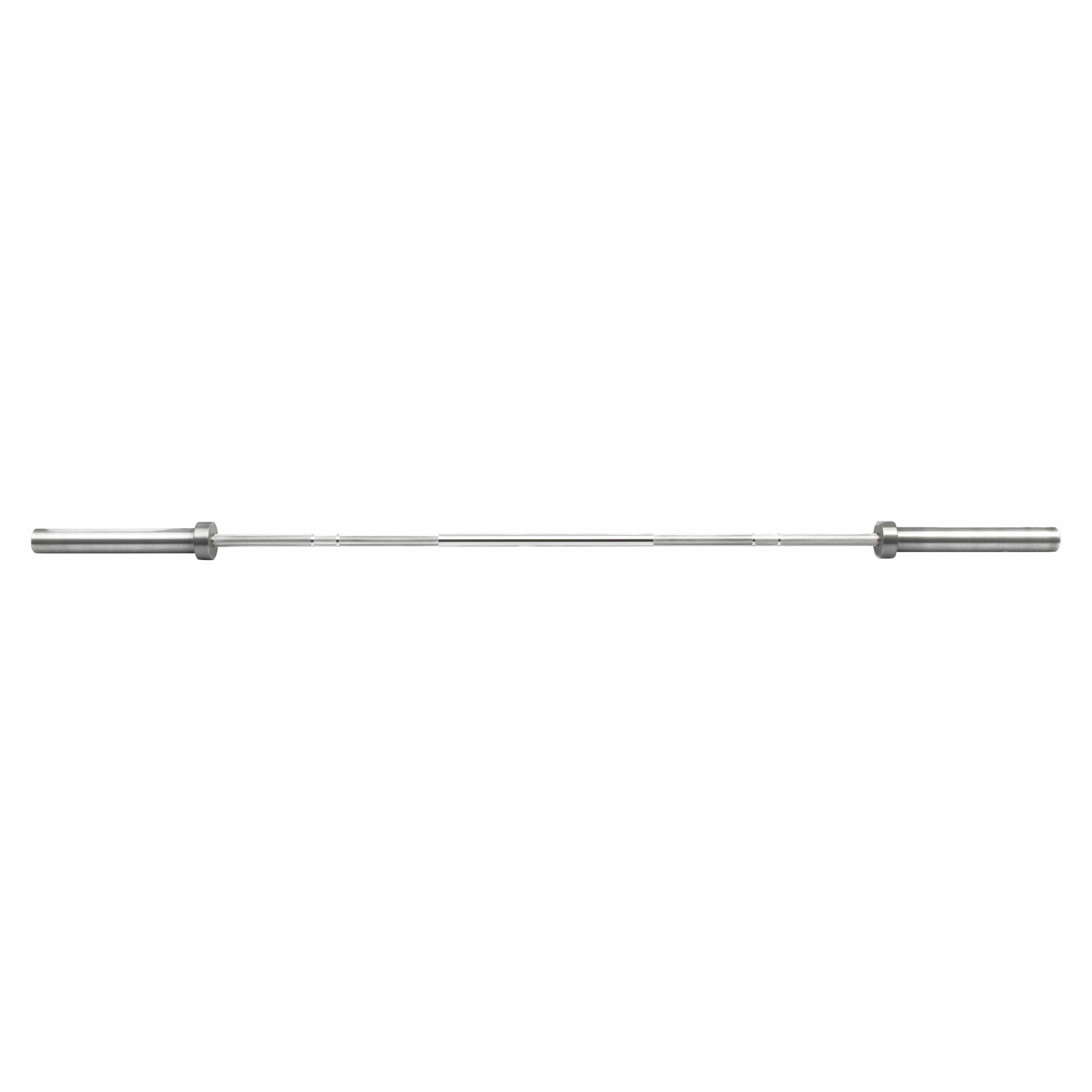
| WEIGHT | 5 Kg |
|---|---|
| Length | 2010 mm |
| Grip length | 1310 mm |
| diameter of grip part | 25 mm |
| Load adapters (collars) | Rotating |
| equipment | 4 nylon bushings |
| clamping system | 4 seeger |
| diameter load adapters | 50 mm |
| length load adapters | 320 mm |
| knurling | Media |
| centre section bar | Without knurling |
| Marker | 810 mm (Powerlifting) and 910 (Weightlifting) |
| bar | Aluminium |
| static loading capacity | 100 Kg |
| indicative maximum load | 75 kg |
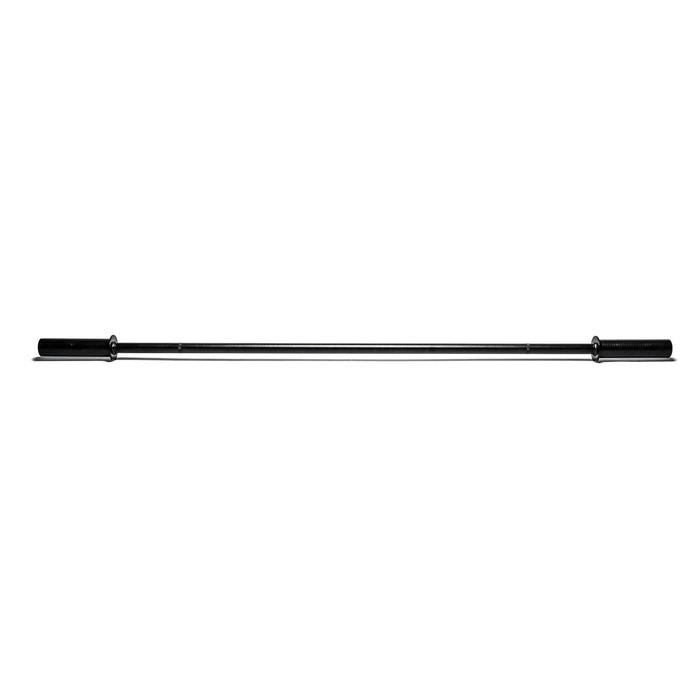
| WEIGHT | 3.5 Kg |
|---|---|
| Length | 1680 mm |
| Grip length | 1280 mm |
| diameter of grip part | 28 mm |
| Load adapters (collars) | Fixed |
| diameter load adapters | 50 mm |
| length load adapters | 195 mm |
| knurling | No |
| Marker | 910 mm (Weightlifting) |
| bar | Steel |
| static loading capacity | 100 Kg |
| indicative maximum load | Deadlift: 50 Kg Squat: 30 Kg Snatch/Clean & Jerk40 kg |
| use | Weightlifting - No tight grip, no drop |
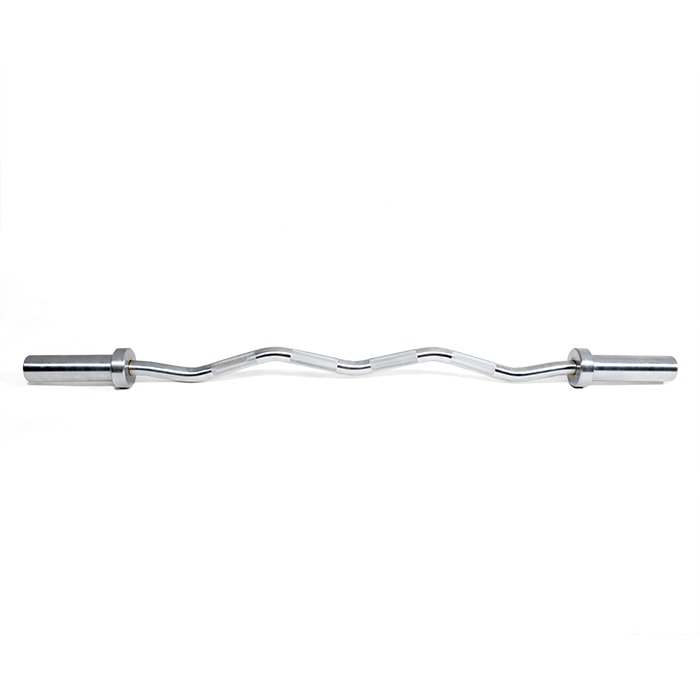
| WEIGHT | 9 Kg |
|---|---|
| Length | 1205 mm |
| diameter of grip part | 28 mm |
| Load adapters (collars) | Rotating |
| equipment | 2 bearings, 2 bushings |
| clamping system | Seeger |
| diameter load adapters | 50 mm |
| length load adapters | 165 mm |
| knurling | Media |
| bar surface treatment | Hard Chrome |
| steel bar | Standard |
| static loading capacity | 300 kg |
| use | Physical culture |
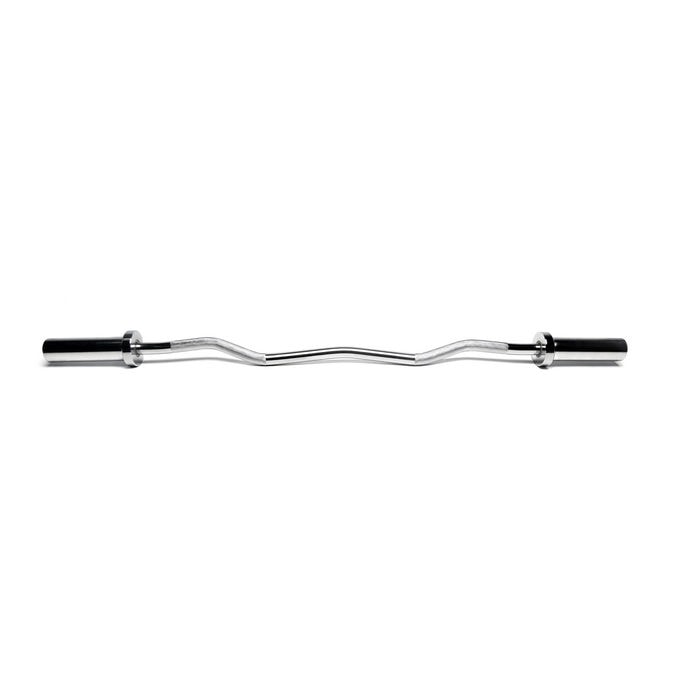
| WEIGHT | 9 Kg (tolerance 3%) |
|---|---|
| Length | 1200 mm |
| diameter of grip part | 28 mm |
| Load adapters (collars) | Rotating and floating |
| equipment | 4 bushings |
| clamping system | Bolt |
| diameter load adapters | 50 mm |
| length load adapters | 165 mm |
| knurling | Media |
| bar surface treatment | Chrome |
| steel bar | Standard |
| static loading capacity | 300 kg |
| use | Physical culture |
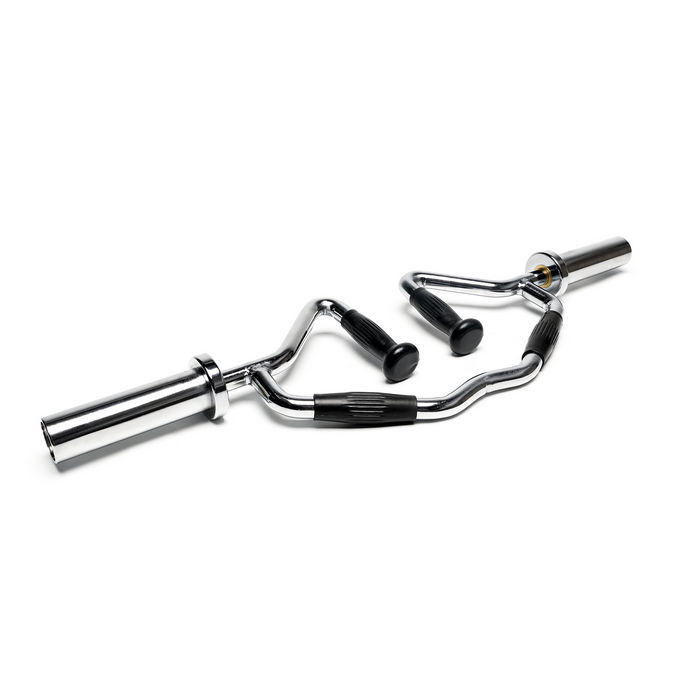
| WEIGHT | 9 Kg |
|---|---|
| Length | 915 mm |
| diameter rubberized handles | 35 mm |
| diameter load adapters | 50 mm |
| length load adapters | 170 mm |
| bar surface treatment | Chrome |
| steel bar | Standard |
| use | Physical culture |
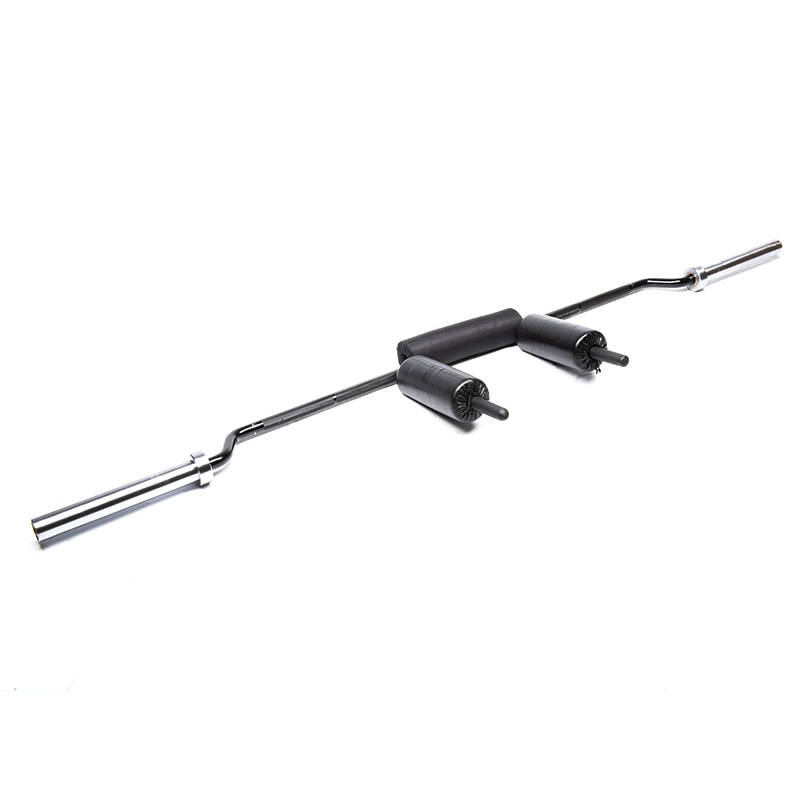
| WEIGHT | 24 Kg |
|---|---|
| Length | 2270 mm |
| Grip length | 1300 mm |
| diameter of grip part | 30 mm |
| distance between handles | 400 mm |
| Load adapters (collars) | Rotating, equipped with bearings |
| diameter load adapters | 50 mm |
| knurling | Media |
| Marker | 810 mm (Powerlifting) |
| bar surface treatment | Hard Chrome, painted black |
| static loading capacity | 300 kg |
| use | Training |

| WEIGHT | 31 Kg |
|---|---|
| Total length | 1750 mm |
| diameter load adapters | 50 mm |
| length load adapters | 400 mm |
| Handle diameter | 28 mm |
| bar surface treatment | Painted black |
| surface treatment adapters | Hard Chrome |
| static loading capacity | 600 kg |

| WEIGHT | 28 Kg |
|---|---|
| Total length | 1900 mm |
| diameter load adapters | 26 / 50 mm |
| length load adapters | 400 mm |
| Handle diameter | 25 / 38 / 50 mm |
| bar surface treatment | Painted black |
| surface treatment adapters | Hard Chrome |
| static loading capacity | 600 kg |

| WEIGHT | 28.5 Kg |
|---|---|
| Total length | 1590 mm |
| diameter load adapters | 50 mm |
| length load adapters | 330 mm |
| Handle diameter | 28 mm |
| bar surface treatment | Nickel-phosphorus alloy |
| static loading capacity | 400 Kg |
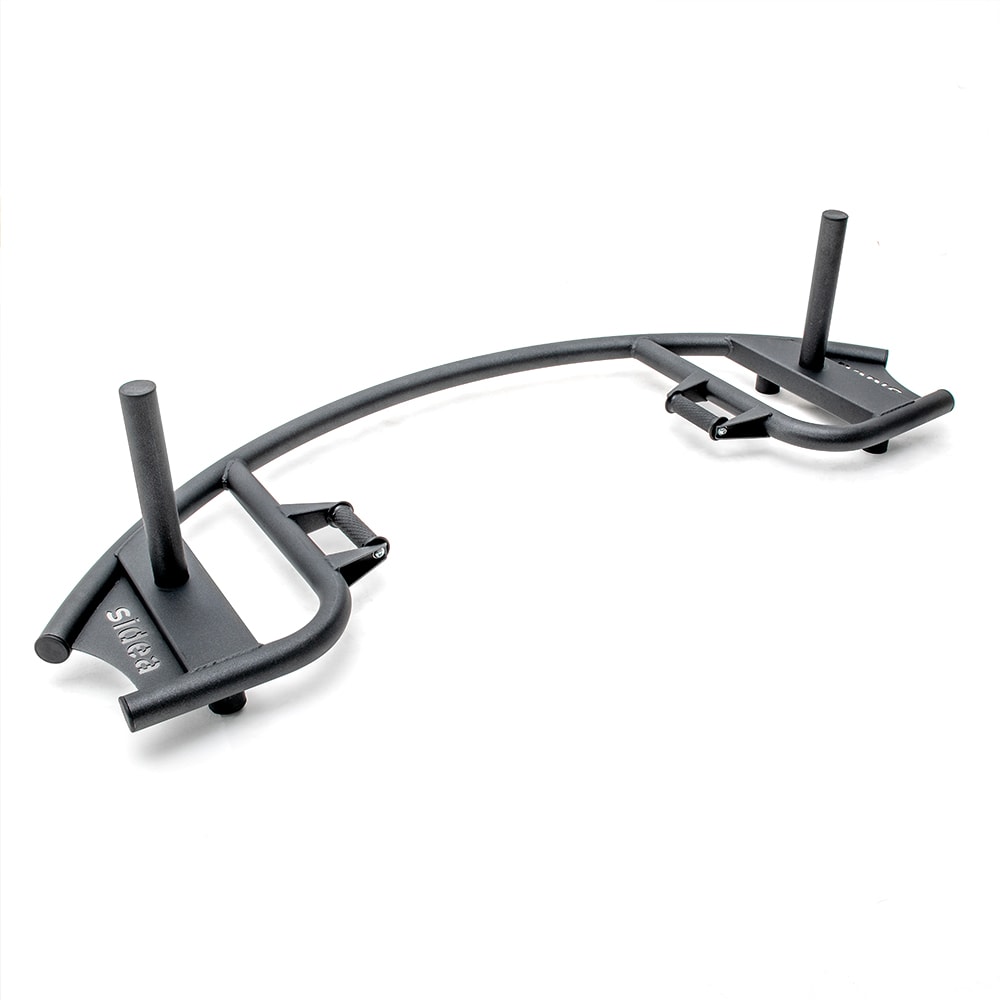
| WEIGHT | 20 Kg |
|---|---|
| Total length | 1720 mm |
| diameter load adapters | 50 mm |
| length load adapters | 300 mm |
| Rubberized handle diameter | 35 mm |
| static loading capacity | 600 kg |
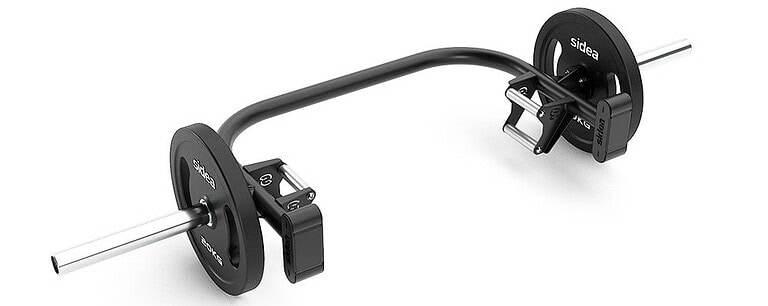
| WEIGHT | 21.9 kg |
|---|---|
| Total length | 1862 mm |
| diameter load adapters | 50 mm |
| length load adapters | 400 mm |
| Rubberized handle diameter | 29 mm |
| static loading capacity | 600 kg |
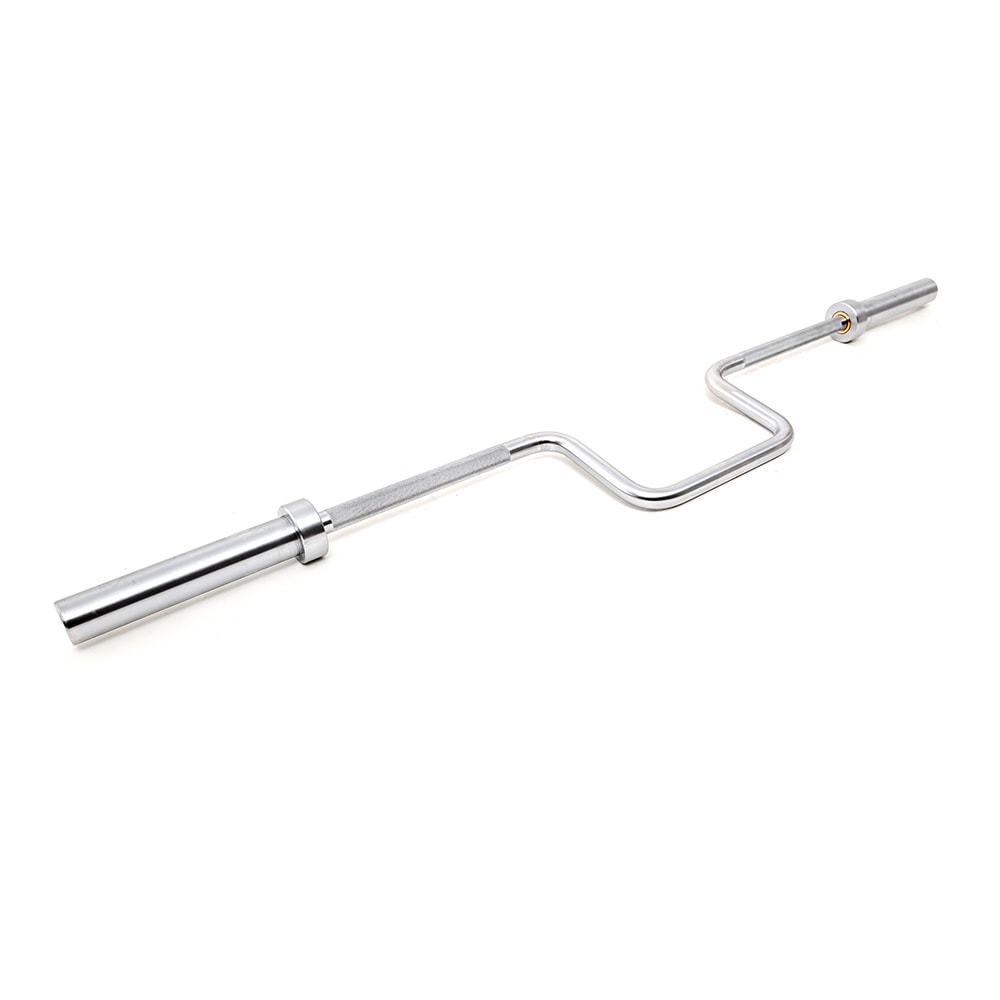
| WEIGHT | 15 Kg |
|---|---|
| Total length | 1600 mm |
| diameter load adapters | 50 mm |
| length load adapters | 255 mm |
| Handle diameter | 28 mm |
| static loading capacity | 300 kg |

| WEIGHT | 2 Kg |
|---|---|
| Total length | 1320 mm |
| diameter load adapters | 28 mm |
| length load adapters | 210 mm |
| Handle diameter | 35 mm |
| static loading capacity | 50 Kg |
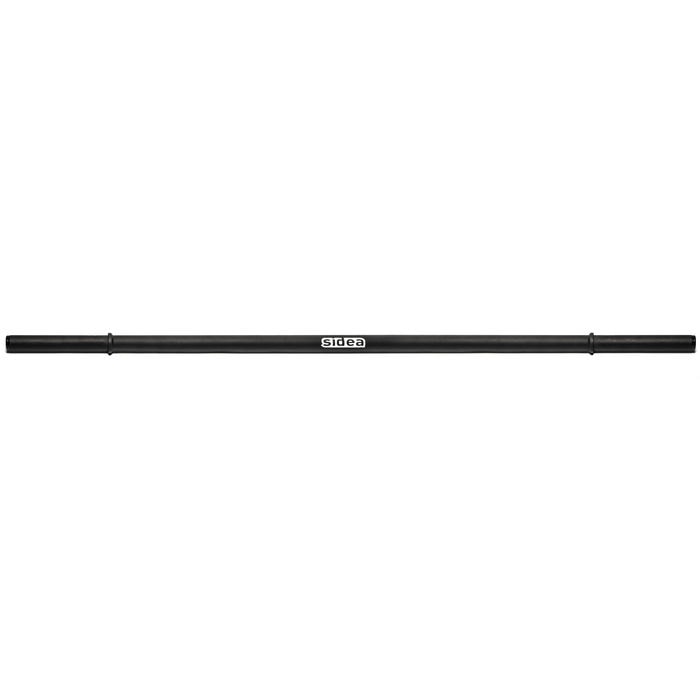
| WEIGHT | 1.5 Kg |
|---|---|
| Total length | 1320 mm |
| diameter load adapters | 28 mm |
| length load adapters | 210 mm |
| Handle diameter | 28 mm |
| static loading capacity | 50 Kg |
Showing 1–18 of 34 results
The barbell is the cornerstone of any structured strength programme: from Olympic weightlifting to powerlifting, from CrossFit to athletic conditioning, choosing the right barbell determines the quality of the movement and your progress over time.
Olympic competition and training barbells for the snatch, clean & jerk, squat and bench press
Speciality bars: hex bar, safety squat bar, seal row bar, multi-grip bar for biomechanically specific variations
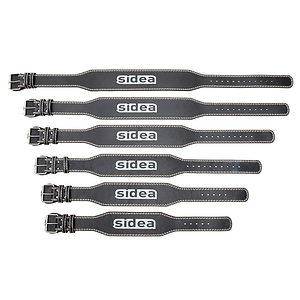
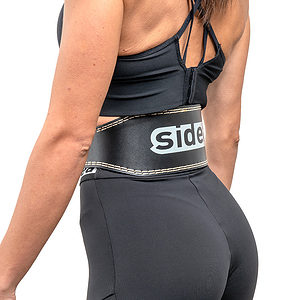
Barbell accessories: adjustable jerk blocks, belts, brushes, Viking handles and T-handles
Accessories for Barbells
Weightlifting/Powerlifting barbells
Weightlifting/Powerlifting barbells
Weightlifting/Powerlifting barbells
Weightlifting/Powerlifting barbells
Weightlifting/Powerlifting barbells
Weightlifting/Powerlifting barbells
Weightlifting/Powerlifting barbells
Weightlifting/Powerlifting barbells
Weightlifting/Powerlifting barbells
Weightlifting/Powerlifting barbells
Weightlifting/Powerlifting barbells
Weightlifting/Powerlifting barbells
Weightlifting/Powerlifting barbells
Weightlifting/Powerlifting barbells
The term barbell — barbell — encompasses a family of equipment that is far more diverse than it appears. There is no single universal barbell: there are barbells designed for high-speed ballistic movements, barbells engineered to withstand maximum loads during squats, and specialist bars conceived to address specific biomechanical issues or to add functional variations to a programme. The Sidea range covers this entire spectrum, from Olympic barbells for daily training right through to more technical pieces of equipment such as the seal row bar or the multi-grip bar, including hex bars in various shapes and a set of accessories designed for those who train seriously with the barbell every day.
Those who coach Olympic weightlifters or powerlifters have specific requirements: a rigid shaft for pull-ups, controlled ‘whip’ for ballistic movements, and finishes that can withstand hundreds of drops a week. The 29mm competition barbell and the Olympic barbell for CrossFit meet these standards. CrossFit boxes, in particular, require barbells that can withstand repeated drops onto bumper plates without the ends becoming deformed: the durability of the sleeves and the quality of the ball bearings are non-negotiable factors in that context.
A fitness coach working with team sports or winter sports takes a different approach: they look for variations that alter the position of the load in relation to the centre of gravity. The <a href=







 Defibrillator AED
 Gift CardSidea
 Spare parts