



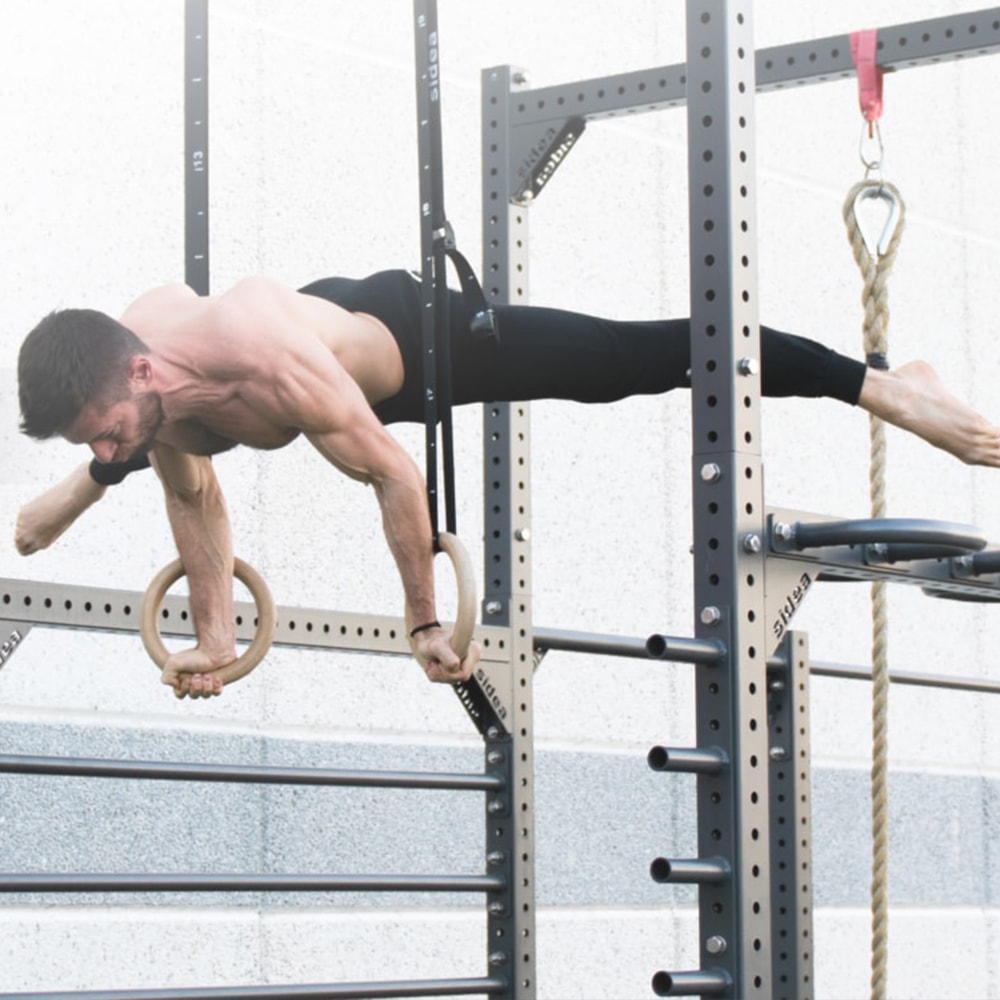

The weighted vest adds resistance to body weight without altering the mechanics of movement: useful in athletic training, calisthenics, functional training and suspension exercises.
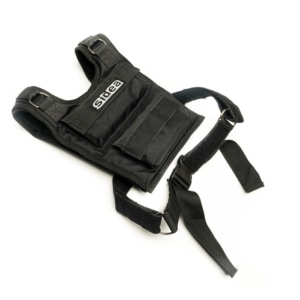
Modular loads that can be inserted into and removed from the integrated pockets
Models ranging from 5 kg with gel (compact design) up to 38 kg for advanced use
Suitable for running, pull-ups, dips, planks, weighted walking and HIIT workouts
Weighted Vest: the Sidea selection
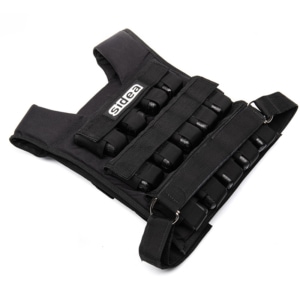
A weighted vest is a piece of equipment that distributes additional weight across the torso, increasing the gravitational load on every movement the body performs. Unlike free weights, the weight remains attached to the athlete’s body: this means that they can run, jump, do pull-ups or walk whilst carrying a load that does not compromise their posture or the trajectory of their movement. The Sidea range of weighted vests and jackets It comprises three models with different load capacities and physical characteristics, designed to cater for a range of applications from strength training to advanced conditioning.
Who is the Weighted Vest for?
Its range of applications is wider than one might think. Fitness coaches working with team sports or martial arts athletes use it to increase the intensity of power training without adding unwanted muscle mass: sprints with a weighted vest, box jumps, high-intensity circuit training. The progression in load remains controlled and reversible, one weight at a time.
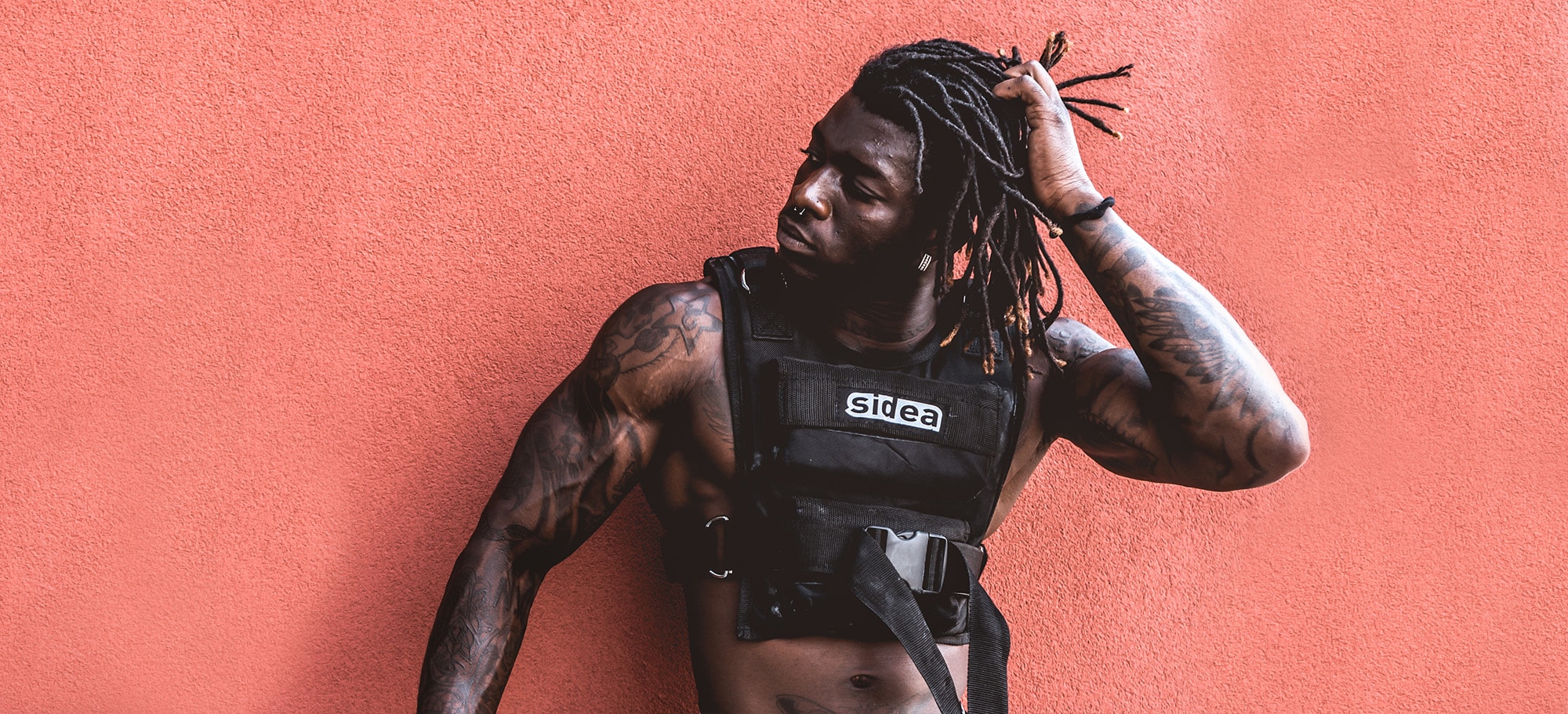
In calisthenics, the weighted vest is the primary tool for increasing the load during pull-ups, dips, muscle-ups and planche variations. Anyone who trains using their own body weight knows that the natural progression of bodyweight exercises eventually reaches a plateau: adding 5, 10 or 20 kg to your body weight allows you to continue building muscle and strength without necessarily having to switch to free weights.
In the exercises for suspension, the vest increases the stabilising demands on the core and shoulder stabilisers. In this context, even low loads — 5 or 10 kg — have a significant effect. The gel model is designed specifically for those who prefer to use it whilst on the move or during dynamic exercises where comfort is key.
Personal trainers working in a gym or CrossFit box will find the vest a versatile tool for adjusting the intensity of WODs: rather than increasing the volume, it allows them to increase the base resistance whilst maintaining the same movement pattern. It is also a popular piece of equipment in functional rehabilitation settings, where the progressive load must be precise and evenly distributed.
How to Choose a Weighted Vest
The first criterion is the maximum load capacity and the ability to adjust the weight. A 38 kg vest with 1–2 kg increments per pocket allows for fine-tuned progression over time — this is the right model for those planning a medium- to long-term bodyweight training programme. A 15 kg vest covers the mid-range: sufficient for most calisthenics and conditioning applications, without the physical bulk of a high-capacity model.
The 5 kg model with gel inserts has different characteristics: the gel distributes the weight more gently than sand or cast-iron bags, reduces localised pressure points and is better suited to prolonged sessions — such as weighted walking (rucking) programmes, circuit training where the vest is worn for 30–60 minutes, or use during high-impact exercises where the bouncing of the weights can become uncomfortable.
Fit is a factor that is often underestimated. A vest that shifts from side to side or bounces whilst running turns the load from an aid into a hindrance. It is essential to check the adjustability of the side straps and the front-to-back weight distribution, particularly for athletes with unusual body shapes or for female athletes who require a fit better suited to the female form.
Finally, consider the context of use: for the strong fitness training and relative strength protocols, the high-capacity model is preferred. For the functional training For general use, the 15 kg version often strikes the perfect balance between practicality and progression.
Sidea Products for Weighted Vests
The Sidea range comprises three models designed to meet different needs and intensity levels:
- 5 kg Gel-Padded Weighted Vest (SKU 1795) — The entry-level, comfort-focused model. The gel inserts ensure a soft feel and a more even distribution of weight compared to traditional inserts. Suitable for those new to bodyweight training, for suspension exercises, for rucking sessions or for situations where the vest is worn continuously for long periods. Classified as a new product in the Sidea range.
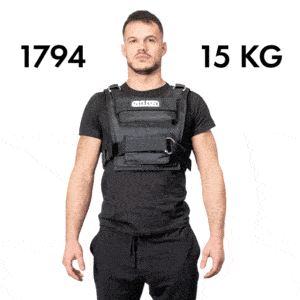
- 15 kg Weighted Vest (SKU 1794) — The intermediate model, the most versatile in the range. It covers the most commonly used weight range in progressive calisthenics protocols and conditioning. The modular weight system allows you to start with just a few kg and gradually increase up to the maximum. Suitable for weighted pull-ups, dips, short sprints and HIIT circuits.
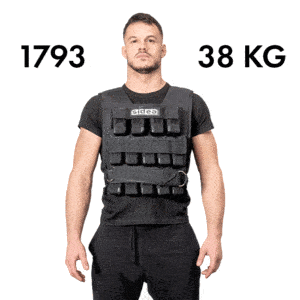
- 38 kg Weighted Vest (SKU 1793) — The professional, high-capacity model. Designed for advanced athletes who use bodyweight as their primary tool for progressing in relative strength. When fully loaded, this vest transforms any bodyweight exercise into a maximal strength stimulus. It requires a solid athletic foundation and a gradual increase in load.
Why choose Sidea
Sidea has been supplying professional fitness equipment since 1999, with a range selected on the basis of durability, functionality and alignment with real-world training protocols. The weighted vests form part of the Strong Fitness Training range, designed for conditioning professionals and athletic trainers who require equipment that remains reliable over time. The Sidea technical team is on hand to recommend the most suitable model based on the context of use, athletic level and the objectives of the training programme.
Domande frequenti - Gilet Zavorrato
-
It depends on the model and the load used. For running, we recommend moderate loads — generally between 5% and 10% of body weight — so as not to alter the kinematics of the stride or overload the tendons. The 5 kg gel-filled model is best suited to running thanks to its smooth load distribution. High-capacity models are more suitable for low-impact exercises such as weighted walking, pull-ups or gym workouts.
-
The standard progression involves mastering a bodyweight exercise with at least 3–5 repetitions to spare compared to the target, then adding the minimum available load (1–2 kg) and restarting the progression. Accumulation cycles using a weighted vest are planned over 4–8 weeks. The 15 kg model with fine increments allows for precise management of the progression, avoiding excessive load increases between sessions.
-
Gel insoles distribute pressure over a wider area than sand or cast-iron insoles, reducing localised pressure points and discomfort during dynamic movements or prolonged sessions. Traditional inserts are generally denser and more compact, making them preferable for those who wish to maximise load capacity within a limited space. The choice depends on the intended use: gel for comfort and dynamic performance, standard inserts for high load capacity.
-
Yes, it’s one of the most effective ways to use it. The vest increases the absolute load on every suspension exercise — body rows, fallouts, pikes — thereby amplifying the stabilisation demands on the core and shoulder stabilisers. In this context, even 5–10 kg makes a significant difference. It is important that the vest is properly adjusted and does not move during the exercise, to avoid postural compensations.
-
For beginners, the guideline recommended in the literature on relative strength is 5–10% of body weight as a starting point. The aim in the first few weeks is to get used to the sensation of the load on the torso and to ensure that the quality of movement remains consistent. Only increase the load once you have fully mastered the technique for the exercises performed with the previous weight.
-
It is a widely used piece of equipment in this context, particularly for increasing the intensity of WODs based on bodyweight exercises such as burpees, pull-ups, box jumps and running. In CrossFit protocols, the most common vests range from around 9 kg for female athletes to 14 kg for male athletes in official benchmarks. Modular models allow you to customise the load according to your level and the type of session.
-
Sidea offers a range of instalment payment options to make it easier to purchase professional equipment. Please see the dedicated page: Payment options Sidea.
-
If you work in the fitness or sports sector, register on the website as a Professional or as an ASD to gain access to the price list reserved for industry professionals. Pro registration allows you to view exclusive discounts and special terms across the entire Sidea catalogue.
-
Yes, Sidea is an authorised supplier on the MEPA (Public Administration Electronic Marketplace). Public bodies, schools, universities, local authorities and public sports facilities can purchase Sidea equipment via the platform Public Sector Online Procurement. For information on product codes and direct MEPA orders, please contact Sidea customer service.
-
Sidea guarantees the right to cancel within 14 days of delivery for all online purchases, in accordance with current legislation. Products must be returned undamaged and in their original packaging. For full details on returns, refunds and the warranty, please see the page Terms and Conditions of Sale.
-
Sidea has been designing and distributing professional fitness equipment since 1999: over 25 years’ experience serving gyms, sports coaches, CrossFit boxes, personal training studios and enthusiasts of advanced home fitness. Official distributor StrongFirst e Luxiaojun, which is exhibiting at the FIBO international trade fair and is the technical sponsor of the Summit of Strength. Every product is designed with durability, functionality and suitability for real-world operational contexts in mind. The service Gym Design Offers bespoke design services with 3D renderings. A warehouse covering over 4,000 m² in Gambettola (FC) to ensure rapid order fulfilment, direct technical advice and a special price list for professionals and amateur sports clubs.

9027 Angled Barbell - EZ Barbell
9027/1 Triceps Bar
1795 Weighted Vest with Gel 5 Kg