














Good morning Nicol.
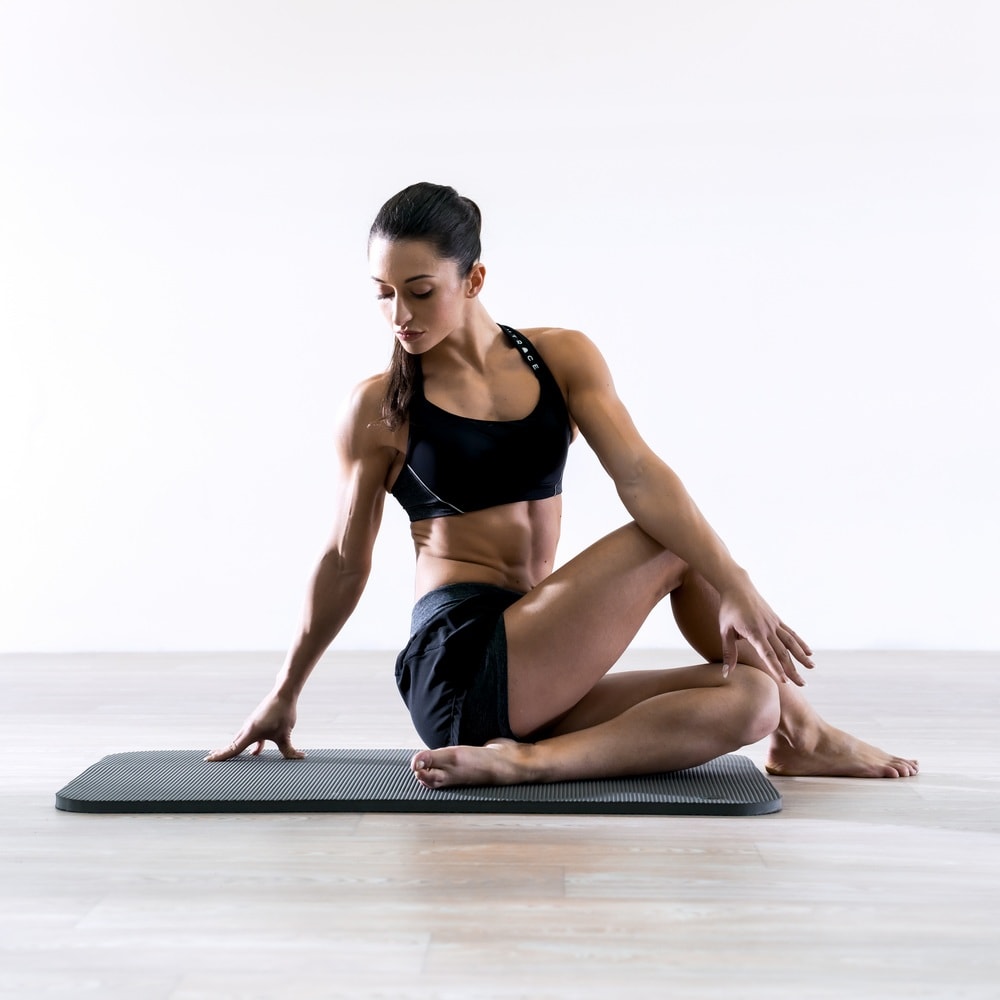
Sidea deals with equipment dedicated to athletic training. Our questions will therefore all focus on this topic, with particular reference to so-called dry training.
- Summer is certainly the time for training without skiing. How do you divide up your athletic training during the season?
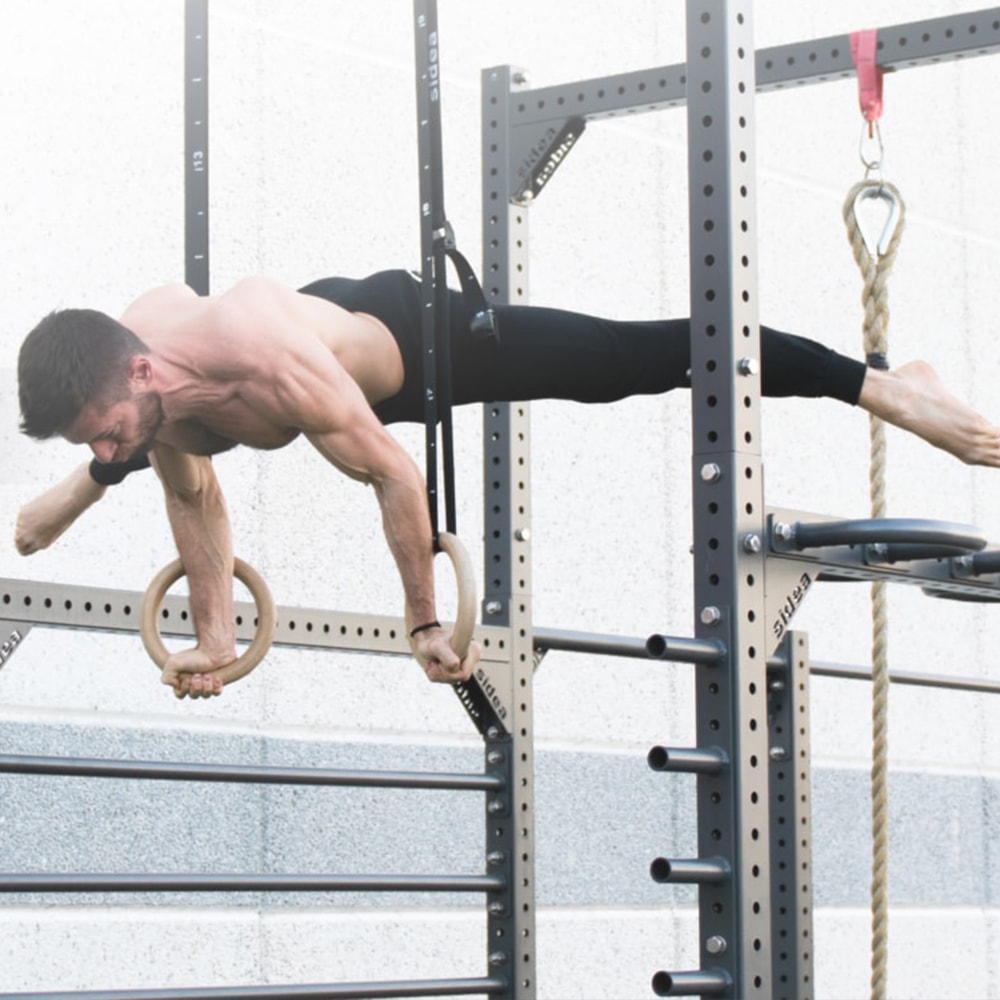
Physical preparation for us skiers is crucial for us to perform at our best on skis. I generally set my seasonal goals and based on these I modulate my preparation and loads to reach my peak performance in the races I have circled on the calendar. After the post-season regeneration period, I start my dry preparation with strength work and aerobic training sessions during which I include specific work depending on the season. Approaching the competition season, on the other hand, I generally effect specific recalls of what was the summer work block alternating with ski training. For functional training since this year I can count on Sidea equipment so that I can also train at home with specific loads and equipment, while for aerobic activities I often use my Pinarello racing bike.
- In the winter period, when skiing is intense, do you keep your strength levels up with some weight training sessions or do you stop?
During the competition period, I effect strength training sessions with loads that I modulate depending on the competitions and retreats with the national team.
- About a year ago you recovered from a rather serious injury. Sometimes misfortunes of this kind also have a positive side because some athletes learn to prepare more specifically through rehabilitation. From the point of view of athletic preparation, what has this experience taught you?
First and foremost, this experience allowed me to become aware of all the muscles involved in athletic movements and more. After last year's injury, I worked on rehabilitation during the first four months, alternating this type of session with physiotherapy sessions. After that, the re-training phase was important, as well as the strengthening work aimed at the act on skis, which allowed me to better internalise the execution methods of various dry exercises.
- At the level of athletic preparation, which exercises do you think give you the most results?
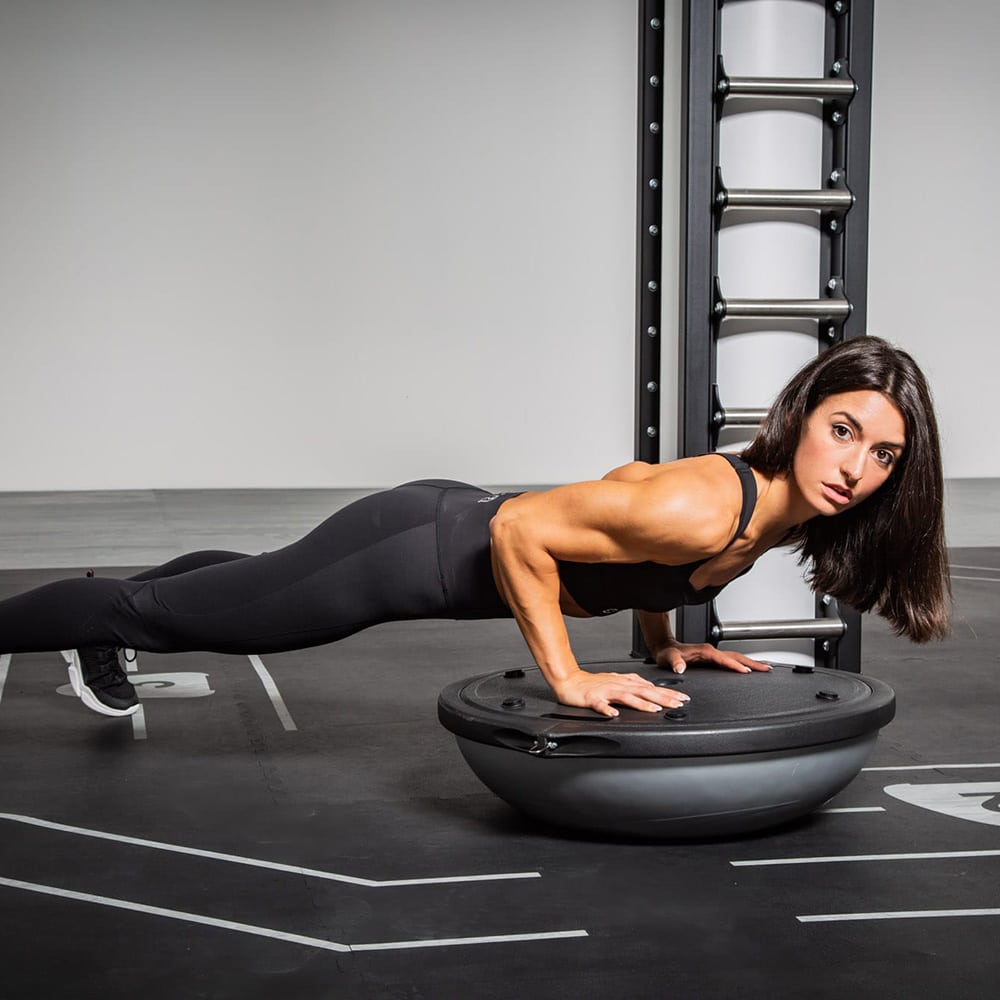
I believe that the result is the result of targeted and balanced programming, enough on new stimuli and a lot of variability. On myself, dynamic circuit exercises in unbalanced situations are very effective, as are strength exercises to withstand the loads that we then find in bends on skis.
- In dry training you almost always try to reproduce the motor patterns used in skiing, also creating unbalanced situations. Is there an exercise that you consider particularly suitable for this?
There are a number of exercises in an unbalanced situation that can be performed in this way, either free-body or with loads. I, for example, feel very comfortable doing them with the Sidea weighted vest.
- Exiting the gate: everyone is aware of the importance of having an orderly and explosive exit. What do you do to train your starts?
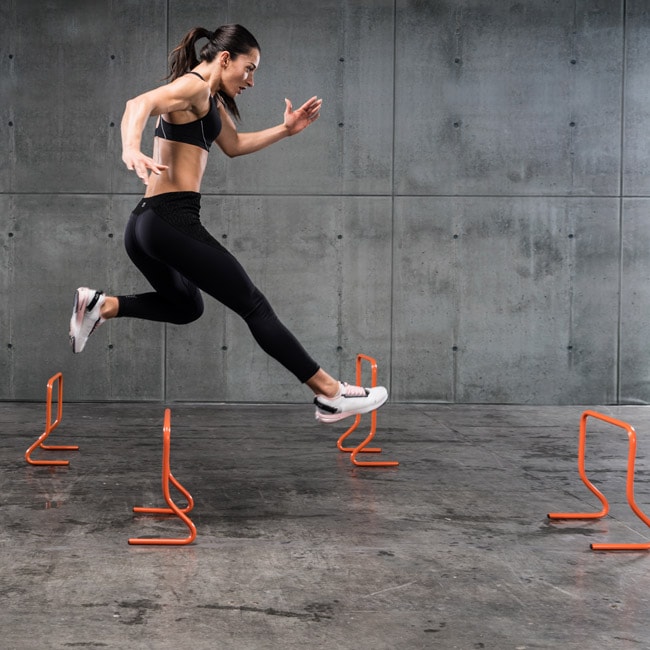
I do different types of work aimed at explosiveness and reactivity, in short I have an exercise routine that activates me well.
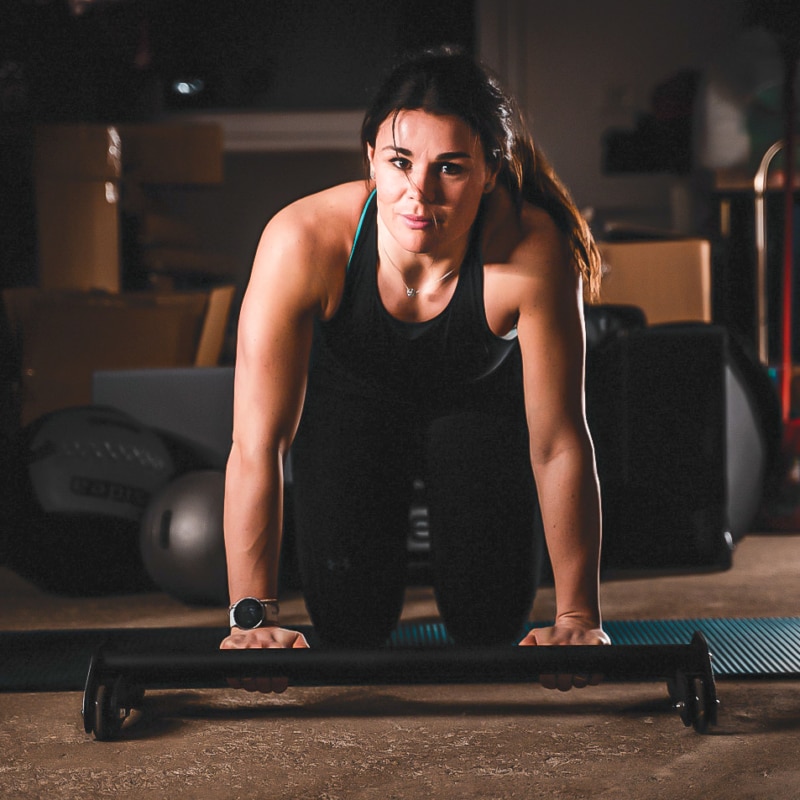
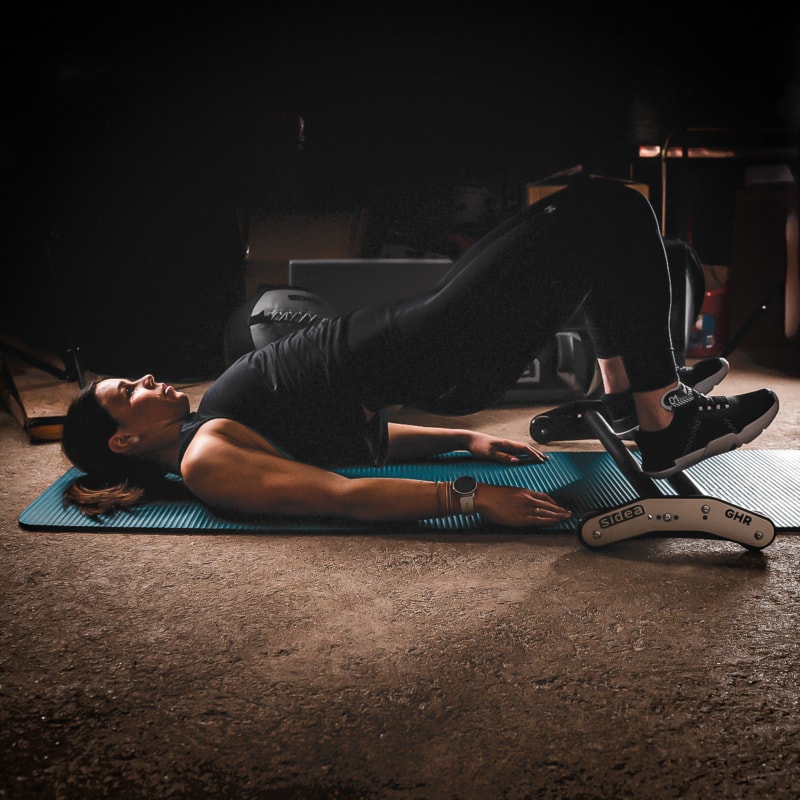
- Athletic preparation in skiing is complex, focusing on strength, speed, mobility, proprioception. Did you find GHR a useful and practical tool for performing exercises? For example, exercises dedicated to the core and the posterior kinetic chain (gluteus, hamstrings and their synergists)?
I have used GHR and would recommend it to anyone because of the wide range of exercises that can be performed with this multifunctional piece of equipment, which allows the muscles of the posterior kinetic chain to be developed in particular. You can also effect core stability exercises and even stretching with the same tool. A must-have!
- Still in terms of physical preparation for competitive skiing, what is, in your opinion, one piece of advice you feel you can give to a young athlete?
I always recommend relying on qualified coaches and trainers to first learn the correct execution of the exercises to prevent injuries or possible overloading, and then to increase the loads according to one's individual athletic maturity within one's own limits and capacity.
- Is there any secret in your training that you can reveal to us?
In my opinion there is difference in the way and vision one has of things, in the passion, enthusiasm and commitment one puts into what one does.
Thank you Nicol, good luck next season
FAST - Functional Alpine Ski Training
NEW
297,38€ FEES and TAXES NOT INCLUDED
-5%
KIT
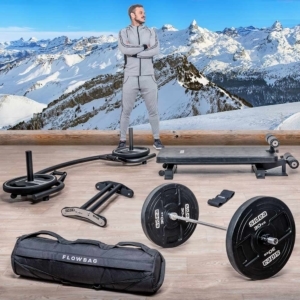
NEW


199,00€ FEES and TAXES NOT INCLUDED
-40%
PROMOTION
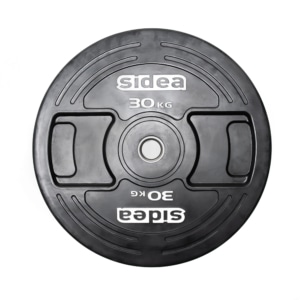
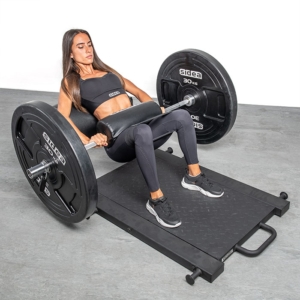


455,98€ FEES and TAXES NOT INCLUDED

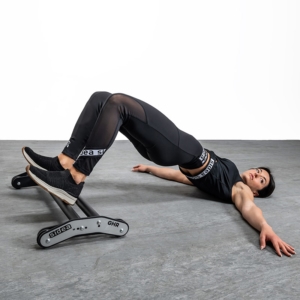
97,60€ FEES and TAXES NOT INCLUDED
147,93€ FEES and TAXES NOT INCLUDED

 Defibrillator AED
 Gift CardSidea
 Spare parts