





















-
×
 2116 Training Pad striker pao
2 × 28,98€
2116 Training Pad striker pao
2 × 28,98€
SuperAgers: long-lived brains against cognitive decline
SuperAgers are individuals of advanced age, often over 80, who display an extraordinary ability to retain cognitive skills comparable to those of much younger people. Studies on these special elders began at Northwestern University in Chicago and since then researchers have been trying to understand what factors contribute to such mental resilience.
New findings on the brain structure of SuperAgers
Scientists have observed that the brains of SuperAgers undergo a much slower loss of volume than standards. This occurs in key areas such as the anterior cingulate cortex, crucial for memory and attention. Surprisingly, their cortical thickness is comparable to that of people in their 50s or 60s. Furthermore, it was noted that SuperAgers have a higher concentration of Von Economo neurons, specialised cells linked to social intelligence and awareness.
Another interesting area is the hippocampus, known for its role in memory formation. Recent studies suggest that in SuperAgers this region maintains a higher neuronal density than in their peers. This could explain why they are able to retain the ability to learn and remember complex information.


Cognitive resilience: a mix of genetics and lifestyle
Cognitive resilience represents the brain's ability to maintain optimal functionality despite advancing age and the onset of neurodegenerative diseases. This concept is closely related to 'cognitive reserve', defined by Yacov Stern as the brain's ability to maintain good cognitive performance despite the accumulation of physiological changes due to age and the presence of neurodegenerative diseases.
Cognitive resilience is influenced by a combination of genetic and environmental factors. On the one hand, genetic predispositions may confer a neurobiological basis that favours greater resistance to cognitive decline. On the other, lifestyle plays a crucial role in modulating the expression of these genes and enhancing cognitive reserve. For example, engagement in cognitive and physical activities can produce positive adaptations by increasing the number of neurons, synaptic connections and neurotransmitters, thus contributing to greater brain plasticity.
A key element in lifestyle that affects cognitive resilience is physical activity, particularly strength training. A study conducted by the University of Sydney found that six months of strength training can protect areas of the brain vulnerable to Alzheimer's disease for up to a year after surgery. This type of exercise has been shown to slow and even halt the degeneration of specific sub-regions of the hippocampus, a structure crucial for learning and memory. The study participants, elderly people with mild cognitive impairment, showed significant cognitive benefits related to the protection of these brain areas.
In addition to physical activity, other aspects of lifestyle contribute to cognitive resilience. Engaging in intellectually stimulating activities, such as reading, participating in strategy games or learning new skills, can strengthen neural networks and increase cognitive reserve. Social interactions and maintaining an active social life are also important protective factors, as they promote mental stimulation and emotional well-being. Furthermore, a balanced diet, such as the Mediterranean diet, rich in fruit, vegetables, healthy fats and fish, is associated with a lower risk of cognitive decline.


Kettlebell Strong Competition & vinyl
42,70€ 256,20€Fascia di prezzo: da 42,70€ a 256,20€ FEES and TAXES NOT INCLUDED
Questo prodotto ha più varianti. Le opzioni possono essere scelte nella pagina del prodotto

SuperAgers' lifestyles: what can we learn?
SuperAgers are individuals of advanced age who maintain cognitive abilities comparable to those of much younger people. Studying their lifestyles offers valuable insights into how to promote brain health and prevent cognitive decline.
A hallmark of SuperAgers is their engagement in regular physical activities, with a focus on strength training. Practising resistance exercises, such as weightlifting, not only improves muscle strength and mobility, but also has beneficial effects on cognitive function. Studies have shown that strength training can protect specific areas of the brain, such as the hippocampus, from degeneration associated with age and neurodegenerative diseases.
This suggests that the inclusion of resistance exercises in physical activity programmes for the elderly could be an effective strategy to maintain cognitive health.
In addition to physical activity, SuperAgers tend to maintain a mentally active life through engagement in cognitively stimulating activities. This includes regular reading, participation in strategy games, learning new skills or languages and active social interaction. These activities help increase cognitive reserve, making the brain more resilient to age-related changes. Constant cognitive stimulation promotes neuroplasticity, i.e. the brain's ability to form new neural connections, compensating for functional losses.
Social interactions play a crucial role in maintaining cognitive health. SuperAgers often live in socially stimulating environments and actively participate in community life. Social relationships provide emotional support, reduce stress and offer opportunities for mental stimulation through shared conversations and activities. One study found that engagement in intellectual and social leisure activities is associated with slower cognitive decline in healthy elderly people and may reduce the risk of dementia. Diet is another key aspect of the SuperAgers' lifestyle.
Social and psychological implications
Another interesting aspect is the role of social relationships. SuperAgers often live in socially stimulating environments where they can interact with family, friends or community members. These interactions not only improve mood and reduce stress, but can also strengthen brain circuits associated with memory and emotional regulation.
On a psychological level, many SuperAgers show greater emotional resilience. They are less inclined to worry about stressful events and tend to see obstacles as challenges to overcome. This ability to cope with stress could be a key component of their long-term cognitive success.

Challenges and future directions of research
Although the findings so far are promising, many questions remain unanswered. Scientists are trying to understand whether it is possible to 'train' the mind to become a SuperAger or whether some people have an innate talent. In addition, longitudinal studies are being developed to examine how lifestyle changes can influence cognitive longevity.
The ultimate goal of SuperAgers research is to translate this knowledge into practical strategies that can help the general population maintain a brilliant and efficient mind over time. If, as the evidence suggests, cognitive resilience depends on a combination of genetics, environment and lifestyle, we can all adopt healthier habits to bring us closer to the SuperAgers profile.
Conclusions
In conclusion, adopting a lifestyle that integrates strength training, cognitively stimulating activities, social interactions and a balanced diet emerges as an effective strategy to promote cognitive resilience and counteract age-related decline. Studies, such as one conducted by the University of Sydney, have shown that a six-month strength training programme can protect brain areas vulnerable to Alzheimer's disease for up to a year after the intervention. This suggests that resistance exercise should be considered an essential component in dementia prevention strategies. In addition, engaging in intellectual and social activities, along with healthy nutrition, helps boost cognitive reserve, making the brain more resilient to the changes associated with ageing. It is therefore crucial to incorporate these practices into daily routines to support long-term mental and physical health. Start today: incorporate strength training, cultivate intellectual interests, maintain active social relationships and follow a balanced diet to preserve and improve your cognitive functions.
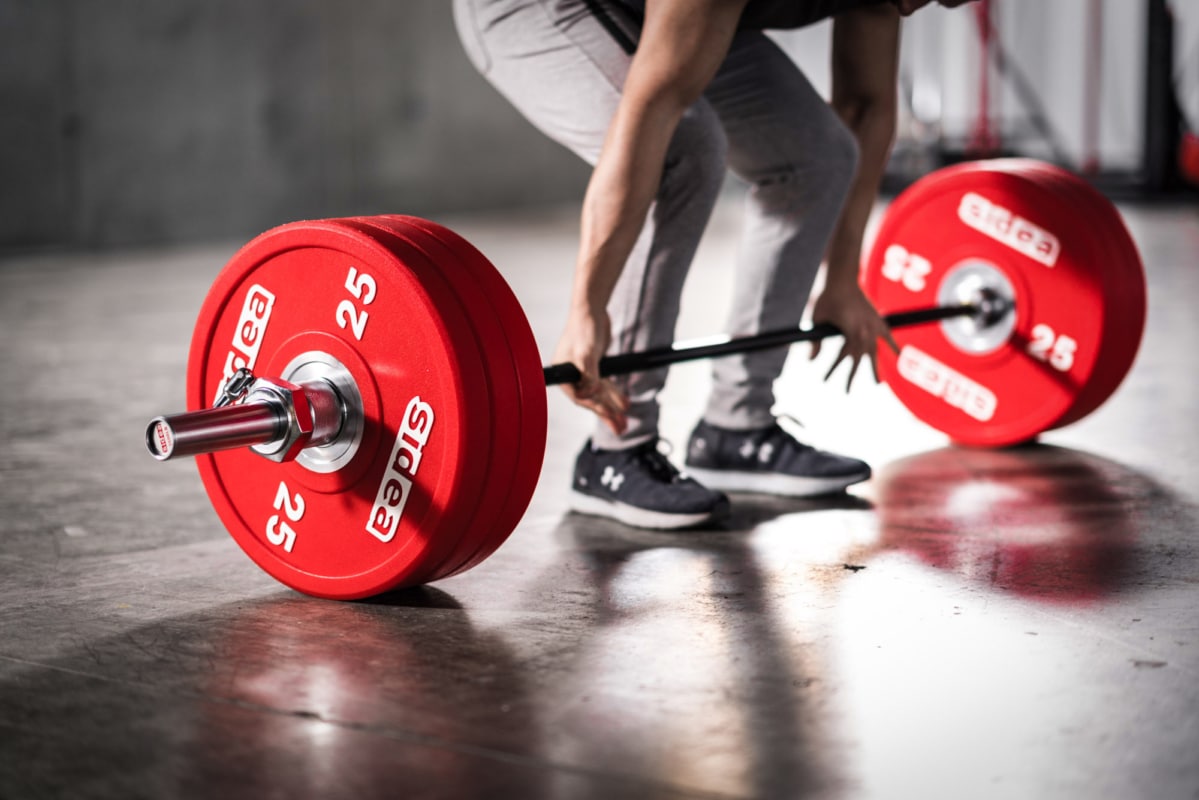

PHA and Jump Sets on the 9089K1 Cable Station: train strength, circulation and muscle density all in one station
PHA and Jump Sets on the 9089K1 Cable Station: build strength, improve microcirculation by increasing [...]
28
Jul
Jul

Elite agility: why changing direction isn’t just a matter of strength
Introduction: Agility is not just about being quick on your feet. When we talk about agility, the temptation [...]
30
Jun
Jun

Maximum strength and team sports
When strength becomes performance: Dr Mauro Franzetti’s contribution to the Summit of [...]
26
Jun
Jun
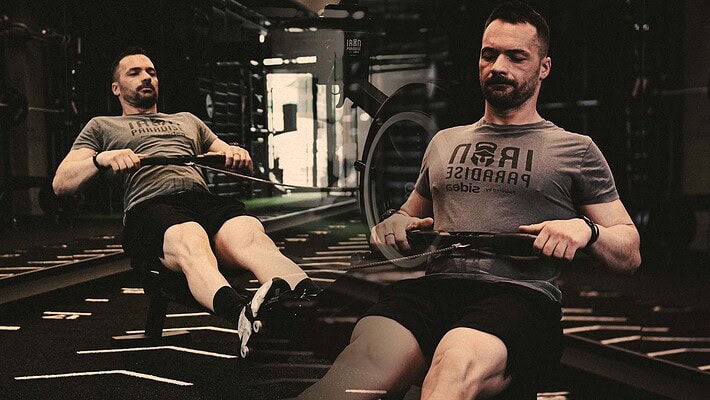
ATHX Games 2026: what it is, how it works and how to prepare for the hybrid competition
The evolution of HYBRID training In recent years, competitive fitness has evolved towards formats that are increasingly [...]
18
Jun
Jun

Definitive Guide to Bumper Plate Selection: How Not to Get Your First Set Wrong and Optimise Performance
The truth that no one tells you? Choosing a bumper disc is not just a matter [...]
29
May
May

Structure Governs Function: Dr Luca Franzon at the Summit of Strength in Cesena
A journey into the myofascial system that is revolutionising strength, movement and performance - from 1 [...]
26
May
May

The Ultimate Guide to Choosing SIDEA Handlebars
How and why choosing the right dumbbell for your workout The Dumbbell As An Investment [...]
22
May
May
Hypertrophy and strength: does being more muscular really mean being stronger?
From the Summit of Strength 2026 in Cesena the new scientific evidence explained by Prof. Antonio [...]
15
May
May
Fonti
- Northwestern University of Chicago: pioneering studies on SuperAgers and neuroanatomical characteristics.
- Albert Einstein College of Medicine: Research on the genetics of longevity and cognitive resilience.
- National Institute on Aging (NIA)
- Strength training can help protect the brain from degeneration
- Amanda Cook Maher et al.
 Defibrillator AED
 Gift CardSidea
 Spare parts