



















EPOC Effect Induced by HIIT Training: Implications on Weight Loss and Quality of Life
In recent years, high-intensity interval training (HIIT) has gained increasing attention both in the field of scientific research and among fitness enthusiasts due to its potential benefits on weight loss and quality of life. A crucial aspect of HIIT is the so-called 'EPOC effect (Excess Postexercise Oxygen Consumption), a phenomenon that leads to an increase in oxygen consumption after physical activity [1]. Recent studies suggest that HIIT may induce a higher EPOC effect than other training methods (such as aerobics), promoting greater lipid oxidation and thus contributing to more qualitative weight loss [1, 2, 3].
Furthermore, HIIT has been adopted not only by professional athletes to improve performance in endurance disciplines, but also in rehabilitation and by individuals with poor physical condition, highlighting its potential in improving general health and quality of life [4].
This article aims to investigate the EPOC effect induced by HIIT training, examining the implications on weight loss and general well-being through a review of the available scientific evidence.
WHAT IS HIIT?
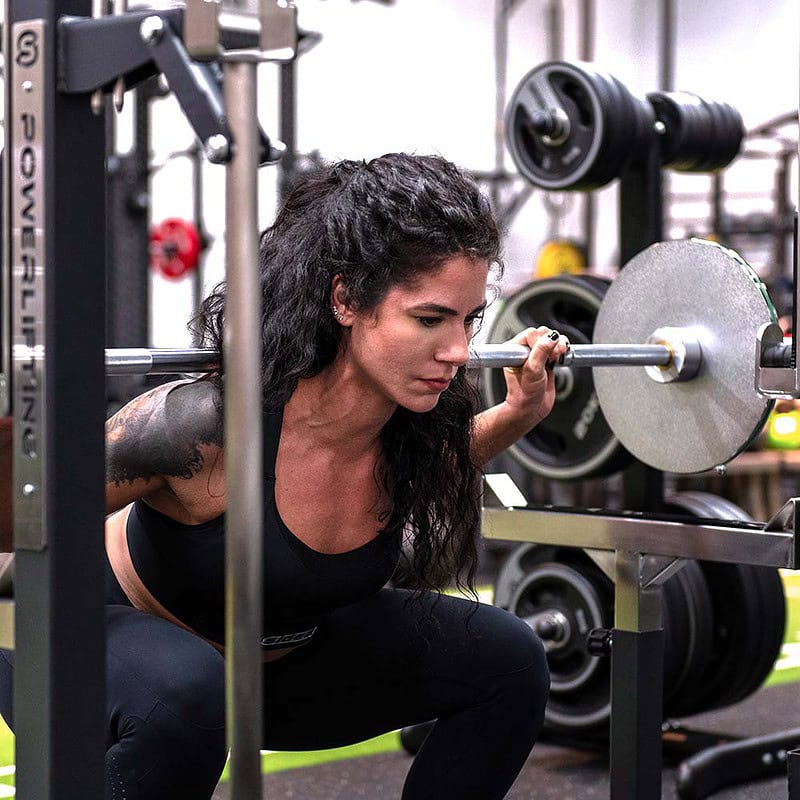
L'High-Intensity Interval Training (HIIT) is high-intensity interval training, which consists of alternating periods of intense physical activity with recovery phases, which can be characterised by light exercise or complete rest [4, 5].
It is not only used to improve performance in endurance sports, but is also a tool to promote general health [4, 5]. Indeed, it is used both in rehabilitation contexts and by people with poor physical condition or sedentary lifestyles [6, 7].
In the context of sport, HIIT can be defined as a series of intermittent exercises performed at an intensity above the high threshold, which can be measured through parameters such as critical power, critical speed or indicators such as the second lactate threshold, the maximum lactate steady state or the lactate turning point [4].
In the context of health, HIIT is a type of interval training characterised by intermittent exercises performed at a higher than moderate intensity [4].
EPOC effect
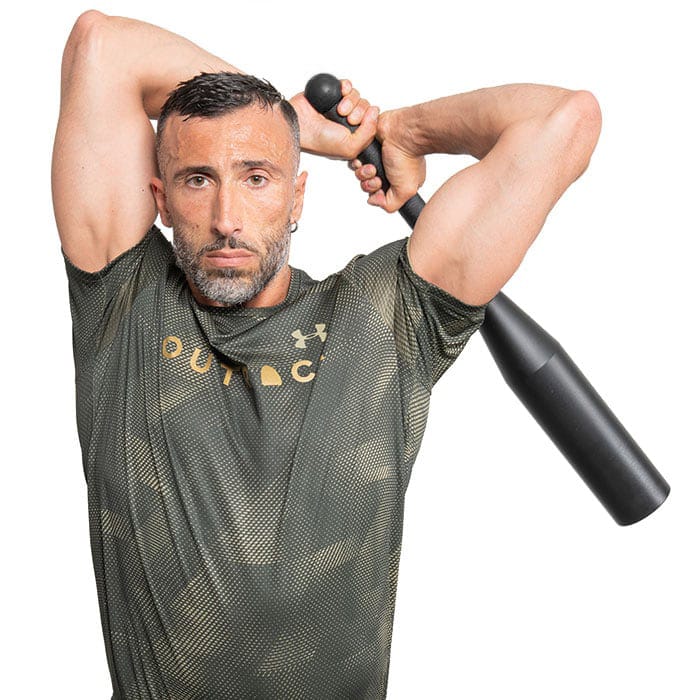
The EPOC effect is the increase in oxygen consumption that occurs after physical activity, during the recovery phase. This phenomenon develops in two phases: an initial, rapid phase involving processes such as the restoration of oxygen reserves, ATP and creatine phosphate re-synthesis, lactate removal and an increase in body temperature, circulation and ventilation, followed by a longer, more gradual phase. The duration and intensity of the effect depend on both the intensity and duration of the exercise. In particular, prolonged, high-intensity training tends to keep EPOC active for longer, whereas shorter or low-intensity activities generate a smaller effect [8].
EFFECTS ON QUALITY OF LIFE
Several studies have shown that training intensity is the main factor in improving cardiorespiratory capacity. In particular, HIIT (high intensity interval training) can also be useful in the pre-operative setting, helping to reduce the risk of complications after surgery. In addition, a recent review confirmed that HIIT has positive effects on heart health and metabolism, improving blood pressure, heart rate and cardiac function. This type of training also promotes better body composition and has beneficial effects on parameters such as cholesterol, insulin and inflammatory markers [9, 10, 11].
EFFECTS ON SLIMMING
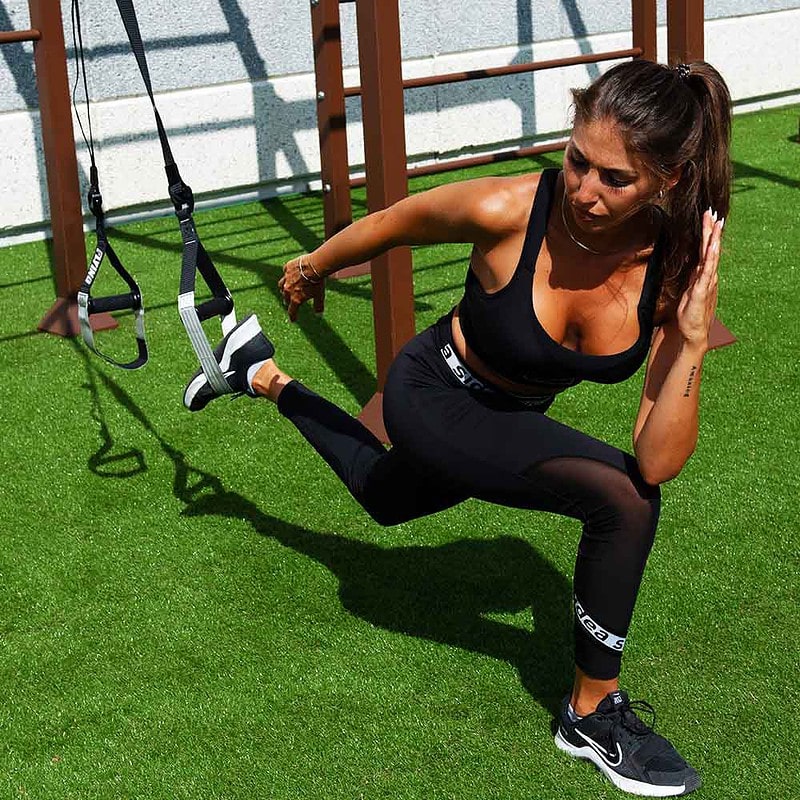
Physical activity is essential for weight management, especially when combined with a balanced diet and possibly psychological support. In addition to aiding weight loss, exercise can reduce body fat while preserving muscle mass and facilitating the maintenance of results over time [12].
In recent years, HIIT has proven to be particularly effective for people with little time, as it allows them to achieve body composition benefits with shorter sessions than other forms of training. In particular, this type of training helps reduce visceral fat and improves general fitness [13, 14]. These results are important given that 'lack of time' remains the most commonly cited obstacle to regular participation in physical activity.
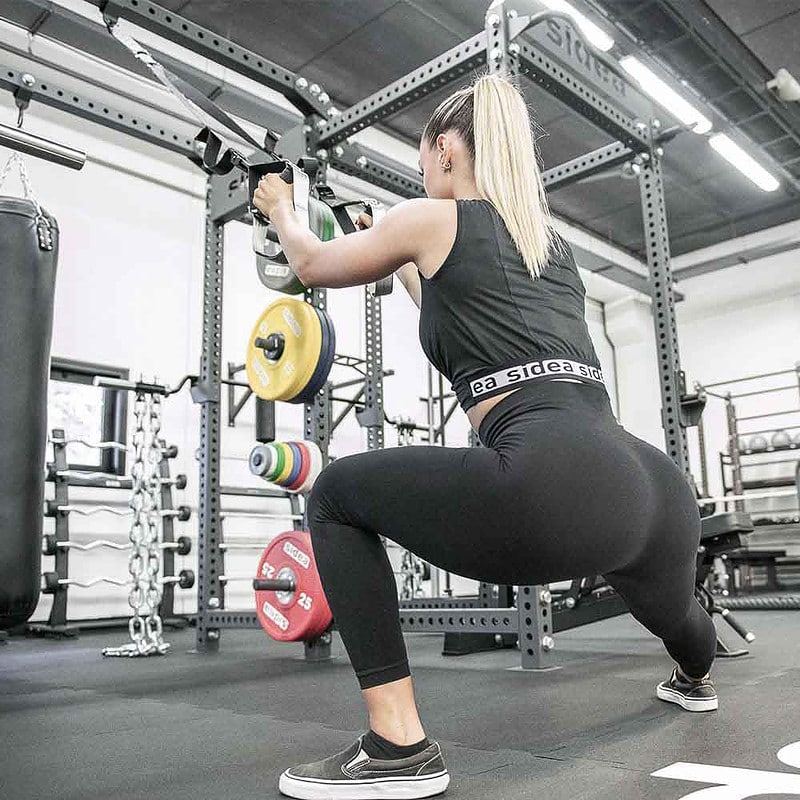
One of the key benefits of HIIT is its effect on fat metabolism: after the workout, the EPOC effect is triggered, so the body continues to burn calories, promoting lipid oxidation. This mechanism is particularly useful for fat loss, especially in people with obesity, as studies on young women have shown [1]. This is because during HIIT, a high level of glycogen depletion occurs, leading to an increase in lipid oxidation to support energy demand after training [1].
CONCLUSION
HIIT training has established itself as an effective strategy not only for improving fitness and cardiovascular health, but also for aiding weight loss and weight management. Thanks to its impact on the EPOC effect, this type of training allows energy expenditure to be prolonged even after the session, optimising fat oxidation. In addition, its time efficiency makes it an excellent solution for those who find it difficult to fit physical activity into their daily routine. Considering the benefits on body composition, metabolism and quality of life, HIIT is a valuable tool for both athletes and sedentary people or those with metabolic conditions that need to be improved.

HISTORY OF TRAINING: THE SCIENCE OF MOVEMENT
Strength training and its evolution throughout history: from the athletes of ancient Greece to modern [...]
16
Oct
Oct
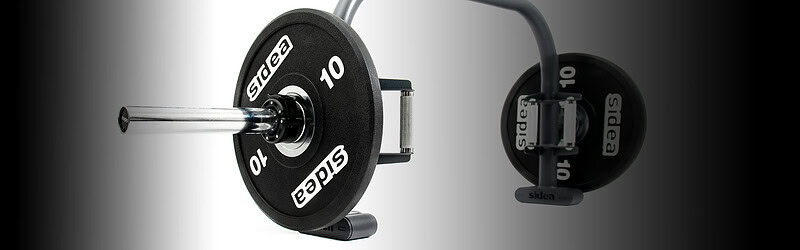
Hex Bar: what it is, which exercises to do and how to choose the right one
Strength, stability and freedom of movement: find out why the Hex Bar is an interesting alternative to [...]
09
Oct
Oct

Does strength come from the ground? The Military Press and the body’s hidden synergy
Before you can push, you need something to push against. Before force comes support. [...]
29
Sep
Sep

PHA and Jump Sets on the 9089K1 Cable Station: train strength, circulation and muscle density all in one station
PHA and Jump Sets on the 9089K1 Cable Station: build strength, improve microcirculation by increasing [...]
28
Jul
Jul
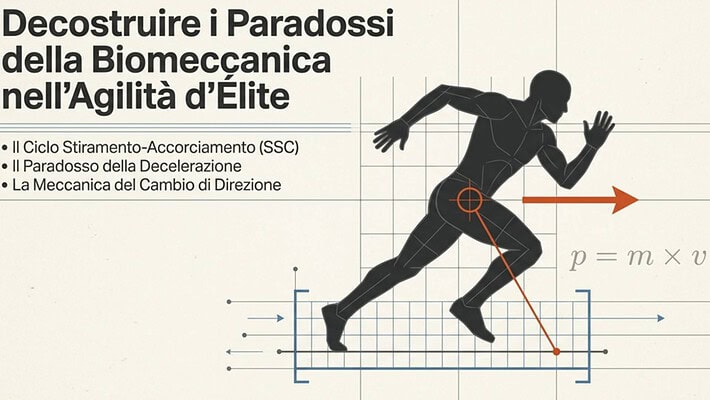
Elite agility: why changing direction isn’t just a matter of strength
Introduction: Agility is not just about being quick on your feet. When we talk about agility, the temptation [...]
30
Jun
Jun
Maximum strength and team sports
When strength becomes performance: Dr Mauro Franzetti’s contribution to the Summit of Strength [...]
26
Jun
Jun
ATHX Games 2026: what it is, how it works and how to prepare for the hybrid competition
The evolution of HYBRID training In recent years, competitive fitness has evolved towards formats that are increasingly [...]
18
Jun
Jun
Definitive Guide to Bumper Plate Selection: How Not to Get Your First Set Wrong and Optimise Performance
The truth that no one tells you? Choosing a bumper disc is not just a matter [...]
29
May
May

Clave & Macebell
Bibliographic References
- Iang L, Zhang Y, Wang Z, Wang Y. Acute interval running induces greater excess post-exercise oxygen consumption and lipid oxidation than isocaloric continuous running in men with obesity. Sci Rep. 2024 Apr 22;14(1):9178.
- De Oliveira-Nunes SG, Castro A, Sardeli AV, Cavaglieri CR, Chacon-Mikahil MPT. HIIT vs. SIT: What Is the Better to Improve V˙O2max? A Systematic Review and Meta-Analysis. Int J Environ Res Public Health. 2021 Dec 12;18(24):13120.
- Wang H, Cheng R, Xie L, Hu F. Comparative efficacy of exercise training modes on systemic metabolic health in adults with overweight and obesity: a network meta-analysis of randomised controlled trials. Front Endocrinol (Lausanne). 2024 Jan 16;14:1294362.
- Coates AM, Joyner MJ, Little JP, Jones AM, Gibala MJ. A Perspective on High-Intensity Interval Training for Performance and Health. Sports Med. 2023 Dec;53(Suppl 1):85-96.
- Billat, L.V. Interval Training for Performance: A Scientific and Empirical Practice. Sports Med 31, 13-31 (2001).
- Foster C, Casado A, Esteve-Lanao J, Haugen T, Seiler S. Polarized Training Is Optimal for Endurance Athletes. Med Sci Sports Exerc. 2022 Jun 1;54(6):1028-1031.
- Kavanagh T. A conditioning programme for the elderly. Can Fam Physician. 1971 Jul;17(7):31-3.
- Børsheim, E., Bahr, R. Effect of Exercise Intensity, Duration and Mode on Post-Exercise Oxygen Consumption. Sports Med 33, 1037-1060 (2003).
- Clifford K, Woodfield JC, Tait W, Campbell HA, Baldi JC. Association of Preoperative High-Intensity Interval Training With Cardiorespiratory Fitness and Postoperative Outcomes Among Adults Undergoing Major Surgery: A Systematic Review and Meta-Analysis. JAMA Netw Open. 2023 Jun 1;6(6):e2320527.
- Edwards JJ, Griffiths M, Deenmamode AHP, O'Driscoll JM. High-Intensity Interval Training and Cardiometabolic Health in the General Population: A Systematic Review and Meta-Analysis of Randomised Controlled Trials. Sports Med. 2023 Sep;53(9):1753-1763.
- Weston KS, Wisløff U, Coombes JS. High-intensity interval training in patients with lifestyle-induced cardiometabolic disease: a systematic review and meta-analysis. Br J Sports Med. 2014 Aug;48(16):1227-34.
- Bellicha A, van Baak MA, Battista F, Beaulieu K, Blundell JE, Busetto L, Carraça EV, Dicker D, Encantado J, Ermolao A, Farpour-Lambert N, Pramono A, Woodward E, Oppert JM. Effect of exercise training on weight loss, body composition changes, and weight maintenance in adults with overweight or obesity: An overview of 12 systematic reviews and 149 studies. Obes Rev. 2021 Jul;22 Suppl 4(Suppl 4):e13256.
- Andreato LV, Esteves JV, Coimbra DR, Moraes AJP, de Carvalho T. The influence of high-intensity interval training on anthropometric variables of adults with overweight or obesity: a systematic review and network meta-analysis. Obes Rev. 2019 Jan;20(1):142-155.
- Keating SE, Johnson NA, Mielke GI, Coombes JS. A systematic review and meta-analysis of interval training versus moderate-intensity continuous training on body adiposity. Obes Rev. 2017 Aug;18(8):943-964. doi: 10.1111/obr.12536. Epub 2017 May 17. PMID: 28513103.
 Defibrillator AED
 Gift CardSidea
 Spare parts