
















-
×
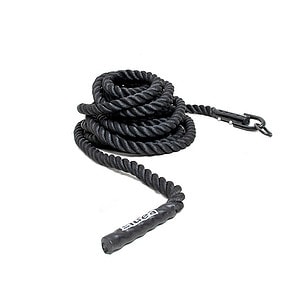 1712 Sled Pulling Rope
1 × 213,50€
1712 Sled Pulling Rope
1 × 213,50€ -
×
 9015/5 Premium Olympic Women's Barbell
1 × 298,90€
9015/5 Premium Olympic Women's Barbell
1 × 298,90€ -
×
 9020 Flat Bench
2 × 213,50€
9020 Flat Bench
2 × 213,50€ -
×
 9084 Barbell Jack
2 × 134,20€
9084 Barbell Jack
2 × 134,20€ -
×
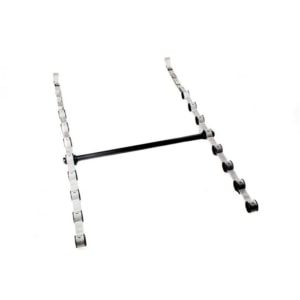 OR16045 Trapezex
1 × 278,16€
OR16045 Trapezex
1 × 278,16€ -
×
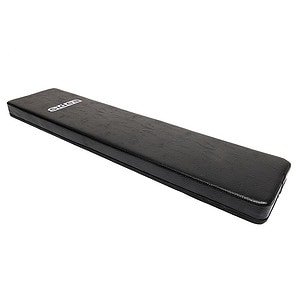 R9020 Replacement Cushion for Flat Bench 9020
1 × 24,40€
R9020 Replacement Cushion for Flat Bench 9020
1 × 24,40€ -
×
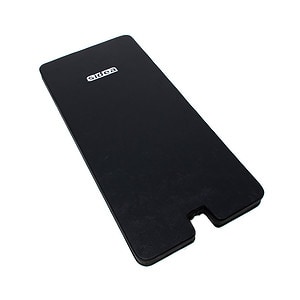 R9123/2 Replacement Pillow for Ghd & Sissy Squat - Hamstring Bench
1 × 74,73€
R9123/2 Replacement Pillow for Ghd & Sissy Squat - Hamstring Bench
1 × 74,73€ -
×
 2187 Adjustable Kettlebell
1 × 199,00€
2187 Adjustable Kettlebell
1 × 199,00€
Conditioning and Performance Programming: Fabio Fogato's method at the StrongFirst Summit of Strength 2026
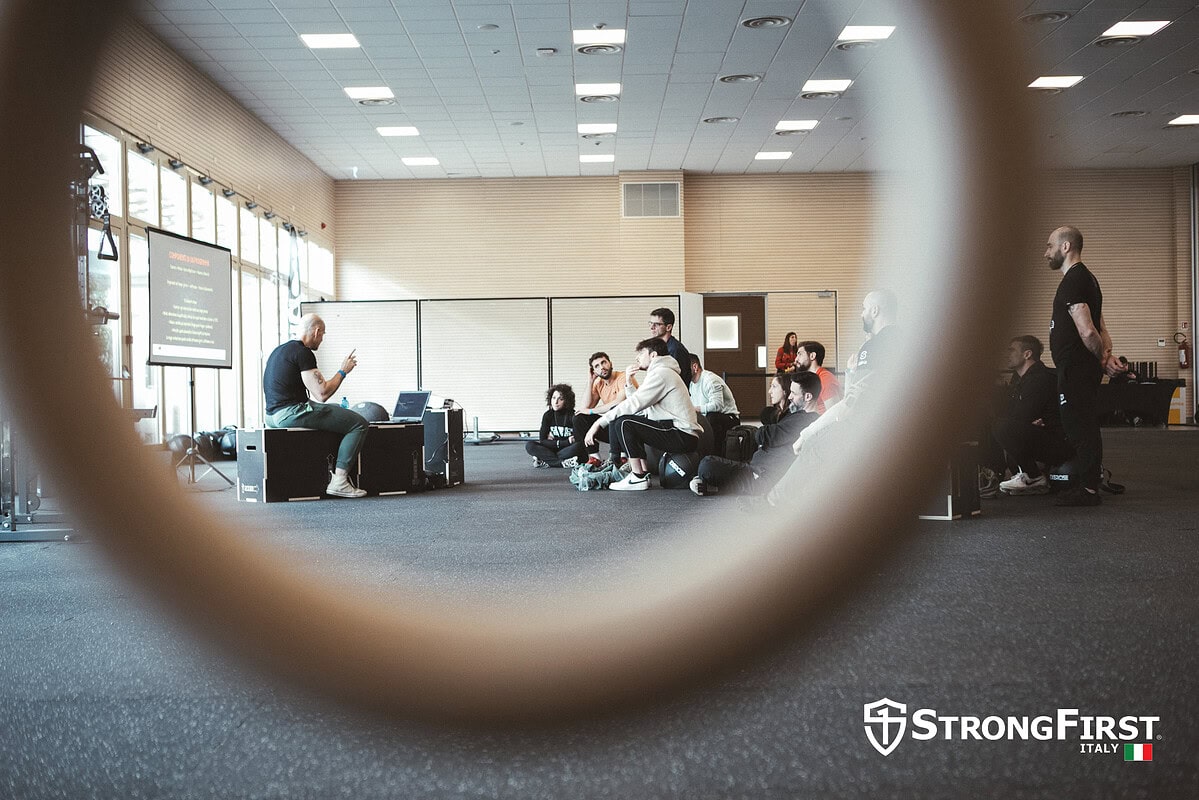
On 31 January and 1 February 2026, Cesena hosted the StrongFirst Summit of Strength, an international event dedicated to the culture of strength, training programming and athletic performance development.
In a context in which methodologies, systems and advanced approaches to physical preparation were discussed, Fabio Fogato's speech touched on a central theme for those working in the world of sport, professional fitness and strength & conditioning: the true meaning of conditioning and the role of planning as a continuous decision-making process.
A topic that resonates deeply with the SIDEA philosophy.
SIDEA has always developed professional equipment for gyms, athletic training centres and functional training with a clear principle: the equipment is not the end, but the tool through which a coherent, progressive and sustainable training system is built.
And this is precisely the central point of Fogato's speech: conditioning is not a random circuit, it is not a “finisher”, it is not sweat for its own sake. It is an organised system that links physical qualities, energy management and the specific context of performance.
What is Conditioning really?
The definition proposed at the Summit is as simple as it is strategic:
Conditioning is the ability to effectively utilise the fitness domain specific to performance.
Three elements must dialogue in a structured way:
- Fitness: aerobic capacity, maximum strength, explosive power, mobility and control.
- Use: energy management, dynamic control, effective pacing.
- Environment: sport-specific demands, competitive stress, real-world context.
Training strength or endurance is not enough. You have to make them transferable.
And this is where programming comes in.
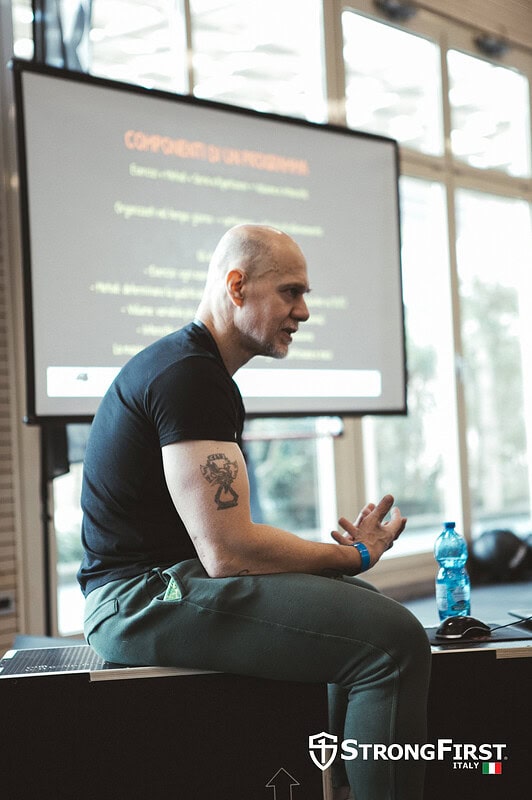
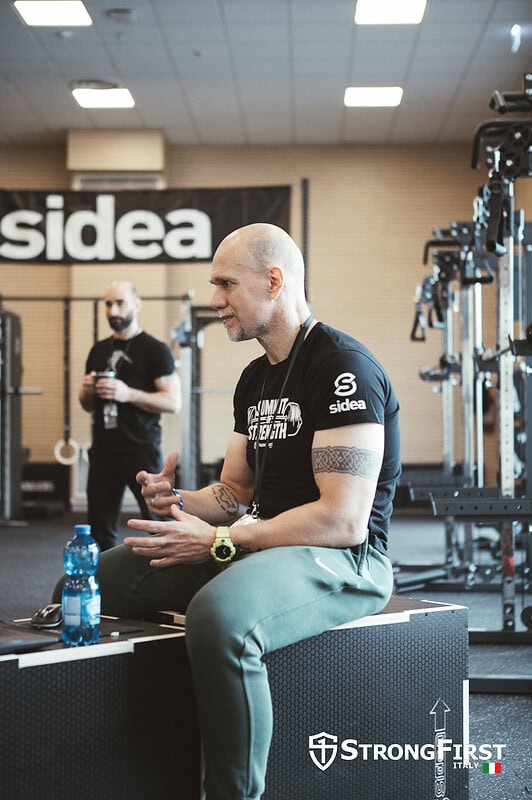
Training programming: not a card, but a process
One of the most incisive passages of the speech was to clarify what programming is not:
- It is not a list of exercises.
- It is not a standard card for everyone.
- It is not a plan that, once written, never changes, remaining the same.
Planning is a continuous organisational process that has to answer four fundamental questions every day:
- What do we do?
- How much do we do it?
- With what intensity?
- Why?
The athlete's response determines the subsequent decision.
If this dynamic relationship is missing, there is no programming. There is only training administration.
The programming cycle: test, monitor, adapt
The methodological core proposed by Fogato is a continuous cycle:
Testing → Programme → Training → Monitoring → Adaptation → New test
Every training session is in fact a form of testing. Every reaction of the athlete is information.
This approach is perfectly consistent with a modern view of strength training and professional conditioning: data is not used to impress, but to make better decisions.
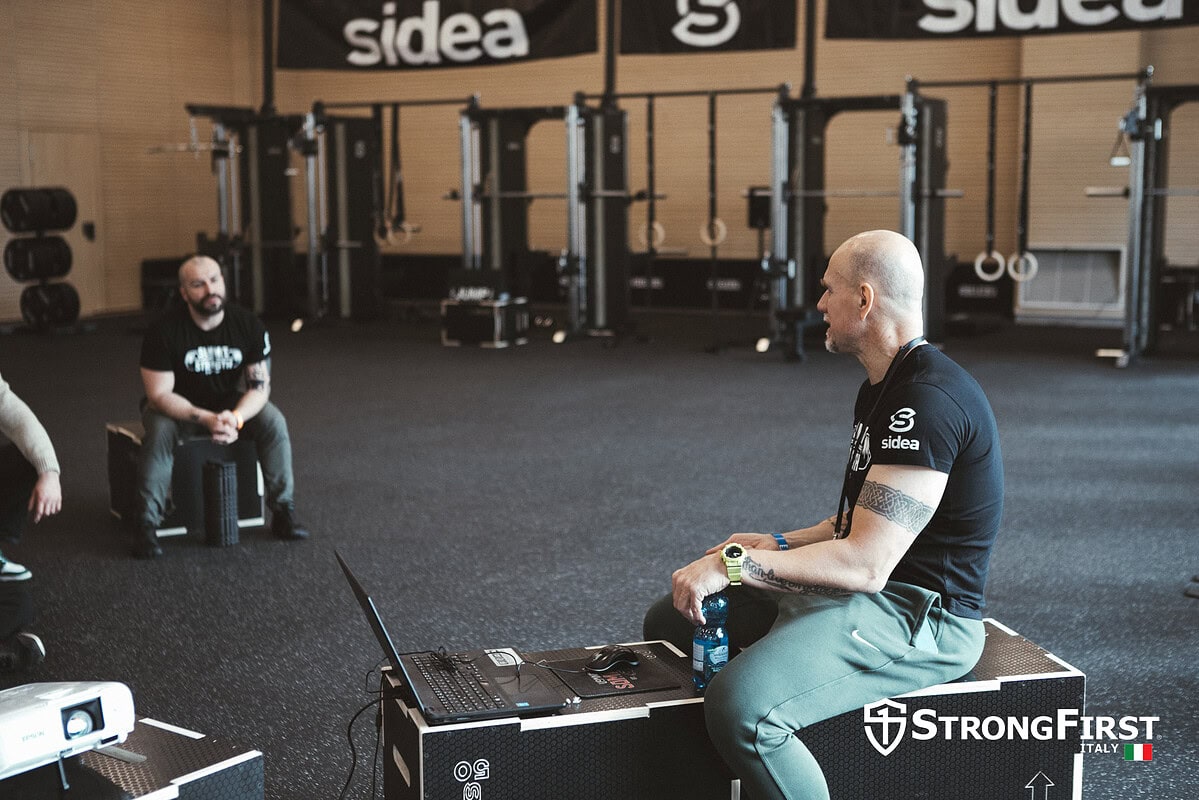
The 5 areas of evaluation: reading the athlete before charging him/her
A comprehensive assessment, according to Fogato, must cover five key areas:
- General athletic profile
- Low-threshold testing (control and co-ordination)
- High threshold test (quality under load)
- General conditioning
- Specific conditioning
A key concept emerged during the presentation:
Fatigue does not create errors. Fatigue makes them visible.
If a pattern is inefficient under calm conditions, it will only become more apparent under stress.
That is why programming must start from observation, not ego.
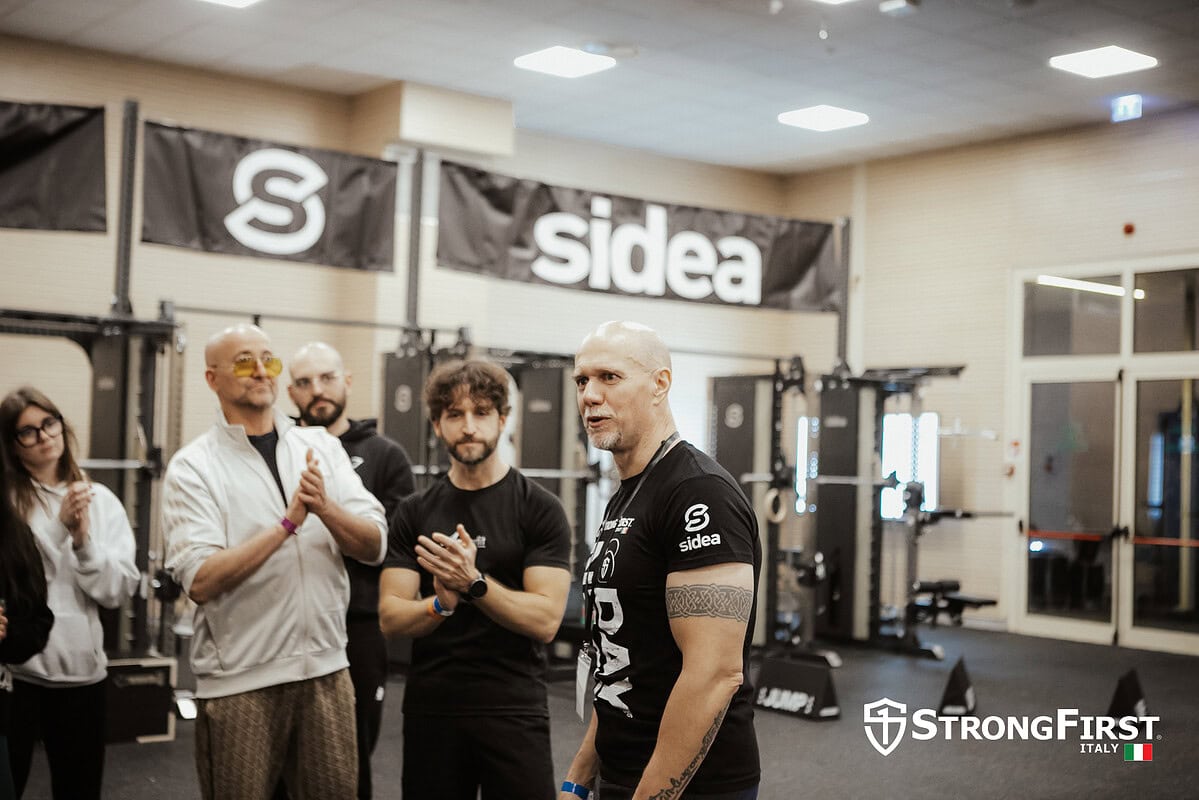
The 12 Conditioning Methods: a system, not a list
Fogato presented a structured system consisting of 12 essential conditioning methods, including:
- Cardiac Output
- Time Intervals
- High Resistance
- HICT (High Intensity Continuous Training)
- Alactic Intervals
- Lactic Intervals
- Threshold
- Strongman Endurance
Not protocols to be copied, but tools to be used according to the objective.
The system is organised on three levels of intensity:
- Level 1 - Recovery (RPE 4-6)
- Level 2 - Stimulation (RPE 7-8)
- Level 3 - Development (RPE 9-10)
This classification guides the construction of the micro-cycle and allows balancing adaptive stress and recovery.
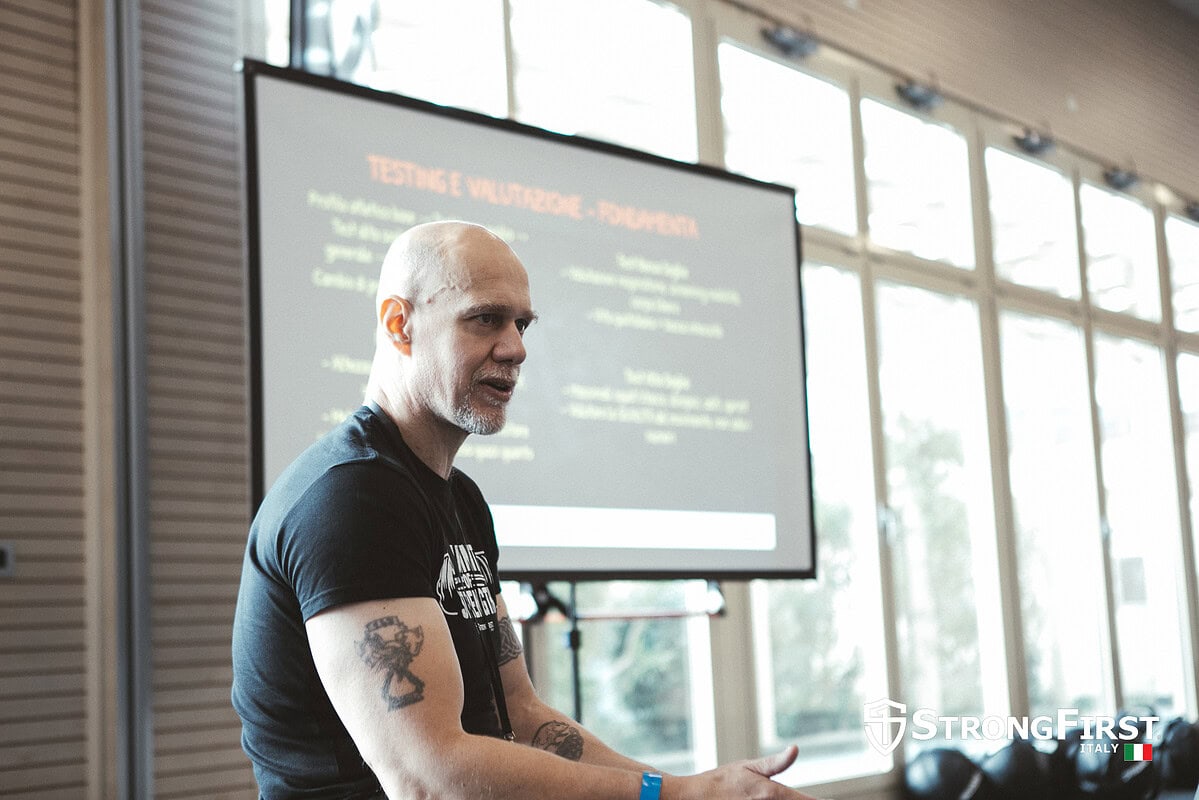
Development, Stimulation and HPRT: the strategic week
The training week is not a random sequence of sessions.
According to the model presented at the Summit, it must include three types of days:
Development Day
Maximum adaptive stress. High loads, high neural demand.
Stimulation Day
Maintenance, technical quality, controlled stimulus.
HPRT - High Performance Recovery Training
Active and strategic recovery: breathing, mobility, nervous system reset.
A strong and clear principle:
If the athlete leaves more tired than he entered, it is not recovery. It is training in disguise.
Recovery is not a break. It is an integral part of performance.
Progression and load management: discipline, not improvisation
Progression does not mean always increasing.
Meaning:
- Introduce
- Upload
- Stabilise
- Restore
Without the restoration phase, the risk of accumulating chronic fatigue is high.
At a time when the market is constantly coming up with new high-intensity training methods, Fogato's message is counter-cultural and methodologically sound: daily process management is worth more than the most sophisticated protocol.
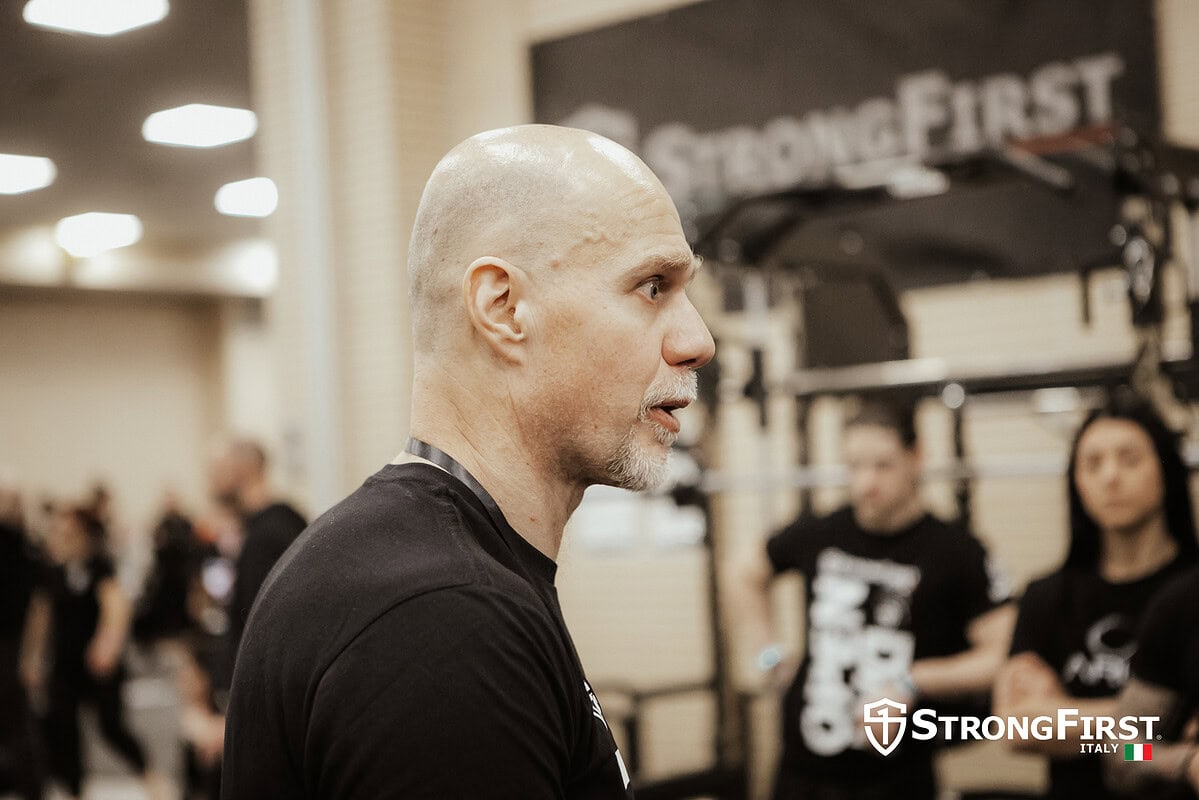
Who is Fabio Fogato
Fabio Fogato was born in Milan in 1971 and grew up in the world of judo. He later approached powerlifting under the guidance of Mario Civalleri, entering the world of kettlebell and structured strength.
In 2009 he founded his own functional training centre in Turin (Somatos, today Uominificio Somatos). Over time he obtained international certifications (RKC1, RKC2, SFG1), a degree in Motor Sciences, a degree in Human Nutrition Sciences with qualification as a nutritionist biologist and a D.O. in Osteopathy.
His philosophy is summed up in one simple and direct sentence:
Studying strength for the “everyday athlete Tasi and pull.


🍃Green - BEST SELLER


PHA and Jump Sets on the 9089K1 Cable Station: train strength, circulation and muscle density all in one station
PHA and Jump Sets on the 9089K1 Cable Station: build strength, improve microcirculation by increasing [...]
28
Jul
Jul
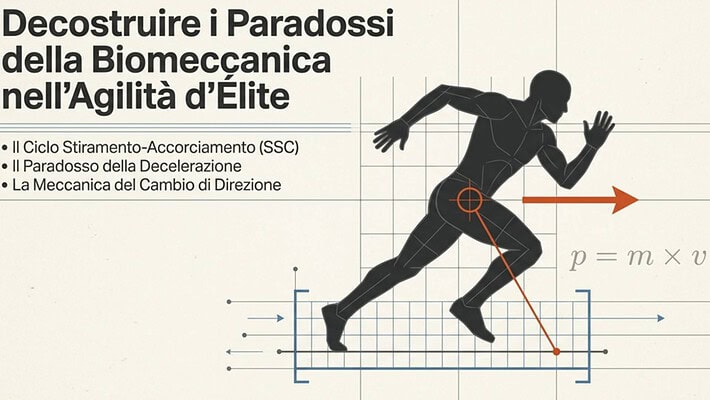
Elite agility: why changing direction isn’t just a matter of strength
Introduction: Agility is not just about being quick on your feet. When we talk about agility, the temptation [...]
30
Jun
Jun
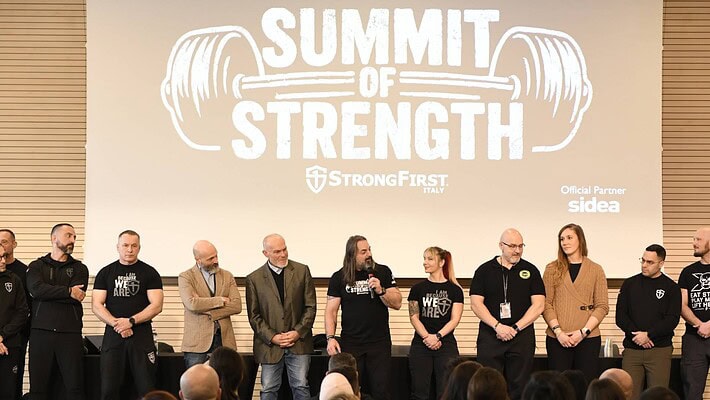
Maximum strength and team sports
When strength becomes performance: Dr Mauro Franzetti’s contribution to the Summit of [...]
26
Jun
Jun
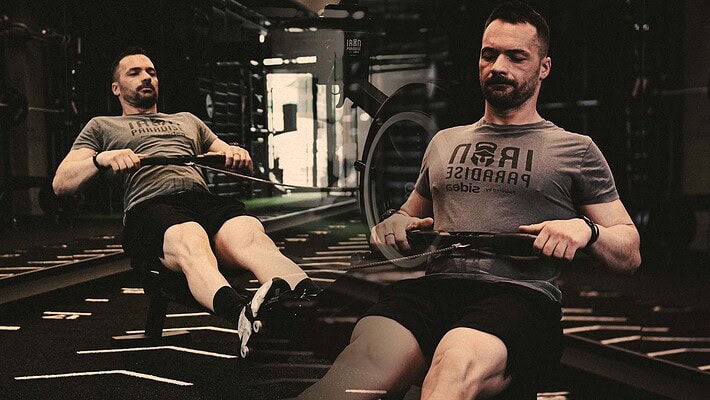
ATHX Games 2026: what it is, how it works and how to prepare for the hybrid competition
The evolution of HYBRID training In recent years, competitive fitness has evolved towards formats that are increasingly [...]
18
Jun
Jun
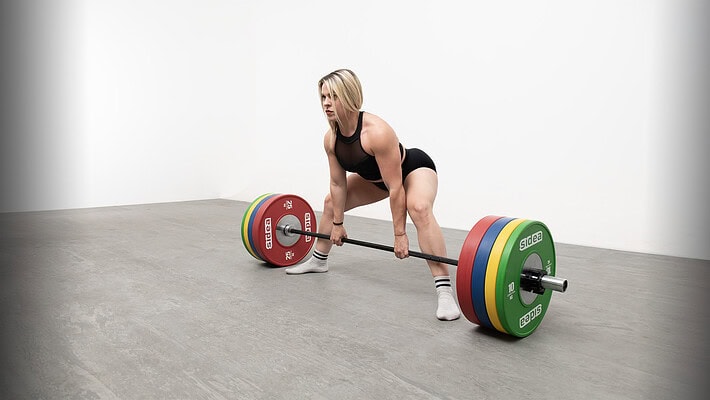
Definitive Guide to Bumper Plate Selection: How Not to Get Your First Set Wrong and Optimise Performance
The truth that no one tells you? Choosing a bumper disc is not just a matter [...]
29
May
May
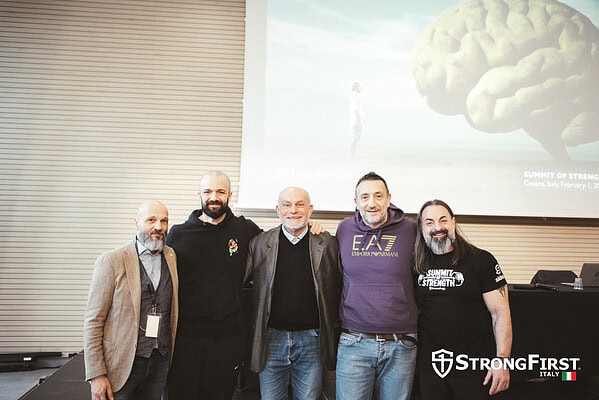
Structure Governs Function: Dr Luca Franzon at the Summit of Strength in Cesena
A journey into the myofascial system that is revolutionising strength, movement and performance - from 1 [...]
26
May
May

The Ultimate Guide to Choosing SIDEA Handlebars
How and why choosing the right dumbbell for your workout The Dumbbell As An Investment [...]
22
May
May
Hypertrophy and strength: does being more muscular really mean being stronger?
From the Summit of Strength 2026 in Cesena the new scientific evidence explained by Prof. Antonio [...]
15
May
May
Dr. Michael Maraldi
 Defibrillator AED
 Gift CardSidea
 Spare parts