


















-
×
 9012/4 OPEN HEX BAR
1 × 297,38€
9012/4 OPEN HEX BAR
1 × 297,38€
When “functional training” stops being a slogan
Functional training is probably one of the most used - and least understood - terms in modern training.
In recent years it has become an undefined container: spectacular exercises, unstable surfaces, high-intensity circuits, often without any real logic of progression.
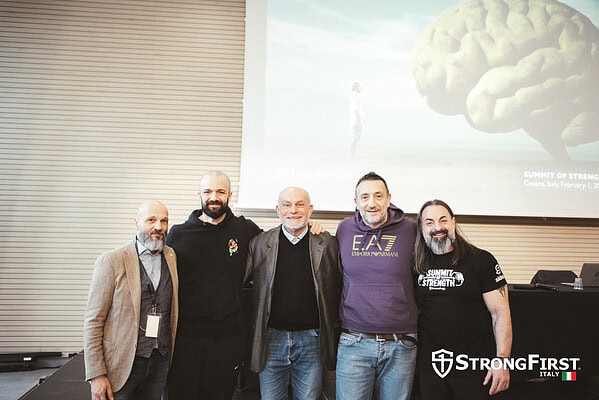
It is precisely from this ambiguity that Tiago Proença's speech at the StrongFirst Summit of Strength 2026 in Cesena started.
His aim was not to propose yet another “functional” variant, but to address a much more concrete issue:
how to transform a vague idea of training into a structured, teachable and progressive system.
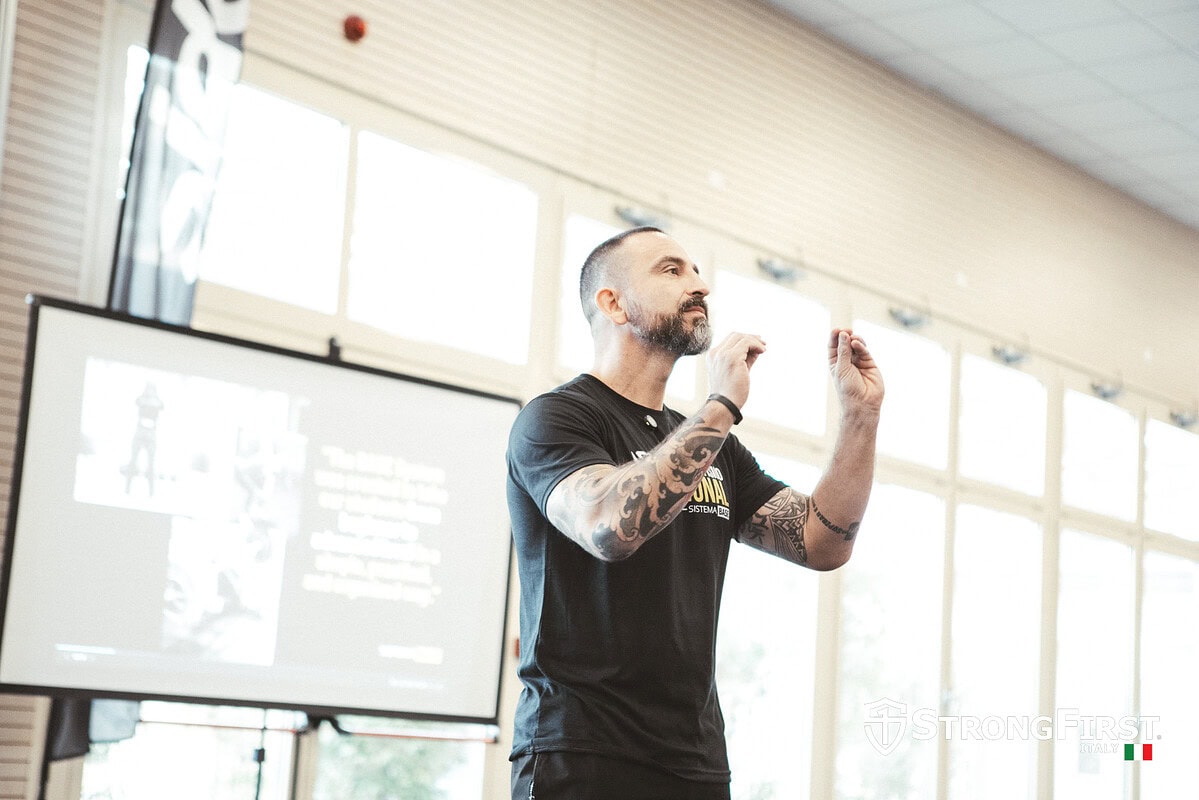
From functional training as a label to functional training as a system
The heart of the intervention is encapsulated in one clear sentence:
“The BASE System was created to take our students from beginner to advanced level in a simple, practical, and organised way.”
The point is not to invent new exercises.
The point is to build a grammar of training, capable of guiding the learner over time.
In this perspective, “functional” ceases to be an aesthetic or a fashion and becomes an educational system.
It is a vision perfectly in line with the StrongFirst culture and the SIDEA philosophy:
less randomness, more structure;
less variety for its own sake, more progression.
BASIS: four principles, one clear structure
The model proposed by Proença is based on four fundamental principles:
- B - Base of training outside machines
Force building starts from free contexts, not constrained by machines. - A - Analysis of functional movement based on multi-joint exercises
Movement is analysed through multi-joint exercises. - S - Strength synergy focused on multi-joint exercises
Strength is a synergy between segments, not the sum of isolated muscles. - E - Evolution through movement patterns
Progression occurs through pattern evolution, not just by increasing the load.
This last point is probably the most relevant:
the quality of movement becomes the real driver of progression.
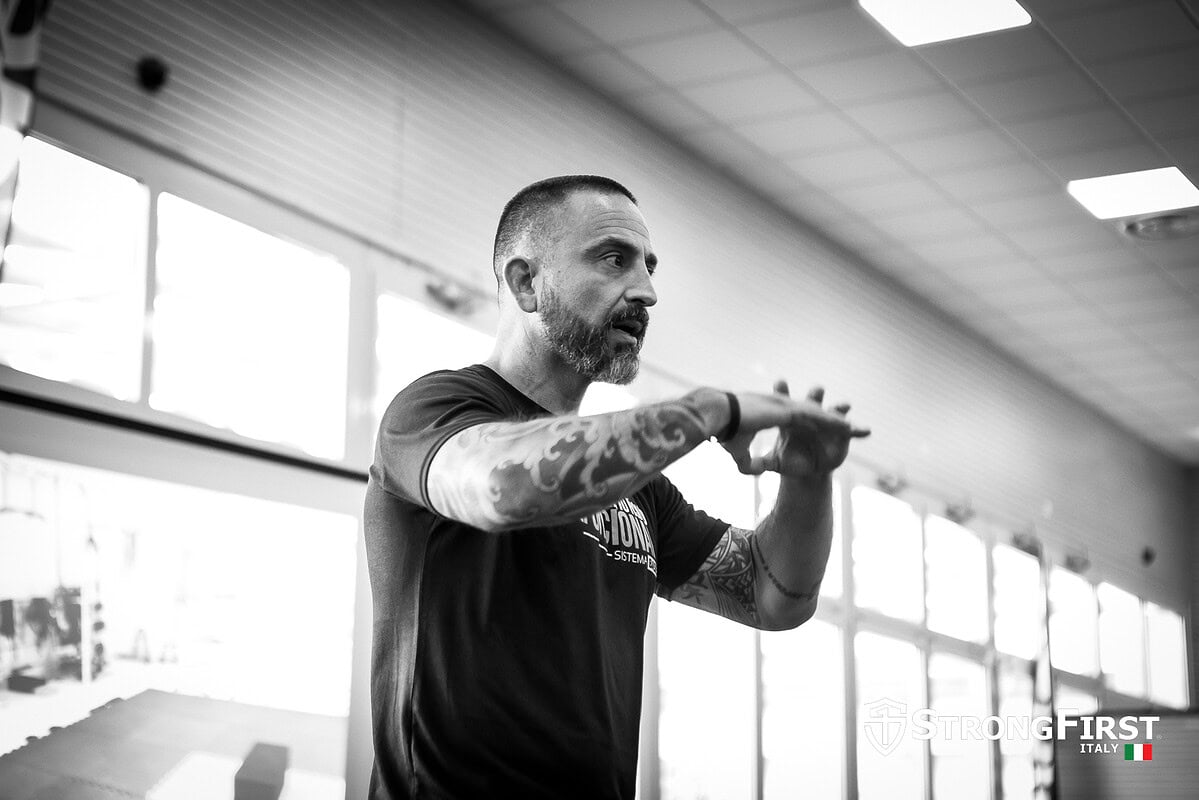
From beginner to advanced learner: STDs
The system organises the pathway through the Stages of Training Development (STD) :
- Stage 1 - Strength School
Educational phase, oriented towards pattern learning - Stage 2 - Transition
Consolidation of fundamentals and introduction of intermediate tests (8-15 RM) - Stage 3 - Advanced
Specific strength work (1-6 RM) and advanced programming
The classification is not only based on strength, but also on:
- experience
- preferences
- degree of commitment
This is a key aspect:
not all learners evolve in the same way, and not all are ready for the same kind of load or complexity.
Warm-up as a system, not a ritual
One of the most interesting passages concerns heating.
In the BASE System, the warm-up is not a generic phase, but a structure organised around specific joint functions:
- glenohumeral mobility
- scapular stability
- thoracic mobility
- lumbar stability (front and rear)
- hip mobility
- knee stability
- ankle mobility
- integrated exercises
The result is a real decision-making grid:
it is no longer a question of “warming up”,
but to prepare the body for the session.
This approach makes the warm-up:
- replicable
- modular
- consistent with the main work
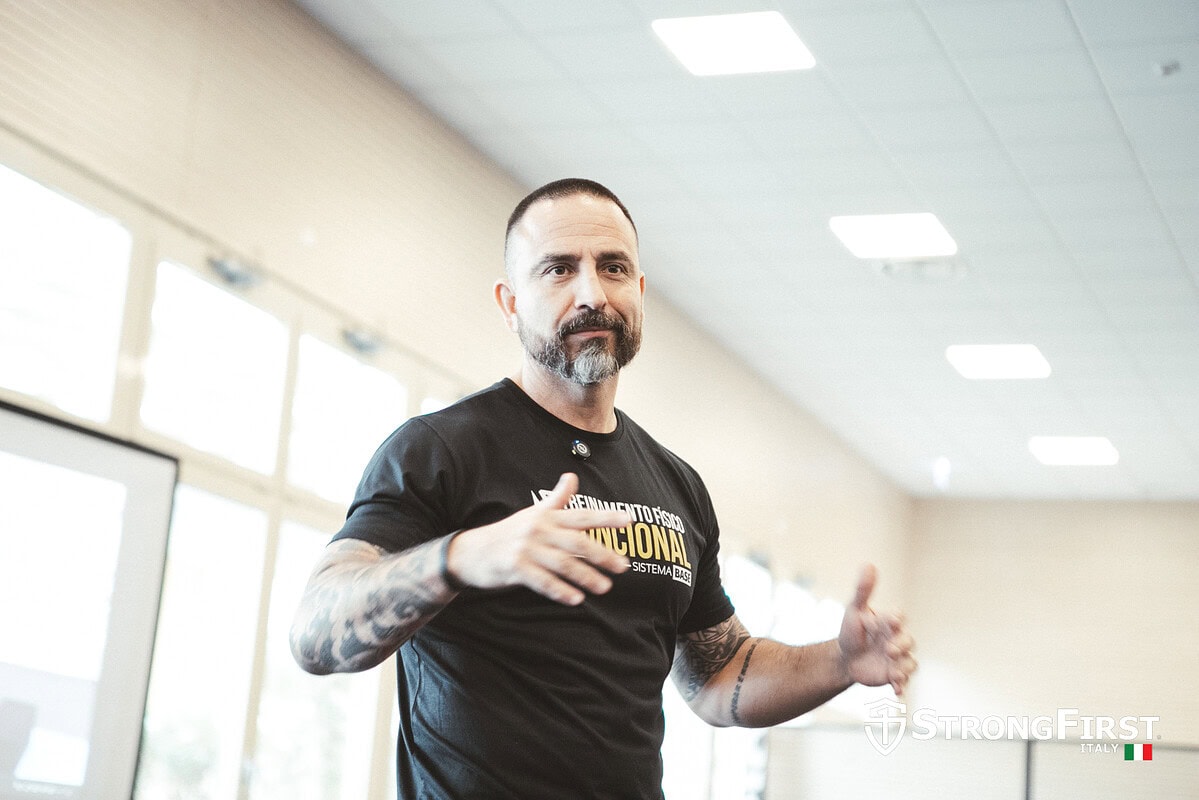
Movement patterns: the true unity of training
The system is based on a classification of 16 movement patterns, plus 3 anti-movement patterns for the core. .
These include:
- push and pull (horizontal and vertical)
- knee and hip dominance (symmetrical, asymmetrical, unilateral)
- column movements
- core stabilisations (anti-extension, anti-rotation, anti-lateral flexion)
This approach radically changes the way of programming.
We no longer reason by exercises, but by families of movement.
The advantage is twofold:
- avoids random programming
- allows more precise and consistent progressions
From simple to complex: the logic of progression
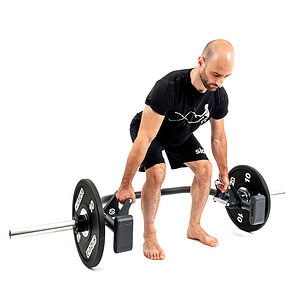
A very clear example presented during the intervention is the deadlift progression:
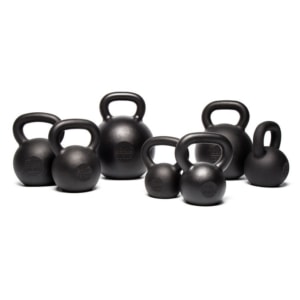
- kettlebell deadlift
- trap bar deadlift
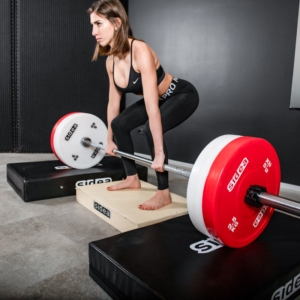
- conventional deadlift
The principle is simple, but fundamental:
complexity is not anticipated, it is constructed.
Moving from more accessible and self-organising exercises
to variants requiring greater control and load tolerance.
It is not just an increase in intensity.
It is an increase in competence.
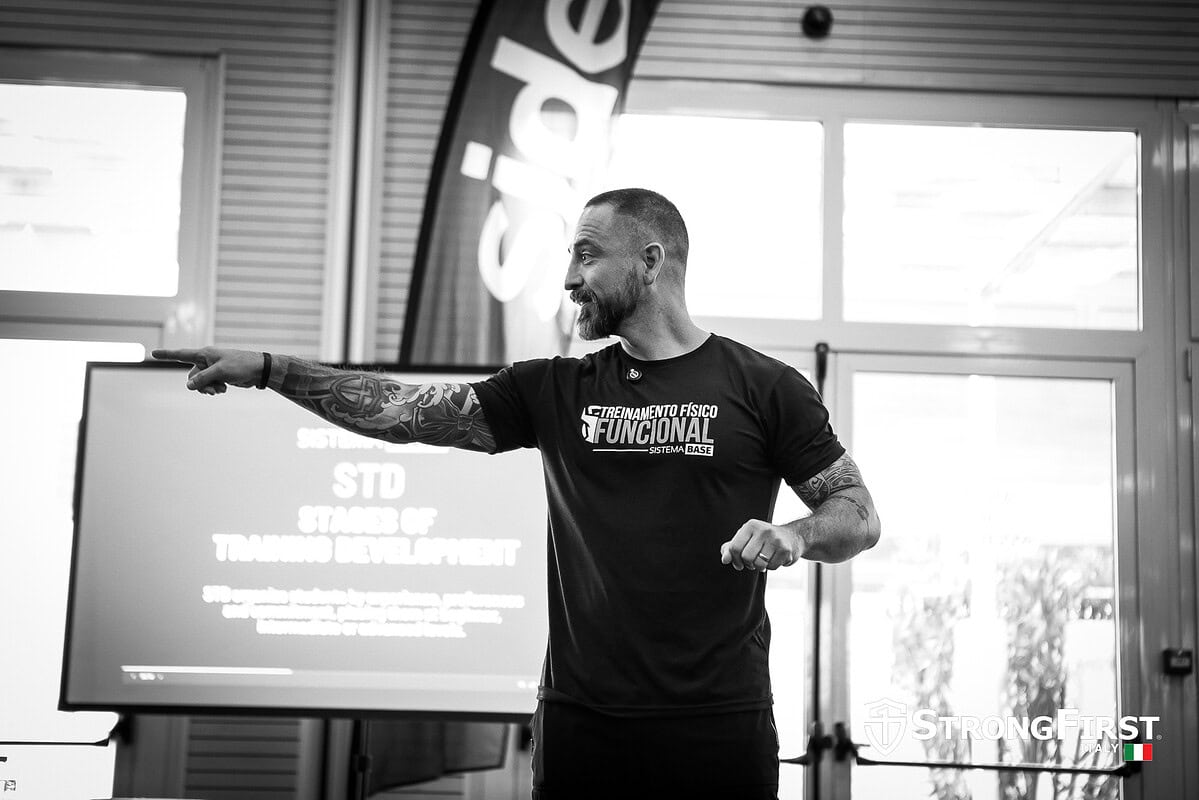
Critical analysis: what makes the BASE System interesting
The main value of the model is not absolute originality.
Many of its elements - patterns, progressions, multi-joint work - are already present in other training systems.
The point is another:
the BASE System organises what is often applied in a haphazard manner.
In this sense:
- does not invent exercises
- does not introduce completely new concepts
- but provides a clear operational structure
And this, in daily practice, makes all the difference.
Practical implications for technicians and coaches
Some concrete indications emerge from the intervention:
- functional training is only useful if it becomes a progression, not a label
- the warm-up can be a technical tool, not an automatic routine
- multi-joint patterns represent a true school of movement
- access to advanced work must be constructed, not anticipated
In summary:
without a structure, even the best exercise loses its meaning.
Conclusion
Tiago Proença's intervention brought functional training back onto more concrete ground: that of structure.
The BASE System does not propose an alternative version of force,
but a more orderly way of teaching it.
For those working in the gym, the message is clear:
it is not the choice of exercise that makes the difference,
but the ability to fit it into a coherent progression.
And it is precisely here that many systems fail -
not for lack of ideas, but for lack of structure.
The goal is to bring order to the chaos!

Kettlebell Strong Competition & vinyl
30,50€ 358,38€Fascia di prezzo: da 30,50€ a 358,38€ FEES and TAXES NOT INCLUDED
Questo prodotto ha più varianti. Le opzioni possono essere scelte nella pagina del prodotto
NEW

PHA and Jump Sets on the 9089K1 Cable Station: train strength, circulation and muscle density all in one station
PHA and Jump Sets on the 9089K1 Cable Station: build strength, improve microcirculation by increasing [...]
28
Jul
Jul
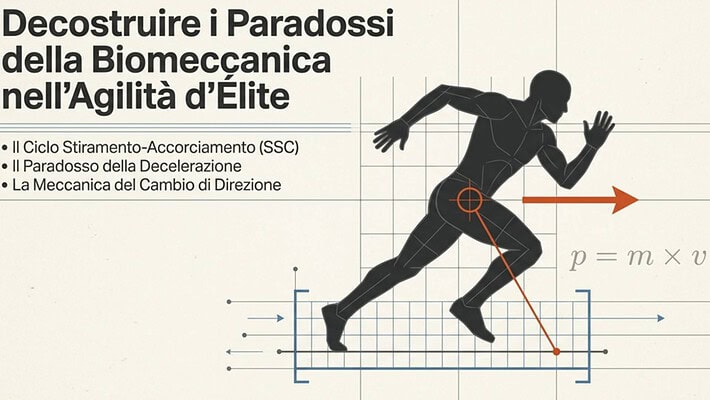
Elite agility: why changing direction isn’t just a matter of strength
Introduction: Agility is not just about being quick on your feet. When we talk about agility, the temptation [...]
30
Jun
Jun
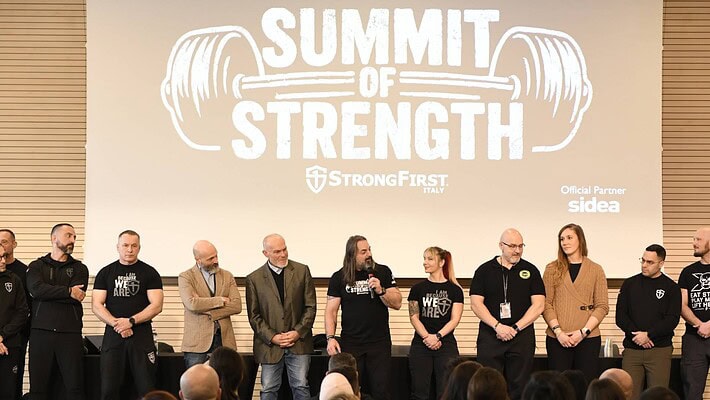
Maximum strength and team sports
When strength becomes performance: Dr Mauro Franzetti’s contribution to the Summit of [...]
26
Jun
Jun
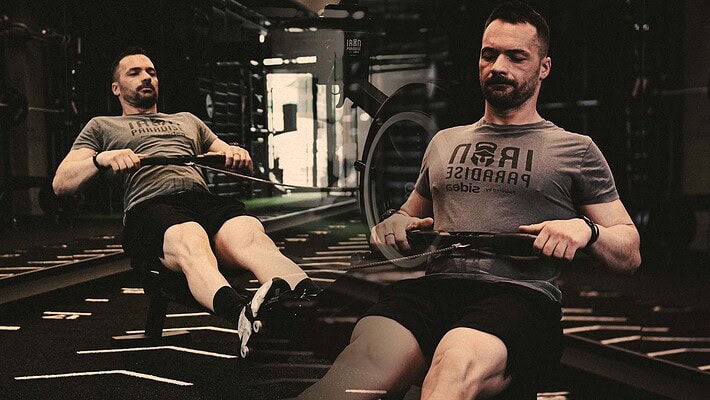
ATHX Games 2026: what it is, how it works and how to prepare for the hybrid competition
The evolution of HYBRID training In recent years, competitive fitness has evolved towards formats that are increasingly [...]
18
Jun
Jun
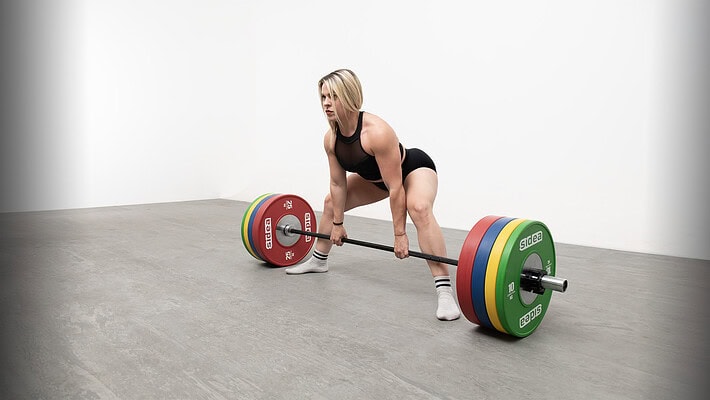
Definitive Guide to Bumper Plate Selection: How Not to Get Your First Set Wrong and Optimise Performance
The truth that no one tells you? Choosing a bumper disc is not just a matter [...]
29
May
May
Structure Governs Function: Dr Luca Franzon at the Summit of Strength in Cesena
A journey into the myofascial system that is revolutionising strength, movement and performance - from 1 [...]
26
May
May

The Ultimate Guide to Choosing SIDEA Handlebars
How and why choosing the right dumbbell for your workout The Dumbbell As An Investment [...]
22
May
May
Hypertrophy and strength: does being more muscular really mean being stronger?
From the Summit of Strength 2026 in Cesena the new scientific evidence explained by Prof. Antonio [...]
15
May
May
 Defibrillator AED
 Gift CardSidea
 Spare parts