














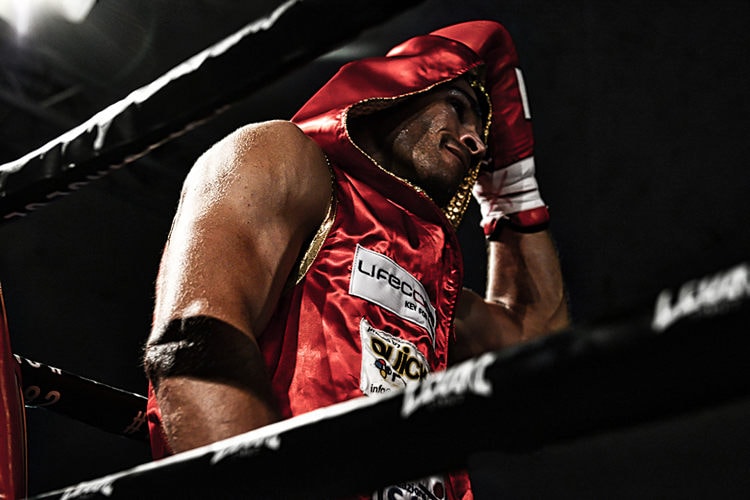
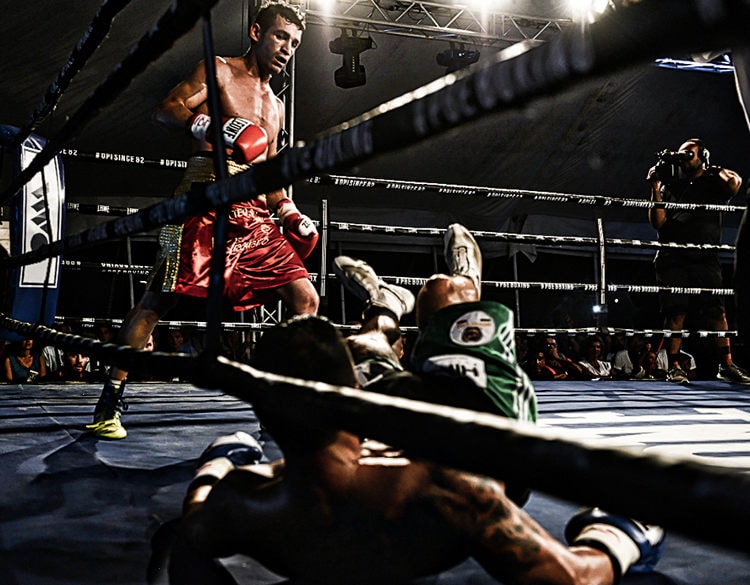
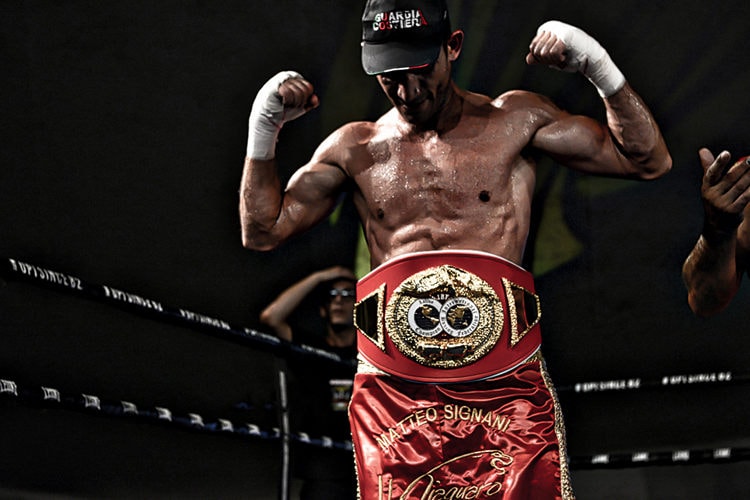
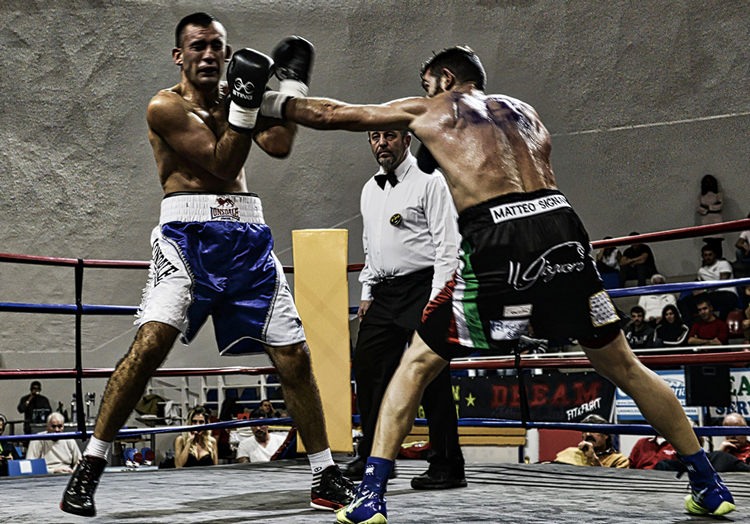
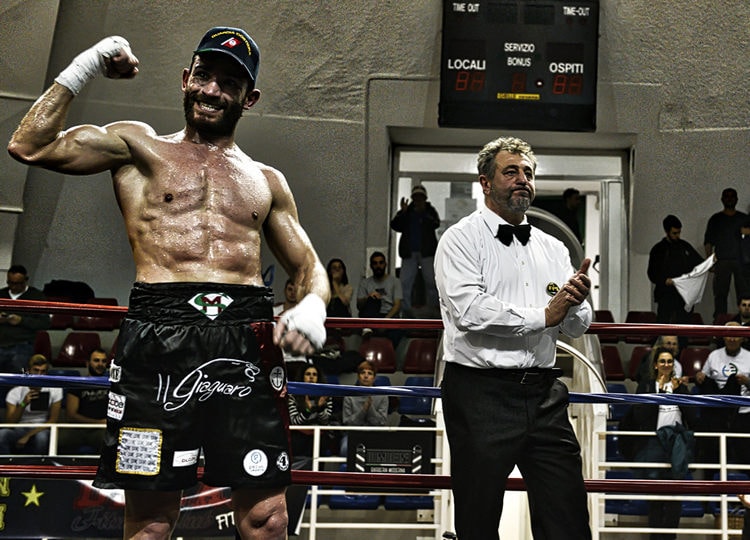
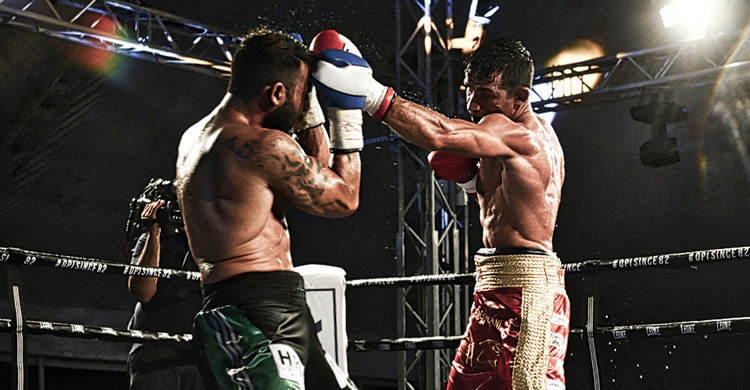
Constant movement, speed, explosiveness, power and endurance: boxing is one of the most technically but above all athletically complex sports, with a prolonged high intensity effort involving practically all muscle chains. Adequate preparation is therefore indispensable, especially at professional levels, and this is confirmed by one of the leading performers in Italy and Europe [LINK]. or Matteo 'the Jaguar' Signani: the boxer from Romagna [LINK]., 39, was Italian Champion in Middleweight, a category in which he also holds a European Union Champion, WBA Intercontinental Champion and I.B.F. Latin Champion title, and is currently number 3 in Europe. In all this, in addition to Signani's grit and skill, a role has also been played by functional training, which is an integral part of his athletic training together with coach Giorgio Campanella.
Matteo, how important is functional training and athletic preparation in a sport like boxing?
"Boxing is one of the toughest sports there is, which is why athletic and functional sessions are certainly fundamental for acquiring power, speed and endurance that can then be converted into technical training. Personally, at the end of a functional workout I feel much stronger on a physical level and this, together with an athletic preparation focused on the acquisition of 'breath', is fundamental in the approach to a fight'.
What kind of exercises do you mainly do for your athletic training?
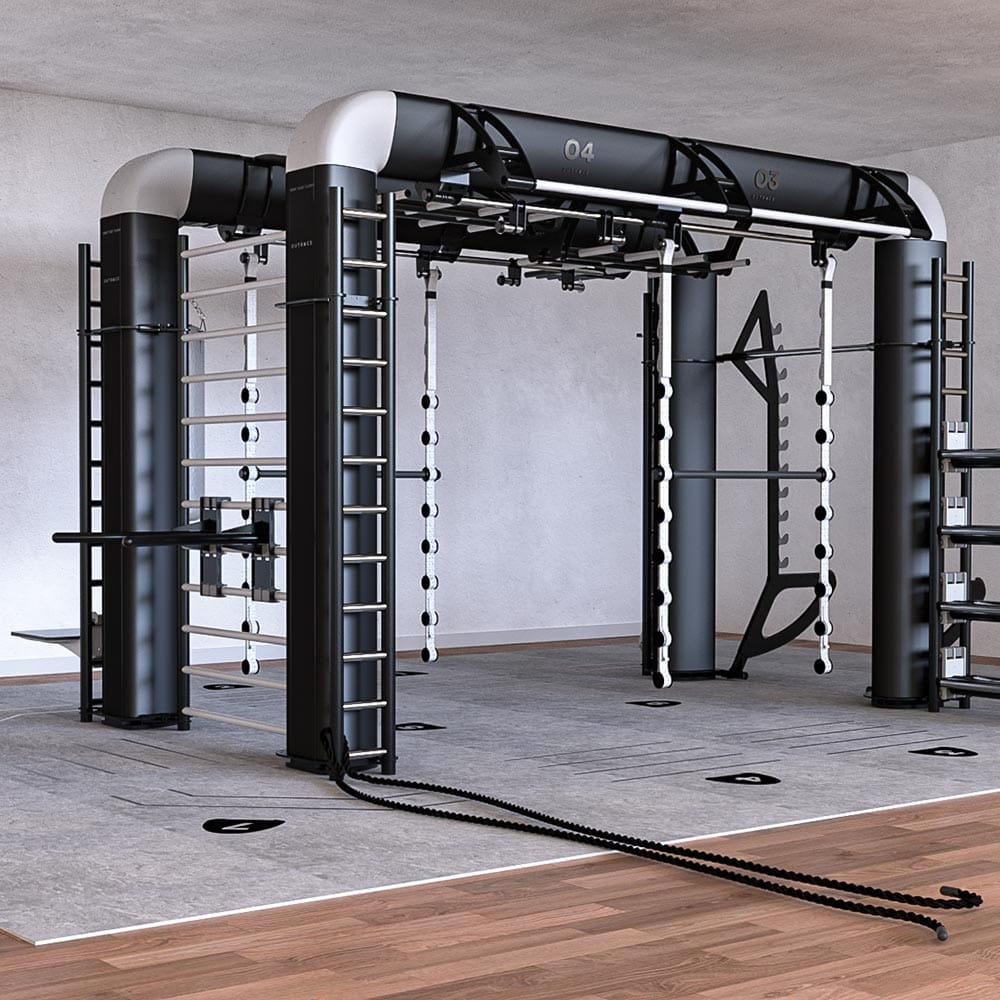
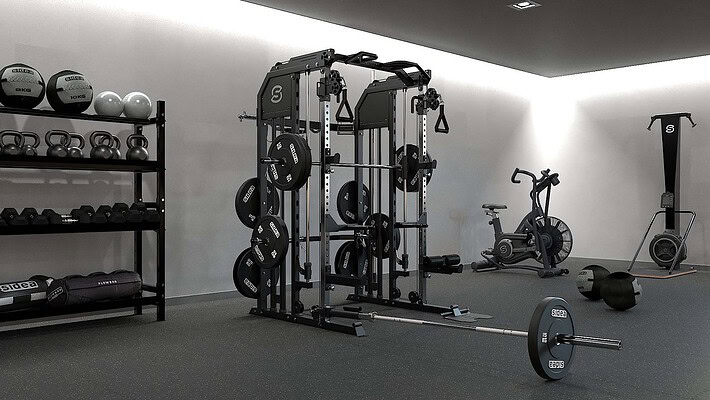
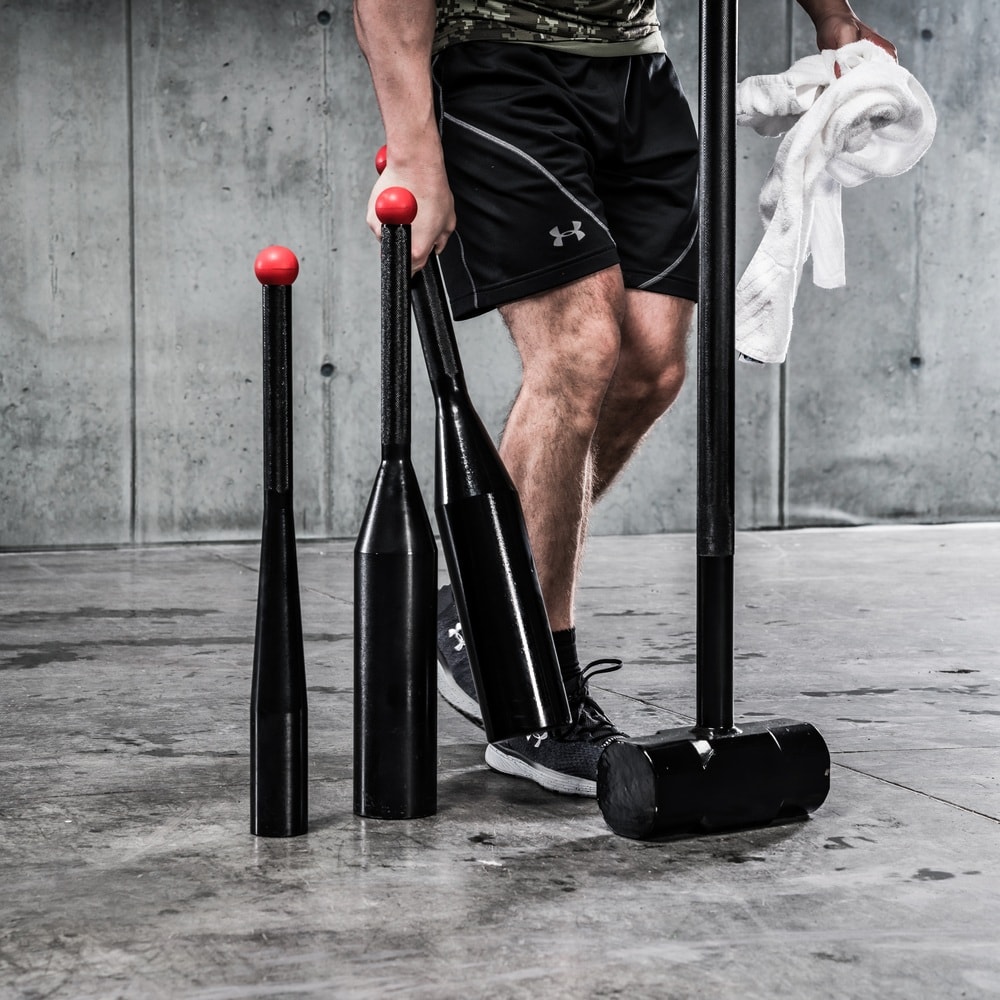
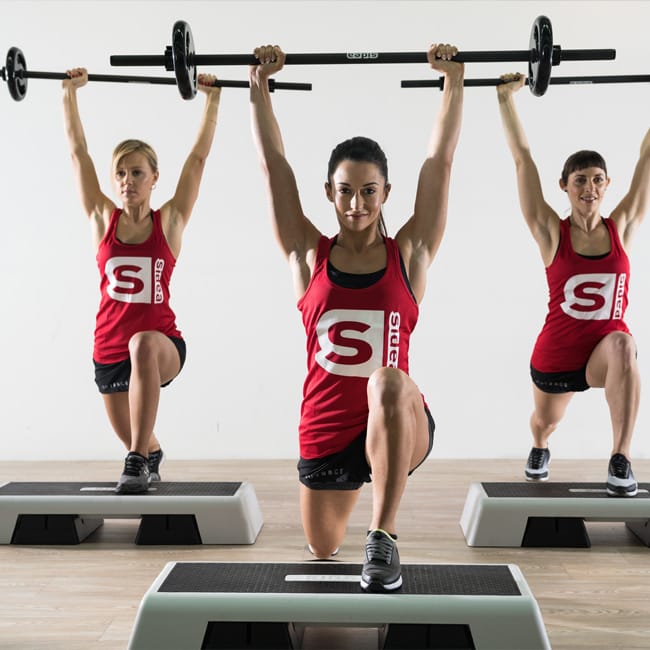
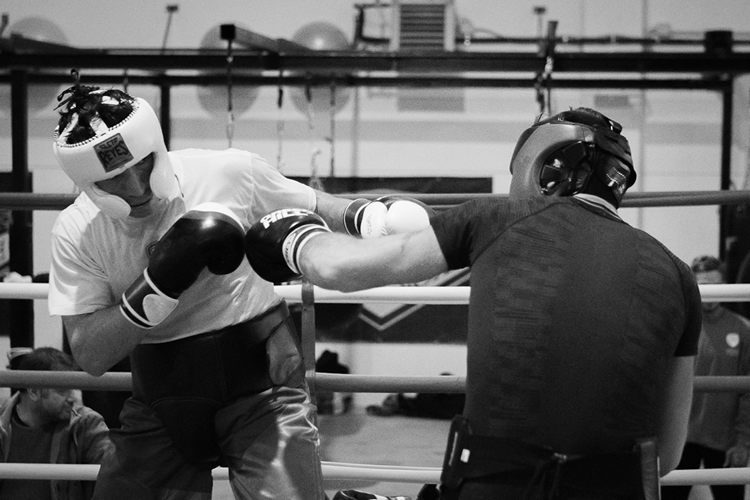
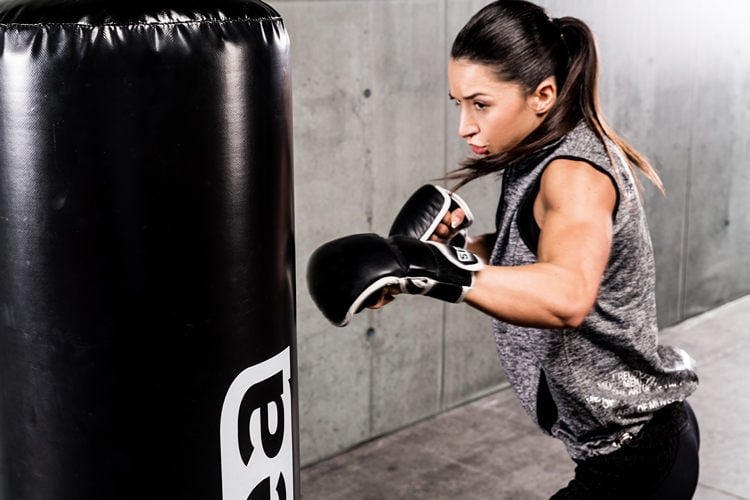
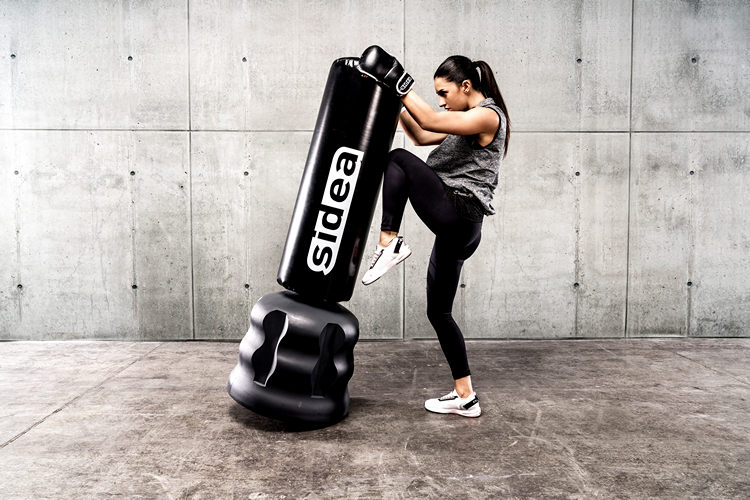
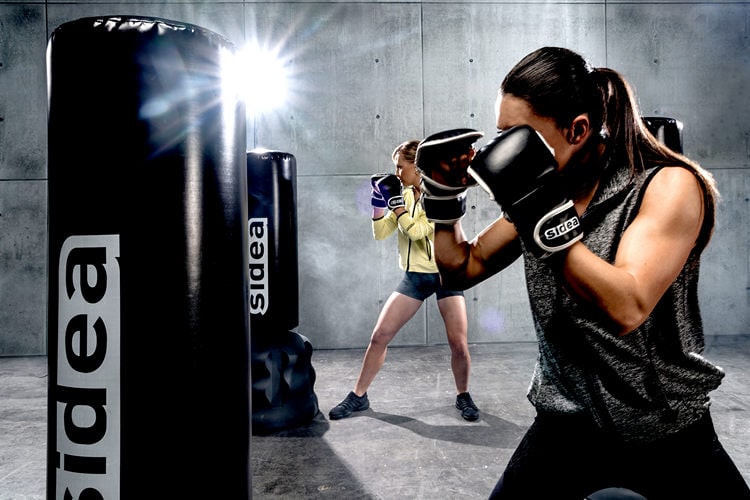
"The exercises vary a lot depending on the stage of the match. In addition to bench presses and gym sessions with various machines, I do a lot of circuits with functional equipment, of which the most used are barbells [LINK].handlebars [LINK].kettlebells [LINK].and ropes [LINK]. but also medical balls [LINK].elastic bands [LINK]. and plyoboxes [LINK].. Obviously, the closer you get to the match, the more you switch to technical boxing training, thus using punching bags [LINK]. of various types and jump ropes'.
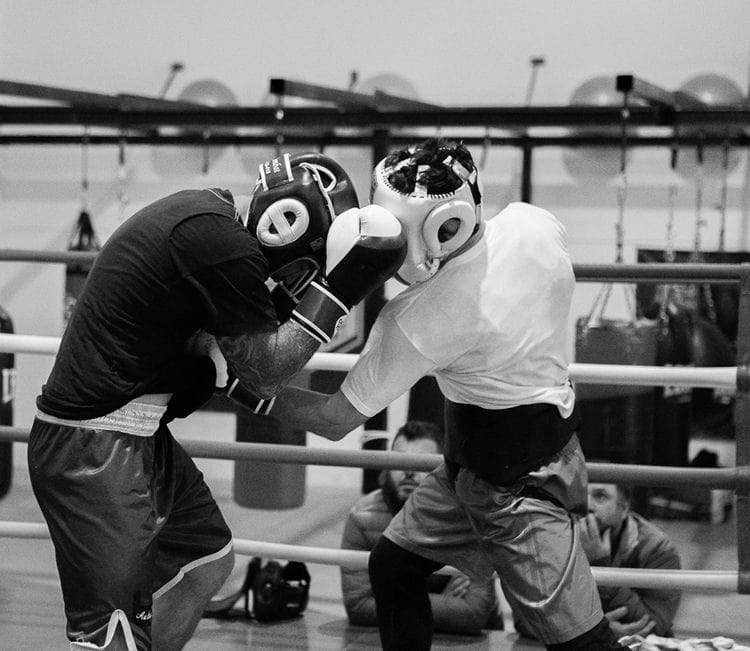


How are the training sessions before a meeting structured?
"It's like entering another world: two or even three sessions a day, for a total of nine to 12 workouts a week. I usually start with high-intensity cardio and pure strength training, with heavy loads and very long duration workouts, so that I store up as much breath and strength as possible. A month before the match, on the other hand, all the load is transformed into speed and explosiveness, with short workouts and light loads to complement all the technical-tactical work for boxing in the ring with the coach and sparring partners. Recovery after a fight? As a good Romagnolo, I go to my mum's house for a reload of cappelletti and piadina col prosciutto!
What inspired you to become a boxer and what are your next goals?
"From an early age I played sports such as swimming and football, but I wasn't very good at it: the one time I was made to shoot a penalty I even missed it! Then I was always grounded because I was very 'lively': I was always fighting with one of my neighbours, so much so that one day this child's father told me that if I wanted to punch I should go boxing, and so I did. When I was 14 I showed up, small and skinny, at the gym and told the coach that I wanted to be a world champion, and he started training me. From that day on I went to the gym every day with the desire to learn, work and win and, after 135 fights as an amateur, I turned professional in 2007. Now after so many satisfactions I am aiming for the title of Champion of Europe, the Champions League of boxing, for which I already fought in 2016 in Rome, and I might have another chance in spring 2019."
Discover Combat sports training equipment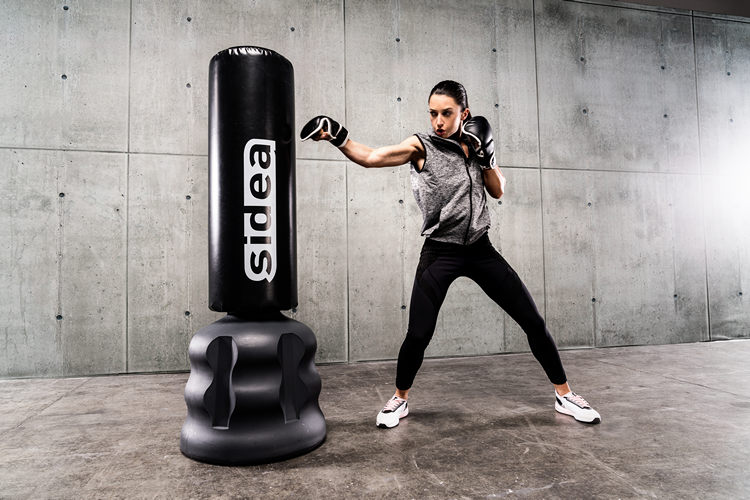


 Defibrillator AED
 Gift CardSidea
 Spare parts