Bumper plates: the Sidea range
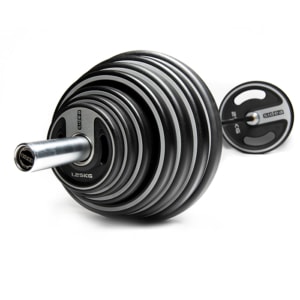
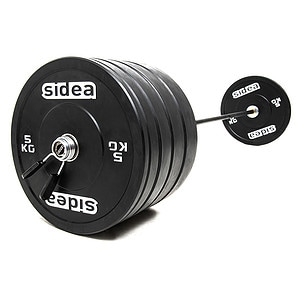
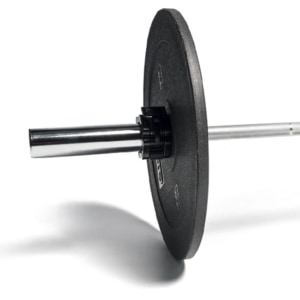
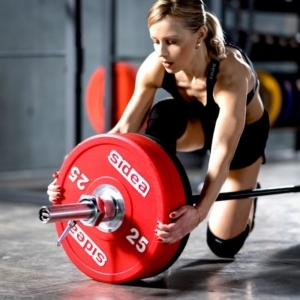
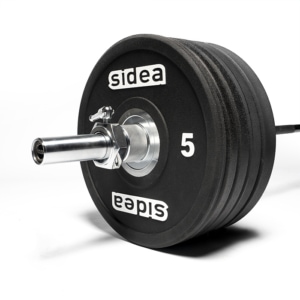
Bumper plates are discs with a steel core and a rubber or polyurethane shell, designed to be lifted and dropped onto the floor without damaging the platform, barbell or the disc itself. This sets them apart from cast iron or raw steel plates. The Sidea catalogue features 17 products covering the entire range: from 0.5 kg fractional plates for milligram-level progression in strength training cycles, right through to complete 150 kg kits designed to set up a training area straight away. The materials vary — vulcanised black rubber, recycled crumb rubber, high-density polyurethane — and each meets specific requirements for durability, controlled bounce and dimensional tolerance.
Who are bumper plates for?
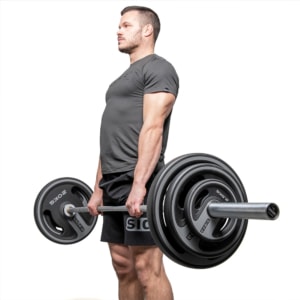
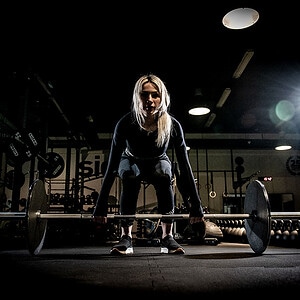
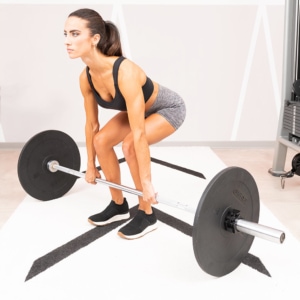
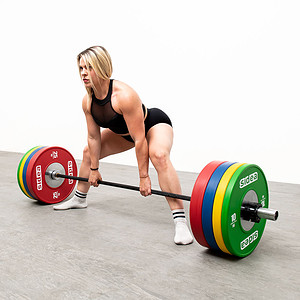
Their range of use is wider than one might think. The first example is, of course, Olympic weightlifting: any weightlifting exercise — snatch, clean and jerk, and their variations — requires the ability to release the barbell safely. Without bumper plates, every drop damages both the equipment and the floor.
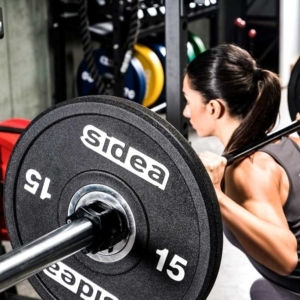
CrossFit boxes are the second natural environment. High-intensity WODs involving cleans, snatches or drop deadlifts require weight plates that can withstand hundreds of drops a month. Here, crumb rubber or high-quality PU make all the difference over time.
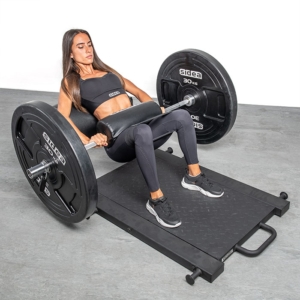
Athletic trainers and strength coaches also use bumper plates in supplementary powerlifting contexts and in power training programmes: the 30 kg wagon wheels (with an increased diameter) make it easier to perform deficit deadlifts from the floor, and the Deficit Sumo Squat kit with T-Bell Handle is a prime example of this.
The advanced home gym is the third scenario. Anyone setting up a proper garage gym needs weight plates that won’t bounce unpredictably on rubber flooring or tiles, and that take up minimal space on a compact weight rack. The 100 and 150 kg sets, made from black rubber or PU, are designed with this in mind.
Finally, amateur strength athletes and strongmen find powerlifting plates with side grips and wagon wheels useful for simulating grips on large diameters.
How to choose
The first criterion is the material. Black vulcanised rubber is the classic compromise: good durability, low cost, and an initial odour that fades over time. Cast polyurethane offers tighter dimensional tolerances (±0.25% on the declared weight in competition models), reduced bounce, a harder surface and is less prone to surface wear. Recycled crumb rubber has variable density and copes better with repeated high-frequency drops, but with a slightly lower weight tolerance.
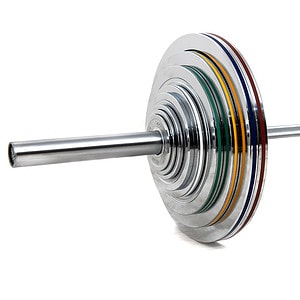
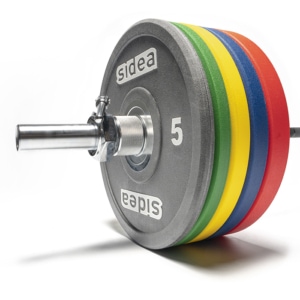
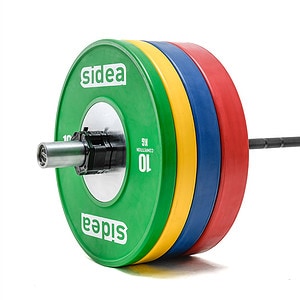
The second criterion is the intended use. For competitions or competition simulations, rubber competition bumper plates in IWF colours (white 10 kg, green 15 kg, yellow 15 kg, blue 20 kg, red 25 kg, white 50 kg) ensure the plates are handled correctly. For daily training, black rubber or black/coloured PU training plates are more practical and less expensive. For precision work on strength cycles with increments of 0.5–1 kg, fractional plates are essential.
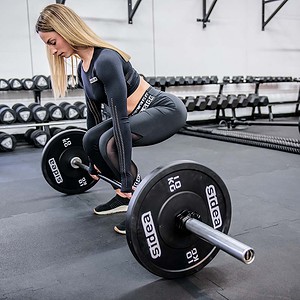
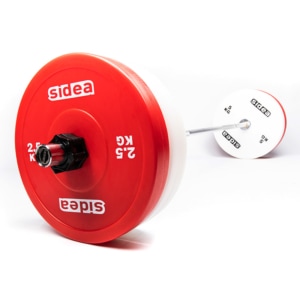
The third criterion is compatibility with the platform. On standard wooden and rubber platforms (20–25 mm), any bumper plate will work. On hard surfaces, high-density PU handles the bounce better. The 2.5 and 5 kg hollow plates, which are lighter whilst maintaining the same diameter, are designed for technical work with light barbells: they maintain the correct working diameter (450 mm) even with minimal loads.
Finally, consider the storage capacity. Pre-assembled kits already include the pair of sleeves, and some come with storage solutions on <a href=














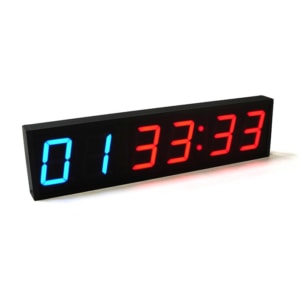 0005 Led Timer
1 × 242,48€
0005 Led Timer
1 × 242,48€ 1011 Wooden Round Balance Board
1 × 25,93€
1011 Wooden Round Balance Board
1 × 25,93€ 1013 Weightlifting Balance board
2 × 54,90€
1013 Weightlifting Balance board
2 × 54,90€ 1014K Balance Board Kit
2 × 149,45€
1014K Balance Board Kit
2 × 149,45€ 1135 Small Kit Pump Rack
1 × 251,63€
1135 Small Kit Pump Rack
1 × 251,63€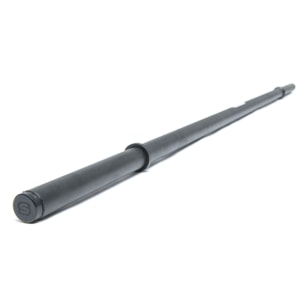 1660/1 Super Pump Iron Barbell
1 × 22,11€
1660/1 Super Pump Iron Barbell
1 × 22,11€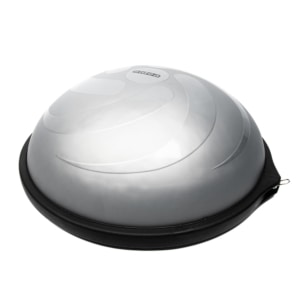 8030 Dune Ball Board
1 × 112,09€
8030 Dune Ball Board
1 × 112,09€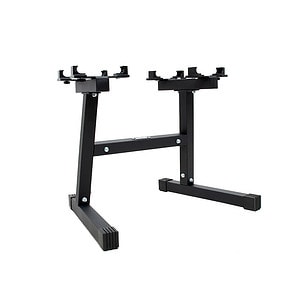 8900 NÜOBELL® 232 RACK - ADJUSTABLE DUMBBELL RACK 2-32KG
1 × 103,70€
8900 NÜOBELL® 232 RACK - ADJUSTABLE DUMBBELL RACK 2-32KG
1 × 103,70€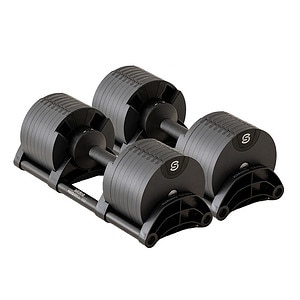 8900/32 NÜOBELL® 232 - PAIR OF ADJUSTABLE DUMBBELLS 2-32KG
1 × 634,40€
8900/32 NÜOBELL® 232 - PAIR OF ADJUSTABLE DUMBBELLS 2-32KG
1 × 634,40€ 9021 Seal Row Bench
1 × 410,23€
9021 Seal Row Bench
1 × 410,23€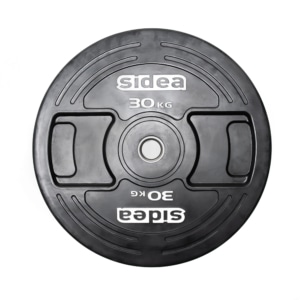 9040/30W Rubber Wagon Wheel Bumper Plate
3 × 108,89€
9040/30W Rubber Wagon Wheel Bumper Plate
3 × 108,89€ 9080K1 Light Pack
1 × 2.440,74€
9080K1 Light Pack
1 × 2.440,74€ 9080K2 Nüobell® Dumbbell Pack
2 × 3.178,83€
9080K2 Nüobell® Dumbbell Pack
2 × 3.178,83€ 9102 Functional Wall Bars Pro
1 × 295,85€
9102 Functional Wall Bars Pro
1 × 295,85€ 9201/2P EcoGym Puzzle 1cm Premium - CORNER
2 × 10,68€
9201/2P EcoGym Puzzle 1cm Premium - CORNER
2 × 10,68€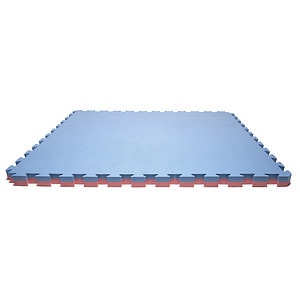 9204 Tatami Eva 4 cm - Red-Blue
2 × 42,70€
9204 Tatami Eva 4 cm - Red-Blue
2 × 42,70€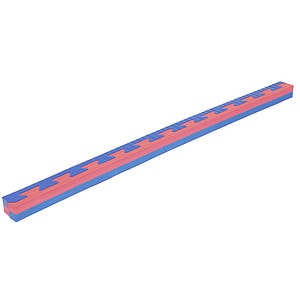 9204/1 Tatami board Eva 4 cm - COUPLE
2 × 1,53€
9204/1 Tatami board Eva 4 cm - COUPLE
2 × 1,53€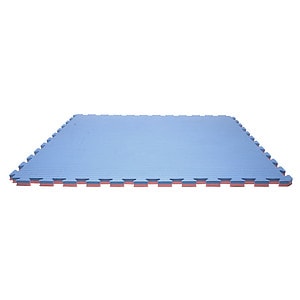 9205 Tatami Eva 2 cm - Red-Blue
1 × 21,35€
9205 Tatami Eva 2 cm - Red-Blue
1 × 21,35€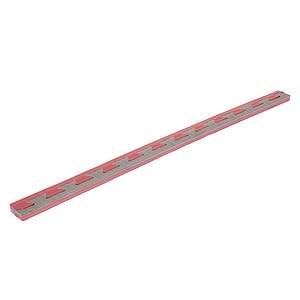 9207/1 Tatami board Eva 2 cm - COUPLE
1 × 1,53€
9207/1 Tatami board Eva 2 cm - COUPLE
1 × 1,53€ 9231 Tatami Floor 4 cm Grey-Black
2 × 42,70€
9231 Tatami Floor 4 cm Grey-Black
2 × 42,70€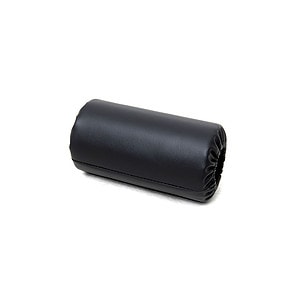 R9123/3 Replacement Cylinder for Ghd & Sissy Squat - Hamstring Bench
2 × 27,45€
R9123/3 Replacement Cylinder for Ghd & Sissy Squat - Hamstring Bench
2 × 27,45€






 Defibrillator AED
 Gift CardSidea
 Spare parts