








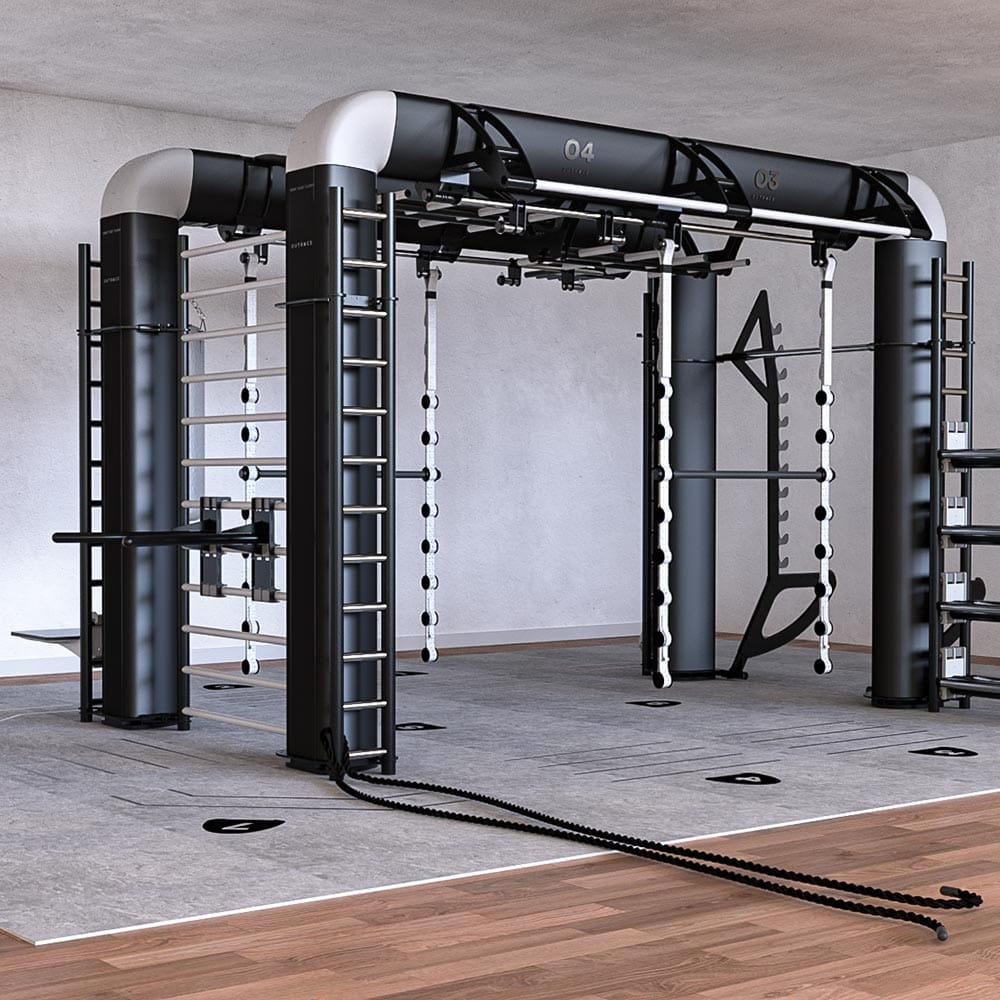


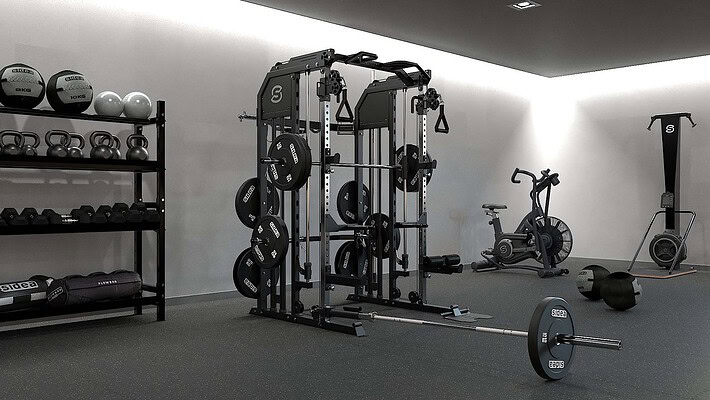


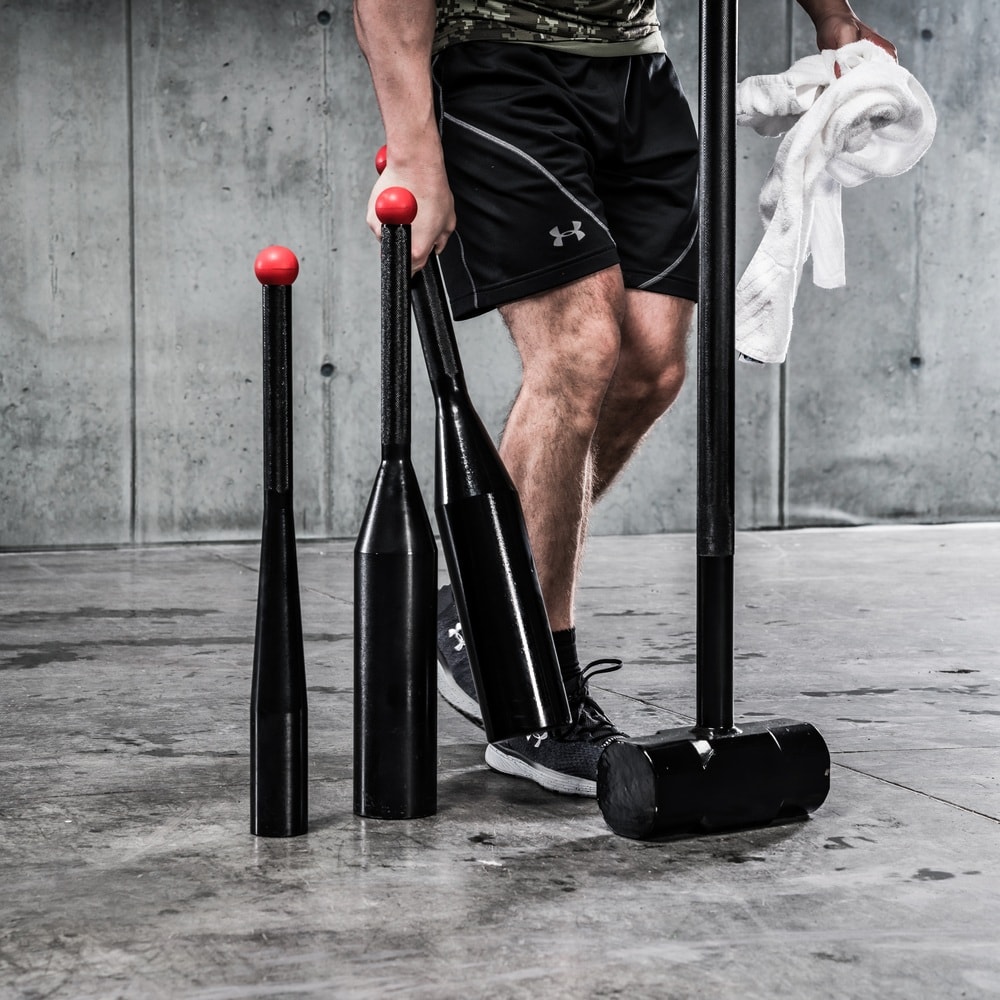
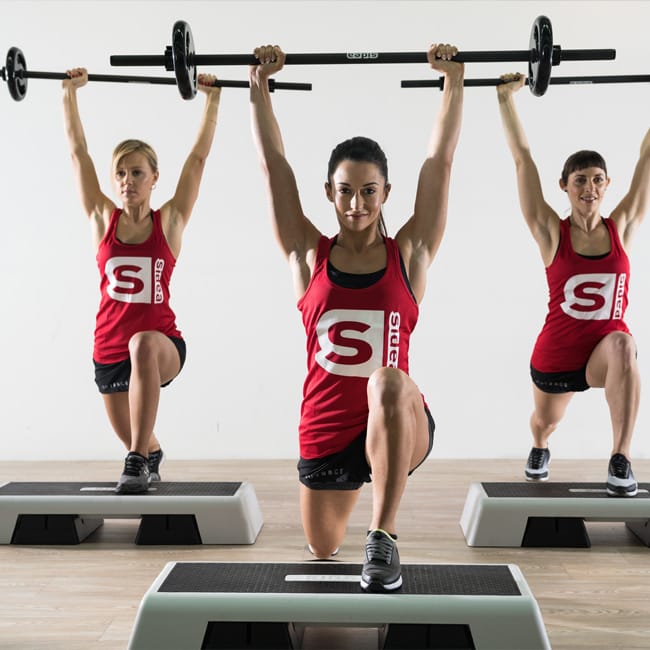



From 2025, Sidea will become the official European distributor of StrongFirst® kettlebells.
We interviewed Fabio Zonin, operations manager of the American company specialising in physical training
D: Fabio, can you tell us about your origins and how your passion for the Force came about?
Ah, my origins? Well, imagine a kid who, instead of playing football like everyone else, enjoyed lifting anything that came his way: chairs, backpacks, even the house cat (who, I must admit, was not very happy). As I grew up, I realised that maybe it was better to dedicate myself to lifting real weights, so at least the objects in the house and the poor kitty could rest easy. And so my passion for Strength was born, a mix of curiosity, a desire to challenge myself and, of course, to spare the cat further unwanted lifting.
D: What were the key moments that led you to pursue a career in natural bodybuilding?
The key moments in my natural bodybuilding career? Well, it all started when I realised that lifting was not enough to build muscle. So, I decided to move on to more serious weights. Becoming vice-president of the Italian Natural Bodybuilding Association (AINBB) in the 1990s was an important step, but the real turning point came when I stopped looking for excuses to skip training and started lifting real weights. From there, it was all squats, bench presses and a few expletives here and there
D: What made you switch from bodybuilding to strength training?
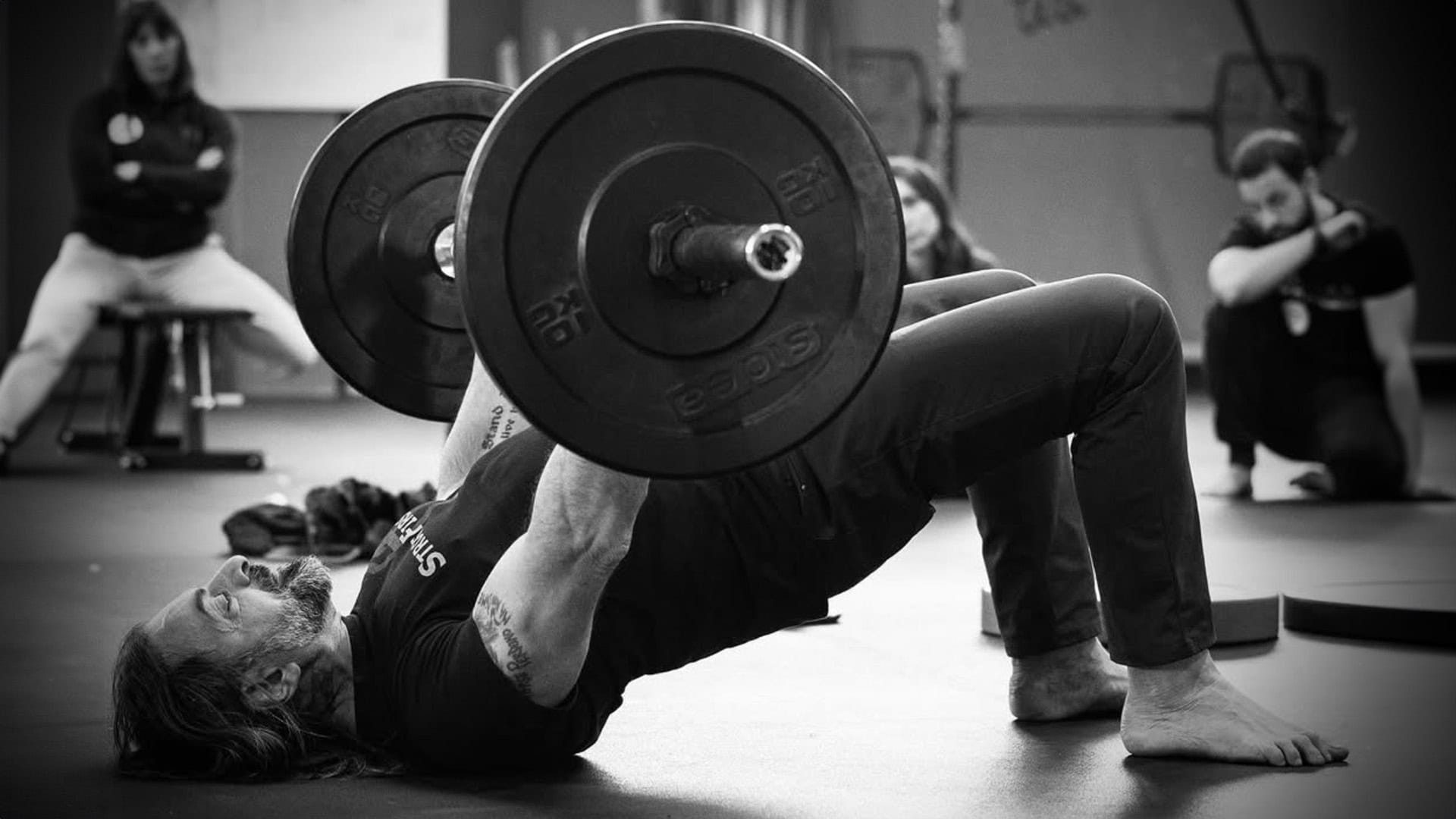
I actually started out with powerlifting, which in my day (those were the wonderful 80s) was still called 'power lifts' and only later with Bodybuilding Natural to sculpt the body into shape like a new Michelangelo; but even at this juncture I never abandoned the world of strength, killing myself with fundamentals, trying to take the loads to the extreme of what my potential was. So I would simply say I have returned to my true 'home' after all I am a gentle soul and as St Francis de Sales used to say 'nothing is as strong as kindness and nothing is as gentle as true strength'.
D: How did you discover kettlebell training and what fascinated you about this discipline?
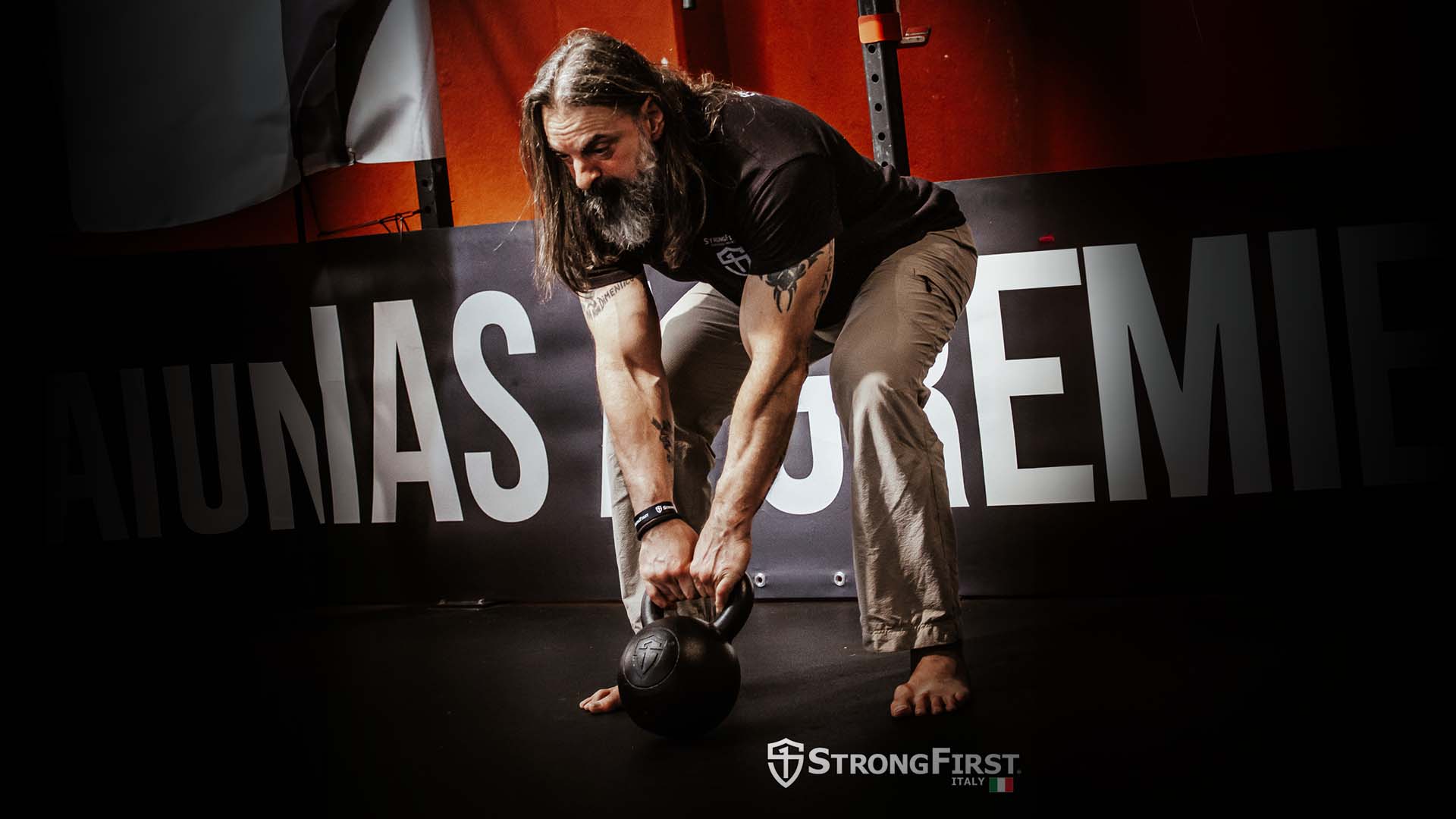
The encounter with the kettlebell, in the first instance curiosity arose from reading Mario Civalleri's articles, these readings planted a bug in my brain that would not stop biting me. Turning then to reading Pavel Tsatsouline's texts, the exploration of this strange instrument became a real obsession, After years spent lifting barbells and dumbbells, I absolutely had to master this strange 'cannonball with a handle' and I did. The effectiveness of the kettlebell in its 'simplicity' immediately won me over. It was like discovering a new toy that made training more dynamic and fun. Moreover, the kettlebell's versatility allowed me to combine strength, endurance and coordination in one tool. Since then, the kettlebell has become a fundamental part of my training and teaching.
D: How does strength training complement kettlebell training in its approach?
Integrating strength training with kettlebell training is like combining business with pleasure: on the one hand, you develop functional strength and, on the other, you have fun with dynamic exercises. The kettlebell is a versatile tool that allows you to train several fundamental motor patterns, such as the squat, hip hinge, push-ups and pull-ups, involving the whole body in a synergetic manner. This approach not only improves strength, but also coordination, mobility and endurance. Furthermore, training with kettlebells allows for ballistic movements that develop power and cardiovascular capacity, making the workout complete and effective. In summary, combining strength training with kettlebell training offers an efficient way to build a strong, functional and harmonious body.
D: Can you share a significant personal experience you have had during your career in the fitness world?
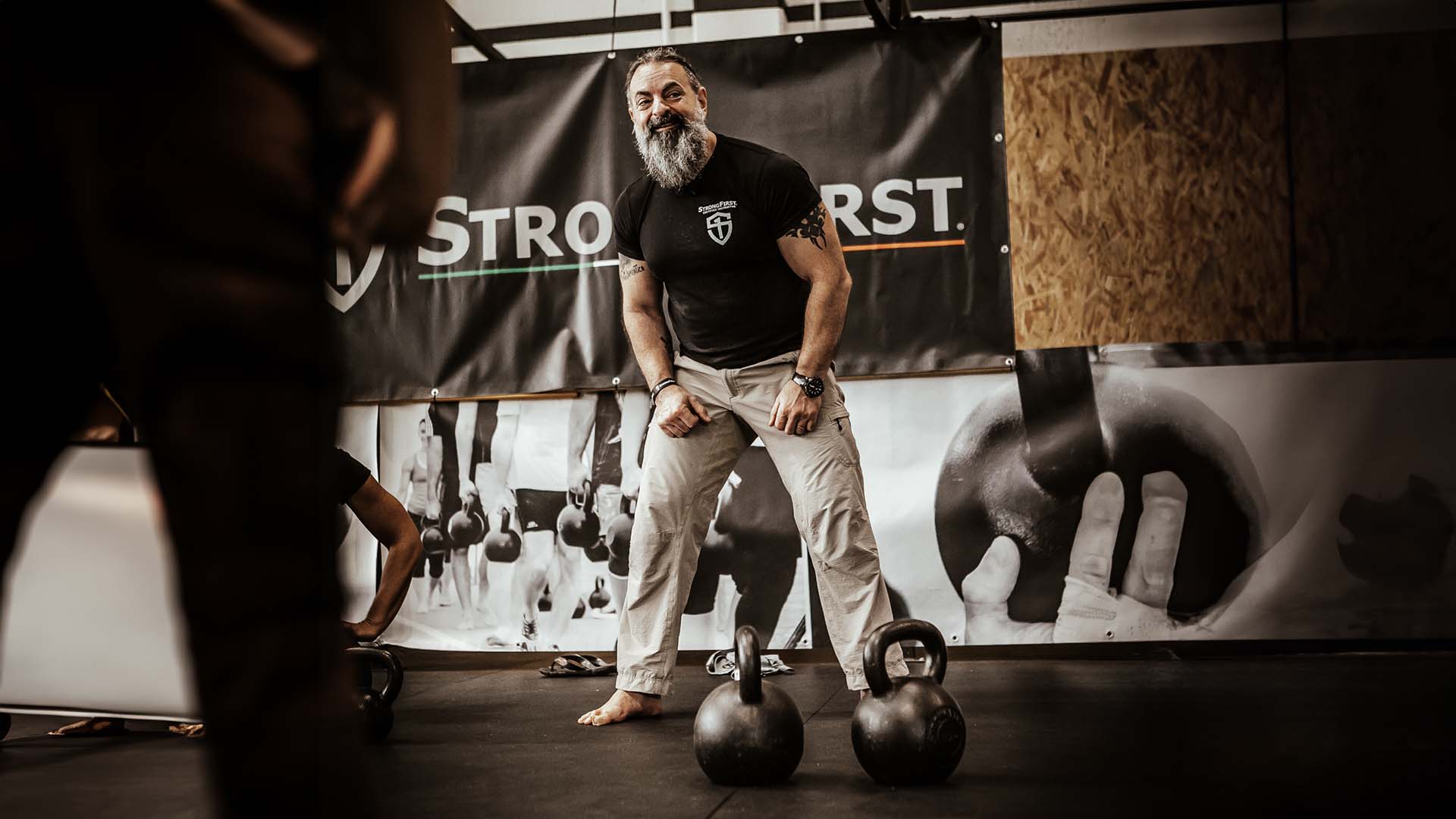
A significant personal experience in my fitness career was participating in the Beast Tamer Challenge. This test consists of completing three exercises with a 48 kg kettlebell: a pull-up to the bar, a pistol squat and a military press. Being the first Italian to pass this challenge was an important milestone for me, proving that with dedication and constant training it is possible to achieve ambitious goals.
D: What are the biggest challenges you have faced in your career and how did you overcome them?
One of the biggest challenges I have faced in my career has been the transition from powerlifting to natural bodybuilding and, subsequently, to functional strength training. Each discipline requires a specific approach and adapting to new methodologies has not been easy. However, this evolution has allowed me to broaden my skills and develop more comprehensive and effective training programmes. In addition, a series of injuries suffered over the years forced me to review my approach to training, leading me to create the 'Built Strong' programme for functional hypertrophy. This experience taught me the importance of adapting and innovating to overcome difficulties.
D: How do you keep your motivation and passion for training high after more than 40 years in the industry?
Keeping my motivation and passion for training high after more than 40 years in the industry is a matter of continuous evolution and curiosity. I have always tried to expand my knowledge, collaborating with various international organisations and developing advanced training programmes. This has allowed me to stay abreast of innovations in the field of strength training and pass on new skills to my students. In addition, recently taking on the role of Contract Lecturer in the Department of Biomedical Sciences at the University of Padua gives me the opportunity to contribute to the training of future professionals in the field, keeping my passion alive through teaching and sharing my experiences
D: What advice would you give to someone who wants to start or improve their strength training?
For those who want to start or improve their path in strength training, here are some practical tips:
- Start with free-body exercises: Before adding weights, master fundamental movements such as squats, push-ups and planks. This will help you develop a solid base and prevent injuries.
- Focus on multi-joint exercises: Movements such as squats, deadlifts and presses involve multiple muscle groups, improving functional strength and training efficiency.
- Follow a structured schedule: Plan your training sessions with clear and progressive goals.
- Prioritise correct technique: Make sure you perform each exercise with the appropriate form to maximise the benefits and reduce the risk of injury.
- Consult a professional: Working with an experienced trainer can provide you with a customised programme and ensure that you are performing the exercises correctly.
Remember, strength training is a continuous journey. Keep curious, be patient with yourself and celebrate every little progress along the way.
D: How do you see the evolution of fitness and strength training in recent decades?
In recent decades, fitness and strength training have undergone remarkable transformations. In the 1970s and 1980s, aerobics and bodybuilding dominated the scene, with aerobics popularised by figures such as Jane Fonda and bodybuilding by icons such as Arnold Schwarzenegger. The 1990s saw a diversification of fitness activities, with the introduction of disciplines such as spinning and Zumba, and the emergence of the first wearable technologies for monitoring physical activity. With the beginning of the new millennium, the focus shifted to functional training and High-Intensity Interval Training (HIIT), which combine strength, endurance and agility. In more recent years, there has been an increasing emphasis on personalised training and the adoption of digital solutions, with online and app-based fitness programmes allowing people to train from the comfort of home. In summary, the evolution of fitness reflects a growing awareness of the importance of physical activity for health and well-being, accompanied by technological and methodological innovations that have made training more accessible, effective and personalised.
D: Can you tell us a funny or memorable anecdote related to your experience as an instructor?
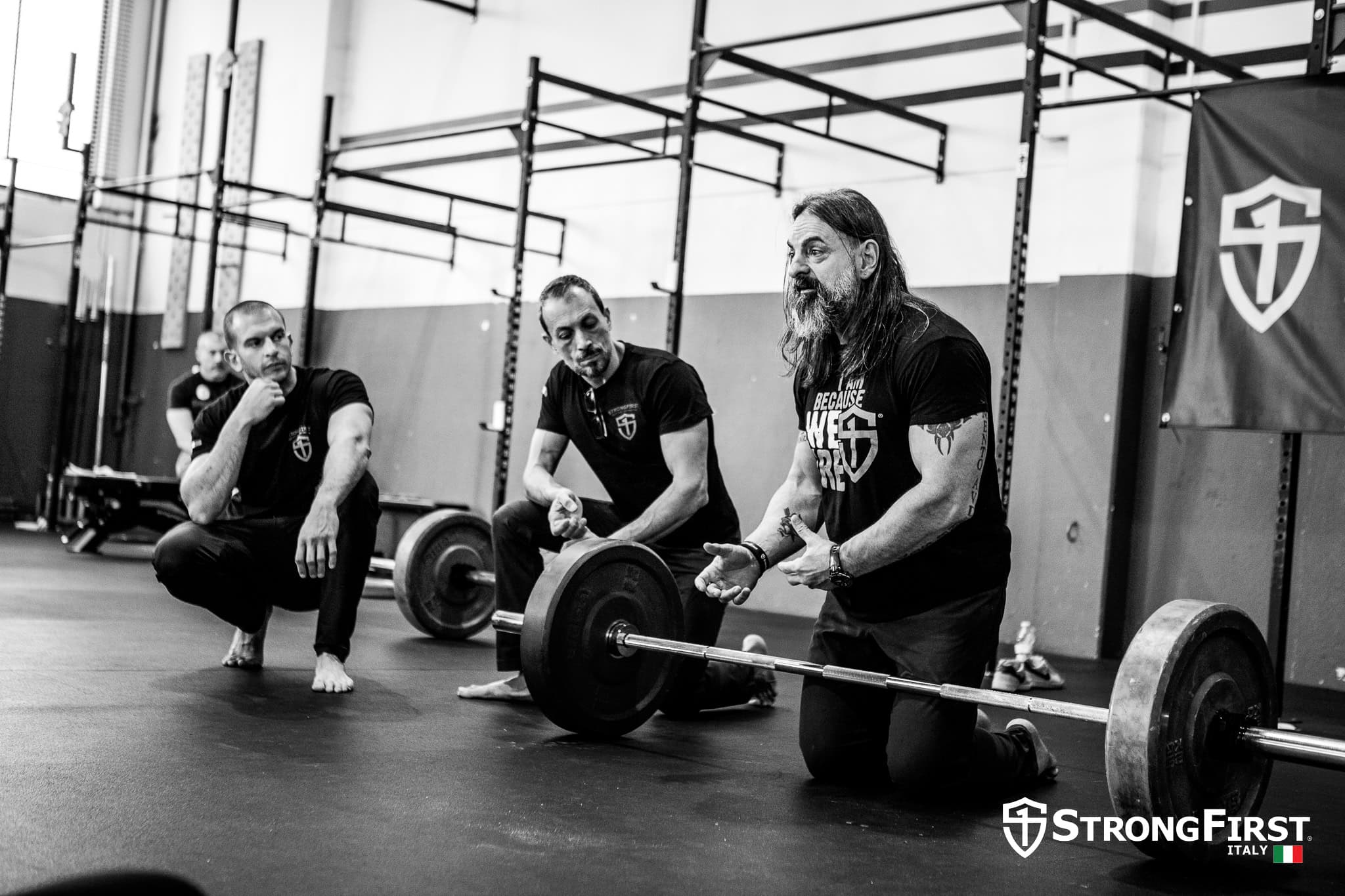
Funny anecdotes are never lacking in my work! I remember once, during an advanced course on barbell exercises, when I was explaining the importance of 'abdominal bracing' and 'cylinder tension', a particularly enthusiastic student decided to immediately put into practice what he had learned. Too bad that, in the heat of the moment, he overdid the intra-abdominal pressure, emitting a resounding... er, let's say involuntary 'air blow'. The class burst out laughing, and I took the opportunity to stress the importance of dosing tension correctly to avoid unwanted 'side effects'. Since then, whenever I talk about 'bracing', I can't help but smile thinking about that episode.
D: What was the most valuable lesson you received during your fitness career?
One of the most valuable lessons I have received in my fitness career is the importance of considering the body as an integrated system, rather than focusing on individual muscles. This holistic approach has allowed me to develop more effective and sustainable training programmes, promoting functional strength and harmonious muscle balance. Furthermore, I have learnt that patience and perseverance are key to achieving lasting results, avoiding shortcuts and ineffective methods. These principles guide me daily in my work with athletes and fitness enthusiasts.
D: What are your future goals in the world of strength training and kettlebell training?
My future goals in the world of strength training and kettlebell training are focused on three main areas:
- Research and development of innovative programmes: Continue to create and perfect training programmes that effectively combine strength, hypertrophy and functionality, such as my 'Built Strong' programme.
- Training and dissemination: Through workshops, certifications and online content, I wish to share my knowledge with an ever-growing community of enthusiasts and professionals.
- Academic collaborations: As an Adjunct Lecturer in the Department of Biomedical Sciences at the University of Padua, I intend to contribute to the training of future professionals in the field by integrating strength training practice with the latest scientific findings.
I am committed to promoting a culture of strength that is accessible, effective and sustainable for all.
D: How would you describe the impact of strength training on the quality of life of mature people?
Strength training is crucial for improving quality of life, especially for mature people. As we age, we tend to lose muscle mass and strength, which can negatively affect our independence and general well-being. Incorporating strength training into the daily routine helps maintain and even increase muscle mass, improving mobility, balance and reducing the risk of falls. In addition, strength training helps maintain bone density, counteracting conditions such as osteoporosis. Importantly, it is never too late to start: appropriate training programmes can be adapted to any age and fitness level, bringing significant benefits to health and quality of life. In summary, investing time in strength training is an essential step towards living a longer, healthier and more independent life.
D: Can you share a success story of one of your students that particularly impressed you?
Throughout my career, I have had the privilege of witnessing numerous success stories among my students. One example that comes to mind is that of a young athlete who, after suffering an injury in powerlifting, wanted to return to competing in bodybuilding. By applying the principles of the 'Built Strong' programme, which focuses on training motor patterns rather than muscle isolation, he was able to prepare effectively for competition, achieving second place. This approach allowed him to train without reaching muscle failure, maintaining functionality and preventing further injuries.
This experience emphasises the importance of customised programming and attention to motor patterns in strength training, elements that can lead to outstanding results for both professional and amateur athletes.
D: What are your sources of inspiration in the world of fitness and strength training?
My sources of inspiration in the fitness world have been many and varied. Initially, iconic figures such as Arnold Schwarzenegger, Franco Columbo and Frank Zane ignited my passion for bodybuilding. Later, meeting Pavel Tsatsouline and the StrongFirst philosophy revolutionised my approach to strength training, introducing me to the effectiveness of kettlebell training. In addition, collaborations with organisations such as Flexible Steel and Original Strength, FMS (Functional Movement System), BPro, DNS (Dynamic Neuromuscular Stabilisation), and many others, have allowed me to explore advanced techniques and develop a more holistic view of training. These experiences, combined with my constant curiosity and desire to learn, have shaped my career path, pushing me to always seek new methodologies to improve my students' performance.
D: What message would you like to leave to our readers who are looking to improve their health and fitness?
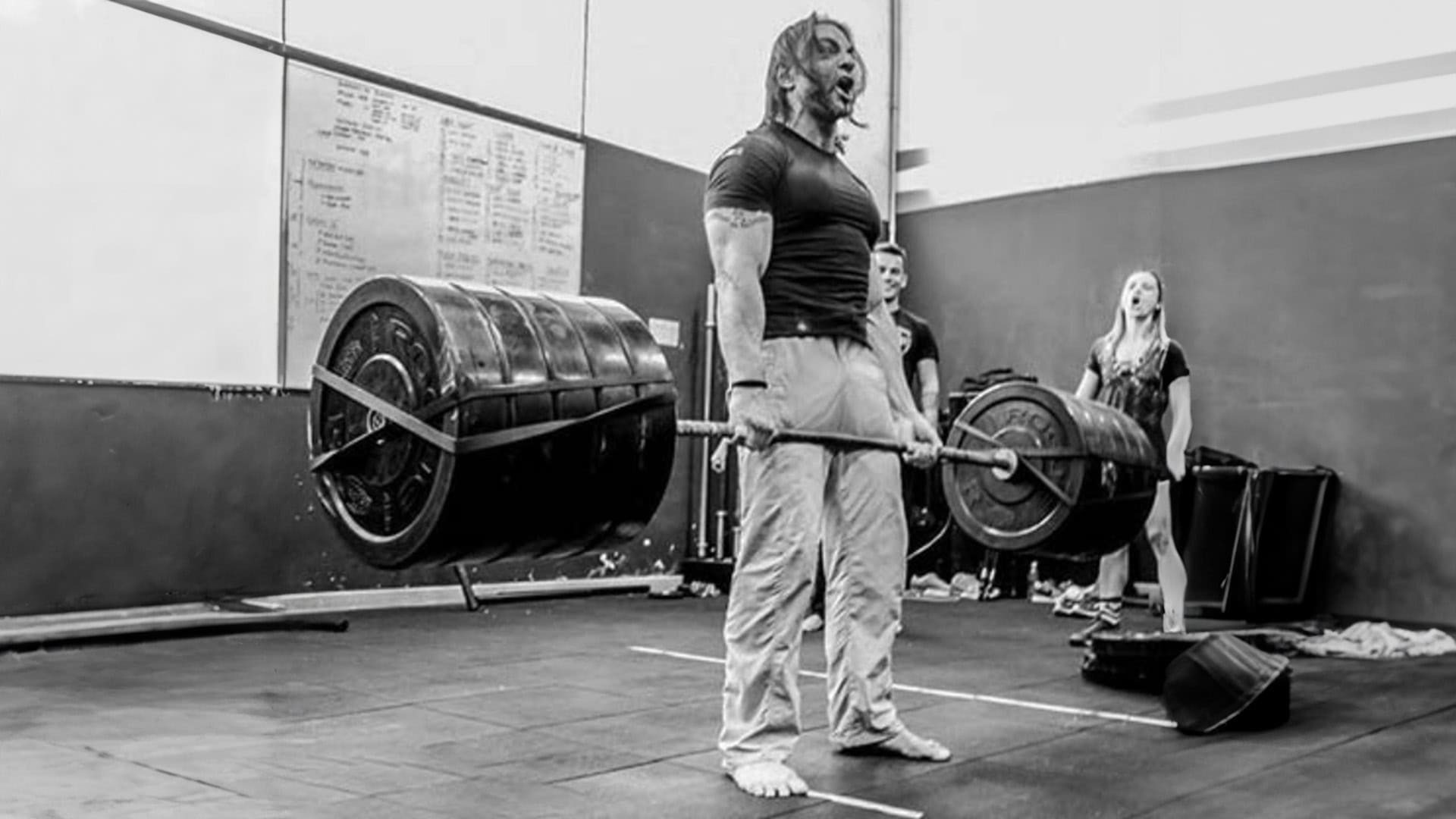
To improve health and fitness, I recommend adopting a balanced approach that integrates strength training, healthy nutrition and proper recovery. Strength training, through exercises such as squats, deadlifts and presses, is essential to develop functional muscles and prevent injuries. Rest and recovery are essential to allow the body to adapt to training stimuli and prevent overtraining. In addition, it is important to maintain an open and curious mindset, continuing to learn and adapting your approach according to your personal needs and specific goals. Remember, perseverance and patience are key keys to achieving lasting results.
D: Fabio one last question, this is a personal curiosity, why Strongfirst, why not another characteristic?
The philosophy of StrongFirst, founded by Pavel Tsatsouline, is based on the idea that strength is the fundamental physical quality on which all other athletic abilities are built. This concept is summed up in the motto 'Strength has a higher purpose'. StrongFirst's approach emphasises the importance of developing functional strength through compound movements and the use of equipment such as kettlebells, barbells and body weight. This method aims to improve not only muscular strength, but also mobility, endurance and coordination, creating a solid base for any physical or sporting activity. and even if I repeat myself a little, let's not forget that being good people anyway, 'nothing is as strong as kindness and nothing is as kind as true Strength'.
Sidea & Fabio Zonin

 Defibrillator AED
 Gift CardSidea
 Spare parts