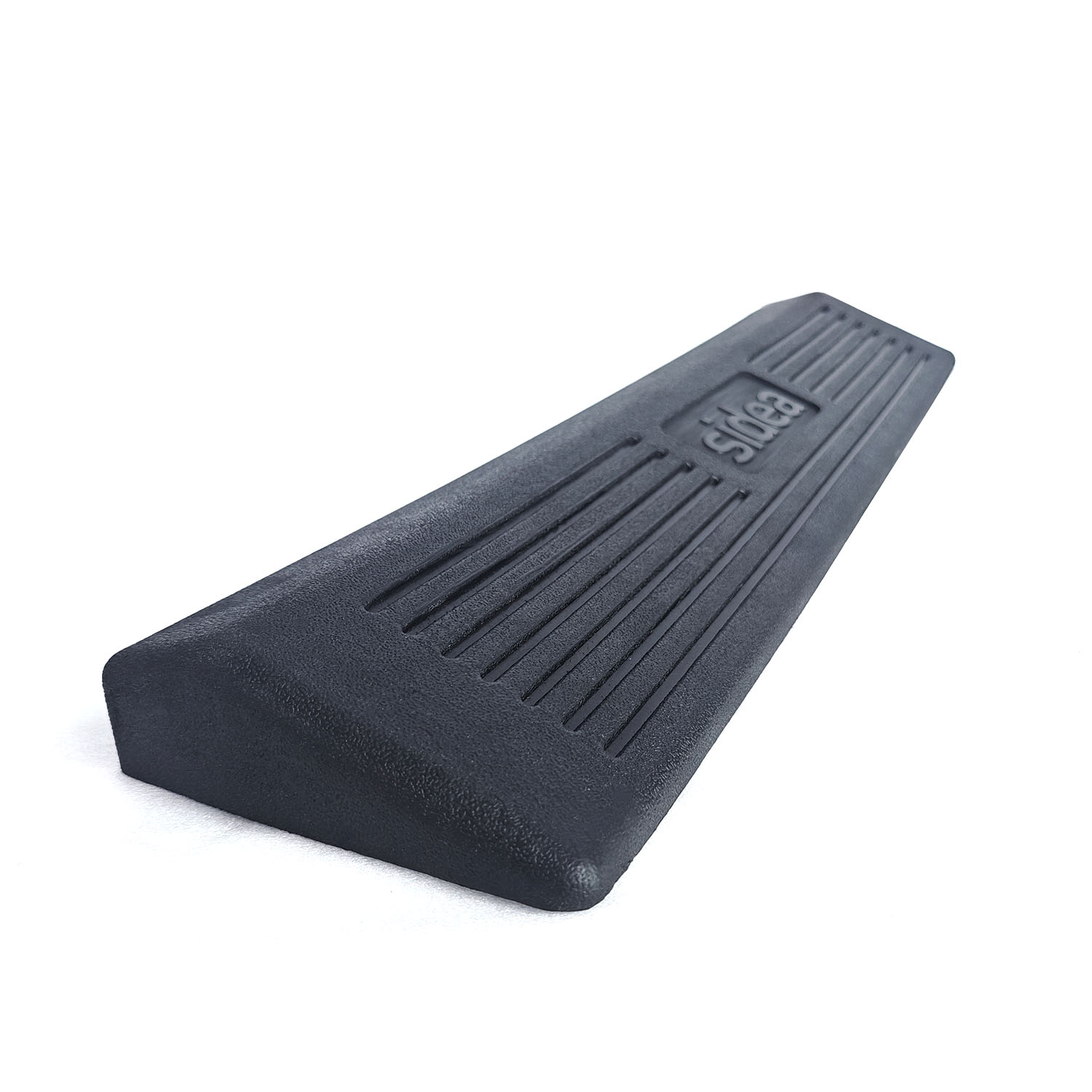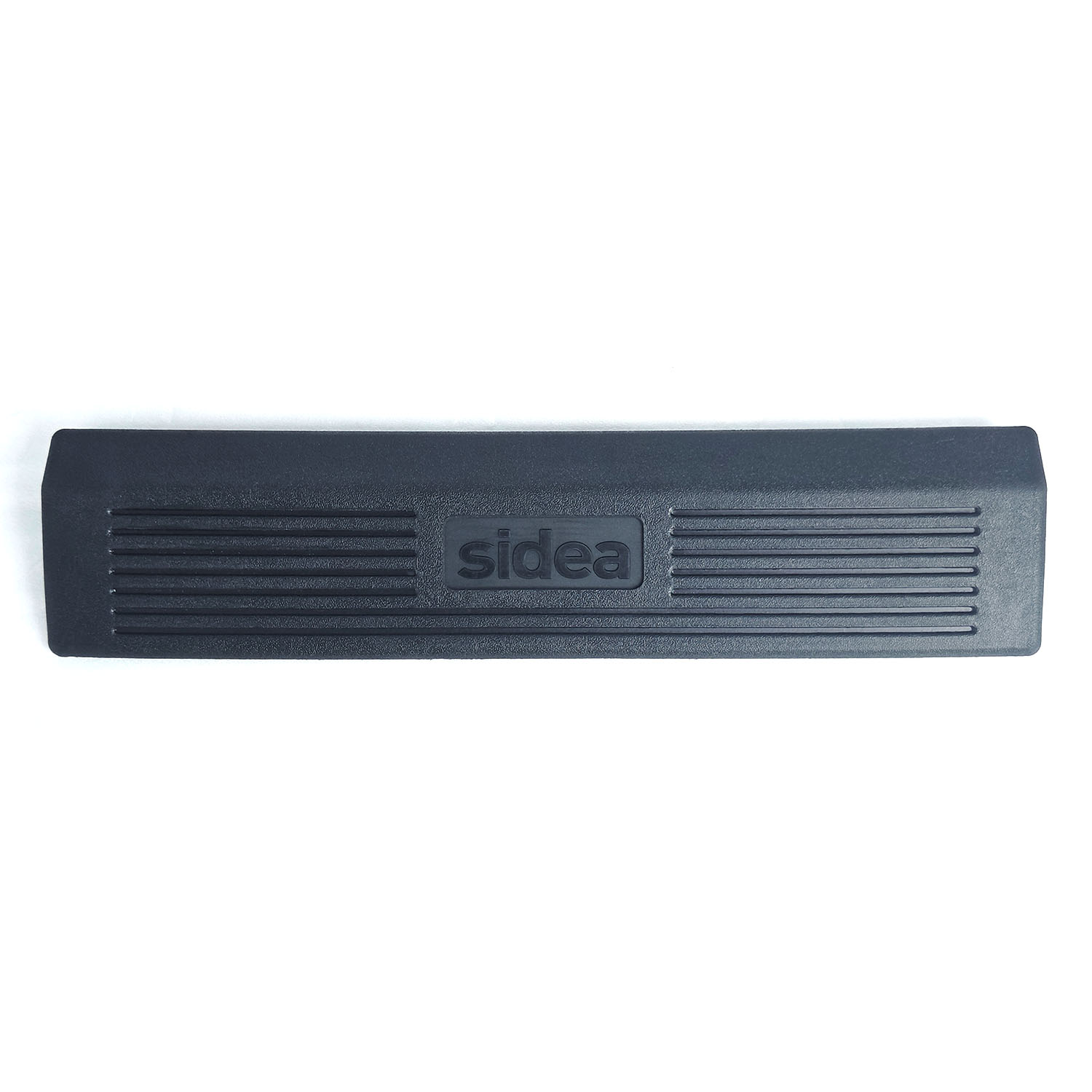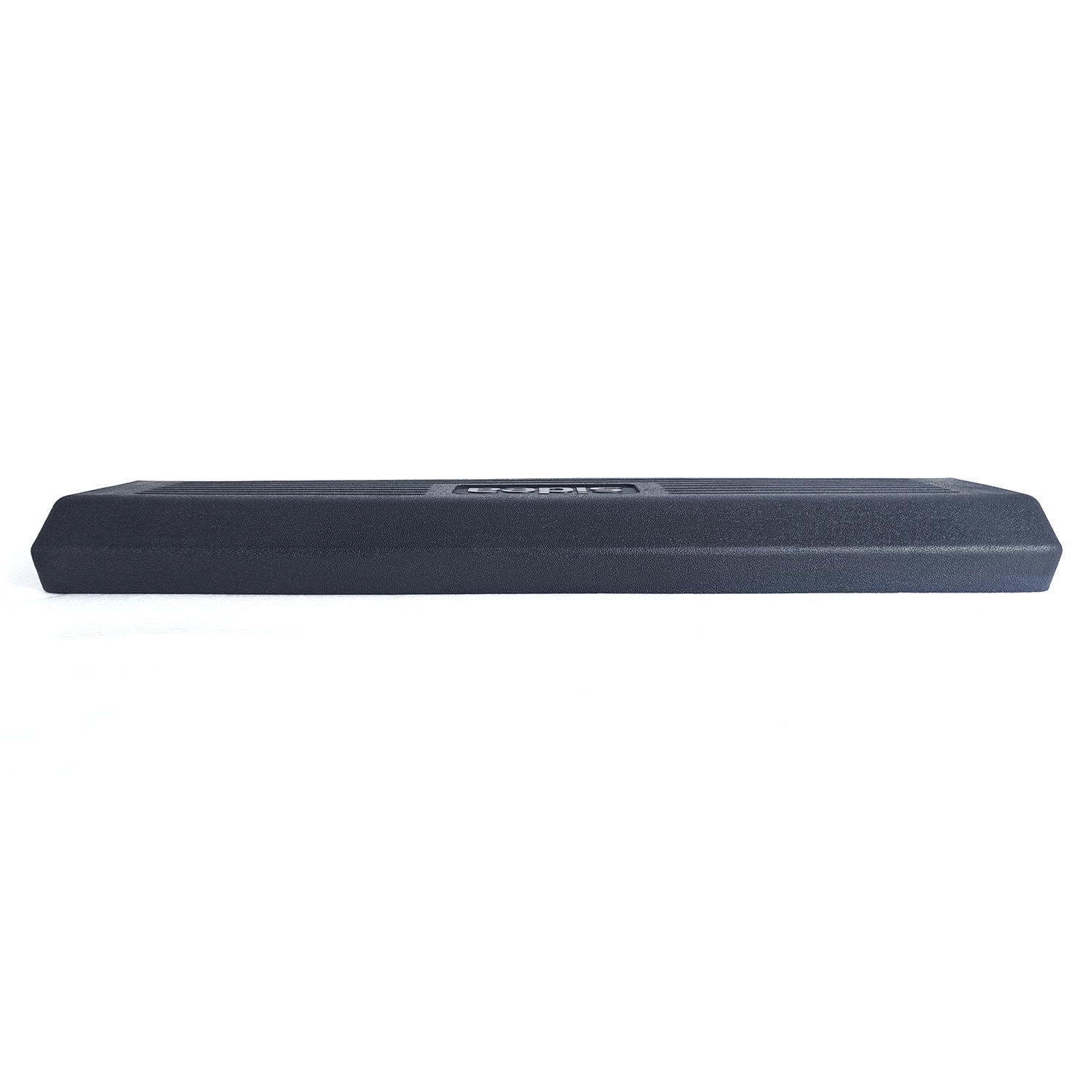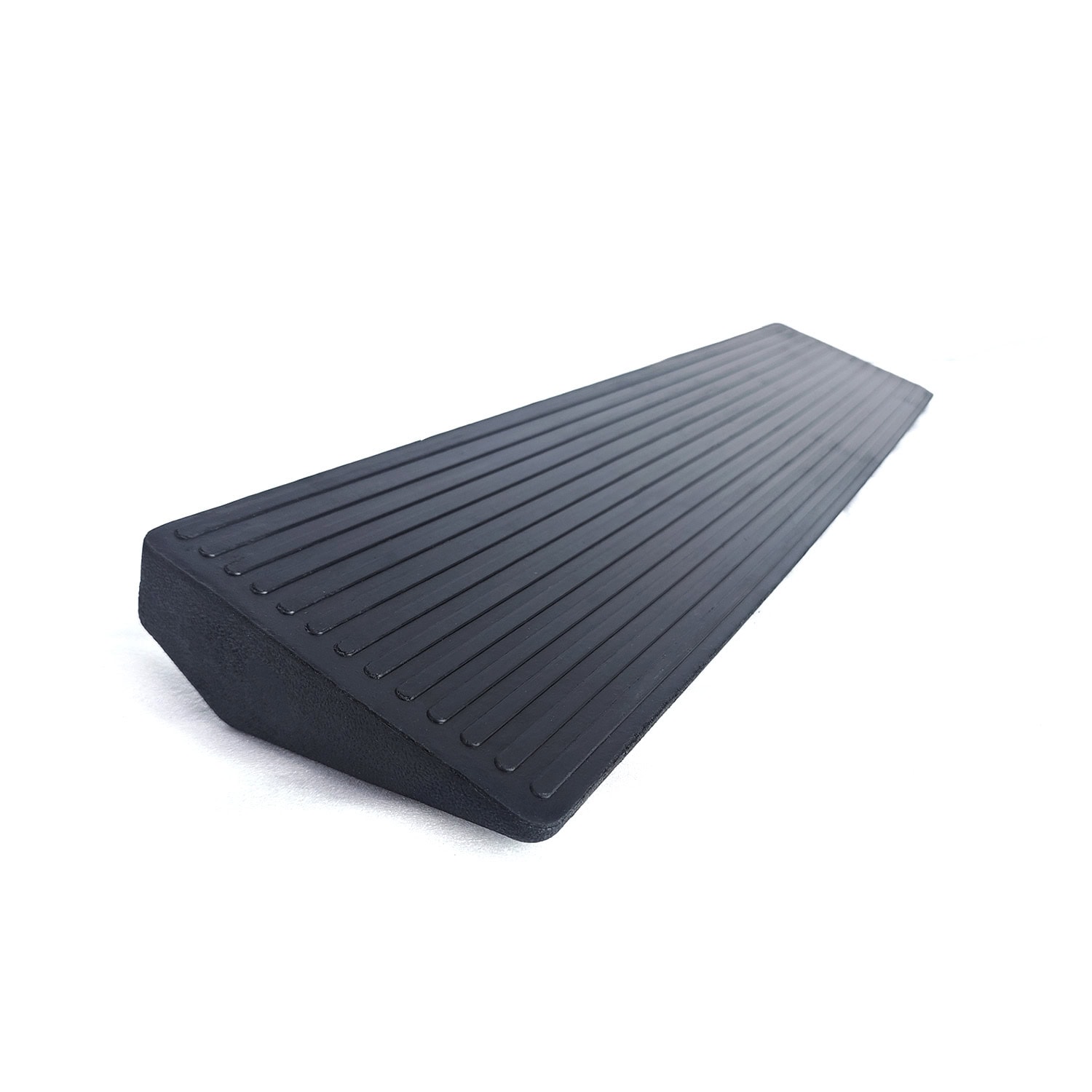

9114/1 Sidea Rubber Squat Wedge – Rubber slant board and squat wedge
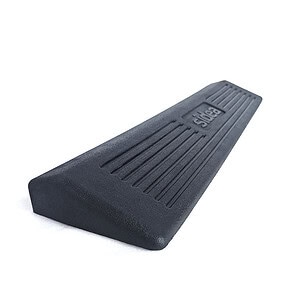
The 9114/1 Rubber Squat Wedge is a rigid rubber slant board, a squat wedge that allows you to adjust your foot placement during squats, lunges and complementary exercises. It is used in athletic training, strength training and bodybuilding, as well as in programmes focused on fitness and wellbeing, both in the gym and at home.
These pieces of equipment are commonly referred to as squat wedges, squat ramps or platforms, squat risers, heel risers or inclined platforms. The English terms ‘squat wedge’ and ‘slant board’ refer to supports that allow you to train on an inclined surface, altering the position of the foot and, consequently, the relationship between the ankle, knee and hip; the corresponding exercise is also known as a heel-elevated squat.
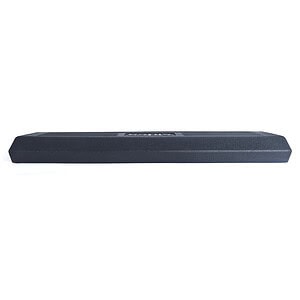
In the Rubber Squat Wedge Sidea, the 20° incline was chosen to strike a balance between the effect of a pronounced rise – which helps to facilitate a deeper squat and a more upright torso – and the need to minimise variations in load distribution associated with steeper inclines. However, the response to the elevation depends on individual mobility, body proportions and the specific exercise variation used.
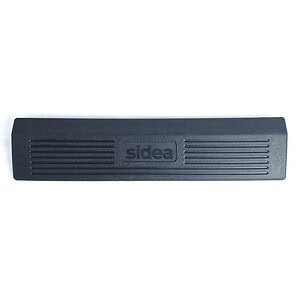
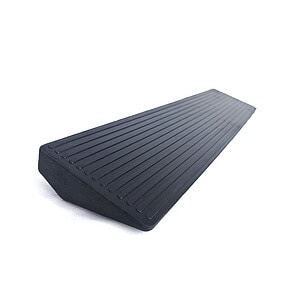
The 70 cm length allows you to place both feet on the same support and to vary the distance between your feet. The grooved surface helps your footwear grip, whilst the rigid rubber contributes to the stability of the equipment. It is also possible to use partial foot support: by adjusting your position on the ramp, you can adjust the height of the heel raise to suit the exercise and your individual needs.
Why do squats with your heels raised?
- To help you achieve a deeper squat.
During the descent into a squat, the knees bend and the shins move forward beyond the feet. With the foot flat on the floor, this movement requires dorsiflexion of the ankle – that is, the ability to bring the shin closer to the top of the foot.
By raising the heels relative to the forefoot, the initial angle of contact is altered: a given forward movement of the tibia can be achieved with less anatomical dorsiflexion. The wedge can therefore make the descent easier when ankle mobility is a limiting factor, allowing for a deeper range of motion whilst maintaining control over the movement.
- Encourage a more upright posture.
Being able to move your knees further forward can reduce the need to tilt your hips back and lean your torso forwards. For some users, raising the heels therefore makes it easier to perform a squat with a more upright torso.
This adjustment can be useful when learning the movement and in variations where this position is required, such as the goblet squat with a kettlebell or dumbbell, and certain barbell exercises. However, the posture should be adapted to the individual: a slight forward lean of the torso is normal in many forms of squat and does not, in itself, constitute a technical error.
- Focus the workout more on the quadriceps.
By altering the relationship between the forward movement of the knees and the angle of the upper body, the elevated-heel squat can increase the demand placed on the knee extensor muscles.
This is why squat racks can be used as complementary tools in programmes designed to build strength and muscle in the thighs. The movement retains its multi-joint nature, involving the glutes and other lower-body muscles: the wedge allows you to vary the distribution of the workload without completely isolating a single muscle group.
The same principle can be applied to certain variations of the lunge and split squat, by placing the front foot on the support and choosing the stride length, depth and load according to the objective.
Limitations and precautions regarding the use of step stools
Coaches and users should bear in mind that changing the foot placement also alters the demands of the exercise. In particular:
- Increased strain on the knee and the patellar tendon. Bringing the knees forward and increasing the depth of the movement can increase the workload on the extensor muscles. Load, volume and range of motion must be in line with the individual’s tolerance.
- Very steep inclines or sharp gradients. A significant increase in heel height can lead to more pronounced changes in load distribution and balance requirements. Any increase in heel height must serve a specific training objective.
- Depth and control of movement. The ability to lower yourself further does not guarantee that you will maintain good control of your knees, pelvis and spine. Raising yourself does not automatically correct your technique.
- Stability of the supports. It is important to check the grip between footwear, the platform and the floor, particularly when using additional weights or standing on the ball of the foot.
Joint mobility training, starting with the ankle, remains an essential component of physical preparation. The wedge squat can be useful for adapting an exercise to the available range of motion, but its use must not lead to existing limitations being overlooked or systematically compensated for.
Where necessary, work on the raised platform should therefore be combined with exercises focused on mobility and motor control, whilst maintaining the development of individual abilities and the quality of movement as the objective.
How to use the slant board: squats, lunges, calf stretches
Place the platform on a flat, dry and non-slip floor. Test the platform without any weight on it before using weights.
- Bodyweight squats, goblet squats and barbell squats. Position the highest edge towards your heels, with the ramp sloping down towards your toes. When performing partial supports, your heels rest on the wedge and your forefoot remains on the floor. Position both heels at the same height, adjusting the width and rotation of your feet to suit the exercise. During the descent, the knees follow the direction of the feet.
- On-the-spot lunges and split squats. Place the wedge under the heel of your front foot, in the same position as for a squat. Your back foot remains on the floor. Adjust your stride and lateral distance to maintain your balance, using an external support if necessary.
- Calf stretches (calf stretcher) and ankle mobility. Reverse the position: place the forefoot on the top of the ramp and the heel lower down, possibly on the floor. In this position, the platform acts as a calf stretcher. With the knee extended, the gastrocnemius is stretched further; with the knee slightly bent, the soleus is stretched. Aim for a gradual stretch, without forcing it or bouncing.
- Calf raises or heel raises. Place the ball of your foot firmly on the platform, allowing your heel to rise and fall freely. Perform the movement slowly, using a support to maintain your balance where necessary.
FAQ – 9114/1 Rubber Squat Wedge
What is the 9114/1 Rubber Squat Wedge by Sidea?
The 9114/1 Rubber Squat Wedge is a slant board – that is, a rigid rubber squat wedge that is stable and features a grooved, non-slip surface – which alters the position of the feet during squats, lunges and complementary exercises. It is used in athletic training, strength training and bodybuilding, as well as in programmes focused on fitness and wellbeing. It is suitable for both the gym and home workouts.
What is the difference between a squat wedge, a slant board, a squat platform and a heel raise?
These are different names for the same family of equipment: supports that allow you to work on an inclined surface. In Italian, they are referred to as squat wedges, squat ramps or platforms, squat risers, heel risers or sloping platforms; in English, they are known as squat wedges and slant boards. In all cases, changing the position of the foot alters the relationship between the ankle, knee and hip.
Why does the 9114/1 have a 20° angle?
The 20° incline strikes a balance between two requirements. On the one hand, the incline needs to be steep enough to facilitate a deeper squat and a more upright torso. On the other hand, it is necessary to minimise variations in load distribution and the strain on the knee and patellar tendon, which increase with steeper inclines. However, the appropriate incline depends on individual mobility, body proportions and the specific exercise variation.
What exercises can you do with the Rubber Squat Wedge?
The wedge is used for bodyweight squats, goblet squats with a kettlebell or dumbbell, and barbell squats. It is also used for stationary lunges and split squats, with the front foot resting on the wedge. By turning it the other way round, it can be used for calf stretches, as a calf stretcher, for ankle mobility and for calf raises.
Does a squat wedge help you go deeper into the squat?
It can do so, particularly when ankle mobility is the limiting factor. With raised heels, the shin achieves the same forward movement with less ankle flexion, making the descent easier. The wedge thus allows you to explore greater depth whilst maintaining control of the movement.
Do squats with raised heels work the quadriceps more?
The elevated-heel squat can increase the workload on the muscles that extend the knee, making it a useful exercise in programmes designed to build strength and muscle mass in the thighs. The movement remains multi-joint, and the glutes and other leg muscles continue to work. The wedge shifts the distribution of the workload without isolating any single muscle group. The same principle applies to certain variations of the lunge and split squat.
Is a squat done with your upper body leaning forwards incorrect?
No. A certain degree of forward lean in the upper body is normal in many types of squat and, on its own, is not a technical error. Raising the heels allows the knees to move further forward and, for some people, helps to keep the upper body more upright. This can be helpful when learning the movement or when performing variations that require it, but the posture should always be adapted to the individual.
Can you adjust the height of the heel on the footplate?
Yes. The angle of the 9114/1 is fixed, but the height at which the heel sits depends on where the foot rests on the ramp. With partial support – that is, with the heel on the wedge and the forefoot on the ground – the higher the heel rises towards the top edge, the greater the elevation. This allows you to choose the right height for the exercise and your individual needs. The rigid rubber keeps the equipment stable even with partial support, and the grooves on the surface improve the grip of your footwear.
Why is the 9114/1 70 cm long?
The 70 cm length allows you to place both feet on the same platform. This means you can adjust the distance between your feet depending on the exercise, from narrow-stance squats to those with a wider stance.
How do you position the wedge for squats and for calf stretches?
For squats, lunges and split squats, the highest edge should face towards the heels and the ramp should slope down towards the toes. For calf stretches and ankle mobility exercises, the orientation is reversed: the forefoot rests on the higher part and the heel is lower, even on the floor. With the knee extended, the stretch targets the gastrocnemius more; with the knee slightly bent, it targets the soleus.
Can it be used as a platform for stretching the calves (calf stretcher)?
Yes. With the forefoot on the higher part and the heel on the lower part, the 20°-angled wedge stretches the calves: with the knee straight, the gastrocnemius is worked more; with the knee slightly bent, the soleus is worked more. The stretch should be performed gradually, without bouncing.
Can the Rubber Squat Wedge be used with a barbell and weights?
Yes, the wedge is also used in goblet squats and barbell squats. The platform should be placed on a flat, dry and non-slip floor, and you should practise standing on it without any weight before adding a load. When using additional weights or performing partial squats, you must pay particular attention to the grip between your footwear, the platform and the floor.
Are there any precautions to take when using step stools?
Yes. Bringing the knees further forward and increasing the depth of the squat place greater strain on the knees and the patellar tendon; therefore, the load, volume and range of motion must be adapted to the individual’s tolerance. Going deeper does not guarantee control of the knees, pelvis and spine: the platform alone does not correct technique. Very high platforms must serve a specific training objective.
Does the squat wedge replace ankle mobility exercises?
No. The wedge helps to adapt an exercise to the available range of motion, but it should not systematically compensate for existing limitations. Mobility training, starting with the ankle, remains an essential part of physical preparation. Where necessary, training on a raised surface should be combined with exercises for mobility and motor control.
Is the 9114/1 sold individually or in pairs?
The 9114/1 is sold individually. Measuring 70 cm in length, a single wedge accommodates both feet.
What are the dimensions and weight of the 9114/1 Rubber Squat Wedge?
The wedge measures 700 × 160 mm and weighs 6.5 kg. Its compact size and light weight make it easy to move around and store, whether in a gym or at home.

9011/1 Safety Squat Barbell
9011/2 Seal Row Barbell
9011/3 Multi Grip Bar
9012 Olympic Hex Bar
9012/1 Super Hex Bar
9012/3 LOW HEX BAR
9014/1 Aluminium Barbell 5 kg
9015 Olympic Powerlifting Barbell
9015/2 Competition Powerlift barbell 29 mm
9015/3 Training barbell 185
9015/4 Premium Male Olympic Barbell
9015/5 Premium Olympic Women's Barbell
9015/7 Axle 50 Barbell
9015/8 Olympic Training Barbell
9029/1 V-Handle
9029/4 Viking Handle - Clean and Jerk Handle
9049/1 Barbell Rack
9082 Barbell Gym Chain
R9014 Copper Brush
9015/1 Lightweight Introductory Barbell