Agility: the Sidea selection
L'agility Training brings together all the tools designed to develop the basic motor skills that determine on-pitch performance: cyclic and acyclic speed, changes of direction, segmental coordination, reactivity and explosive power. It is not a single method, but a set of training stimuli that span the speed and agility training, functional training and sports conditioning. The Sidea range comprises 15 items designed for both indoor and outdoor use, suitable for both one-to-one sessions with a trainer and group circuit training.
Who is agility training for?
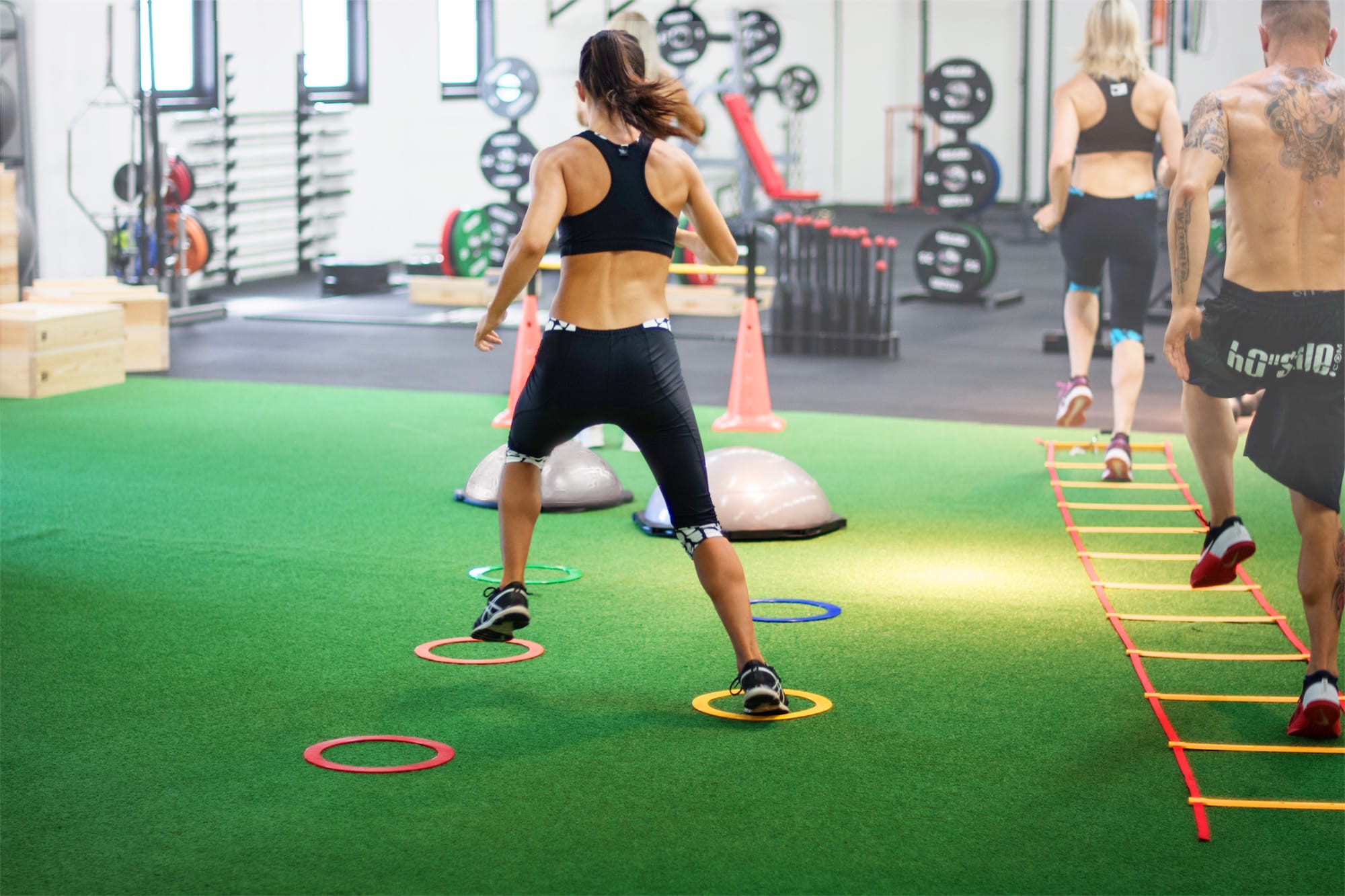
Fitness coaches working with football, rugby, basketball or athletics teams use agility ladders, cones and hurdles as the basis for their weekly footwork training. These tools feature in almost every microcycle, even if only for technical warm-ups or SAQ (Speed, Agility, Quickness) protocols.
Personal trainers working in gyms find these pieces of equipment to be a compact and versatile solution: they take up little space, can be set up for dozens of different exercises, and can be used with clients of very different ages and fitness levels. A circuit featuring a ladder, cones and soft hurdles requires a minimum space of 6×10 metres.
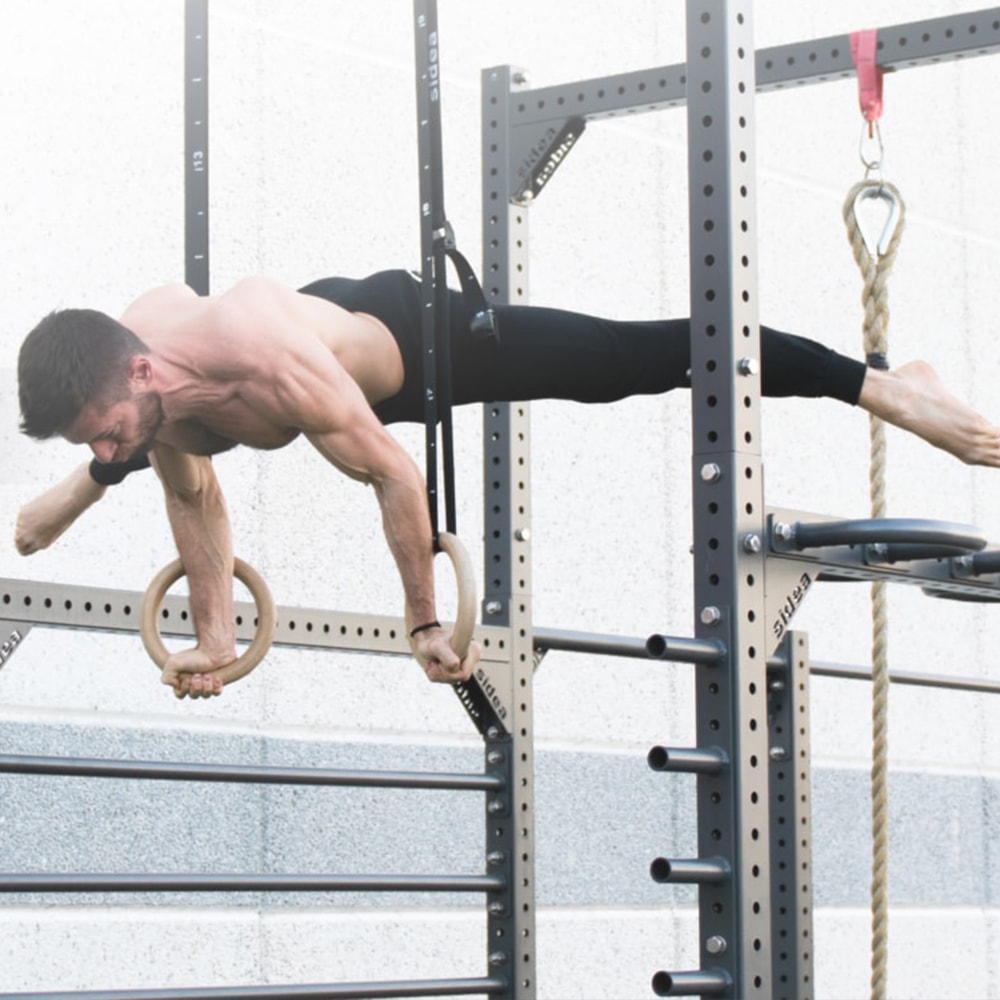
CrossFit boxes and gyms that specialise in athletic conditioning often incorporate the functional training with reaction-based exercises: the reaction ball, agility rings and the 3-in-1 wooden plyobox are well suited to WODs that combine strength and speed of execution.
Those who train at home or in a garage gym can put together complete conditioning sessions with just a few pieces of equipment. An agility ladder, 10–12 cones and a set of hurdles are enough to carry out protocols such as the Michigan drill, T-drills or Bompa’s lateral ladder drills.
How to choose agility equipment
The choice depends mainly on the context of use and the movements you wish to practise. Here are some guidelines:
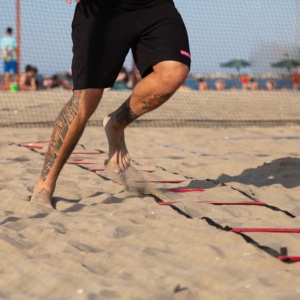
- Agility ladder: the adjustable version (Adjustable Agility Ladder 4112) allows you to vary the distance between the rungs, which is useful when working with athletes of very different heights or when you want to adjust the stride rate. The rubber version (Rubber Agility Ladder 4111) is more stable on the ground, making it suitable for slippery surfaces or for those who prioritise durability over a fixed design.
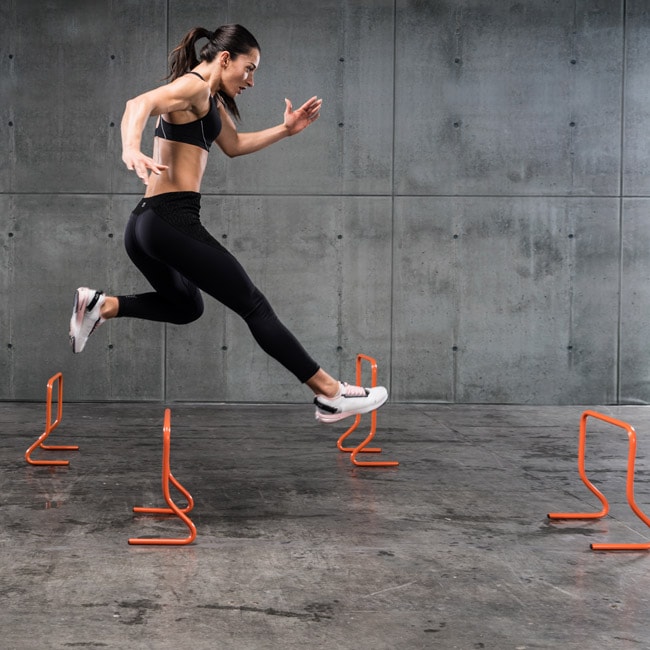
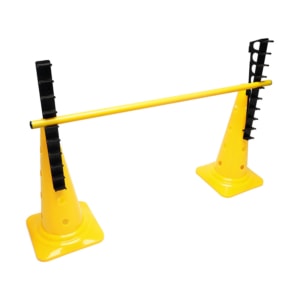
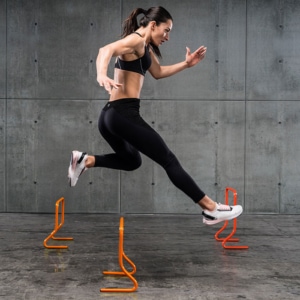
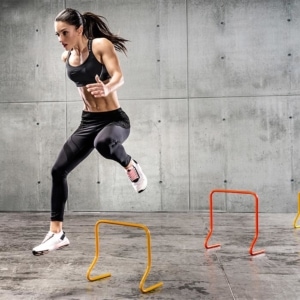
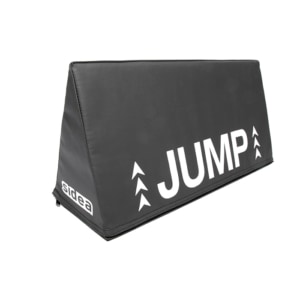
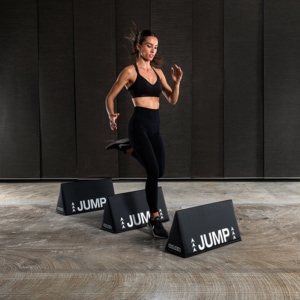
- Hurdles: the height radically changes the type of stimulus. The 30 cm Speed Hurdles (0255) are suitable for pure speed drills with a high stride frequency; the 50 cm ones (0257) require hip flexion and engage the posterior chain more. The Multi Hurdle Set (0253) with adjustable heights is the most versatile choice for those who do not wish to manage multiple sizes. Soft Hurdles (1005) are preferable in school settings or for athletes in the learning phase, to reduce the risk of contact injuries.
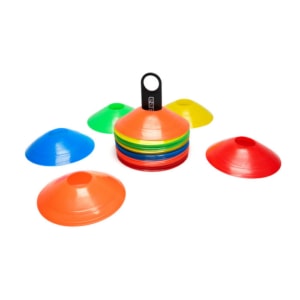
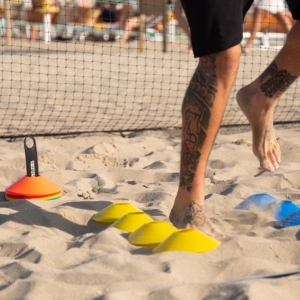
- Cones: standard cones (0250) are the basic tool for marking out routes, reaction zones and cutting lines. The set of 50 small cones (0251) is designed for high-density drills or for use with large groups.
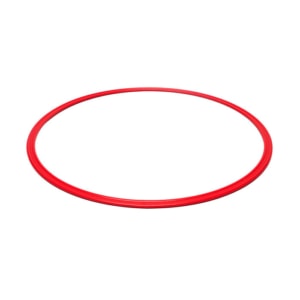
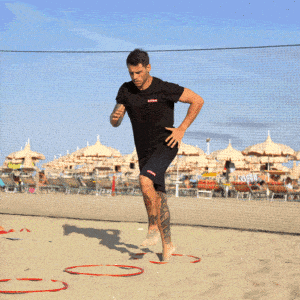
- Agility rings and flat hula hoops: the agility rings (2035 and the soft version 2035/1) and the flat hula hoops (2034) are used on the floor for foot coordination drills, either as a replacement for or in addition to the ladder. The soft version is recommended for wooden or parquet floors where rigid rings may slip.
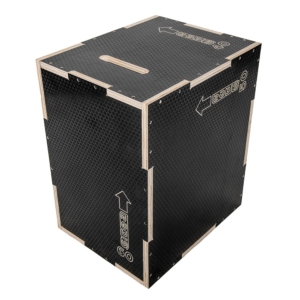
- Plyobox: the 3-in-1 Wooden Plyobox (models 9111 and 9111V) offers three working heights (20, 24 and 30 inches in the standard configurations) in a single wooden piece of equipment. It is the go-to piece of equipment for box jumps, step-ups and depth jumps. For the professional step platforms and plyo boxes, the timber construction ensures greater stability and vibration absorption than high-density polyethylene.
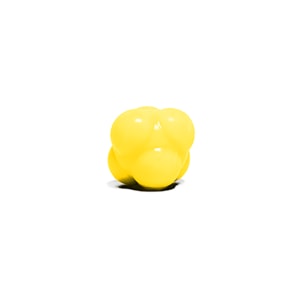
- Reaction ball: the irregular shape of the reaction ball (0465) creates unpredictable trajectories after it bounces, helping to train visual-motor reaction times. It can be used in both individual and partner exercises; the level of difficulty increases as the distance from the wall is reduced.
- Trampoline: the fitness trampoline (3603) provides a proprioceptive and reactive force stimulus that is difficult to replicate with other equipment; it is useful for neuromuscular activation and in protocols for fitness trampoline at group activity.
Sidea products for agility training
The range is divided into four main types:
Agility ladders — Adjustable Agility Ladder (4112) with adjustable rungs and Rubber Agility Ladder (4111) made of rubber for use on any surface. Both roll up and store away easily, making them suitable for facilities with varying amounts of space.
Obstacles and hurdles — Soft Hurdle (1005), Speed Hurdle 30 cm (0255), Speed Hurdle 50 cm (0257), Multi Hurdle Set with adjustable heights (0253). The choice of height determines whether the drill focuses on stride frequency or hip extension.
Cones, rings and markers — Training cone (0250), Set of 50 small cones (0251), Agility ring (2035), Soft agility ring (2035/1), Flat hula hoop (2034). These pieces of equipment can be used interchangeably for many drills and can be combined with ladders and obstacles to create station-based courses.
Plyometrics and Reaction Time — Wooden Plyobox 3-in-1 (9111 and 9111V), Reaction Ball (0465), Fitness Trampoline (3603). Equipment designed to develop reactive strength, the stretch-shortening cycle and neuromuscular response times.
Why choose Sidea
Sidea has been selecting and distributing athletic training equipment since 1999, with a catalogue based on technical criteria rather than commercial ones. Its partnership as an official StrongFirst distributor and its ongoing presence at FIBO, the world’s leading professional fitness trade fair, demonstrate its focus on industry professionals. The 4,000 m² warehouse in Gambettola ensures genuine product availability and reliable delivery times. For the fit-out of gyms and sports centres, the Gym Design service, featuring bespoke 3D renderings, enables the integration of an agility area within the available space to be planned, with direct technical advice from the team.















 0235 Premium Step
1 × 131,15€
0235 Premium Step
1 × 131,15€ 0250 Training cone
1 × 7,63€
0250 Training cone
1 × 7,63€ 0255 Speed Hurdle height 30 cm
1 × 13,73€
0255 Speed Hurdle height 30 cm
1 × 13,73€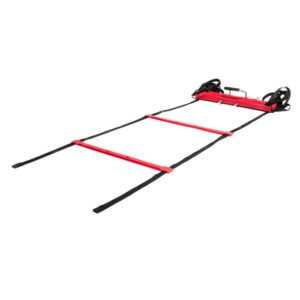 4112 Adjustable Agility Ladder
2 × 53,38€
4112 Adjustable Agility Ladder
2 × 53,38€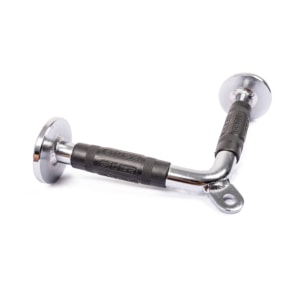 9005 V-Bar
1 × 45,75€
9005 V-Bar
1 × 45,75€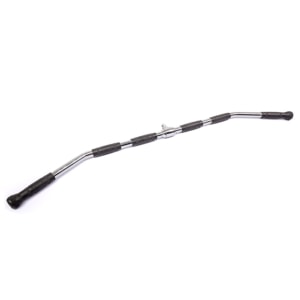 9009 Multi-Grip Lat Bar
1 × 68,63€
9009 Multi-Grip Lat Bar
1 × 68,63€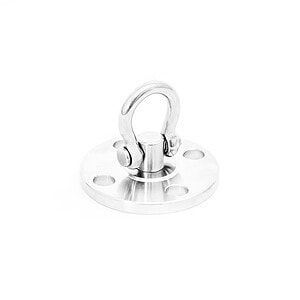 9063 Stainless Steel Wall Anchor
1 × 45,75€
9063 Stainless Steel Wall Anchor
1 × 45,75€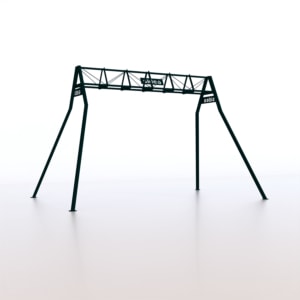 9094OD Suspension Training Station
2 × 915,00€
9094OD Suspension Training Station
2 × 915,00€







 Defibrillator AED
 Gift CardSidea
 Spare parts