
















Rugby is defined as a situational team sport, in which, although there are precise rules, it is the dynamics of each individual match that determine the specific tactical, energetic and physical demands. In this context, however, it is possible to identify two characterising elements, the understanding of which can help us in setting up an athletic preparation suitable for rugby:
- Physical contact: not only is it allowed (within parameters, such as not above the shoulder line and not on players without the ball), but it is an essential part of rugby when tackling an opponent to prevent him from reaching the goal line.
- Passing the ball with the hands: can only be done backwards, thus complicating the development of actions and the associated energy demands. Apart from this, the other possibilities of moving the ball are in fact holding it in the hands and running forward, or kicking it forward with the feet.
Key physical characteristics in rugby
From this brief introduction on the general characteristics of rugby, we can already draw the fundamental indications that identify the physical characteristics that players in the sport must have:
- Significant physical structures that can withstand the 'violent' impacts of tackles
- Speed and power capacity to develop great acceleration
- Ability to stabilise the joints of the entire body and in particular the knees and ankles, during decelerations and changes of direction
- Mixed aerobic and anaerobic (muscular) endurance capacity, to be alert and ready throughout the two 40-minute halves of the match
To sum up, the rugby player, beyond the specificity of the role on the field, must be big, fast, explosive, lucid and reactive throughout the match. But if these capacities must be built with an adequate and progressive training programme throughout the development of the season, what the rugby player must have in competition is the right mix of two conditional capacities that in their extremes are at the exact antipodes, Endurance and Power, but that in a sport as complex as rugby must be perfectly integrated in what turns out to be the fundamental capacity in competition: Power Endurance.
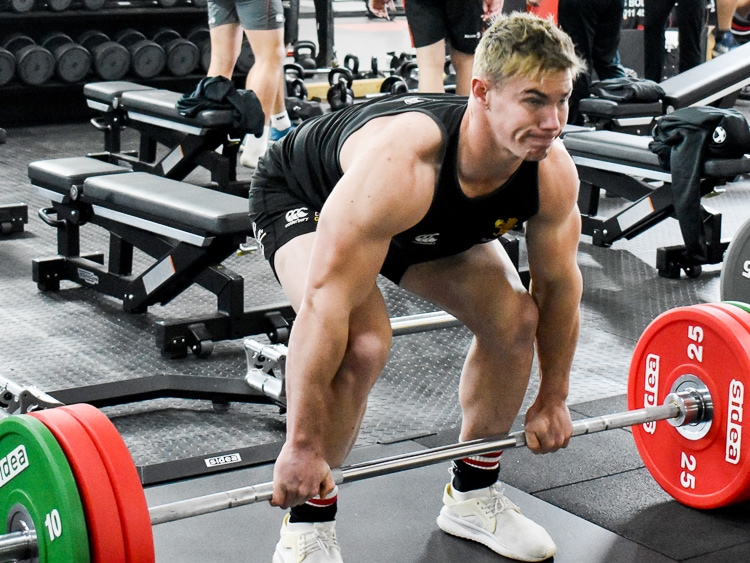
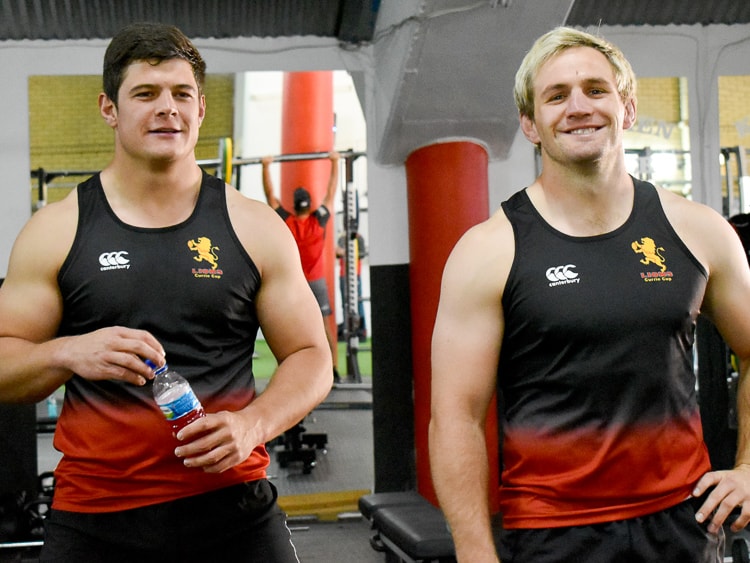
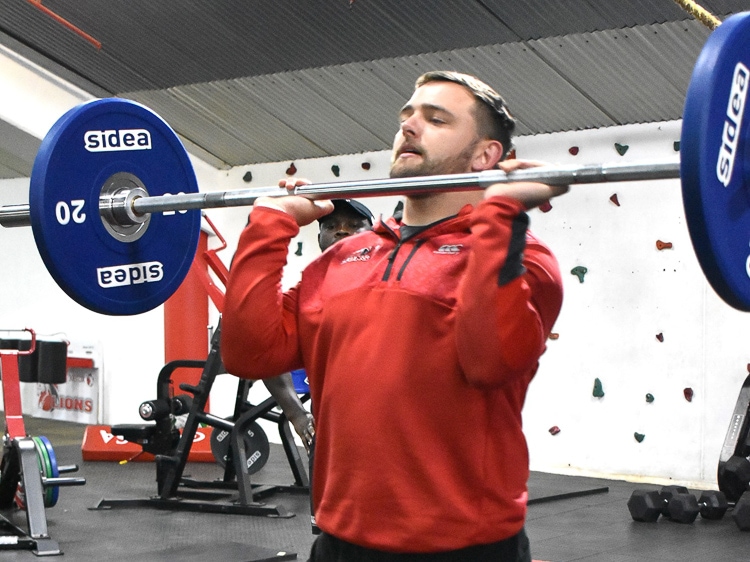
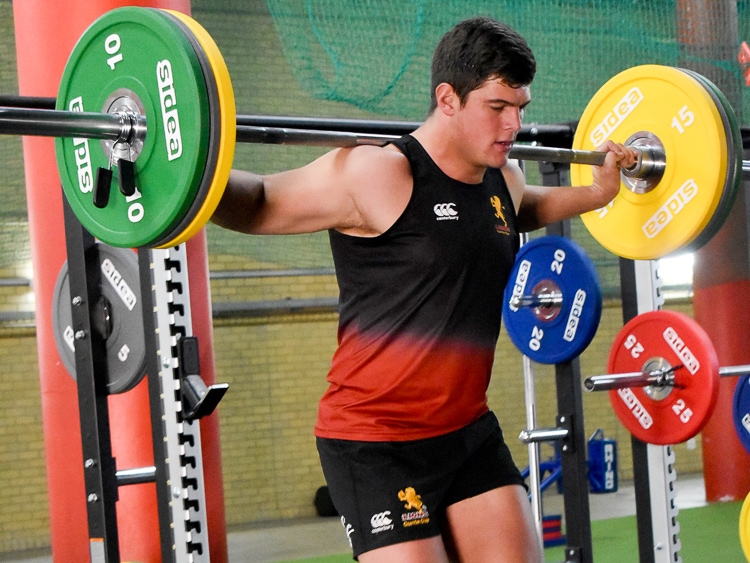
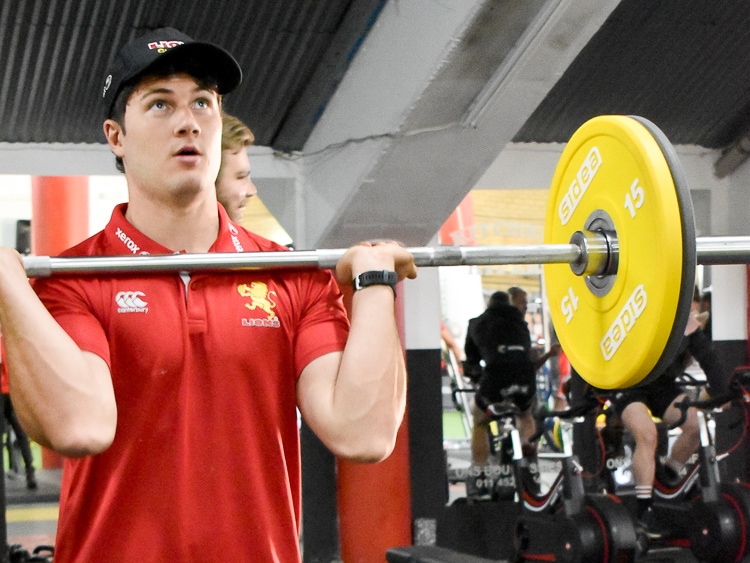
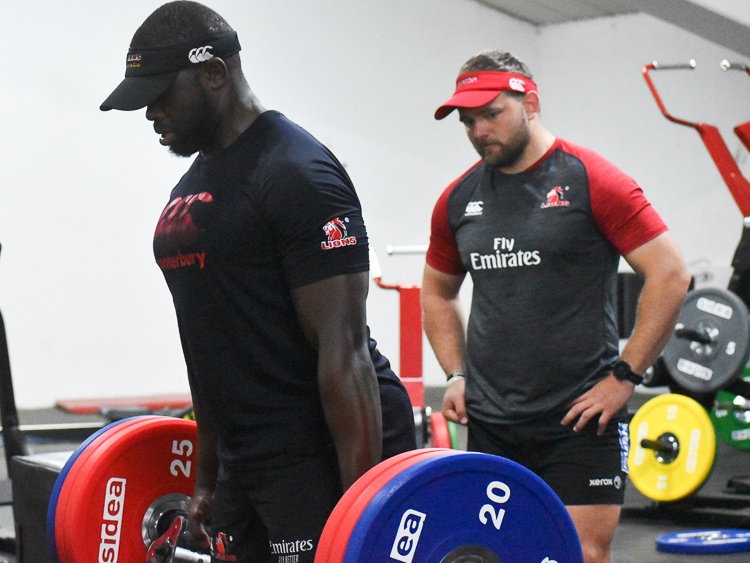
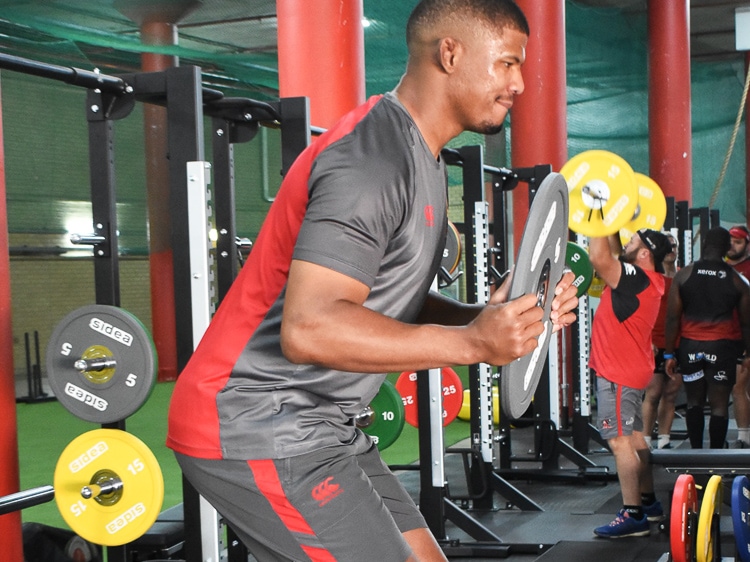
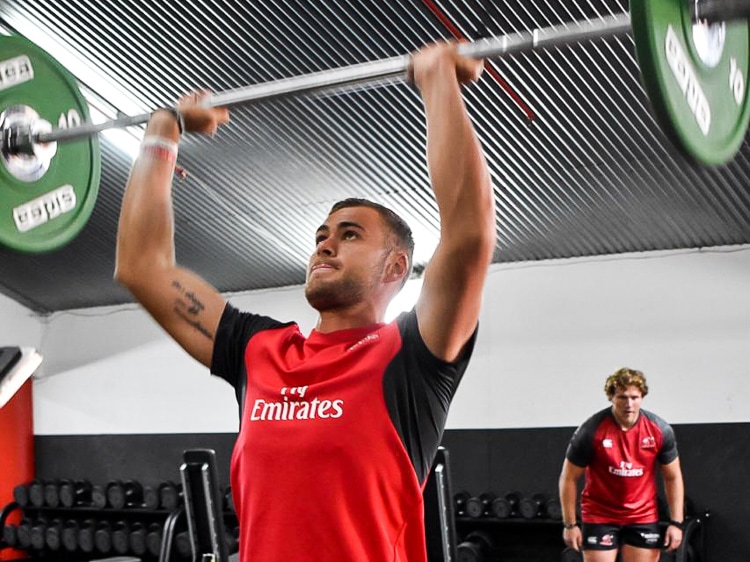
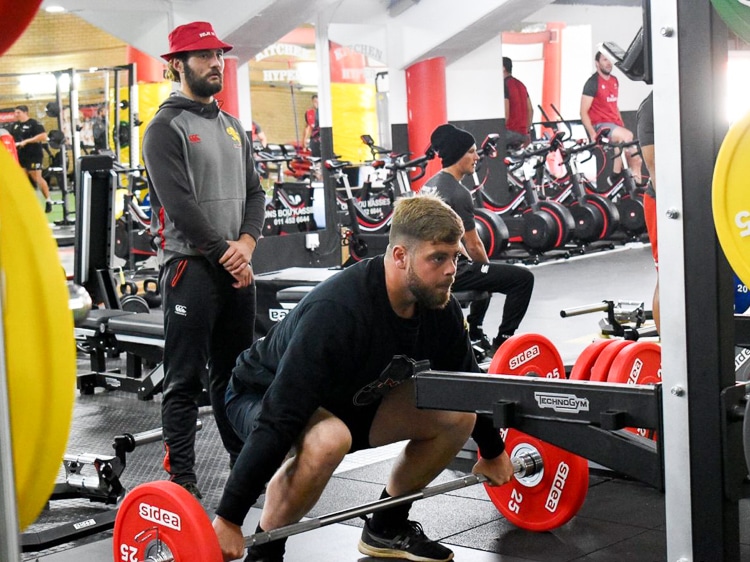
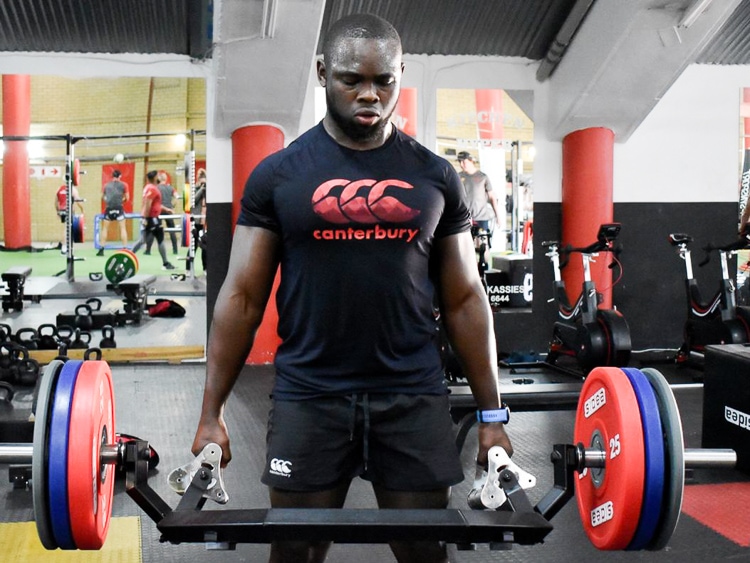
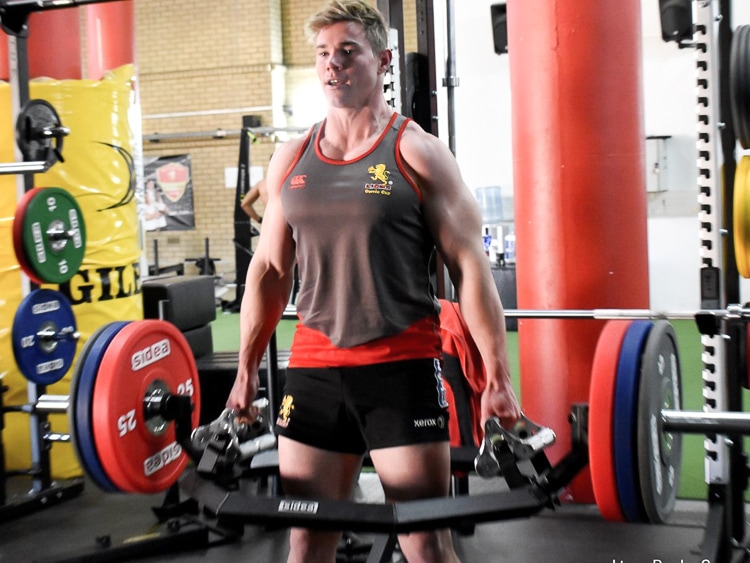
Below is a gallery of players from the South African franchise of the Lionsamong the most important in world rugby, while training with Sidea functional tools:





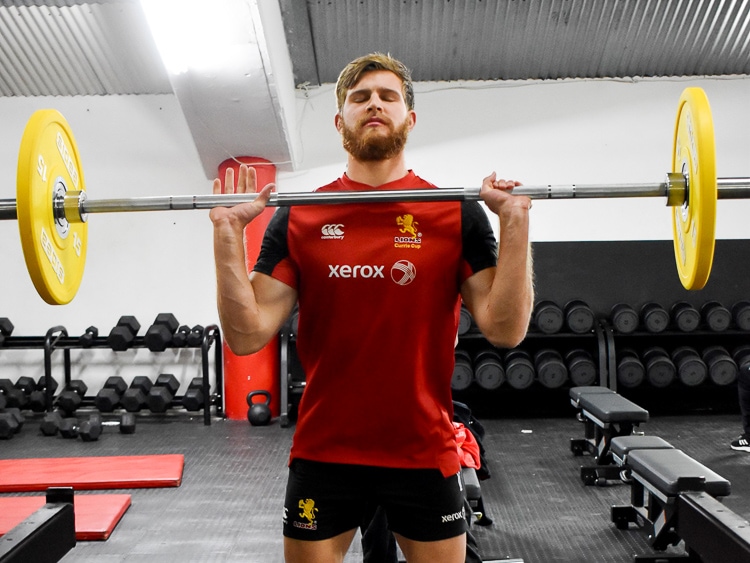
© Lions Rugby Company
Athletic preparation in rugby: Training Systems
Regarding the optimal training systems and techniques for Power Endurance conditioning, there are essentially two of the most common:
- Interval Training, an interval circuit in which an exercise is followed by a short recovery time (incomplete recovery) and then by the next exercise (according to parameters that on average have to respect the recovery time by half);
- Circuit Training, a repetition circuit in which the various exercises follow each other without any recovery time (recovery time is at the end of the Circuit Training set).
What is preferred between the two Training Systems? Depending on the seasonal periodisation, the ideal would be to follow a Strength Mesocycle (in which specific techniques are used to increase maximal strength levels) by a Power Resistance Mesocycle, in which Interval Training and Circuit Training alternate cyclically, also depending on the choice of exercises and equipment available to carry out the training sessions.
For example, if we use an Interval Training (20:10 or 30:15), built on 6 exercises for a total of 4 sets, we can use 6 specific exercises for power development, with free-body plyometric exercises and ballistic exercises with equipment such as barbells, kettlebells, clave etc.
In the case of using Circuit Training, we can keep the 6 exercises for the total of 4 sets, but in consideration of the fact that the recovery time between one exercise and the next (until the sixth exercise) does not have to be observed, we can concatenate one Strength and one Power exercise, so as to also have a more effective transfer at the neuro-motor level and a greater freshness in the development of the circuit training.
View this post on Instagram
The most suitable equipment for athletic training in rugby
Among the equipment with the optimal characteristics for the athletic preparation of a rugby team, there is absolutely no shortage:
- Olympic rockers for the development of maximal strength (Squat, Stack, Flat Bench, Overhead Press, Overhead Squat) and maximal power (Clean, Clean & Jerk, Push Press, Snatch).
- Kettlebell for Power Conditioning (Swing, Snatch, Clean & Push Press, Thruster), Strength & Stability (Overhead Squat, Windmill) and also excellent in structuring Power Resistance training circuits.
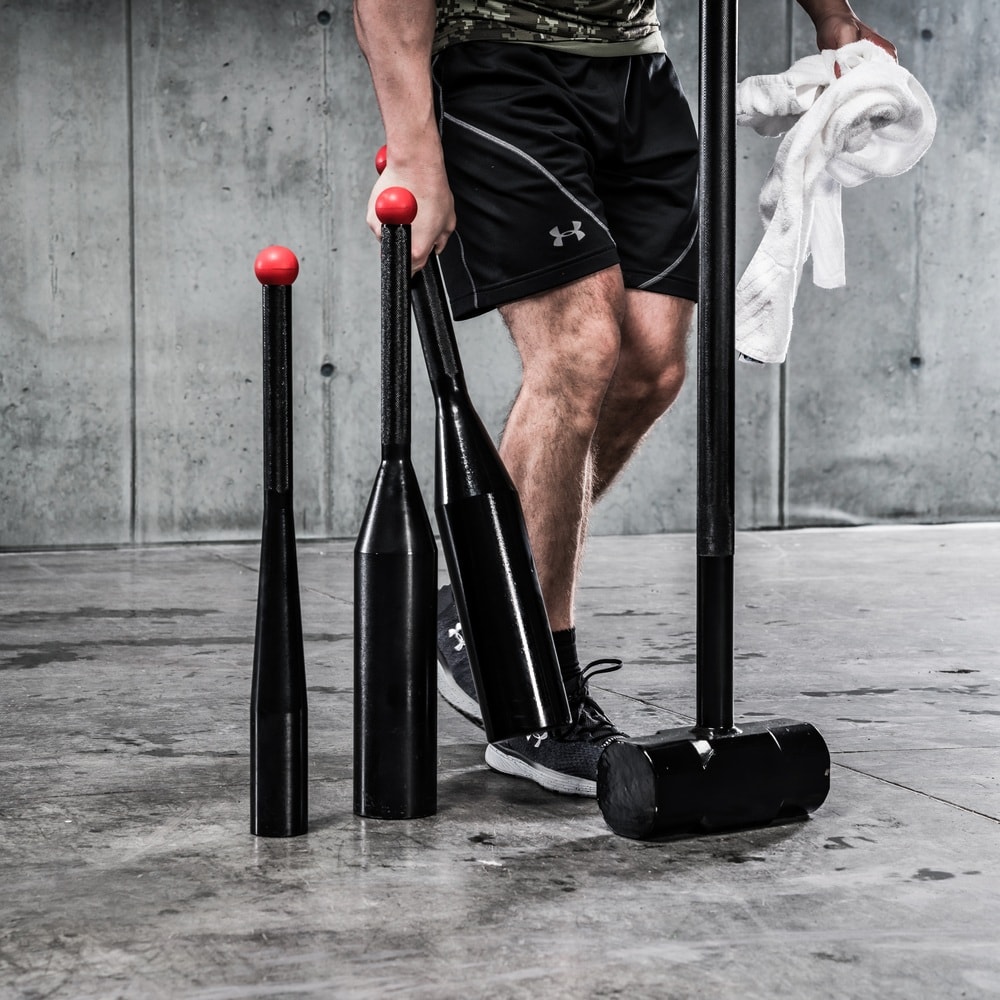
- ClaveThey are perfect for strengthening the entire scapular girdle in the three planes of movement and for creating a strong and solid upper structure to support tackles, as well as for work on the hips in the transverse plane to condition changes of direction.
- Gym Sled e Big Tubingfor work on transforming Force into Explosive Force and Fast Force.
- Flying Suspension Training e Flowbagfor core training and joint stabilisation work (Flying is also excellent for the development of Global Articular Mobility exercises in the myofascial chain to be used before and after the core training part).
- Foam Rollerfor myofascial detensioning essential in the post-training session.
Below is a short video where we can see combinations of exercises for the development of Power Endurance in situational sports such as Rugby.
by Emilio Troiano
Master Trainer of the WTA International Functional Training Academy
The WTA Functional Training Academy has been training Functional Training Trainers since 2009, and as of April 2019, alongside the historical in-house training courses, it is offering the brand new Online training courses rich in practical technical content (over 180 video lessons, ebooks and training sheets), to specialise in theFunctional Training for Athletic Preparation aimed at increasing performance and the prevention of injuries from indirect trauma and stress/overloading.
To find out how to specialise in the Athletic Functional Training® training system click on the banner below and go to the info page of the Athletic Functional Training® Instructor Training Course.

You can also download the brand new Functional Training Application which allows you to create training programmes for both physical preparation for various sports, post-traumatic recovery and general physical goals.
Click on the banner and discover all the features of this extraordinary App that you can download free of charge to your smartphone and tablet.

 Defibrillator AED
 Gift CardSidea
 Spare parts