

















Christmas is just around the corner and everything is ready for the start of a new season of winter sports that so fascinate and entertain adults and children alike. Whether you are a competitor in these sports, a 'weekend warrior' or just an enthusiast who enjoys it during the winter holiday period, you will certainly good pre-skiing preparation will make your descents more efficientas well as avoiding injuries unwelcome. Whether you are cross-country skiing, snowboarding, ice-skating or downhill skiing matters little: proper athletic preparation for winter sports is essential to preserve your safety and to enjoy your days in the snow to the fullest.
These sports all have in common the characteristic of significantly engage lower limbs and core. Not everyone has the good habit of keeping active during the year with other activities and this can lead to an increased risk of getting injured while doing them.
How to avoid skiing or snowboarding injuries
Most injuries during the course of these activities are caused by the lack of muscle strength in the lower limbs, as well as in torso stability. The legs are subjected to mostly isometric and eccentric contractions during ski or snowboard descents, which put significant stress on the muscles. If not trained, these muscles will 'tire' very quickly and will no longer be able to stabilise and control the various joints, with the risk of incurring falls, uncontrolled twisting movements and overloading of other muscle groups.
Remember that these sports have in common that they are practised on the snowwhich has the characteristic of being an unpredictable and changeable terrain during the course of the day. You don't always come across good groomed slopes that manage to maintain their firmness throughout the day. Potholes, softer areas or slabs of ice can adversely affect the technical gesture you are performing, and if you do not have good stability and coordination the risk of falling or performing an uncontrolled movement is just around the corner.
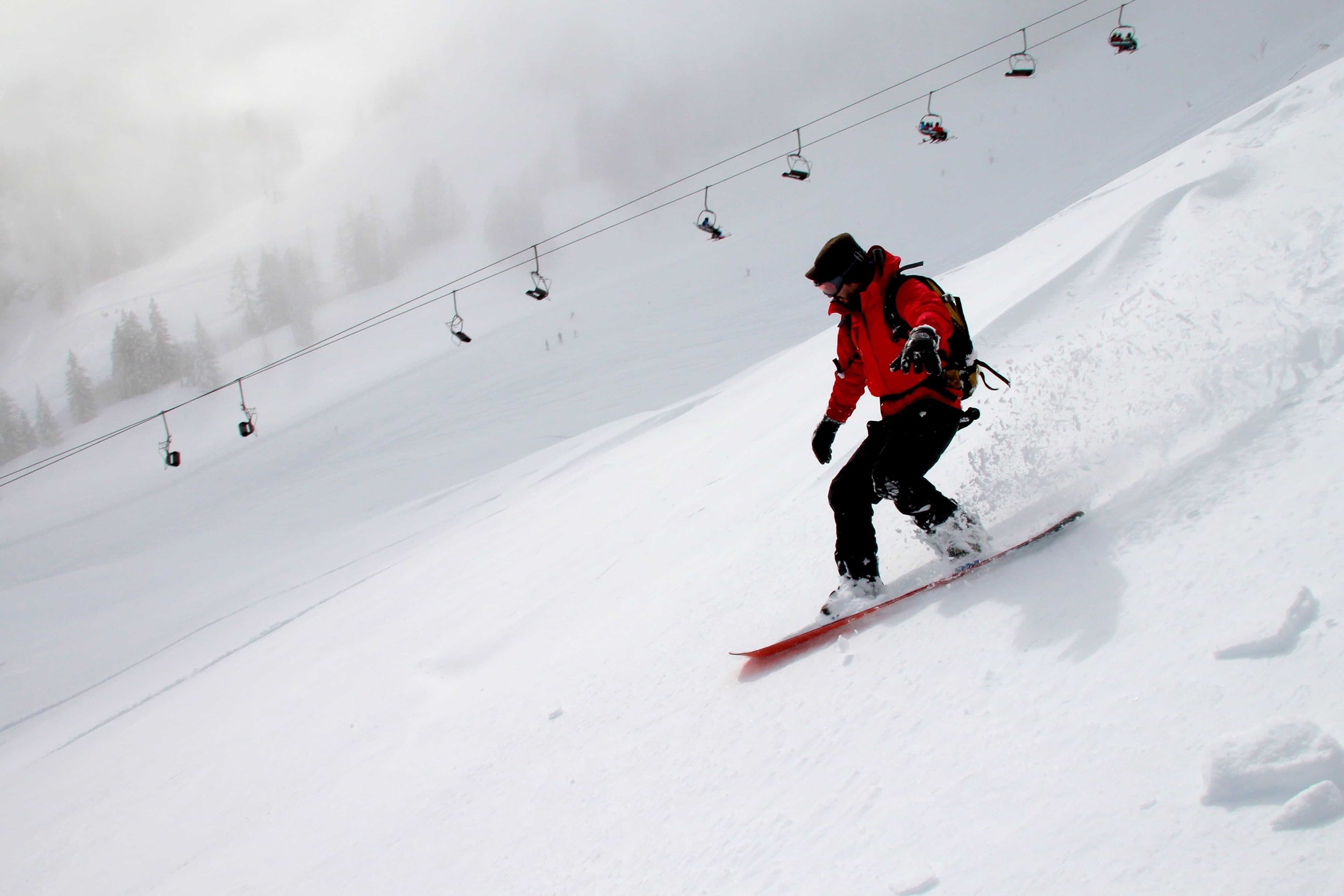
Athletic preparation for winter sports: which exercises to perform
As mentioned above, the muscle groups mainly involved in these activities are the lower limbsso a great way to prepare for the slopes is to put in some specific exercises in your training routines (if you already practise any sport) or to perform a few circuits at home as well in order to tone and stabilise your joints.
Squats, lunges and isometric holds are definitely the most useful exercises to perform, as they train the quadriceps, gluteus, femoris as well as the core.
Below is a small training routines for winter sports preparation that you can also perform comfortably at home twice a week:
- Squat
- Front plank with elbow support
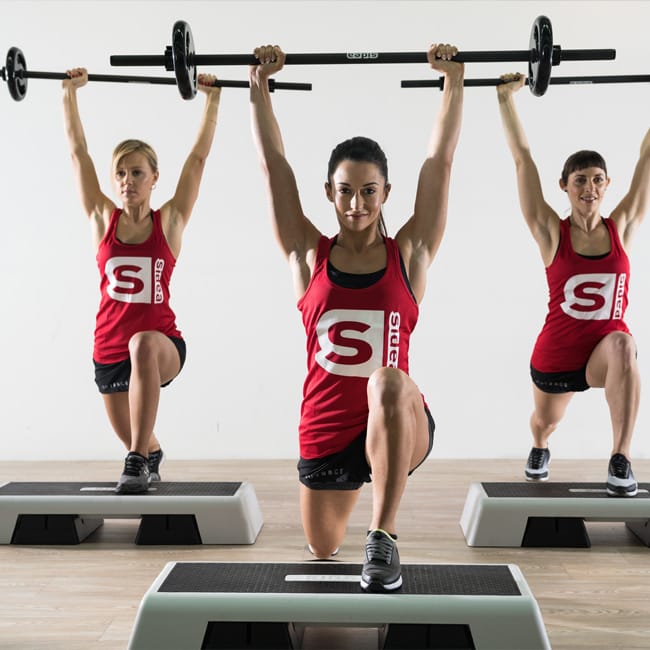
- Alternating sagittal lunges
- Gluteus bridge
- Lateral plank with elbow support
- Isometric squat with or without wall support
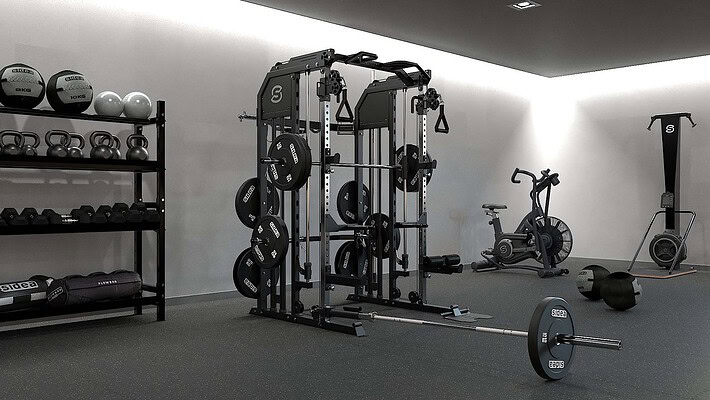
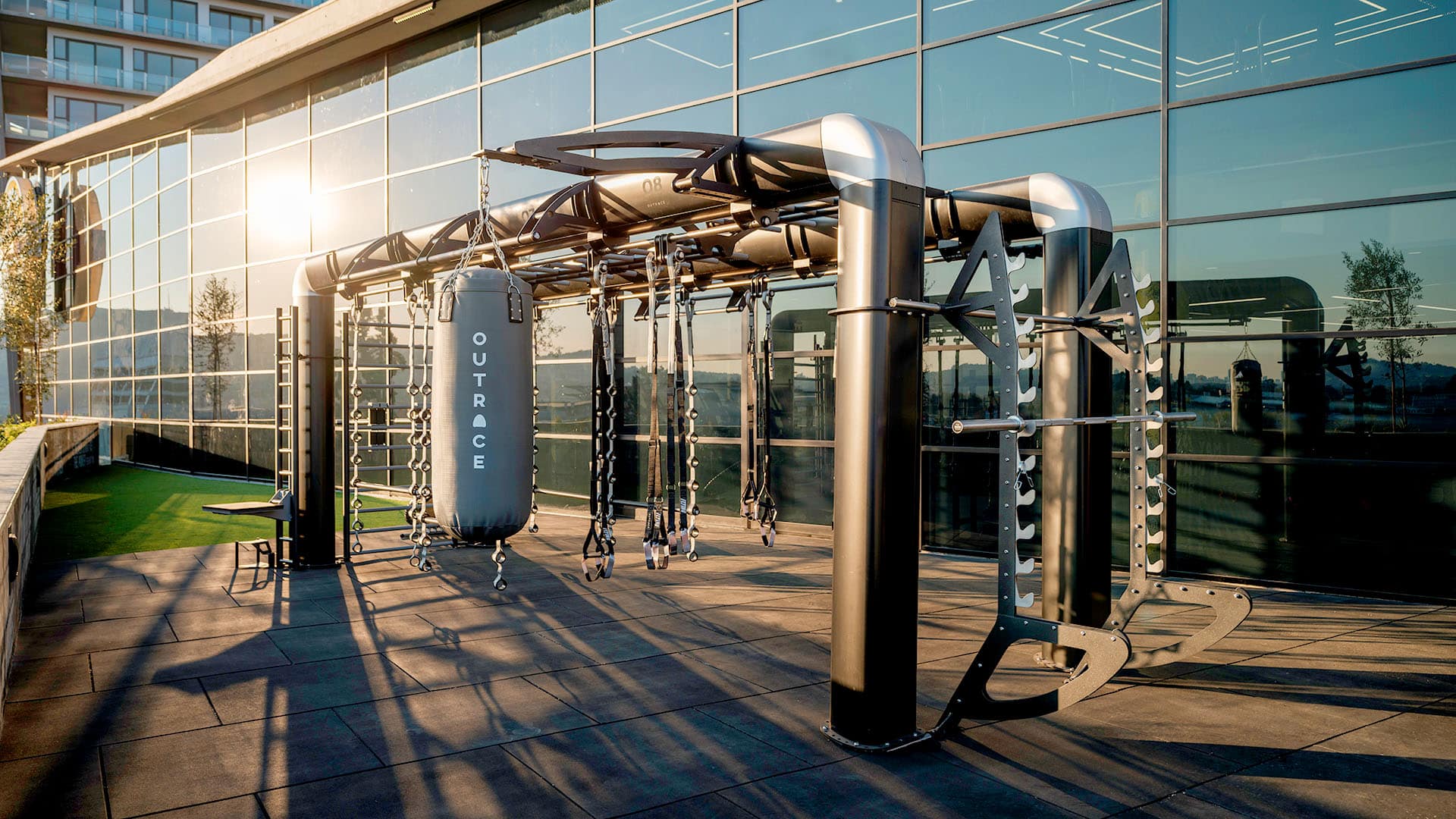
If you have the opportunity to lean on some gymand you have various equipment at your disposal, this is the circuit for you:
- Squats on Dune Ball Board
- Lateral lunges with Flying alternating
- Front plank with elbow support
- Clean with Flowbag
- Russian twist with Med Ball
- Isometric squat on Dune Ball Board
In both the first and second case, execute 3 times this circuit by making 30 seconds of activity and recovering for another 30 secondstime to prepare for the next exercise. Once the first round is over, recover for 90 seconds and then start again.
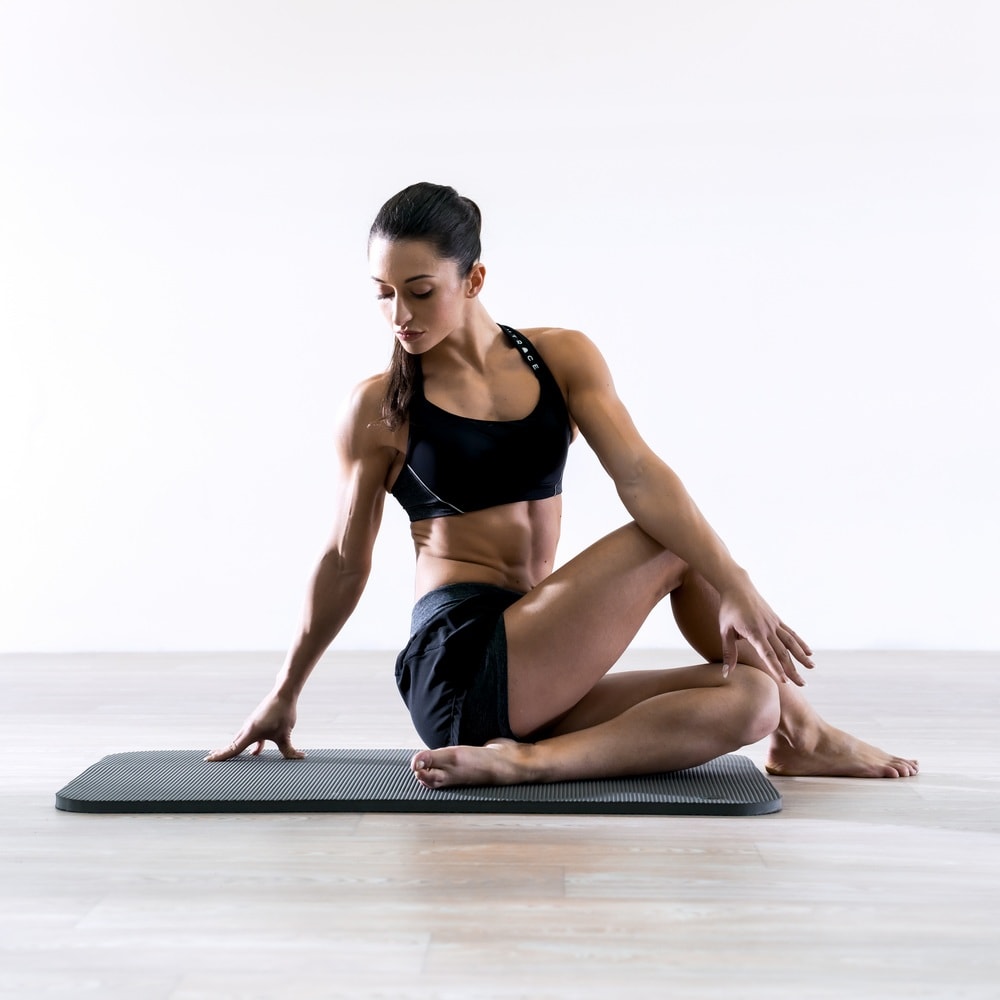
Remember to also devote time to stretching at the end of your routine as only a strong and flexible muscle will be able to withstand large repeated loads during sporting activity.
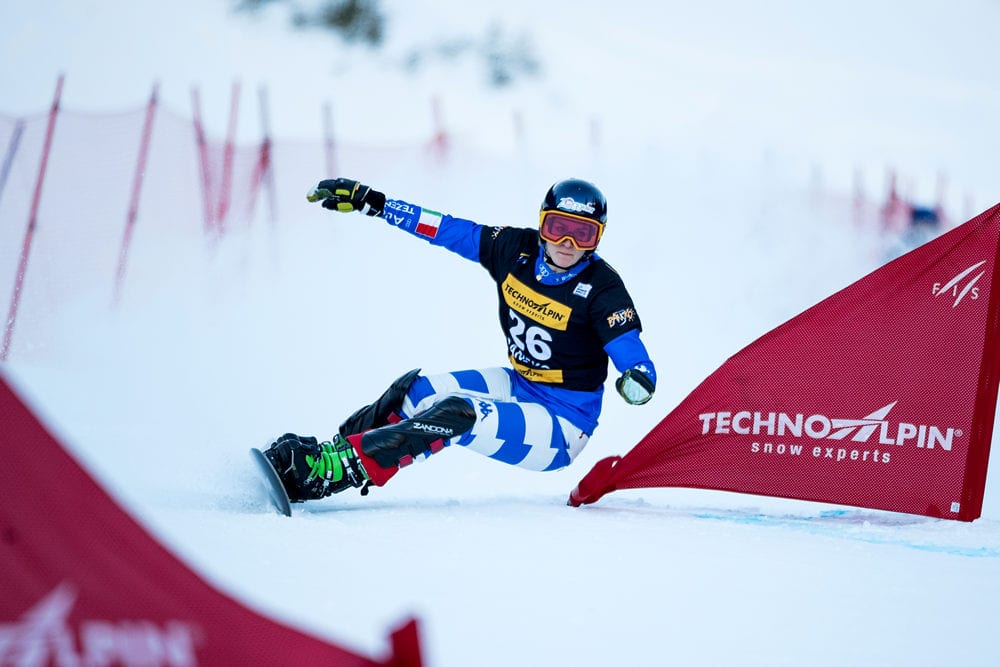
Recommended activities for winter sports preparation
Of the various activities on offer in fitness centres, the one that would certainly suit you would be a course or functional training because the characteristic of this activity is precisely that it improves tone as well as intra- and inter-muscular coordination.
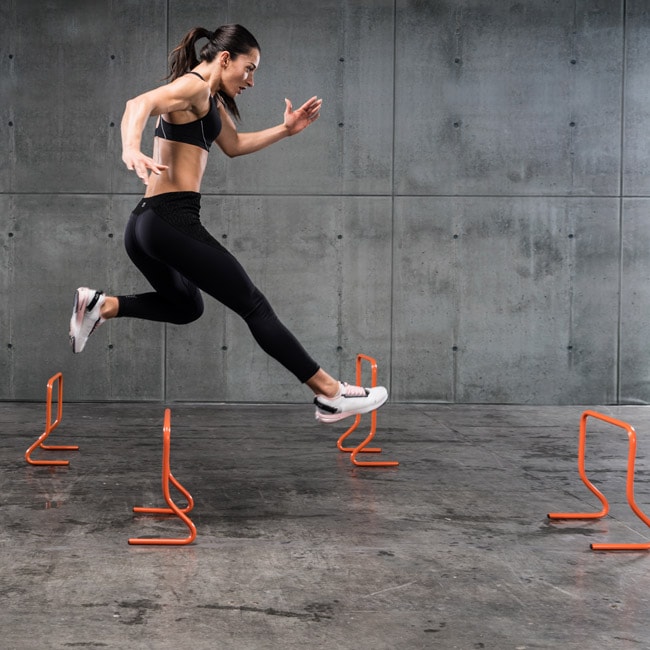
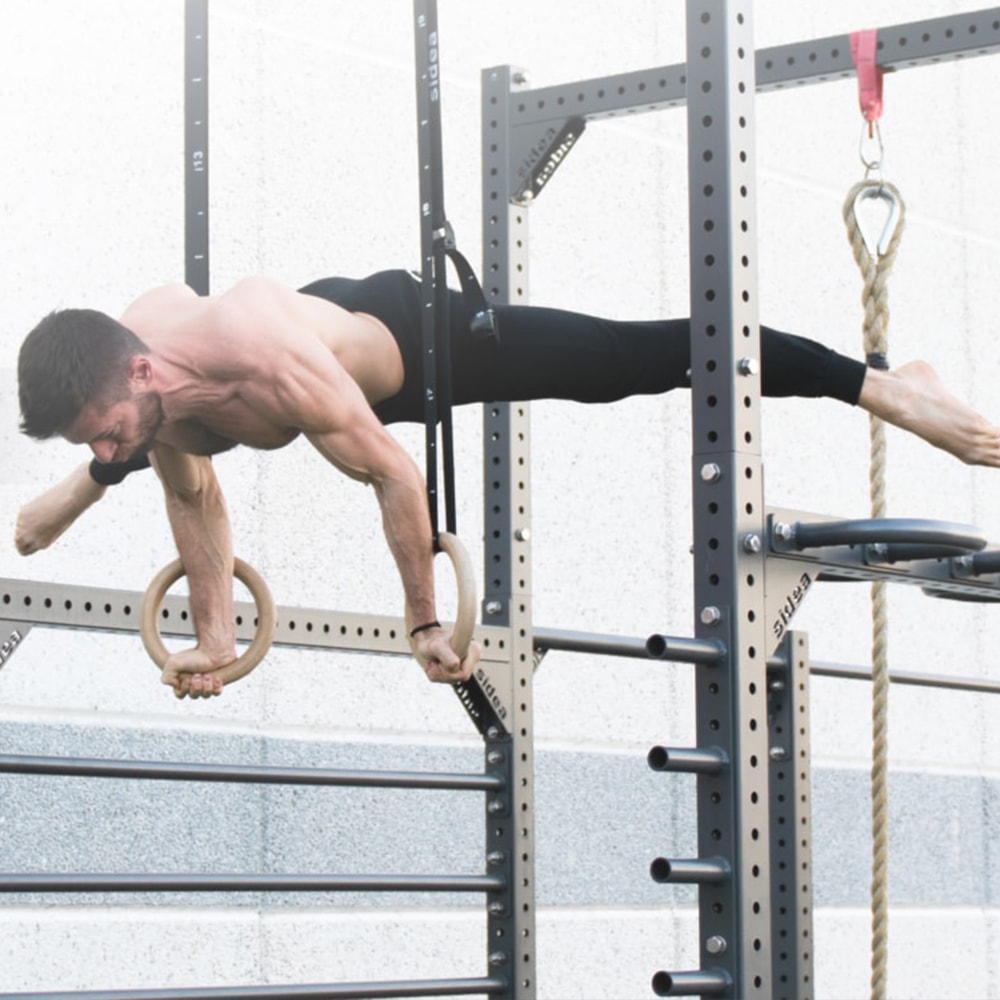
There are many exercises in this type of activity: suspension, ballistic, weight training and agility exercises. Remember that one must not only tone one's muscles to be sure of not incurring skiing or snowboarding injuries, but one must also have the ability to be able to coordinate the various movements and have a certain mobility that allows you to support sudden movements performed at high speed.
5 useful tips to make the most of your business:
- Best prepared to your winter sports week or weekend by performing the routines presented.
- Try to keeping yourself hydrated during activity. Even if it's cold it doesn't mean you're not sweating, keeping your muscles hydrated will allow you to last longer into your day.
- Eat foods rich in vitamins and minerals.
- Try to take a few breaks between the various descents.
- Don't start with the most difficult tracks right away. As soon as you start your activity or after a long stop try to running an easy track so that it can be used as heating.
Did you like the tips? If you would like a routine that suits you or any other advice, please do not hesitate to contact us.

Matteo Zoffoli
- Professional athletic trainer and expert in high-intensity training.
- Athletic trainer for Cesena Calcio in the 2015-16, 2016-17, 2017-18 seasons with the role of strength and conditioning coach.
- Fitness consultant for programming and evaluation of functional training activities, athletic preparation and online coaching.



NEWSLETTER SIDEA
Subscribe to our newsletter to receive news, promotions and insights into the world of Sidea
[grwebform url="https://app.getresponse.com/view_webform_v2.js?u=SAxVN&webforms_id=12796501″ css="on" centre="off" center_margin="200″/]
 Defibrillator AED
 Gift CardSidea
 Spare parts