

















Speed, endurance, power, intensity: the physical-athletic component is becoming an increasingly dominant factor in modern football. At the professional level, matches are played at a furious pace, which often sees the team that manages to maintain lucidity and freshness for the longest period of 90 minutes prevail. However, what effect has this trend had on those who have yet to make it to professional football? The same transformations have also affected preparation in youth football?
"The physical factor in modern football is undoubtedly fundamental - stated on the subject Alberto Pasini, Primavera athletic trainer and head coach of the Atalanta Youth Sector -, much more than a few years ago, but we are convinced that football is a predominantly technical-tactical sportTherefore, it is mainly related to the players' abilities from a technical point of view. The goal of a Youth Sector must be the improvement of the players, so no, the physical aspect in our opinion should not overlap with or take away from the technical-tactical aspect. What we are therefore trying to do is to integrate the two as far as possiblecontextually developing them especially for the younger categories".
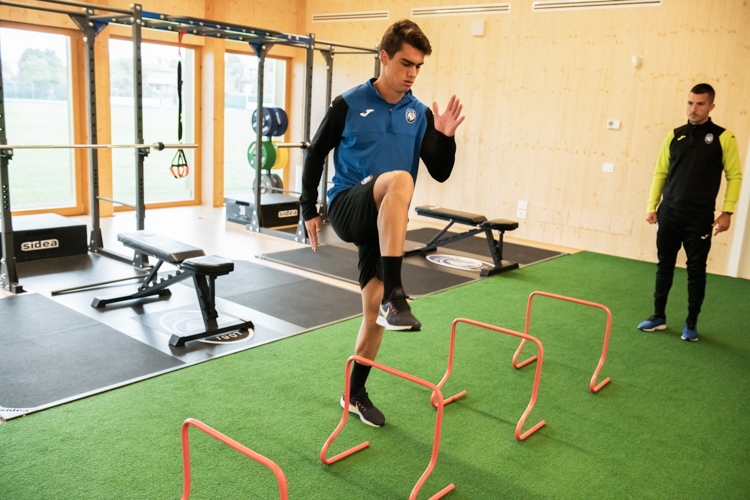
This integrated approach has always characterised the Atalanta Youth Sectornow established as one of the best in the country and beyondwhich consistently leads its young people to earn a place in the Nerazzurri first team and in the various national teams. "That of focusing on technical improvement, and thus on quality rather than quantity - continued Pasini -This is a tendency historically adopted by this club, which translates into a certain type of play, adopted by all coaches, and a special focus on the selection of quality players. In all this, therefore, the physical factor is important, but not predominant.".
Athletic training as a transmission of work culture
The physical workHowever, in addition to the direct benefits in terms of preparation, it also has another significance in the youth sectors, namely the transmission to young athletes of a propensity to work, hard work and sacrifice: "On an almost philosophical level, we work the boys 'dry' in the gym for this reason too: our aim is to train them as future professional footballers, and in certain contexts, football is not only fun, but also and above all hard work. We therefore aim to create in them the prerequisites to be ready for big league football, and this in our opinion also includes the transmission of a work culture which we consider indispensable. The response of the players varies according to their individual backgrounds (there are boys who come from all kinds of geographical and socio-cultural backgrounds) but in general here at Atalanta there is a good attitude. This is also helped by the fact that many youngsters go through the whole trafila with us, from the Pulcini to the Primavera, and for them to work hard and have the right attitude during training is normal.".
Strength training in youth football
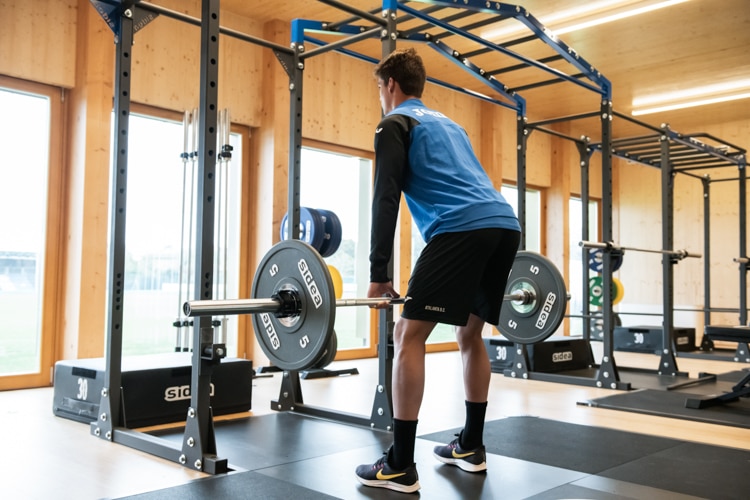
The introduction of strength training in youth football therefore takes place gradually, as Atalanta's Head of Strength at the Youth Sector confirmed to us specifically Roberto Calà: "Initially, from the basic activity to the beginning of the competitive one, we try to work on the general free-body strength and especially on the body awarenessand this takes place in a decontextualised manner, i.e. not bound to a specific place such as the gymnasium. The objective is to knowing how to use the body. This approach is part of the so-called functional trainingIt is a departure from the analytical training of the 1990s, which was borrowed from disciplines like bodybuilding and led the athlete to a dead end. Currently at Atalanta we try to bring more and more youngsters from the Under 16s upwards into the gym and our goal is to create a redundancy of stimuli at various stages of preparation and for various types of purposes: prior (accident reduction), increased strength capacity under various expressions and also more analytical aspectswhich, although they no longer have the central role they had in the past, can still be taken into consideration for building footballers performing in the race and capable of developing in the long term a physical structure suited to modern football".
Preparation in youth football: from 'sensitive phases' to motor skills
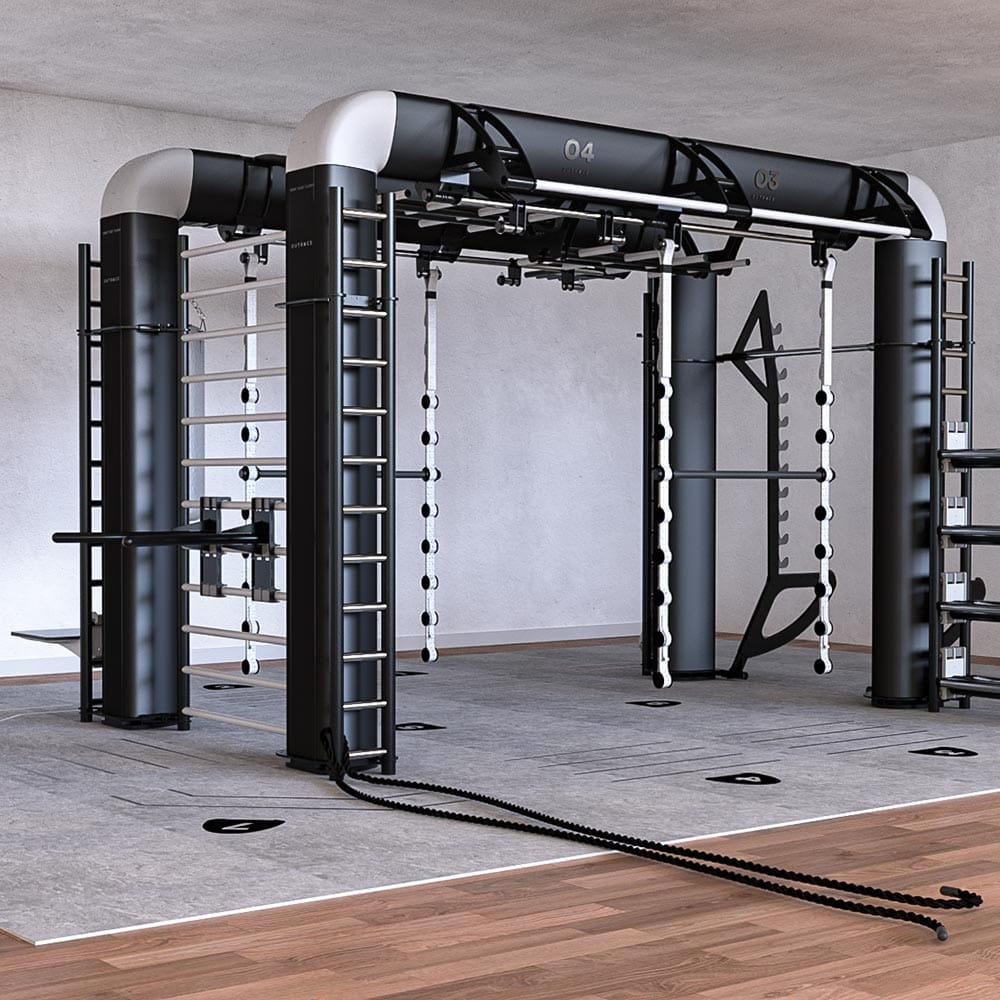
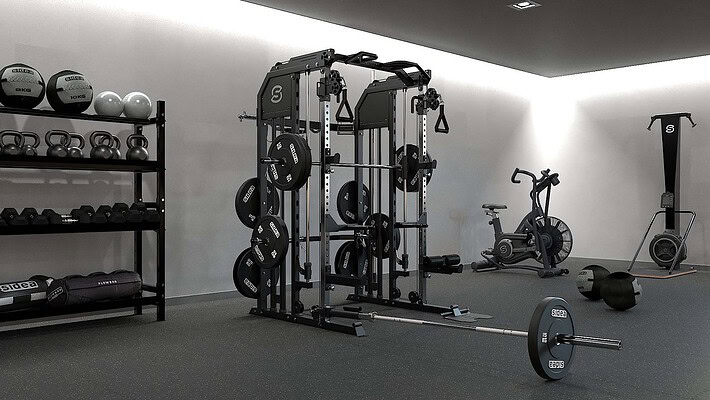
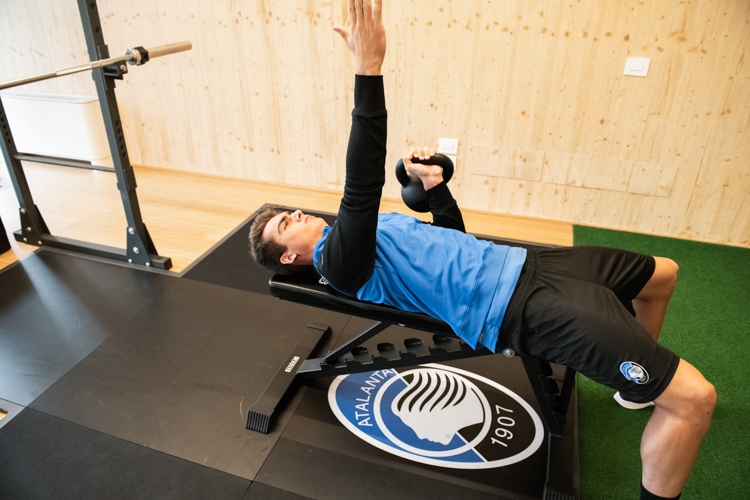
La periodisation is therefore fundamental for structuring a correct athletic and physical preparation in youth football, and in this sense Atalanta compares itself with the best on an international level: "The academies of the English Premier League clubs have long since developed a working periodization that is no longer based on the so-called sensitive phases (i.e. time windows that theoretically lead to the development of certain skills) but on the motor skills. It is therefore not a question of sectoral work on the muscles, but of creating long-term development aiming at the globality of movementsalbeit contextualised in specific situations or purposes". Specifically, in the context of the brand new gymnasium intended entirely for the Nerazzurri's youth sector at the Centro Sportivo Bortolotti in Zingonia, young players are taken to overloading your body with free-body exercises such as tractions e arm bends, detachment, lunge and squat, while also conditioning the coordination aspects through bipodal (double stance) or monopodal (single stance) exercises. It is important, however, that it is not the players who have to adapt to a rigid system, but rather the opposite.
Different motor skills deserve different work programmes and different approacheswhich is, however, difficult to apply to a context such as that of a Youth Sector: "Concretely, creating customised programmes for each player becomes very difficult: suffice it to say that there are 6 teams here at Atalanta, each with 20-25 youngsters. What we try to do, however, is to delineate profiles with particular needs: individualised work must take into account both the structural characteristics and the globality of the player's entire methodological development. The Gymnasium in this sense becomes important, because through the complementary work balances and rebalances aspects that were not touched or overstretched in training or in the match. This also sensitises players to the fact that what they do on Sundays and during training can be managed and optimised through specific work".




 Defibrillator AED
 Gift CardSidea
 Spare parts