
















Born in the second half of the 1990s, the Padel (or paddle) is one of the most popular individual sports in recent years. This sport fascinates many professional and amateur sportsmen and women, as in its simplicity it manages to entertain and amuse anyone who tries to play it, even for the first time.
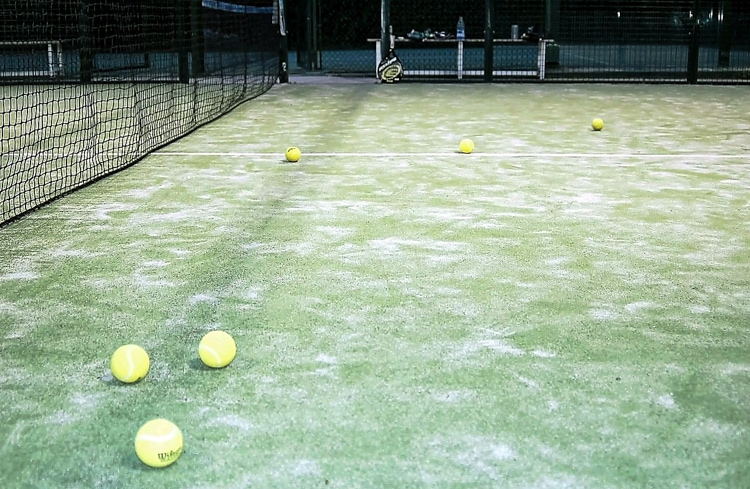
It is played on a court 20 metres long and 10 metres wide, fenced in its entirety. It is divided in the middle by an 88 cm high net, slightly lower than the tennis net.
Precisely because it fascinates so many people of all ages and levels, padel presents some peculiarities in need of a good athletic base to be able to practice it without running the risk of injury.
So many rebounds, but so much effort
The structure and walls surrounding the court are very useful as anyone can throw the ball against them, but they create a unstoppable pace of play. Certainly one of the first sensations during a match is the lack of breath and the difficulty in maintaining a constant rhythm.
News Functional Training Athletic training
Athletic preparation for tennis: how functional training improves performance
ReadCompared to the tennisthe timing of each exchange can be considerably extended. The bounce that is given against the walls helps players to respond to each opponent's action and for this reason, if you are not experienced, you can expect exchanges of 20-30 consecutive seconds. Precisely for these reasons, a basis to work on in order to best prepare for a match is certainly the construction of a good aerobic base.
If you are a weekend warrior or a casual padel enthusiast, my advice is to devote at least 30 minutes per week to an aerobic activity such as running or training on the bike. In addition to having a beneficial effect on the cardio-respiratory system, aerobic training prepares joints and muscles to sustain a long-lasting effort. Considering that a padel game lasts at least 60 minutes, medium to long aerobic preparation is necessary.
Not only breath, but also lots of muscles
Shots, jokes, changes of directionpadel presents numerous athletic gestures that place significant strain on our musculoskeletal system. Just think of the time of the jokeThis movement requires good athletic training, as an untrained shoulder runs the risk of being injured, putting stress on muscles, ligaments and tendons.
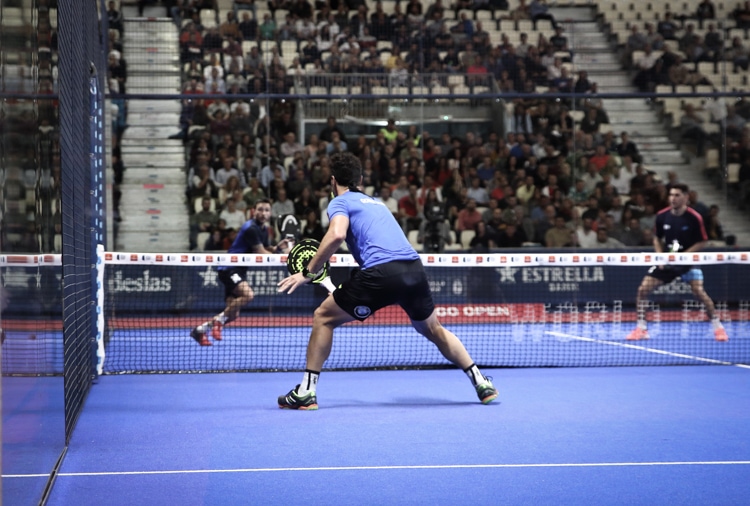
In addition to the muscles of the upper limb, those of the lower limb are also subject to a lot of stress. Jumps, sudden braking and immediate restarts put our quadriceps and ischiocruscles to the test. It seems impossible, but during a game of padel an amateur performs the same number of brakes and jerks as he would during a year going about his business.
So remember to always perform a good heating before the match and also immediately afterwards, so as to re-establish 'muscle stiffness' and prevent postural changes from occurring.
How can I best prepare for the Wednesday night padel match?
If you are an amateur and do not practice any other physical activity, my advice is to dedicate one or two days a week to short training sessionsso that you can prepare your body for the commitment of the game. This is a small scheme you can follow:
Day 1
- Aerobic activity medium intensity (running - jogging - cycling - hiking): 30-40 minutes
- Stretching10 minutes
Day 2
- Circuit to be performed twice, 30 seconds of work and 15 seconds of recovery
- Squat
- Front plank in elbow support
- Push up
- Crunch
- Front lunges
- Gluteus bridge
- Back extension
- Isometric squat
- Stretching 10 minutes
If, on the other hand, you practise some other activity during the week, my advice is to include some specific activity in your training routine so that you can also improve your running performance. If you are used to running, try incorporating some routines of intermittent runningdo 30 seconds of running at a brisk pace followed by 30 seconds of running at a gentle pace, repeat 3-4 times and then take a break. By incorporating this method into your training you will notice big improvements during your padel matches.
It also devotes 10-15 minutes to the strengthening of the upper limbs. If you have a elastic bandperform 3-4 sets of intra-extra rotators with each workout to strengthen and stabilise your shoulders.
In any case, whether you have a good fitness level or not, always devote some time to the stretchingas a muscle that is able to stretch and contract will always be stronger than one that is only trophic. Also remember to stay hydrated during matches and training, so as not to risk cramping due to dehydration.
If I am a padel expert, how can I improve my performance?
If you are an expert in this sport and practice it consistently, my advice is to devote one or two days per week to specific athletic preparation for padel.
As suggested earlier, intermittent training is very useful to prepare you for the many sprints that await you during the game. Try starting with 3 sets of 4 minutes of intermittent running, performing 30 seconds at a brisk pace and 30 seconds at a gentle pace. Recover 2 minutes and perform the next set.
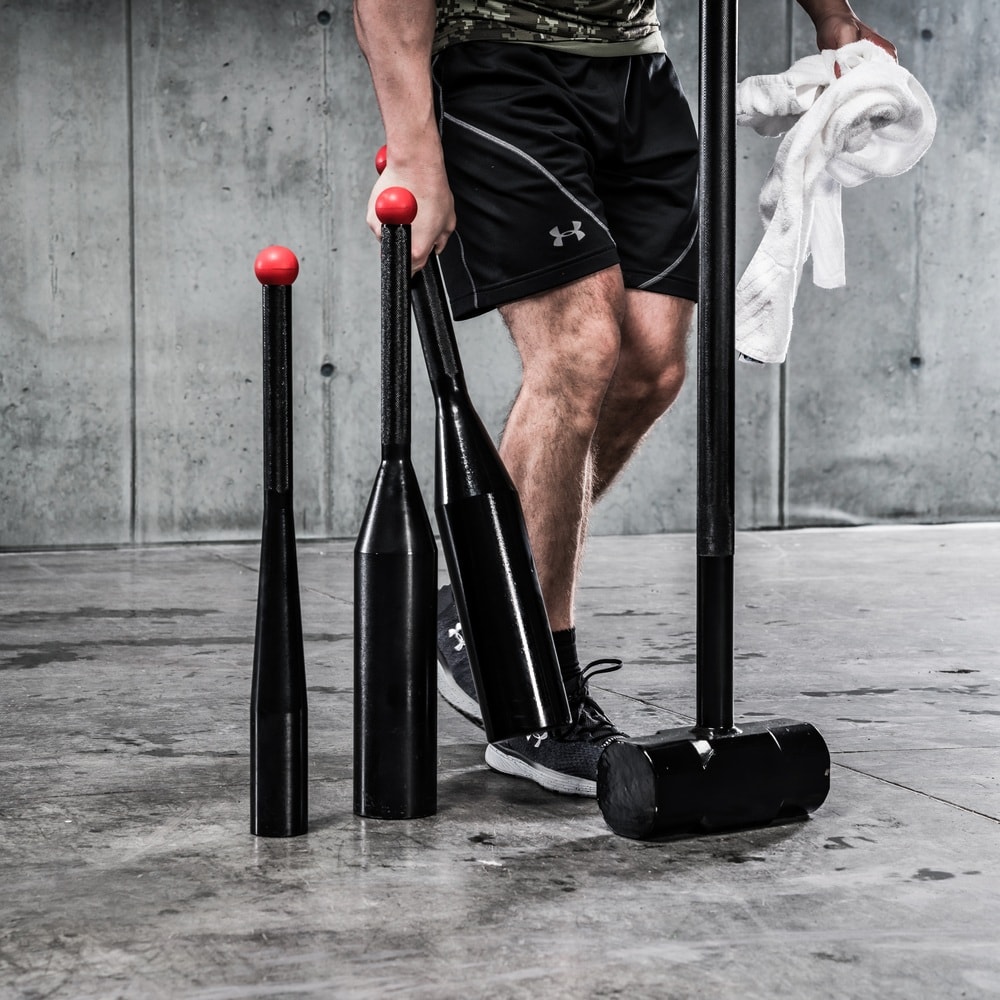
As for weight training, my suggestion is to use tools such as Kettlebell, Si-Clubs, Flow-Bagas they have a strong component of instability which will significantly activate your core and strengthen your joints, activating all the stabilising and postural muscles. However, devote a few sets to exercises such as flat benchSquat, Deadlift and Overhead press as they will serve to strengthen your muscles.
To avoid incurring back pain due to the many twists and turns that occur in different phases of the game, remember that a core strong and active will always protect your spine. You choose whether to devote time to strengthening of abdominal muscles at the beginning of your workout, as a warm-up, or at the end, to finish your routine.

Matteo Zoffoli
- Professional athletic trainer and expert in high-intensity training.
- Athletic trainer for Cesena Calcio in the 2015-16, 2016-17, 2017-18 seasons with the role of strength and conditioning coach.
- Fitness consultant for programming and evaluation of functional training activities, athletic preparation and online coaching.


 Defibrillator AED
 Gift CardSidea
 Spare parts