












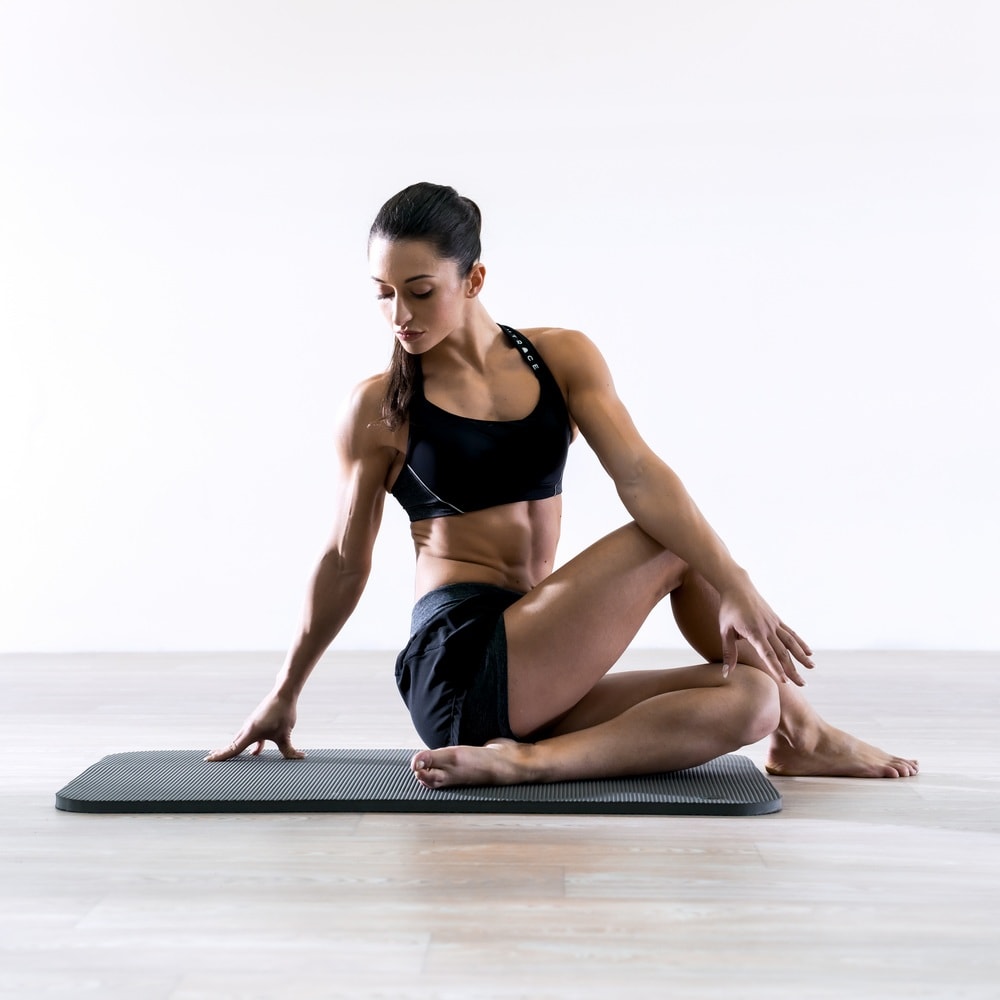
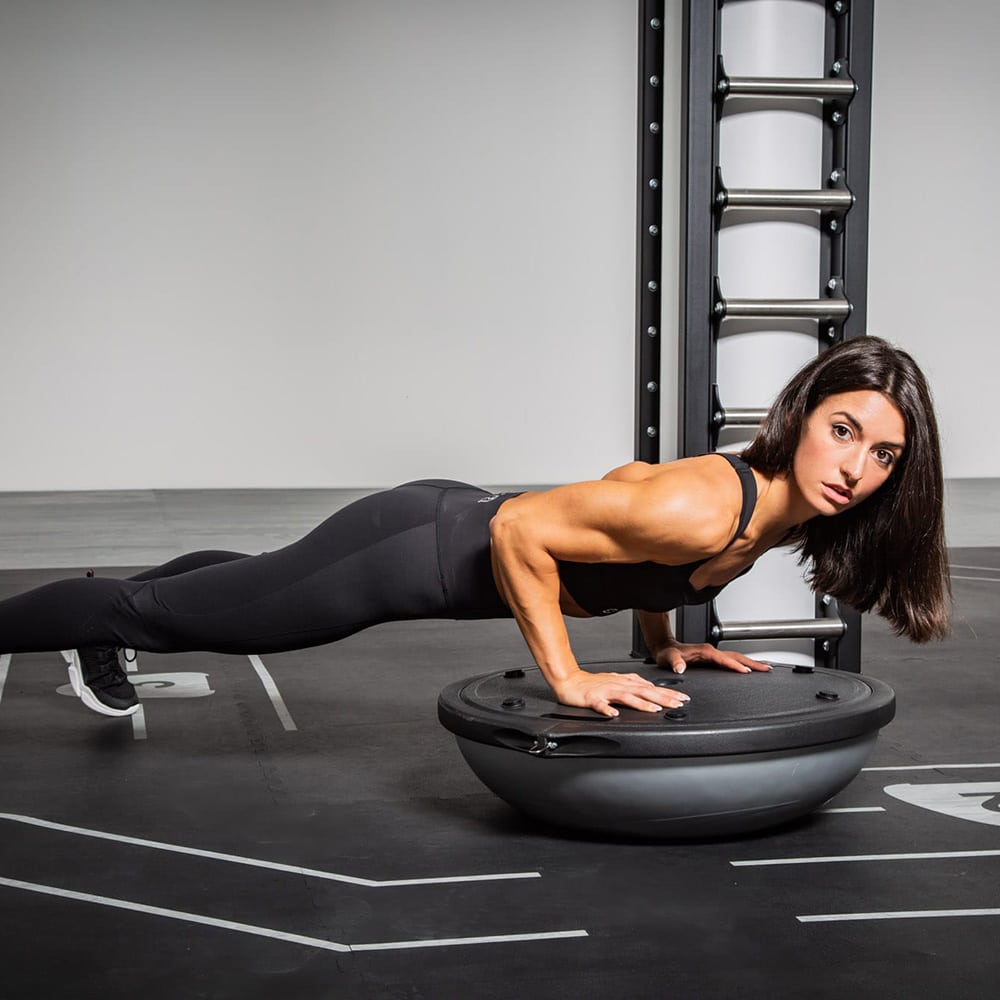
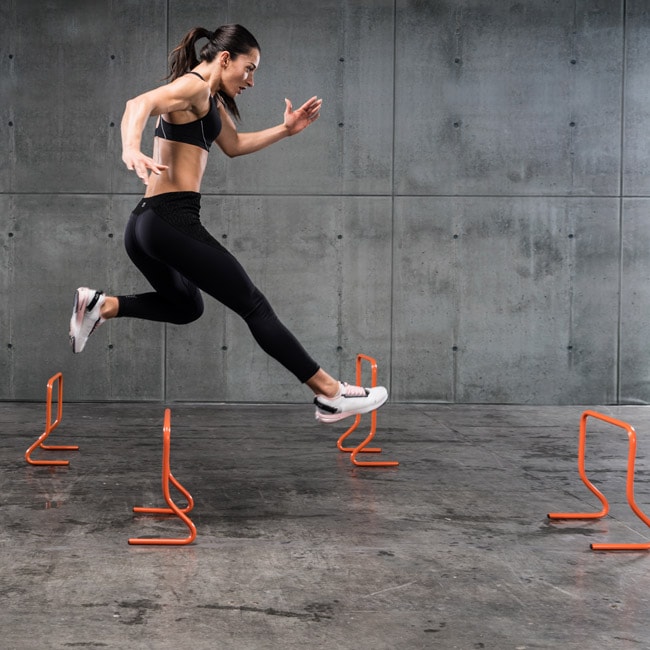
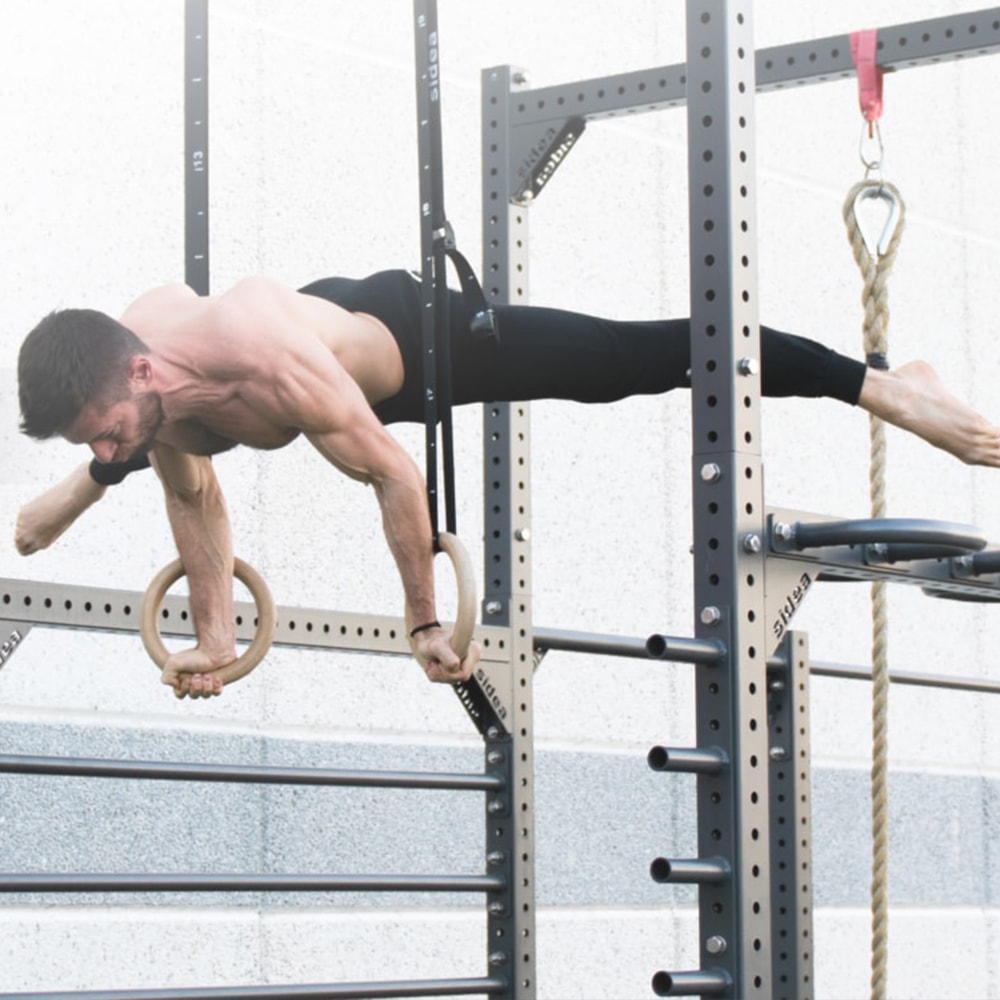



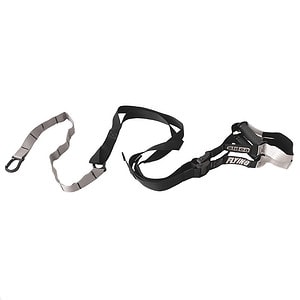
Within everyone's reach, suitable for every need and usable anywhere: there is little doubt that the most versatile piece of equipment for functional training is the Flying. No other instrument is in fact as simple and at the same time completeas long as one knows the principles of its use and the basic rules to optimise its use and avoid unnecessary injuries.
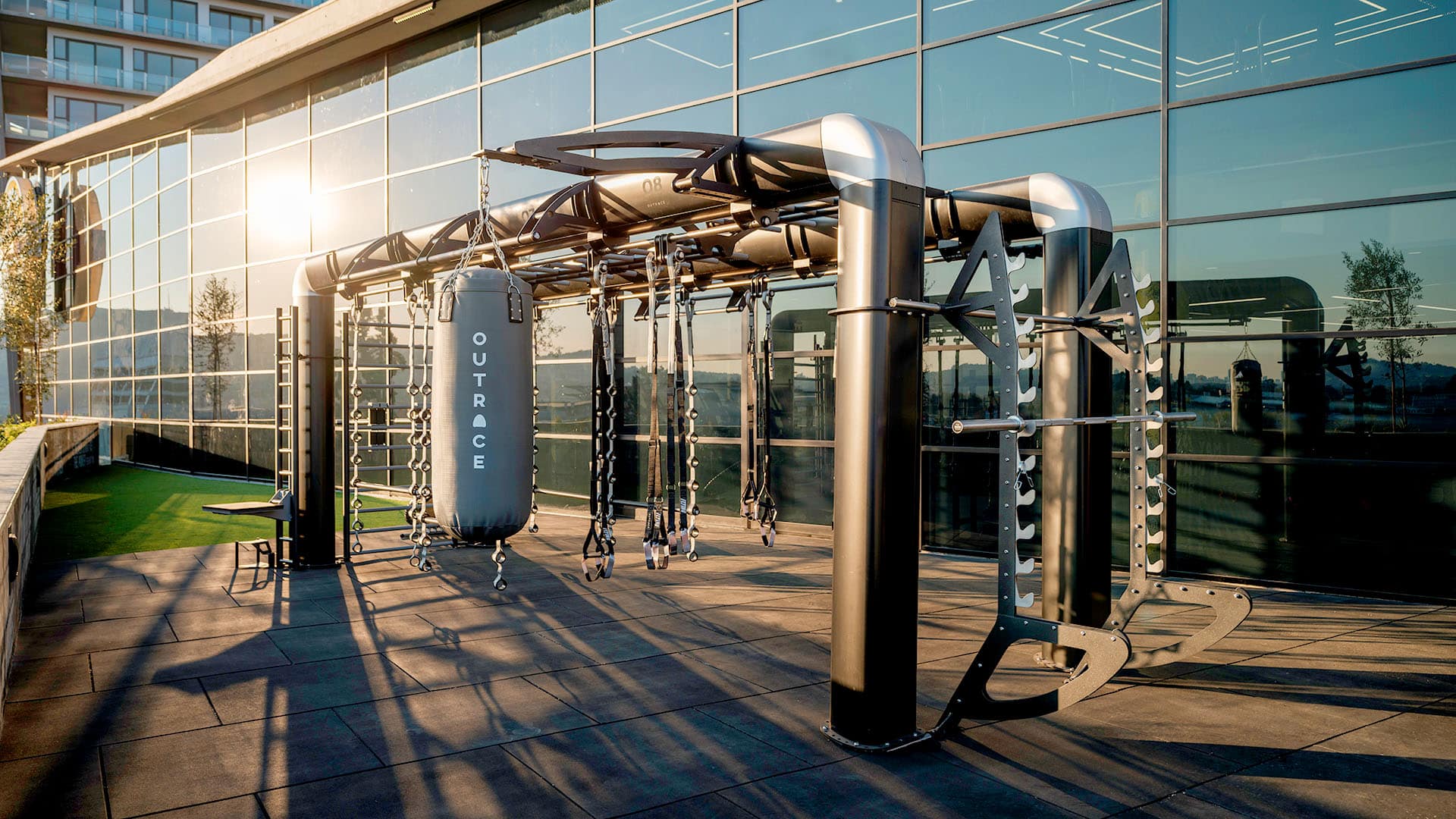
The Flying (here the product sheet) can be used in the gym, outdoors and even at home. All you need is a solid support where to anchor it and that's it.
The characteristics of the tool
With a weight of approximately 1kg and a footprint of 20 x 20 cm (with rolled-up straps), can be practically carried anywhere. This makes it a perfect 'travelling companion' for those who are often away on business, or for personal trainers who also work at home.
Thanks to the management of simple workload regulation Flying is suitable for the training of all people, from beginners to advanced athletes.
L'intensity of one and the same exercise can be scaled or increased by managing the inclination of the body in relation to the anchor point and/or the stability of the ground support base. This makes it possible to quickly set up the equipment according to the real possibilities of the person.
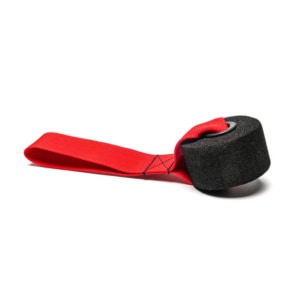
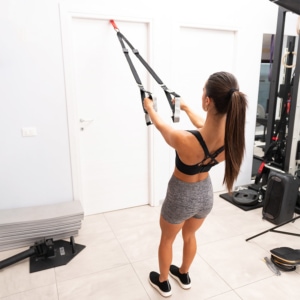
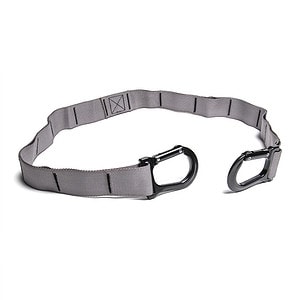

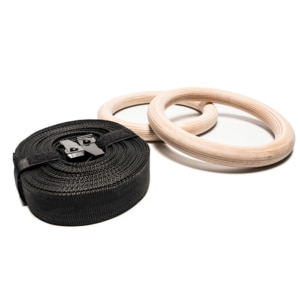
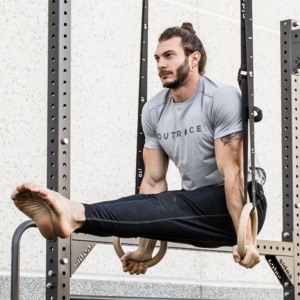
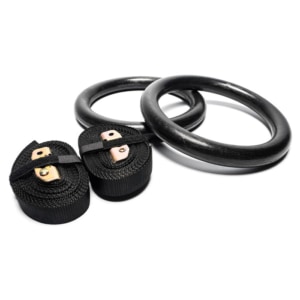
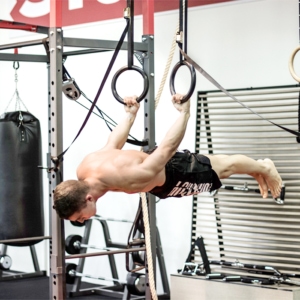
Why is Flying so versatile?
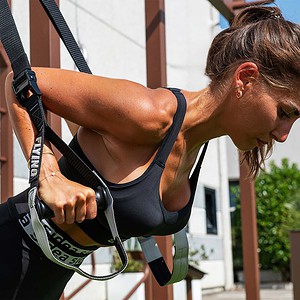
Exploiting the incredible freedom of movement which the two belts offer, Flying can also be adapted to any specific request from the practitioner. In this sense, it is possible to work on aesthetic objectiveshealth and wellbeing through to general physical preparation and specific to the various sports.
Since there are no restrictions on movement in the three planes of space (sagittal, frontal, transverse), a great multitude of exercises can be performed with this equipment. Flying therefore becomes a valuable ally for the fitness and bodybuilding programmes, of postural re-education e post-traumaticas well as for the sports physical preparation.
In further confirmation of theextreme versatility of Flying there is certainly the fact that it is currently the best 'understood' and most popular functional training equipment by all those involved in the world of sports and gyms, as well as by sportsmen and women and exercise enthusiasts themselves. While a kettlebell or one clubin the eyes of those who are not yet familiar with its features and applications, may generate a certain mistrust, Flying is certainly more invitingeven for the 'mere taste' of trying to perform rowing or push-ups.
On the one hand, this is certainly a point in favour of this tool, but if the objective is to make the most of its technical characteristics, it becomes indispensable to know at least the basic principles. This is both to reap real physical benefits and to avoid the creation of joint overloads that can be dangerous in the long run.
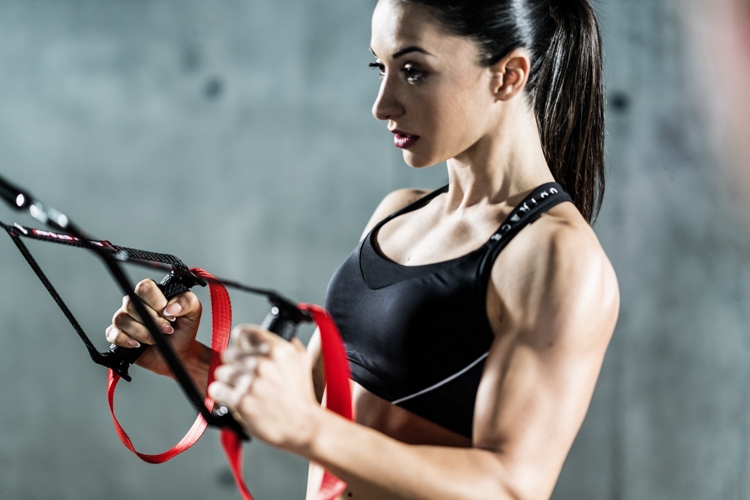
Some useful tips for practising Flying:
1) Maintain the correct posture from the beginning to the end of each exercise.
To ensure correct muscle activation and prevent tendon inflammation, maintain the neutral joint position is crucial. The moment you realise you are losing the stability of the shoulders, pelvis or knees, rather than continuing with the repetitions of the exercise you are doing with Flying, the advice is to stop, rest, return to the correct body posture and then start again with the next repetitions.
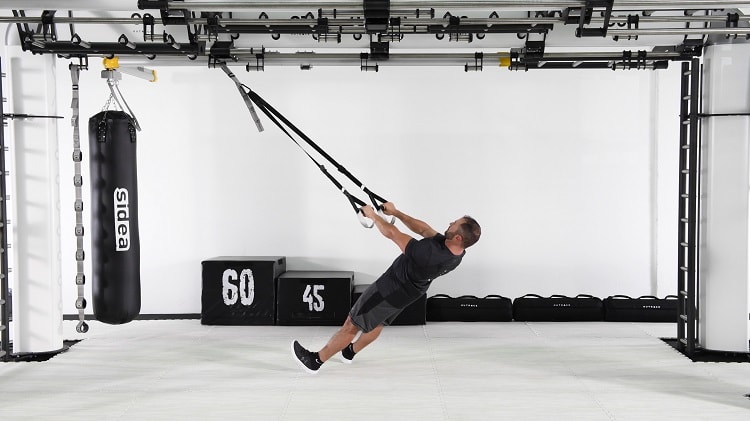
2) Do not lose tension in the straps while performing the exercises.
In all suspension exercises at Flying, having a constant voltage of the straps means transferring constant tension during muscle work. Losing this tension makes exercises less effective in terms of muscle activation and strength development.
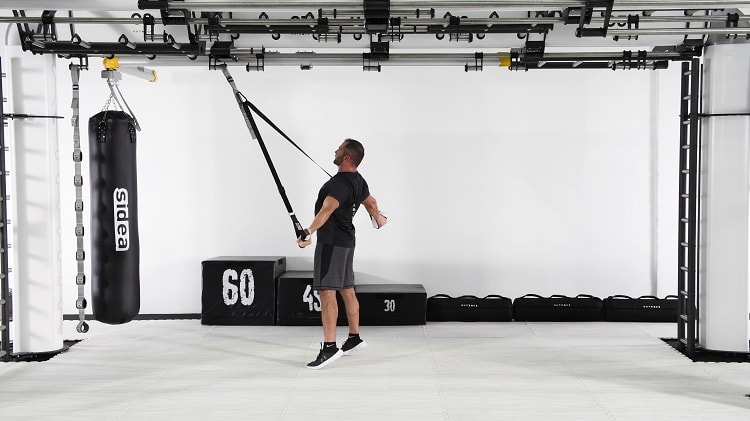
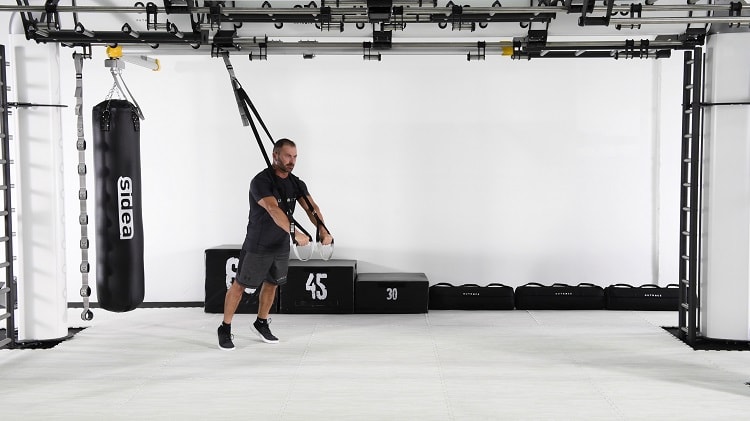
3) Avoid bringing the Flying straps into contact and rubbing against body parts.
This is especially true in exercises performed with the back to the anchor point, such as in the exercise Chest Press. In order to have constant tension during exercise and to avoid abrasion on body parts, the straps must always be spaced from the shoulders and arms.
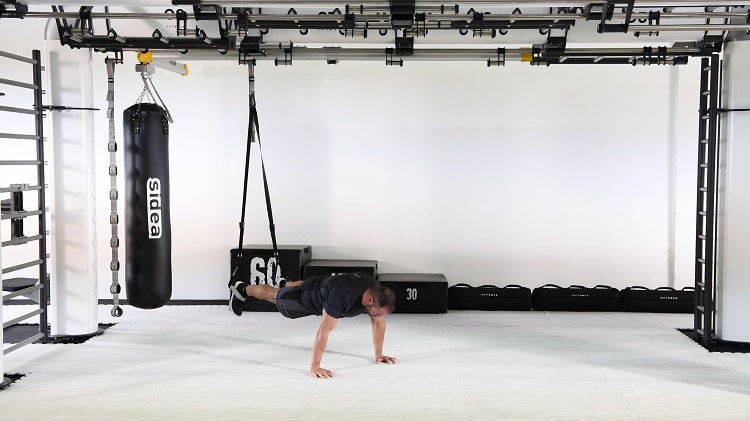
4) Correct positioning of the feet during floor exercises.
In supine, prone and lateral working positions, correctly positioning the feet on the Flying in accordance with the respective working position not only stabilises the ankles and knees but also enables a optimal involvement of muscle chains in that particular position. Given that the muscle chains connect the eyes to the upper and lower extremities, when the feet or hands are incorrectly positioned, this creates force dispersion along these muscle activation lines. This also leads to a loss of stability in the joints closest to them (in the case of the feet, the ankles and knees).
Below is a video which shows part of the wide range of exercises that can be performed with Flying, demonstrating how useful it can be even for athletes and advanced practitioners.
by Emilio Troiano
Master Trainer of the WTA International Functional Training Academy
La WTA Functional Training Academy trainers on Flying Suspension Training since 2009. As of April 2019, in addition to the historical in-house training courses, it offers the brand new Online training courses rich in practical technical content. Through more than 90 video lessons, ebooks and training sheets, you will be able to specialise in the use of this equipment in every physical context, from athletic preparation to rehabilitation and group training in Functional Training.
Click on the banner below and access the course info page Flying Suspension Training Instructor Training.

You can also download the brand new Application on Suspension Training with Flying. It will allow you to create training programmes for sports physical preparation, post-traumatic recovery and general physical goals.
Click on the banner and discover all the features of this App that you can download free of charge to your smartphone and tablet.


 Defibrillator AED
 Gift CardSidea
 Spare parts